|
Getting your Trinity Audio player ready...
|
By Gideon Mutembei
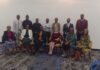
Nairobi, Kenya: Media organizations and stakeholders have been urged to establish a regional body to strengthen their capacity to work together as well as fight for the rights of media workers across the East Africa region.
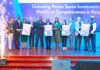
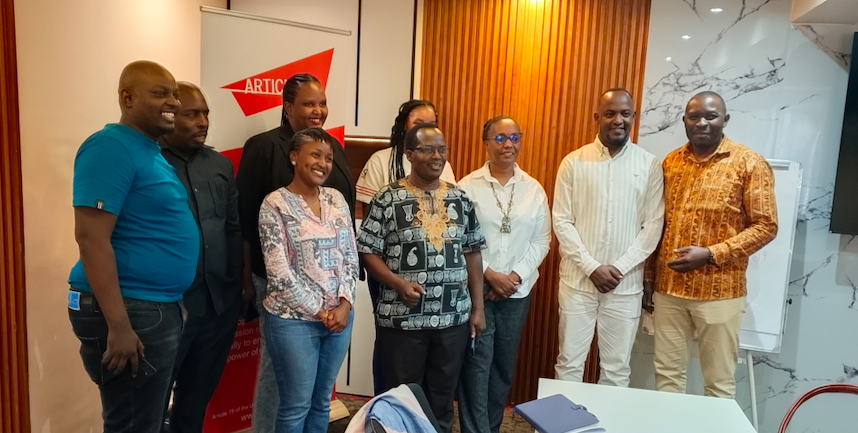
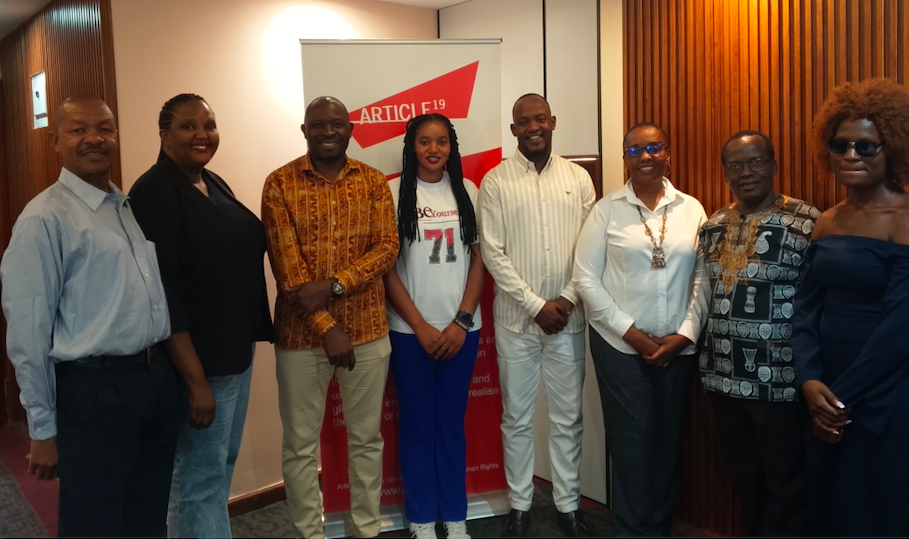
This was said during a regional media freedom conference organized by Article 19, an international think–tank organization that propels the freedom of expression movement, locally and globally, to ensure all people realize the power of their voices.
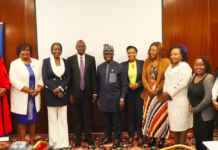
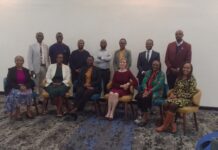
The conference which was held at Nairobi supported by Common Wealth Foundation (CWF) brought together media personnel drwan from the East African Nations, Kenya, Uganda, Tanzania and Rwanda.
Speaker after speaker narrated the challenges facing the media fraternity orchestrated by the respective Government because the truth has been reported, from internet shutdown, weak access to information and arbitrary arrests, detention and in the most grave cases enforced disappearance or killings including acquisition of Media houses all aimed at weakening them thus making it difficult for media to play their role of informing the public.
The Kenya Correspondents Association, Programs Director, William Janak Oloo during his opening remarks, said the work is more of a collaborative and sharing of information to learn from each other as one way of forging a working relationship in the region,
“The current relationship between the media and the Government took a serious struggle to achieve and there is a need to ensure its continued existence,” he said.
 The Kenya Media Sector Working Group (KMSWG) serves as a successful model for consolidation within the media industry. This group brings together various media associations and partners, allowing them to collaborate and speak with a unified voice. The Kenya Editors Guild (KEG) and the Kenya Union of Journalists (KUJ) are the conveners of the KMSWG.
It was at this point the Kenya Union of Journalist Secretary General, Eric Oduor urged the attendees to first strengthen the respective local bodies.
“We need to strengthen the local bodies which in turn will support the proposed regional outfit, not forgetting capacity building, share opportunities and share stories as a starting point” he said.
The income for Freelance Journalists who are not in employment was another thematic area considered a key area to be tackled especially in Kenya where there is no fall back for those in need of financial assistance.
A sound example was shared by Dan Ngabonziza the Editor in Chief KT press in Rwanda, he said they have MEDECO (Media Development Co-operative) which is Managed by hired professionals outside the media fraternity, to ensure professional management.
MEDECO is a shareholding distributed equally among the members, the editor said the co-operative is expanding with investments and income generating projects set to be launched soon, members not only have access to soft loans to finance their projects they also earn dividends every year.
Gender based violence targeting young ladies, especially interns joining the newsrooms, was another dark moment partly blamed on senior media practitioners, it was said there was no structured reporting mechanism despite robust Constitutional law in place to support litigation.
Data shared by researchers showed the ill is still rampant with no single prosecution case reported, reasons ranging from lack of knowledge of existing sexual harassment guidelines, silence from the victims for fear of losing job and victimization.
It was agreed that all the ills afflicting the media fraternity can only be tackled by uniting our voices through a regional body, more meetings are set to be organized to set the agenda for the formation of the regional body.
Lastly the conference organizers agreed to rotate the meetings among the East Africa nations as a way of promoting learning, reviewing progress and sharing innovation opportunities among others.