|
Getting your Trinity Audio player ready...
|
By Tony Wafula
Bungoma County, Kenya: Farmers in the Western region have been encouraged to adopt drought-resistant, climate-smart seeds as a key strategy to mitigate the effects of climate change and increase agricultural productivity.
The call was made during the Agribusiness Expo and Trade Symposium held at Kibabii University in Bungoma County. The event, themed “Climate Smart Technologies and Practices for Sustainable Food Systems,” highlighted practical solutions for resilient farming.
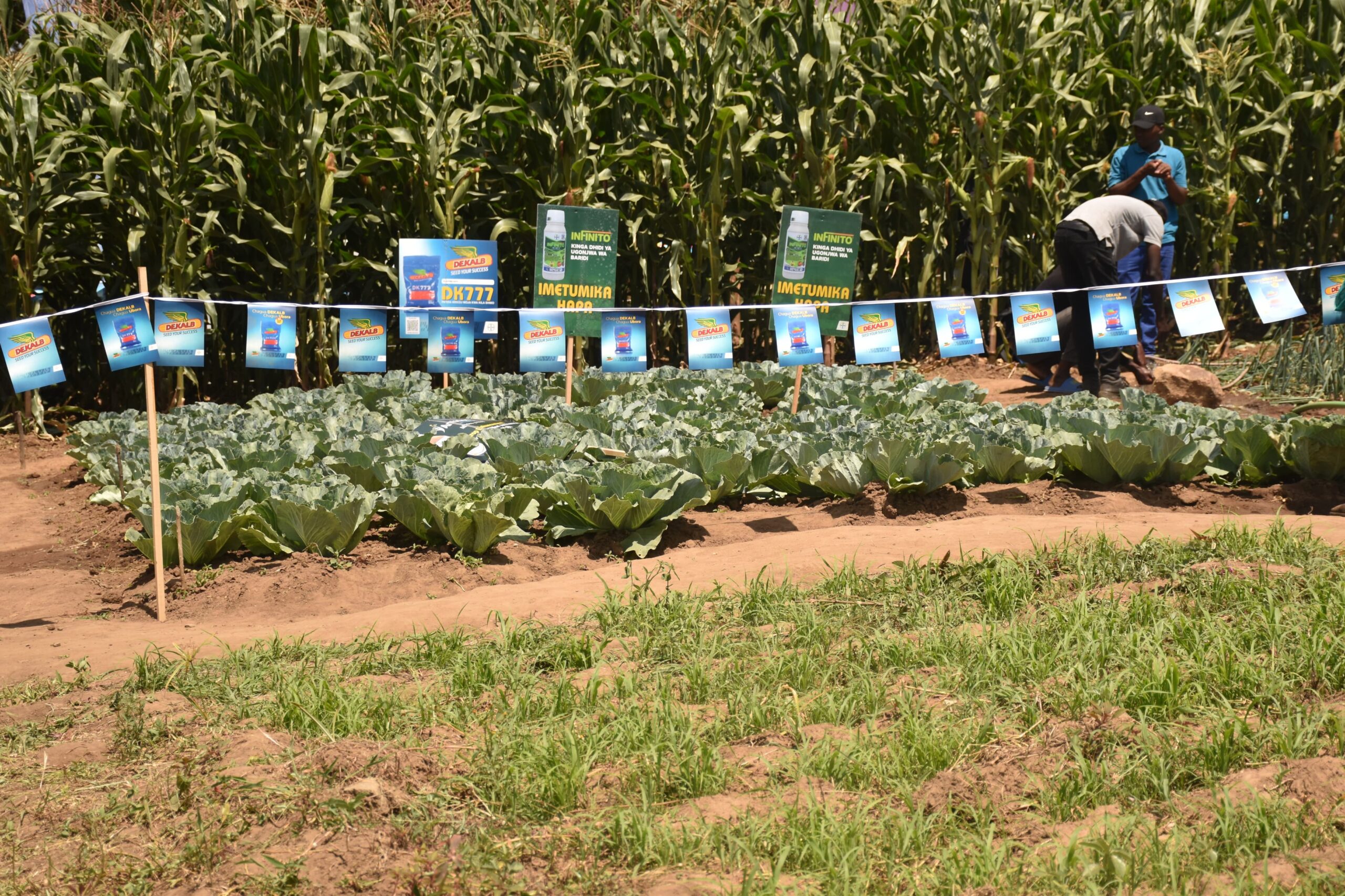
Gerald Masila, Executive Director of the Eastern Africa Grains Council (EAGC), explained that the expo prominently featured solutions to climate change, including drought-resistant seed varieties adapted to changing conditions. “When you walk through our demonstration plots at Kibabii University, you will notice plots that were starved of water, yet you can compare how they have performed under limited water supply,” he said.
Masila emphasized that addressing climate change involves more than just seed selection—it requires integrated approaches to land treatment, agronomy, crop management, minimum tillage, and conservation agriculture. He added that the council is also promoting technologies such as water harvesting systems and methods to reduce transpiration in crops.
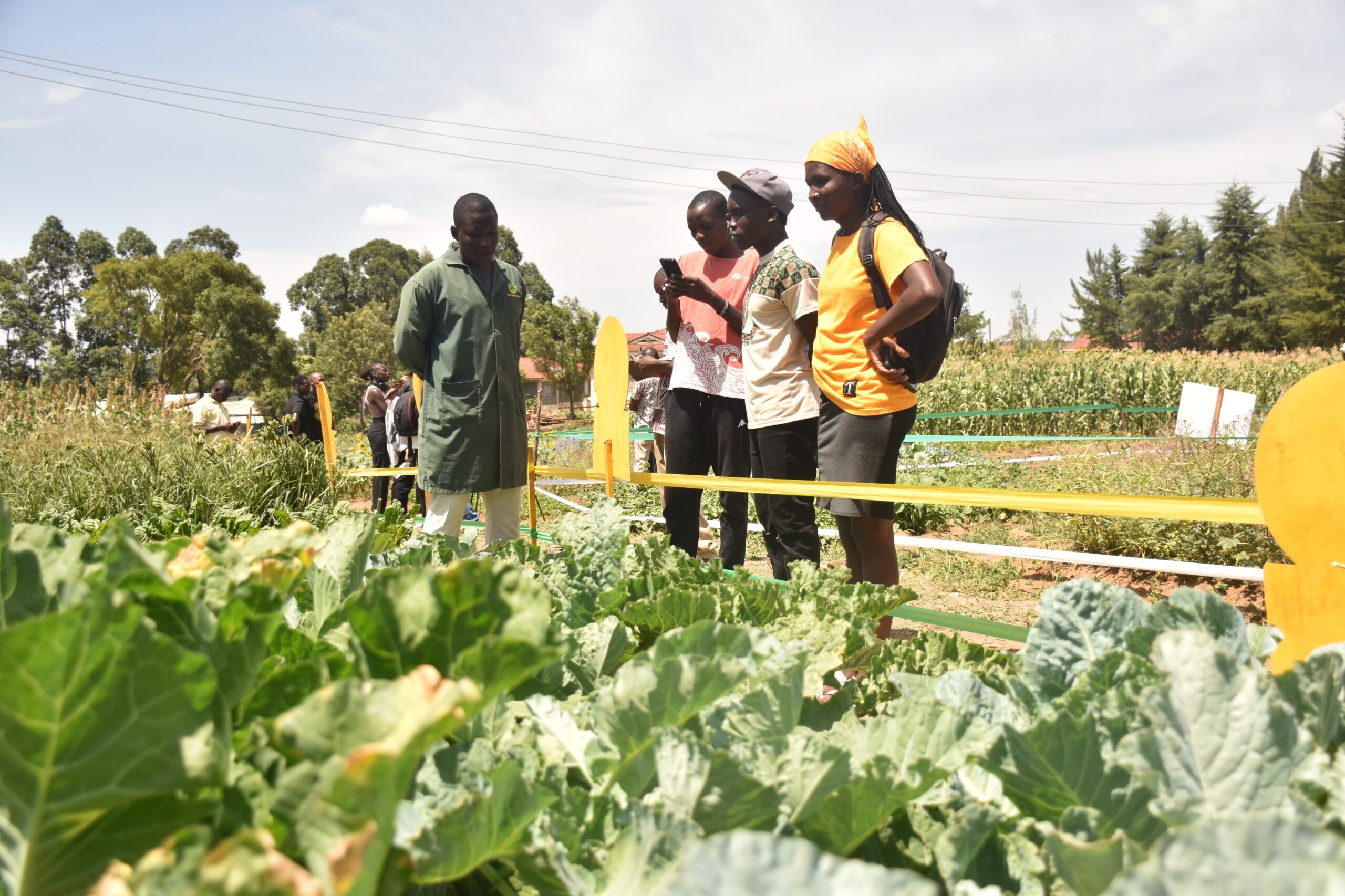
In collaboration with local universities, the EAGC has established demonstration plots where farmers and agriculture students can observe and learn about new technologies designed to enhance farm production. “Our mission is for farmers to leave this expo with clear knowledge of what seeds to select and how to implement practices that will improve their yields,” Masila stated.
The EAGC, a membership-based organization representing stakeholders across the grain value chain—including traders, warehouses, and processors—aims to equip farmers with information on optimal seed choices, pest and disease management, and post-harvest loss reduction.
Masila also noted that the council is partnering with the Food and Agriculture Organization (FAO) to restore the Mt. Elgon ecosystem, further supporting climate resilience in the region. Over 2,000 farmers attended the Kibabii University expo.
On the demonstration plots, both organic and conventional farming methods are displayed. “We are showing all available solutions,” Masila explained. “Even in organic systems, there are times when supplementing with suitable synthetic fertilizers or micronutrients becomes necessary to address nutrient gaps.”
Felix Muchieka, an Agriculture student at Kibabii University, praised the EAGC for organizing the expo, noting that it provided valuable practical lessons on climate-smart farming technologies. He also encouraged more young people to engage in agriculture, describing it as a vital source of employment.
Farmer Margret Juma shared how the expo transformed her approach. “I used to harvest only one sack of maize per acre,” she said. “Now, I have learned about improved seed selection and new farming technologies that can significantly boost yields.” She added that she previously relied on saved traditional seeds but will now purchase certified, drought-resistant seeds from reputable suppliers.
The expo showcased a wide array of innovations, including crop demonstrations, post-harvest technologies, value-addition innovations, agri-machinery displays, livestock technologies, and business-to-business forums. Exhibitors presented solutions ranging from climate-smart seeds and precision agriculture tools to digital platforms for input supply, aggregation, and structured grain marketing.