
By Jackson Okata
Patricia Karimi, a resident of Kilimani Estate in Nairobi, is now an organic food enthusiast after witnessing how food can easily become hazardous to human bodies, potentially leading to life-threatening conditions if grown using toxic farm inputs or if improperly handled after harvest.
In 2022, her teenage daughter started experiencing menorrhagia (heavy and prolonged menstrual periods), a condition doctors attributed to hormonal imbalance caused by high toxins in her blood.
“Her blood was found to contain high toxin levels. We were advised to revise her diet by avoiding processed foods and conventionally produced farm produce’’ Karimi said.
It was her daughter’s condition that influenced Karimi’s shift to consuming purely organic produce.
“We have been consuming organics for 3 years now, and the health benefits are huge’’ she said.
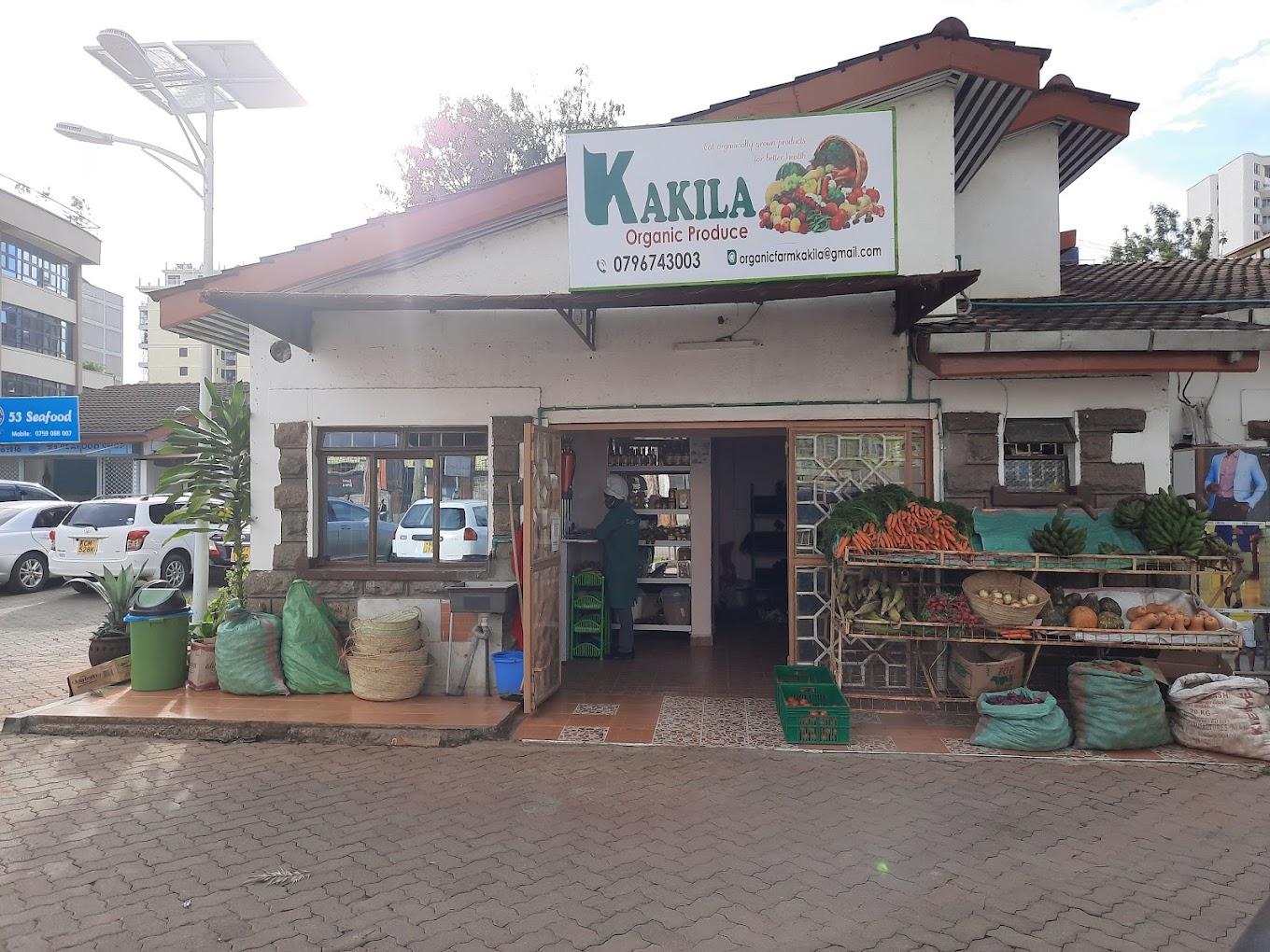
In Nairobi’s Kilimani, an upmarket neighbourhood, the growing number of organic food markets and grocery stores is an indication of a more health-conscious urban population taking control of what ends up on their dining plates.
Kenya has witnessed a rapid growth of organic food markets over the past five years, primarily spurred by concerns over food safety, a rise in non-communicable diseases (NCDs), and increased health and nutrition awareness among the urban middle class.
Health link
Dr. Agnes Njeri, a nutritionist and food safety expert at Kenyatta University, states that there is a connection between the increase in non-communicable diseases in Kenya and the consumption of processed foods, high pesticide residue levels in farm produce, and prolonged exposure to synthetic farm inputs.
“Our food safety standards from farms to markets are wanting. Much of the produce in our markets has worrying harmful chemical residue levels,” warns Dr. Njeri.
Kenya is currently battling a worrying rise in diet-related illnesses. According to the Ministry of Health’s 2022 NCDs report, nearly 34 per cent of adults are overweight or obese, with cases of diabetes, cancer, and hypertension steadily increasing.
In 2023, a joint report by Kenya’s Ministry of Agriculture and UNEP found that 60 per cent of sampled produce from informal markets contained harmful chemical residues.
 Commercial food production in Kenya heavily relies on chemical pesticides—some of which have been flagged as hazardous by both local and global health authorities.
A 2021 report by the Route to Food Initiative (RTFI) established that Kenya had registered over 200 pesticide products that were banned or restricted in Europe due to their adverse effects on human health and the environment.
They included substances like carbendazim, chlorothalonil, and acephate, which have been linked to endocrine disruption, carcinogenicity, and reproductive toxicity.
Biovision Africa Trust Executive Director Dr David Amudavi blames Kenya’s pesticide menace on inconsistent and weak enforcement of regulations.
“Some of these chemicals have been banned in Europe for years, yet they are still available to Kenyan farmers. Consumers are being slowly poisoned without their knowledge,” said Amudavi.
In 2024, Kenya’s Pest Control Products Board (PCPB) moved to ban 14 highly hazardous pesticides, including permethrin and paraquat, after sustained pressure from civil society.
In May 2025, the Ministry of Agriculture announced a bold move to ban over 50 harmful pesticide products from the market, signalling a transformative step toward a safer and more sustainable food system.
Increased demand for organics
Sylvia Kuria is the founder of Sylvia’s Basket, an organic farm shop in Nairobi. She says her shop is a reliable source of traceable, chemical-free food.
“I have very intentional clients who are specific about what they eat,’’ she said.
“They not only ask for organic but for produce grown without harming the environment,” Kuria said.
Sylvia says the demand for organically grown foods is high.
According to the Kenya Organic Agriculture Network (KOAN), demand for certified organic produce has grown by over 25 per cent since 2020, especially in major cities like Nairobi, Mombasa, Kisumu, Nakuru, and Eldoret.
KOAN’s programs Director Daniel Murage says people are becoming aware of the link between safe food and healthy bodies.
“People are saying that safe food should not be an option but a way of life. There is not only a growth in consumer demand for organic produce but also the number of smallholder farmers abandoning chemicals for safer farming options’’ said Murage.
KOAN is the national coordinating body for the organic agriculture sector in Kenya.
Founded in 2005, KOAN brings together producers, retailers, exporters, traders, and NGOs, dedicated to promoting organic agriculture. It represents over 200,000 organic farmers, and its roles, among others, include connecting organic produce farmers, traders, and suppliers.
To guarantee the safety of organic produce, KOAN also oversees the implementation of the Kilimohai trademark, the Organic standard mark of Organic Certification in Kenya, which applies to Agricultural Inputs, Fresh and Dried farm produce and processed food products.
KOAN has a membership of 64,260 organic producers, 100 organic processors, and 17 organic farmer markets.
At least six supermarket chains and five delivery services have also been cleared by KOAN to offer organic produce.
Murage observes that the emergence of organic food markets is not only about healthier diets but also “sustainable farming, better rewards for smallholder farmers and overall contribution to safeguarding the environment”.
According to Murage, the majority of organic markets are within upmarket areas of major cities for a reason.
Consumers in these areas are more conscious about their health and very specific about what they consume. They are not bothered about the price, but the quality of the produce’’ said Murage.
Farmer benefits
With the demand for organic produce on the rise, smallholder farmers are embracing agroecology farming practices.
Peninah Njoki, a 42-year-old farmer from Limuru in Kiambu county, says a guaranteed market for her organic produce and reduced production costs made her ditch conventional farming.
“I no longer use synthetic fertilizers and pesticides on my farm. I make my bio-pesticide fertilizers to meet the no-chemical standards set by my clients”.
Peninah, a member of the Kenya Organic Farmers Association (KOFA), a body that trains and links farmers to urban markets, says she has a ready market and good prices for her produce.
“Organic farming does not just come with health benefits but also economic ones’’ she said.
For Jackson Kiprono, a small-scale farmer from Nakuru county, the shift to organic farming has been a game-changer. He supplies kale, spinach, and indigenous vegetables to a major supermarket chain in Nakuru City.
“With conventional farming used to earn about Sh10 per bunch of kale, but now I get Sh25 to Sh30 for organically grown ones. The demand is consistent, and I no longer rely on expensive chemicals,” said Kiprono.
In Machakos, 36-year-old farmer Margaret Mwikali, through training offered by KOAN, began growing organic tomatoes and onions. She sells directly to Nairobi-based restaurants and online platforms, including Greenspoon.
“Organic farming has given me dignity. My earnings have doubled, and I no longer worry about market access. The buyers come to me,” Mwikali said, adding that her farm is now serving as a demonstration site for other women interested in chemical-free agriculture.
Regulations
But despite the Kenyan organic market boom, experts are warning that a lack of legal guidelines and protection leaves consumers vulnerable to fraud.
Dr. Jane Muthoni, an agricultural policy expert, says anyone can label their food ‘organic’ without being certified.
“We do not have enough checks to ensure that the produce that lands at our organic markets is truly organic. This is a gap that needs to be addressed’’ she said.
She warns that Kenya’s urban organic markets face the challenge of mixing conventional and organic products, which she says undermines consumer trust.
Bernard Onyango, who runs a weekend organic market in Nairobi, says that as much as they vet their suppliers, they cannot entirely distinguish between what is organic and not.
“We sometimes carry out surprise farm visits and most of the time insist on supervising farmers during harvesting to ensure that what we get is truly organic’’ he said.
Brian Matoke, a fresh produce sourcing analyst at Greenspoon grocery store, says to ensure safety and authenticity, they only source produce from KOAN-certified farmers.
“We not only buy from certified farmers, but we also work with other stakeholders to educate them on how to do organic farming. This ensures that whatever we get from them is legit’’ said Matoke.
In 2024, Kenya launched the National Agroecology Strategy (2023–2033), which seeks to promote farming practices that enhance biodiversity, reduce chemical input use, and build resilience to climate change, aligning closely with the principles of organic agriculture.
Civil society groups have been advocating for the passage of the Organic Agriculture Policy and the creation of a National Organic Council. The bill is currently under review by parliament.
“The increased demand for organic foods is a clear indication that people are now appreciating that safe and healthy food is medicine to the body,’’ Matoke concluded.