|
Getting your Trinity Audio player ready...
|
By Gabs Mia
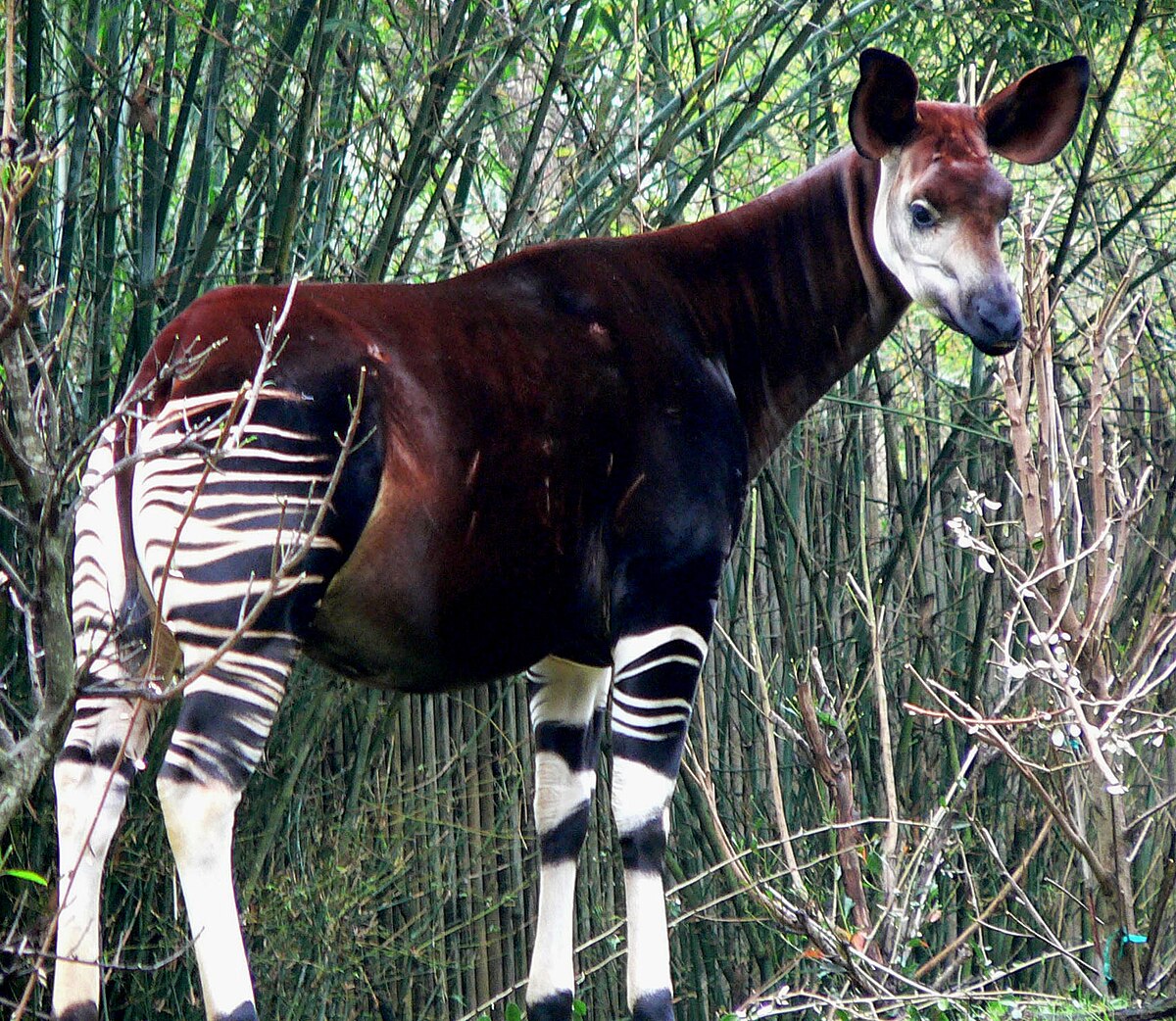
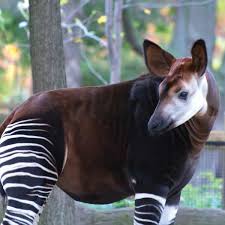
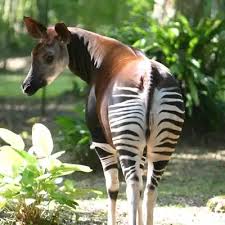
DRC, Ituri: The Okapi, often called the forest giraffe, is a very real, very rare, and now seriously endangered animal, despite its fantastical appearance. With its velvety dark coat, gentle eyes, and distinctive zebra-striped legs, it looks like a creature from a children’s book, yet this elusive animal is facing a crisis.
The alarming new figures have revealed that the Okapi species is vanishing at an astonishing rate. In response, the Democratic Republic of Congo has successfully secured the highest level of international protection for the animal. Consequently, the Okapi has been listed under Appendix I of CITES, the global agreement that prohibits commercial international trade in the world’s most threatened wildlife. These numbers clearly underscore the necessity of this action.
Once thought to number between 35,000 and 50,000 in the 1990s, experts now estimate that the Okapi population has fallen by more than half in just 24 years, the equivalent of three generations. The decline has been so steep that conservationists fear the species could disappear from large parts of its natural range within a lifetime.
A shrinking world
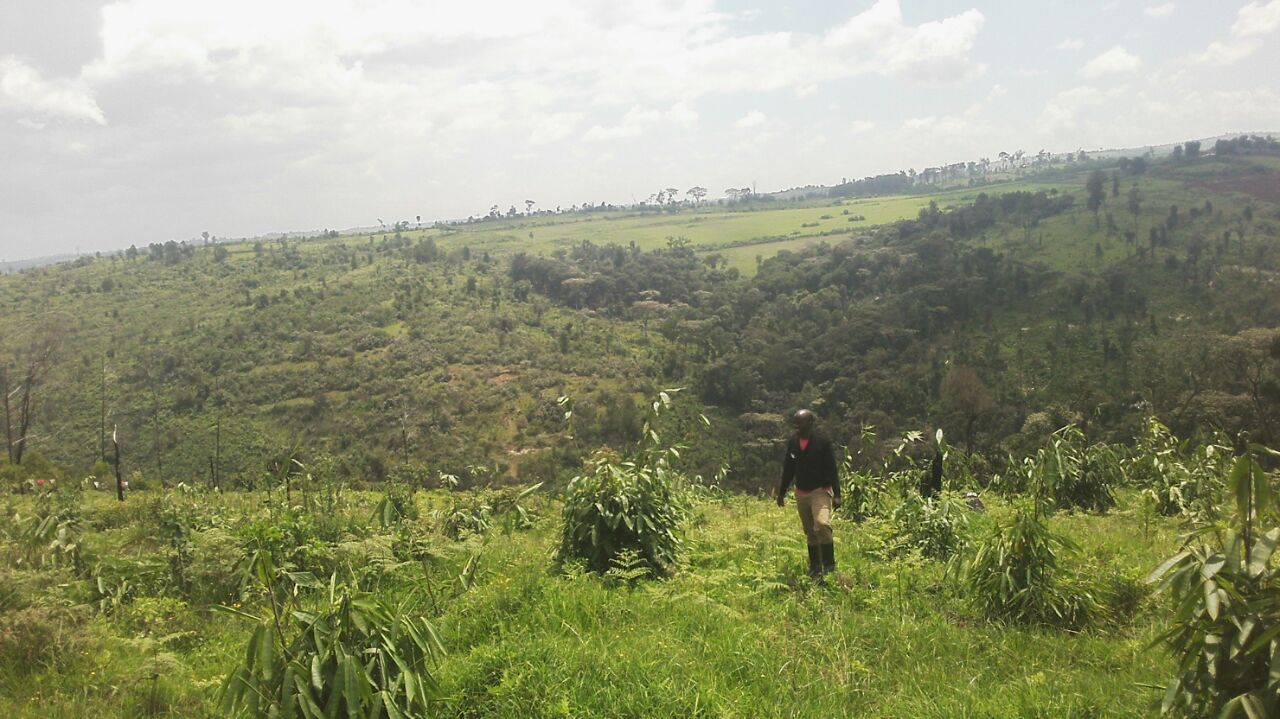
The Okapi is found exclusively within the dense rainforests of central and north-eastern Congo, specifically in the Ituri province, occupying an area of approximately 244,000 square kilometers. However, even this extensive green sanctuary is experiencing a reduction in size.
In the east of the country, around 30% of forest cover has been lost in the past two decades, largely due to human pressure. While protected areas have fared slightly better, they have even seen forest losses of up to 10% over the same period.
The Okapi Wildlife Reserve, one of the Okapi’s final strongholds, paints a particularly stark picture of their decline. The population there suffered a more than 40% reduction between 1995 and 2007, followed by another drop of almost 50% from 2008 to 2012. By 2018, experts estimated that up to 60% of the remaining Okapi may have already vanished.
Poaching and Illegal trade
The decline of the Okapi is being secretly hastened by the illegal wildlife trade, which is compounding the existing issue of habitat loss.
Trafficking poses a significant threat to the Okapi, despite its full protection under Congolese law. Conservation organizations estimate that 80% of wildlife products confiscated in Uganda, a neighboring country, originate in Congo.
Alarmingly, since 2019, it is suspected that products linked to approximately 10 Okapis per month have been smuggled across the border, underscoring the vulnerability of the animal to organized trafficking networks.
The okapi is now listed as Endangered on the IUCN Red List, making it one of the world’s most vulnerable large mammals. This critical status is the result of a deadly combination of shrinking forest habitats and persistent illegal trade.
A global lifeline
The goal of the new CITES Appendix I listing is to mark a turning point in conservation efforts. By strengthening international controls and border monitoring, it provides conservation authorities with more powerful legal instruments to effectively halt traffickers.
“This is a critical step to protect one of the most distinctive and threatened mammals on the planet,” said Susan Lieberman, Vice President for International Policy at the Wildlife Conservation Society.
Congolese conservation leaders say the decision also sends a powerful signal to local communities and rangers working on the front lines. The Okapi is not just an animal, they stress, but a cultural symbol, particularly for forest communities in the Ituri region.
Last strongholds
The Okapi, a creature so elusive it wasn’t discovered by science until the 20th century, is finally receiving global attention. However, a critical question remains: is this recognition happening in time?
Today, the largest surviving populations are concentrated in a few key locations. Most notable is the Okapi Wildlife Reserve, a 13,726 square kilometre UNESCO World Heritage Site jointly managed by conservation authorities and the Wildlife Conservation Society (WCS). Smaller groups also persist within the Lomami and Maiko national parks, and across a variety of community forests.
The future survival of the species now depends entirely on whether these last refuges prove sufficient.