|
Getting your Trinity Audio player ready...
|
By Henry Owino
Nairobi, Kenya: Almost four decades of unwavering dedication, the Centre for the Study of Adolescence (CSA) is said to stand tall as one of Kenya’s most influential champions for adolescents’ health and rights.
Founded in 1988, the non-profit organization marks its 37th anniversary, celebrating a legacy of economic empowerment to thousands of young people across Kenya to make informed choices about their health and lives through education, policy advocacy and a resilient future.
From its modest beginnings 37 years ago as a small research group in Nairobi, today, CSA has grown into a national leader in adolescent sexual and reproductive health and rights (ASRHR). Its evidence-based programs have reached communities in nearly every corner of the country, offering young people access to information, mentorship, and services that promote dignity, gender equality and self-determination.
Talk Africa joined the pumped 37th anniversary dubbed; “Centre for the Study of Adolescence (CSA) Horizon37 Youth Symposium 2025” held in a hotel in Nairobi, themed; “Youth Voices Leading Bold Futures.”
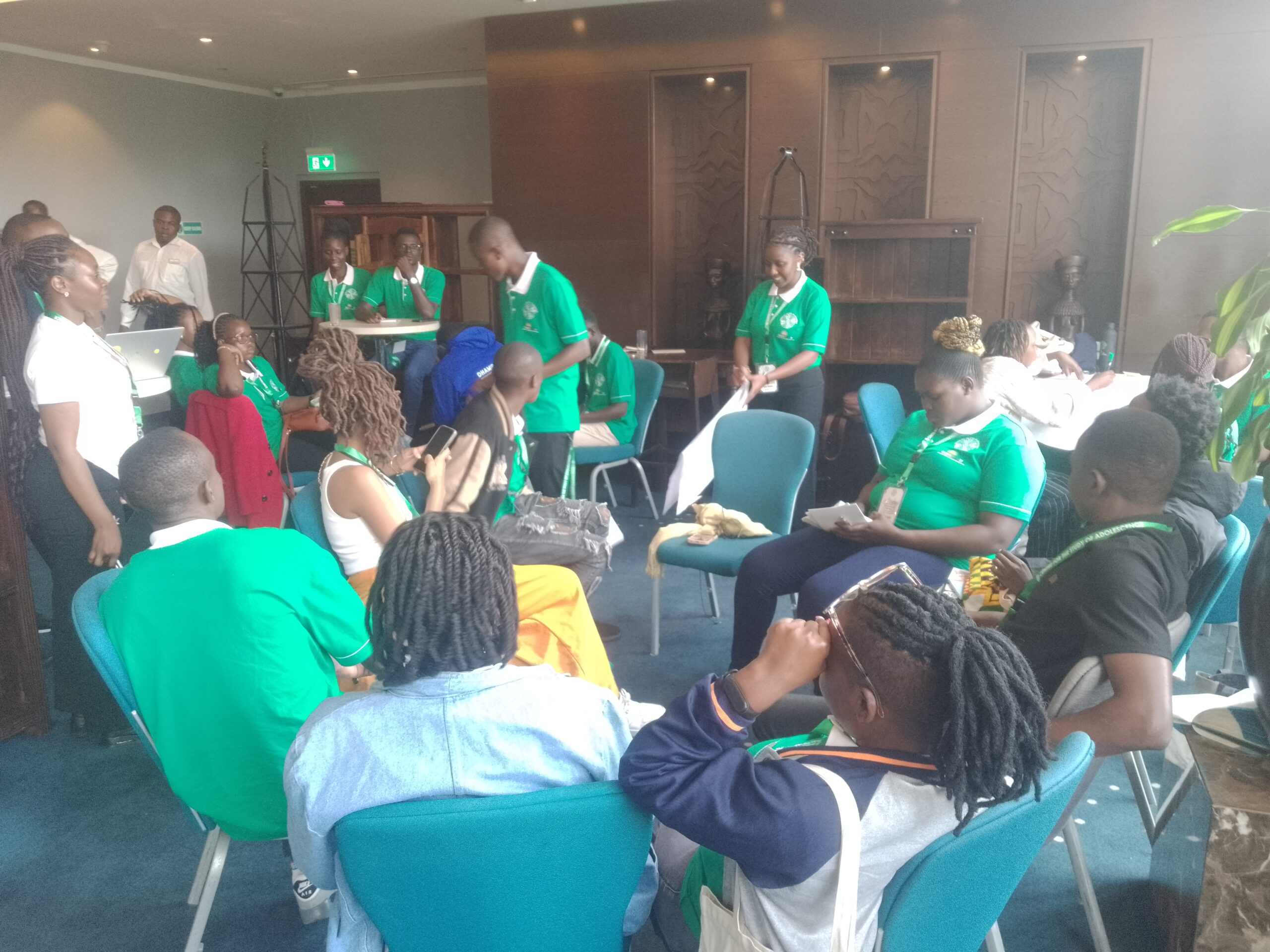
The two days ceremony was designed, led and driven by youth themselves from various counties with participants were mainly youth, the CSA founder members, CSA board members, development partners and likeminded friends.
Brighter Future Prospects
Speaking during official opening of the youth symposium and launch for the CSA Strategic Plan 2026–2030, Chief Guest Dr. Jacqueline Kisia, Ministry of Health’s Head of Adolescent Health at the Reproductive, Maternal, Neonatal, Child and Adolescent Health (RMNCAH) department, emphasized need of youth inclusion in decision making.
“Young people must be recognized as equal partners in designing and implementing health programs. This is so as CSA’s Horizon37 journey reminds us that change is possible,” Dr Kisia said.
“The next 37 years will be defined by how boldly we empower young people to lead because their voice determines Kenya’s future. If we ignore them today, we may live to regret later when reality takes shape,” she cautioned.
Dr. Kisia urged young people to take bold steps into the future in the Sexual and Reproductive Health and Rights (SRHR) space. She stated both the anniversary statement and theme of the symposium are timely and inspiring for young people as essential partners in shaping Kenya’s health future.
“Young people are not just passive recipients of health programs, but they are leaders, innovators, and indispensable associates in influencing the country’s future in terms of health services delivery,” Dr. Kisia, Head of Adolescent Health Division emphasized.
Dr. Kisia pointed out that some of the CSA pioneering work since 1988, have helped in strengthening health services delivery, advocacy for young women, youth with disabilities, gender minorities and empowered many economically.
For instance, the initiatives Nimechill campaign, Right Here Right Now II, SHE SOARS, and Youth for Health (Y4H) among others have strengthened partnership with the Ministry of Health.

Dr. Kisia attributed CSA works towards advocating for youth-friendly health services while the Ministry of Health tackles intersectionality between SRHR, mental health and climate change, among other challenges through partnerships.
Triumph amid Challenges
Dr. Kisia, however, said despite progress made to date, “triple threat” in healthcare, particularly in the context of Kenya, the interconnected issues of teenage pregnancies, new HIV infections, and sexual and gender-based violence (GBV) among adolescents and young women remains a challenge.
“Addressing this “triple threat” requires a multisectoral approach that integrates interventions in health, comprehensive sexuality education, and social services to provide inclusive support and protection to adolescents and young women,” Dr. Kisia noted.
Adding “We must build Kenya where every young person can access accurate SRHR information and services without stigma or discrimination.”
During the celebrations, both government and partner representatives underscored that Kenya’s success in advancing SRHR depends on collective action and on empowering young people to take the lead in shaping policies that affect their lives.
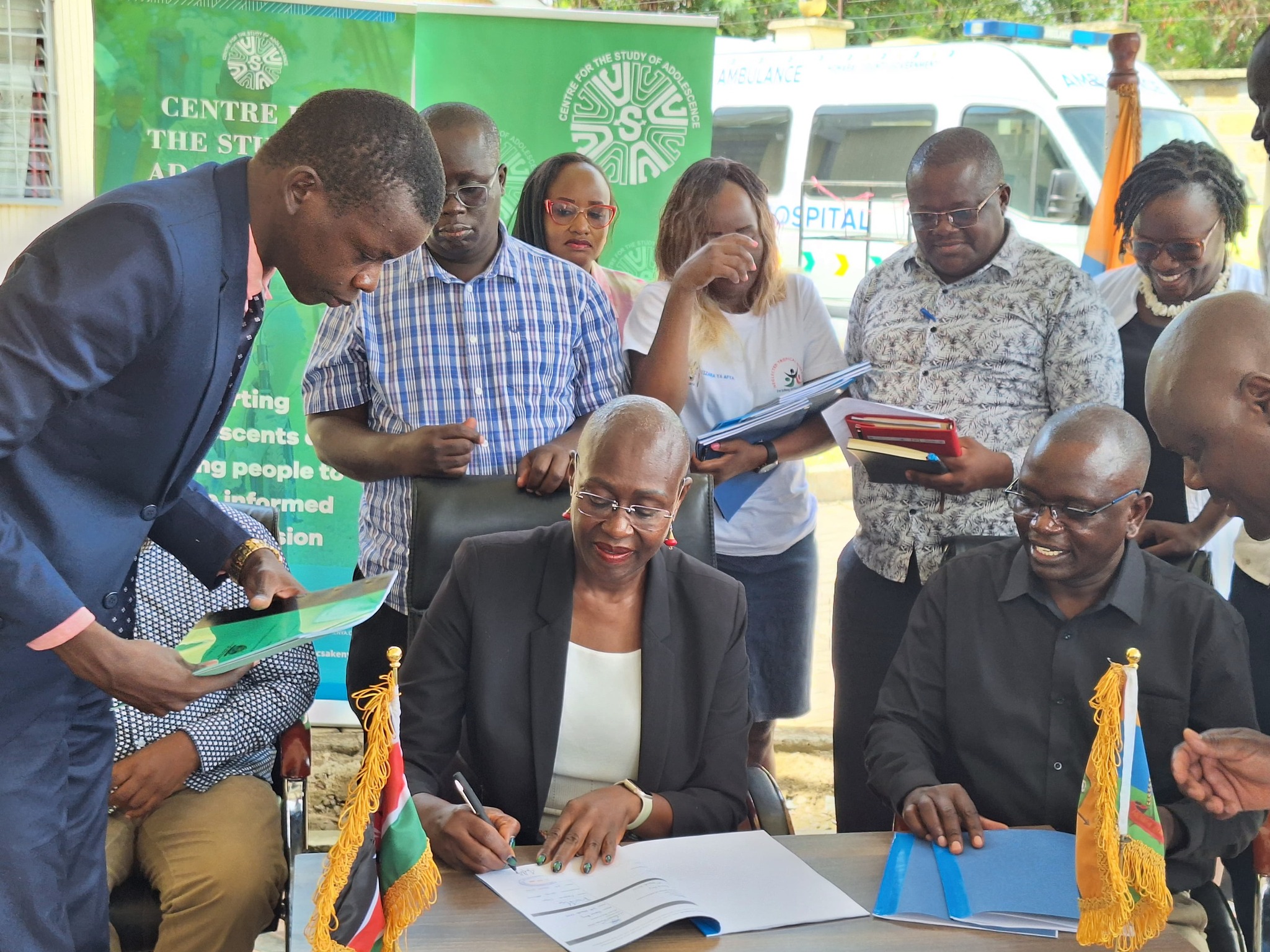
As part of the symposium anniversary documentation, CSA, and county government officials including key implementing partners signed a Memorandum of Understanding (MoU) aimed at strengthening healthcare service delivery in the counties.
The central objectives of the MoU are to improve healthcare programs, increase resources, and ensure that high-quality services are accessible to all, with a special focus on adolescents and young people.
The partnership is a strategic effort to address gaps and strengthen healthcare delivery for vulnerable and specific demographic groups in Kenya. It is a Call-to-Action Declaration 2030, to be adhered to across the country, guiding future policies under the upcoming Adolescent Health Strategy (2025–2030).
Beyond policy discussions, testimonies from the grassroots illustrated the impact of CSA’s work in various counties.

Key Achievements within Timeline: 1988–2025
According to Prof. Khama Rogo, the founder of CSA, it was established in Nairobi to research and address challenges facing adolescents, combining scientific evidence with advocacy for youth-friendly policies.
1990s – Pioneering Adolescent Health Research
CSA conducted groundbreaking studies on adolescent sexuality, HIV/AIDS, and school retention, shaping early national adolescent health discussions.
2000–2010 – Expanding Policy and Community Engagement
The organization supported the rollout of Youth-Friendly Health Services (YFHS) and influenced the National Adolescent Sexual and Reproductive Health Policy (2003).
It is often referred to as the Adolescent Reproductive Health and Development (ARHD)2003 Policy. It is Kenya’s first policy to specifically address the reproductive health and overall development needs of adolescents.
The policy emphasizes the need for a multi-sectoral collaboration approach, involving various stakeholders such as families, communities, educational institutions, and healthcare providers to create a supportive environment.
2010–2020 – Scaling Impact Nationwide
CSA expanded its reach through county-level youth programs, digital advocacy, and school-based health education, empowering thousands of adolescents in Nairobi, Kisumu, Mombasa, and Siaya. Today more counties have been reached out.
2020–2025 – Innovation and Inclusion
Through digital SRHR platforms, peer educators, and projects like SHE SOARS 2022-2029, CSA continues to reach marginalized and out-of-school adolescent girls consistently left out in programming. It helps in ensuring inclusivity, addressing root causes of gender-based inequalities particularly girls to increase decision-making about their lives and bodies and resilience to health services in programming.
Prof. Rogo who has since retired from active CSA programs, is a happy man seeing his brainchild founding vision grown in leaps and bounds to almost every county in Kenya. It is a dream turned into reality.
“You must first clearly define your dream and then create a concrete action plan with; specific, measurable, achievable, relevant, and time-bound goals. The process involves moving from a vague idea to a tangible goal through consistent action,” Prof. Rogo advised.
Prof. Rogo is now challenging youth not to fear anything as long as they are right and within the law to keep pushing for rights. He affirmed with consistent action, commitment and positive mindset, anything is possible under the sun.
Highlighting the growing role of innovation and technology in shaping the future of youth empowerment and healthcare, Prof. Rogo urged young people to harness their creativity and confidence to stay relevant in a fast-evolving world.
“Cultivate a positive mindset and belief in your ability to succeed. Technology is running ahead in leaps and bounds, yet youth have technological skills and innovations to compete with advancement of high-tech in modern society of healthcare,” Prof. Rogo encouraged.
He advised young people to seize emerging opportunities in the digital age, saying, “In this new era, young people are marketable in the world of digital technology. Remain focused, stand out for your rights, and be fearless in taking challenges because the future belongs to the young people.”
Youth Fundamental in Advancing SRHR
On the other hand, Kristine Himmelstrup, Advisor to Danish Family Planning Association (DFPA), said the era of excluding youth from policy forums is long gone. Young people are emerging as central voices in shaping SRHR policies, with experts urging their full inclusion in decision-making and program design.
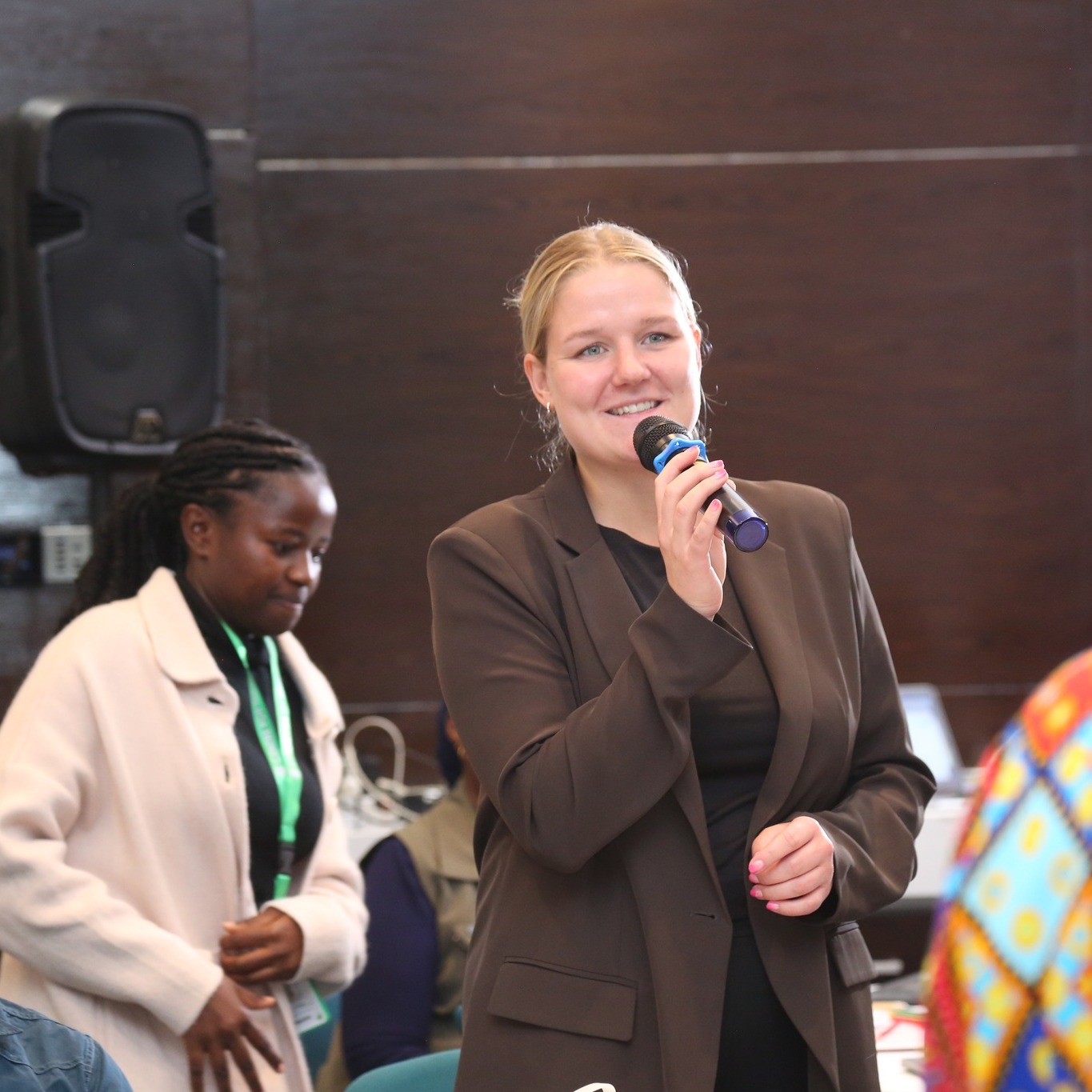
“Young people have become assets in policy discussions, and their voices are now recognized as essential expertise,” Kristine Himmelstrup, DFPA Advisor said.
Humphres Evelia, CSA Executive Director, commended youth for leading SRHR advocacy, noting that the organization’s Horizon37 legacy reflects what is possible when young people are empowered to lead.
“Our story is one of partnership and progress,” Evelia, stated.
The new strategic plan will promote youth-led innovation and strengthen collaboration with county governments. He lauded the youth for championing their SRHR, noting that CSA’s Horizon37 legacy demonstrates what can be achieved when young people are empowered to lead.
“Our story is one of partnership and progress,” Evelia said, pledging that CSA’s new strategy will prioritize youth-led innovation and stronger collaboration with county governments and development partners.
Rosemary Muganda, CSA Board Chairperson, reflected on the organization’s early beginnings, recalling that it was founded after a tragic case of a 12-year-old girl giving birth at Kenyatta Hospital—an event that inspired Kenya’s first Adolescent Health Policy.
“Young people are not waiting for permission to lead,” Muganda said.
She urged young people to seize leadership opportunities and thanked partners including the Government of Kenya, UNFPA, Hivos, and RFSU for supporting adolescent health and rights.
The discussions align with Kenya’s Youth Development Policy (2019) and Vision 2030, both emphasizing meaningful youth participation in national development and health governance. Stakeholders say empowering young people to co-create SRHR solutions is essential to achieving universal health coverage (UHC)and ensuring that no one is left behind.