|
Getting your Trinity Audio player ready...
|
By Juliet Akoth
Nairobi, Kenya:African women are responsible for up to 80% of the continent’s food production, according to the Food and Agriculture Organization (FAO). Yet, when it comes to shaping the stories and policies that define Africa’s response to climate change, their voices are often left out.
A chapter on gender and climate-smart agriculture in Africa in the 2021 Gender, Climate Change and Livelihoods: Vulnerabilities and Adaptations by CABI found that women’s perspectives remain underrepresented in both news coverage and policy dialogues, even as they are among the most affected by climate shocks and food insecurity.
Young people, too, are frequently sidelined in climate and agriculture reporting, despite being both the future of African farming and among those most vulnerable to environmental change.
These issues were at the heart of a lively session at the recent International Federation of Agricultural Journalists (IFAJ) Congress which ran from October 15-18th in Nairobi. Journalists, researchers, and media leaders from across the globe gathered to discuss why women and youth are so often left out of the stories that shape the continent’s future and what can be done to change that.
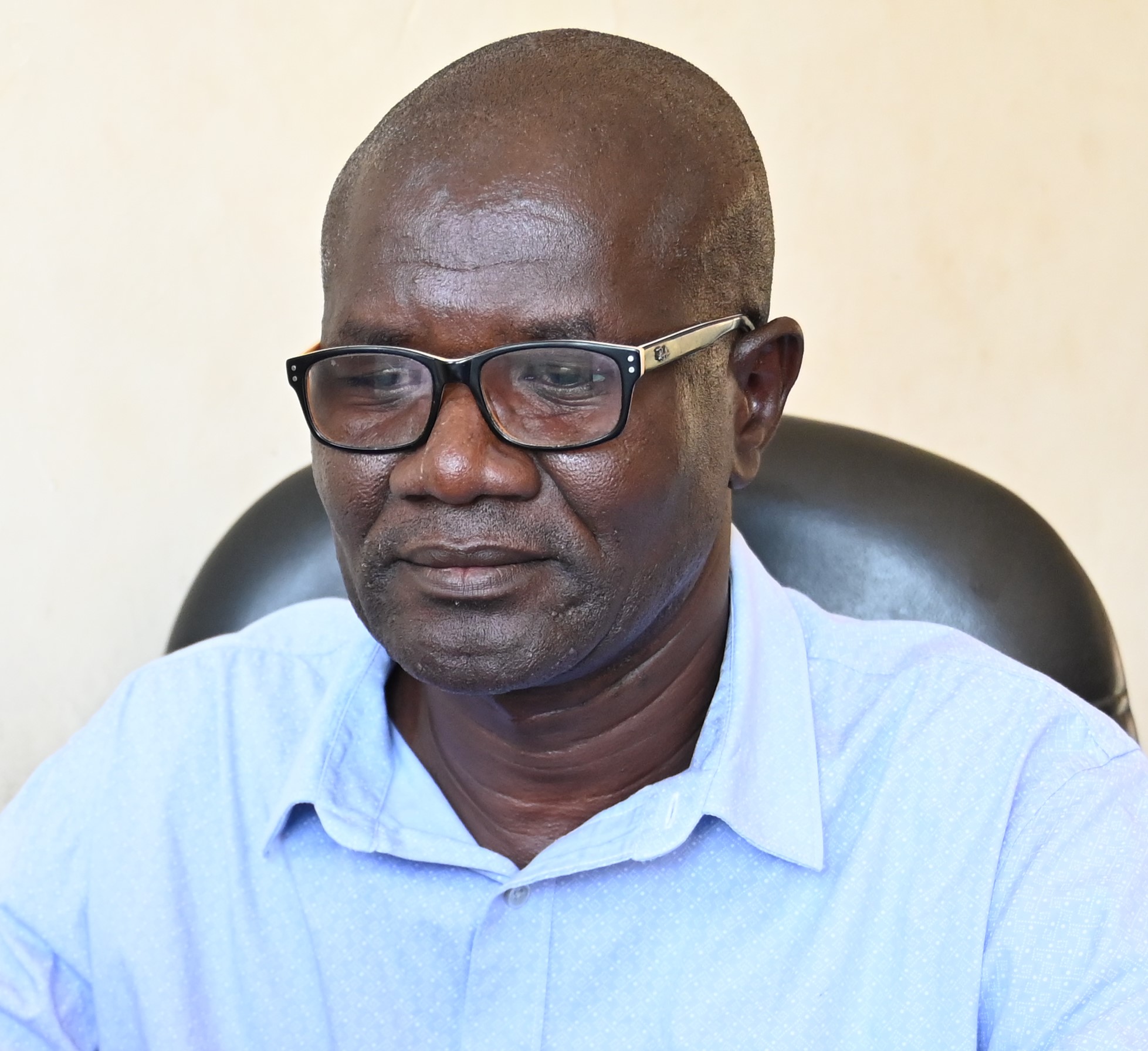
Dr. Osir Otteng, a communications scholar and lecturer at Maseno University, told the session, “Climate change is not gender neutral. It does not affect us equally.” He pointed out that women dominate small-scale agriculture in Africa, making them especially susceptible to droughts, floods, and shifting weather patterns.
“If we look at women as forming 60% of those engaged in agriculture in Africa, especially at small-scale level, we find women bear the brunt of impacts which amplify existing gender inequality and cause weakness to their livelihood and health,” he explained.
But the problem goes deeper than who is affected. It’s also about how their stories are told. Dr. Otteng noted that media coverage often frames women as passive victims, rather than as experts or agents of change.
“There is a tendency to highlight women’s struggles but rarely their resilience or expertise,” he said. This narrative gap means that the solutions, knowledge, and leadership women and youth bring to climate adaptation are often overlooked.
Barriers and Realities in the Field
The session also heard from Sharon Atieno, a science journalist and project officer for the Action Research to Enhance Effective Coverage of Climate Change Issues in Africa (ARECCCA) project.
She explained that ARECCCA, a partnership between Media for Environment, Science, Health and Agriculture (MESHA) and the International Development Research Centre (IDRC), aims to bridge these gaps by equipping journalists with the tools and knowledge to tell more inclusive and impactful stories about climate change, agriculture, and the people most affected.
Unlike traditional research, which often extracts information from communities and leaves them out of the process, action research is participatory and collaborative. “Action research is not just about gathering data or publishing reports,” Atieno said.
“It’s about building relationships and learning together. Everyone involved, including journalists, scientists, and community members, becomes a partner in the process.”
In practice, this means that journalists do not simply report on communities; they work alongside them, as well as with scientists and policymakers, to identify challenges, co-create solutions, and ensure that the knowledge generated is relevant and accessible to those who need it most.
Atieno also shared the practical challenges of including more women’s voices in stories. She often finds that women are less available for interviews or prefer to respond in writing, which can slow down the reporting process, while male sources tend to be more readily available.
“Sometimes, I want to include more women’s voices, but it’s not always easy,” she admitted.
This added that she believes that this challenge is not just logistical, but a reflection of deeper social dynamics that shape whose voices are heard and whose are left out.
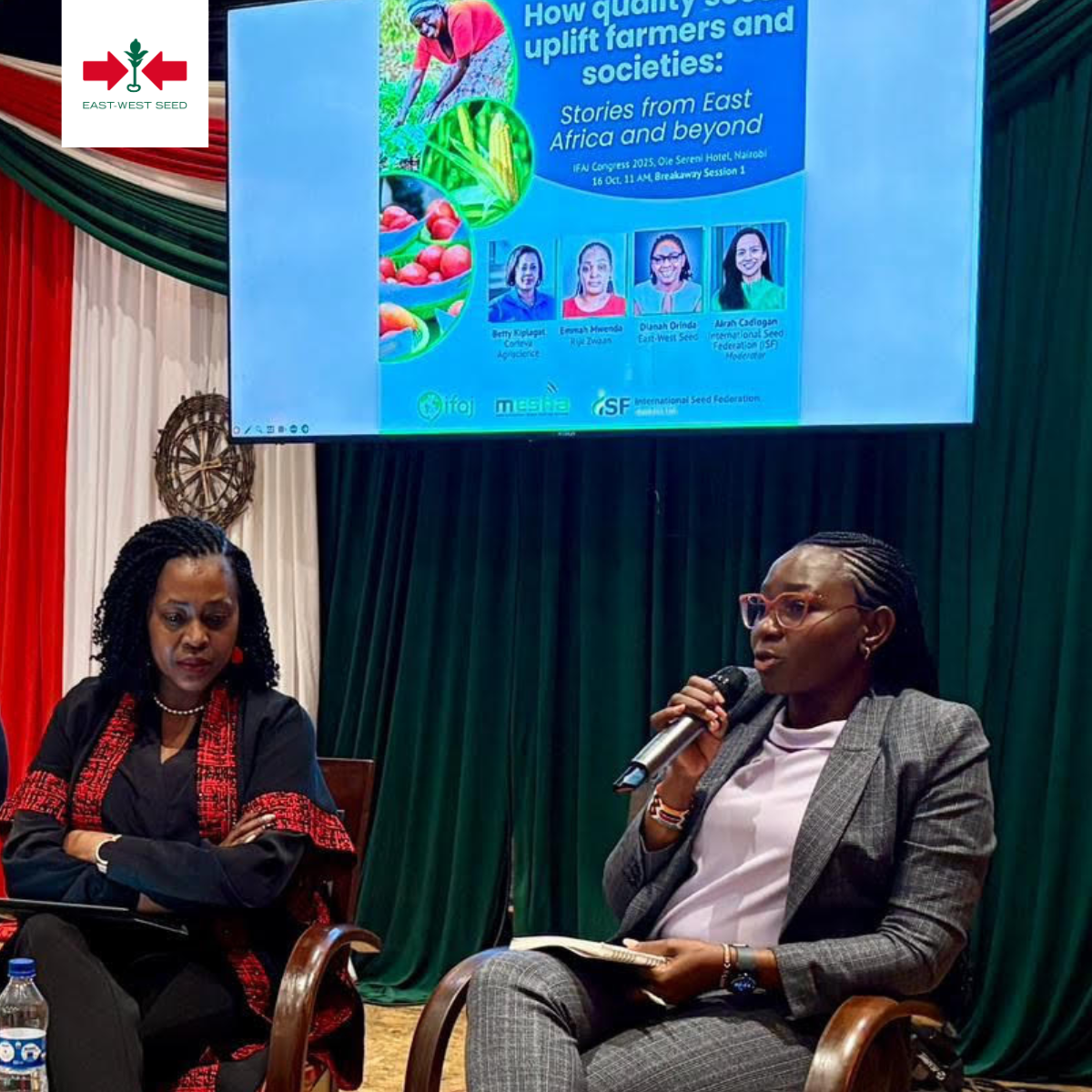 On the other hand, Rachel Kibui, a seasoned journalist at Nation Media Group and communications consultant, added that limited resources, language barriers, and editorial priorities often make it difficult for journalists to bring climate stories to the forefront.
Sometimes, journalists must fund their own reporting trips, only to return and find their stories overshadowed by politics or sports in the headlines. She also stressed the importance of local language reporting to ensure that vital information reaches the communities most affected by climate change, not just urban audiences.
“Sometimes, the stories we tell are about more than just droughts or floods,” Kibui said.
Adding “They are about families, about women who risk their lives fetching water, about young people trying to find hope in a changing climate. The African climate change story is not just a scientific story. It’s also a human story.”
Towards More Inclusive Climate Journalism
Despite these obstacles, solutions are emerging. Kibui advocated for more training, mentorship, and collaboration between journalists and scientists, as well as greater support for local language reporting.
She encouraged newsrooms to allocate budgets for climate stories and urged journalists to leverage new technologies and social media to amplify their work.
“There’s no time for any climate journalist to rest. It is time to upgrade, to build resilience, to bring in more journalists into this field so that we all can overcome,” she said.
The ARECCCA project is working to build this capacity through workshops, peer learning, and partnerships that bring together journalists from across the region.
The project encourages journalists to use an intersectional lens, looking at how climate change affects different groups of women and men, and to seek out indigenous and local knowledge as well as scientific expertise.
By making space for women, youth, and marginalized communities, ARECCCA hopes to redefine what it means to tell Africa’s climate and agriculture stories.
As the session at the IFAJ Congress made clear, the future of climate journalism in Africa depends on this kind of inclusive, participatory approach. “We need to involve women and youth not just as subjects of stories, but as partners in creating knowledge and finding solutions,” Dr. Otteng said.
“Journalists should not rely solely on official sources but should seek out and amplify the voices of those who are living with the impacts of climate change every day” he said.
By moving beyond the margins and embracing a more inclusive approach, African climate journalism can become a powerful force for change—one story at a time.