|
Getting your Trinity Audio player ready...
|
By Njeri Murigi
Nairobi, Kenya: For Jane Wambui, a 35-year-old resident of Nairobi’s densely populated Dandora estate, returning home from work is a trial by heat. “Every time I step into my house, I usually leave the door open for a while to let the heat out,” she says. Her one-room iron sheet house absorbs the sun’s intensity, transforming into an oven by midday. “By the time I return from work, it feels like I’m walking into a furnace.” The oppressive temperatures have taken a toll on her family. Her two children struggle to sleep at night, and on the hottest days, they are forced to sleep on the floor in a desperate search for relief. “I cannot afford to buy a fan or air conditioning,” Jane reveals, highlighting a common plight for many.
This phenomenon is not unique to Dandora. Across Kenya’s urban landscapes, temperatures are soaring higher than in surrounding rural areas. The reason lies in the abundance of concrete, asphalt, and buildings that absorb and retain heat, creating what experts call the “urban heat island effect.” According to Nickson Otieno, founder of Niko Green, this is a growing crisis. “Because of climate change and rapid urbanization, if nothing is done, urban temperatures will continue to rise,” he warns. People will be forced to rely on energy-intensive cooling technologies or face serious health consequences.
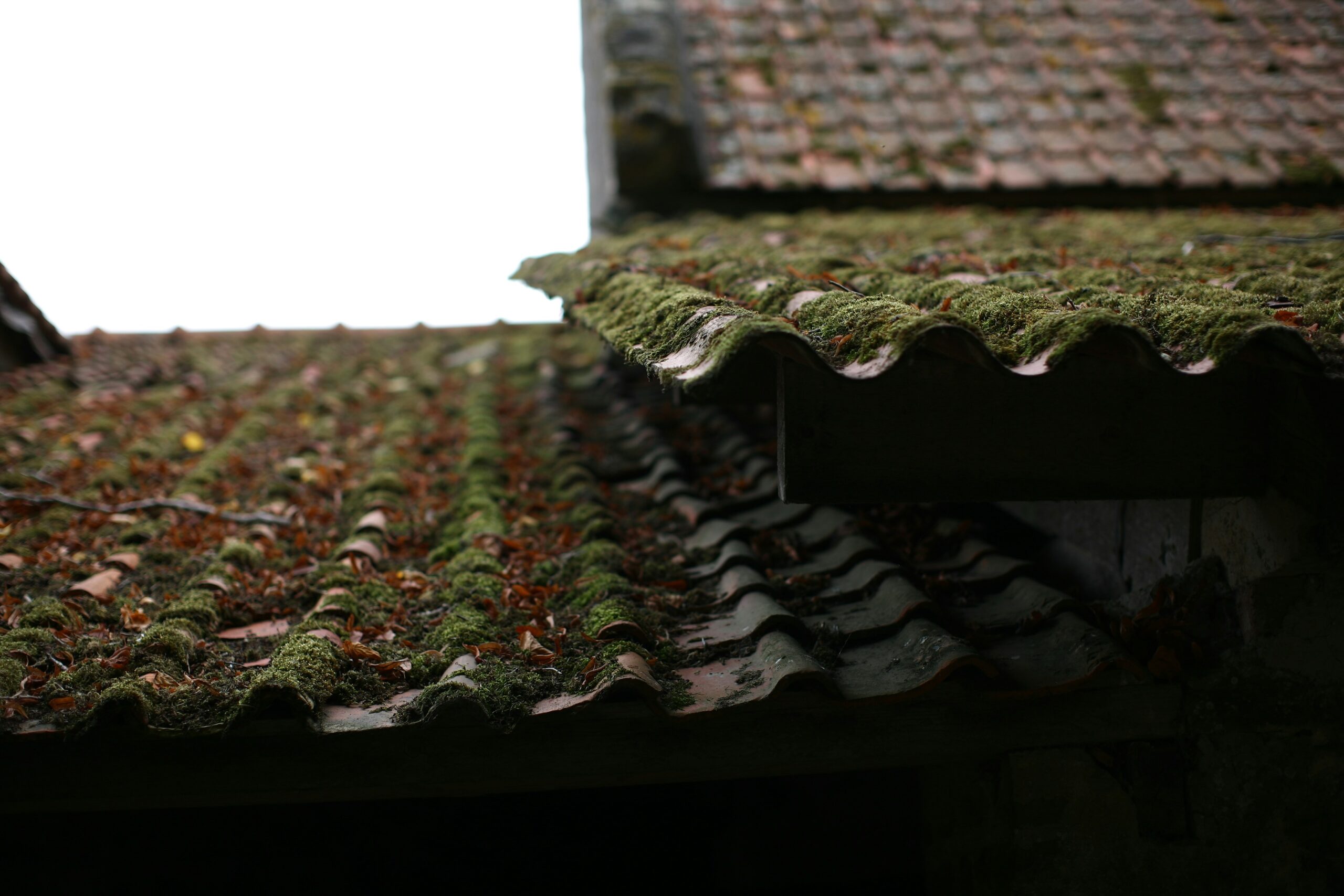
However, a modern twist on an ancient practice is emerging as a powerful solution: the green roof. Roy M. Githaiga, a built environment and sustainability expert, explains that a green roof is a system where vegetation is grown over a roofing structure. A typical setup consists of multiple layers—including waterproofing, a root barrier, drainage, soil, and plants—that work together to provide insulation, absorb rainwater, enhance air quality, and create a habitat for wildlife.
In the Kenyan context, green roofs can be seen as an evolution of traditional architecture, which historically used natural materials like thatch and clay to harmonize with the environment. This modern adaptation maintains that vital connection between building and nature, reflecting cultural values of sustainability.
Peter Muriithi from Ngong Town is a testament to its effectiveness. Before discovering the concept online, he relied on expensive cooling technologies to manage the sweltering heat in his five-bedroom, flat-roofed house. “It is now two years since I installed a green roof and I cannot regret it,” he says. “I no longer use cooling technologies, and I’ve noticed a significant difference in the temperature inside my house. The once unbearable heat is now manageable, even on the hottest days.”
Muriithi is part of a small but growing trend. The Architectural Association of Kenya (AAK) estimates there are nearly 200 buildings with green roofs in the country, including apartments, offices, and hotels, with about 30 more under construction in East Africa.
The cooling mechanism is a natural process. Otieno explains that the vegetation acts as a self-regulating system. “When it is too hot, a green roof releases water vapors through evapotranspiration. When it is cold, the dormant vegetation flattens its roots and stems close to the roof to expand the surface volume exposed to the sun, thus keeping the building warmer.”
The benefits extend beyond personal comfort. Louis Kariuki, the Impact Lead with the Kenya Green Building Society, points out that green roofs can alleviate pressure on urban drainage systems by capturing and slowly draining rainfall, reducing stormwater runoff. This makes them a feasible Sustainable Drainage System for dense urban developments.
Despite the advantages, adoption faces significant hurdles. Githaiga notes that green roofs are currently limited to niche, affluent developments in areas like Karen and Runda, seen in high-end buildings like GTC and the Swiss Embassy. Barriers include high initial costs, a lack of awareness about long-term benefits, ongoing maintenance requirements, structural limitations of existing buildings, and limited local expertise.

Critically, a supportive policy framework is absent. A study by Nairobi University found that existing urban policies neither promote nor discourage green roofs, leaving early adopters to navigate the process alone.
To increase adoption, Kariuki suggests robust education campaigns, innovation in modular and DIY green roof kits, and government incentives like tax breaks. Otieno is optimistic, noting the rising popularity of flat roofs, which are structurally ideal for green solutions, combined with growing eco-consciousness.
For those worried their sloped roof is unsuitable, Kariuki clarifies that green roofs can be integrated into existing buildings with adequate structural support, though it may be more complex than a new build.
Adopters like Peter Muriithi also note trade-offs, such as reduced rainwater harvesting since the plants absorb much of the rain. He is exploring ways to balance both systems. Plant selection can also be a challenge, with succulents, grasses, and wildflowers being the most suitable varieties according to research.
In conclusion, experts like Githaiga argue that embracing green roofs is not just an environmental imperative but a cultural one. By integrating this solution into modern designs, Kenyans can draw upon the wisdom of traditional architecture, creating homes that are not only cooler and more sustainable but also in greater harmony with the natural world.