
|
Getting your Trinity Audio player ready...
|
By Winnie Kamau
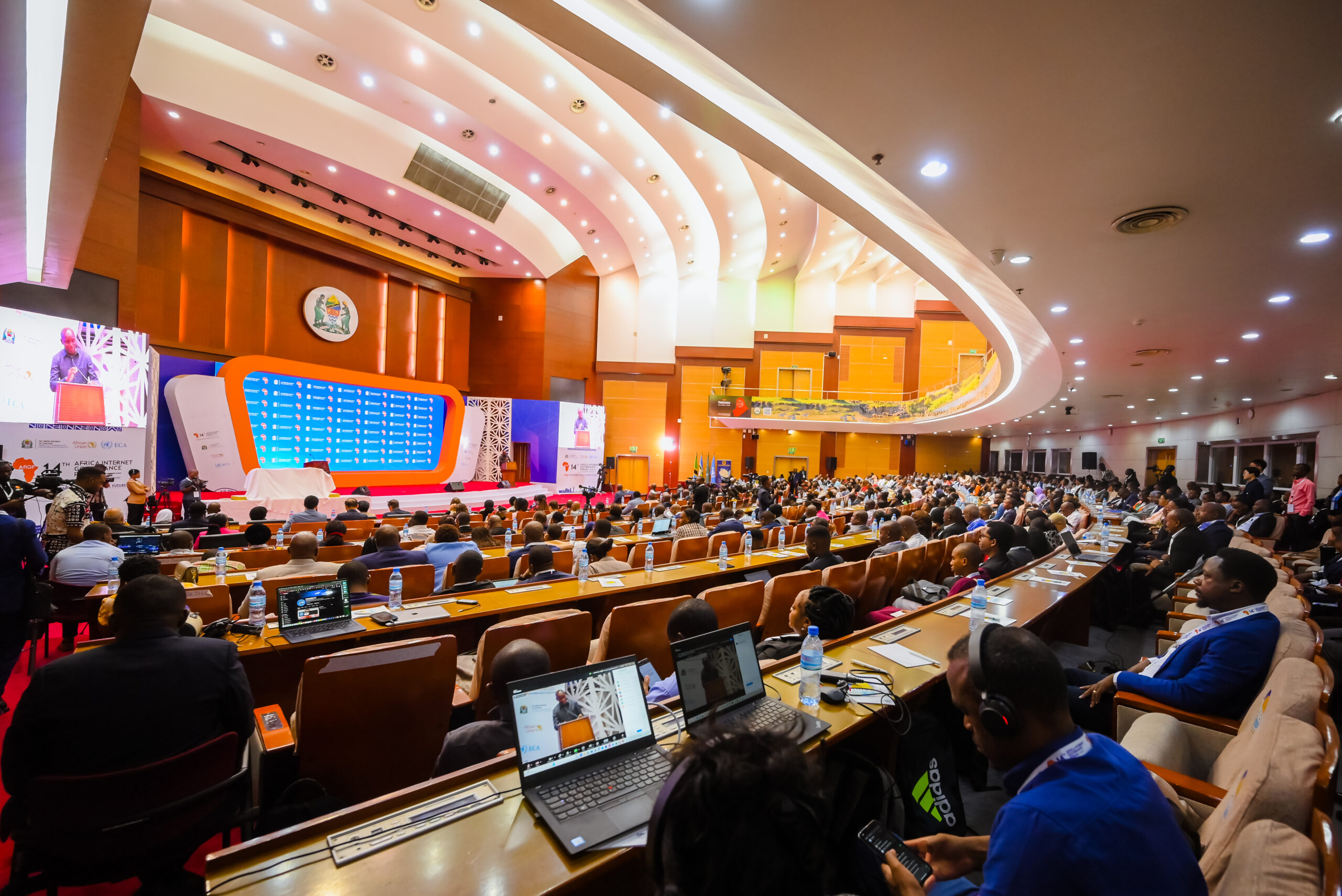
Dar es Salaam, Tanzania: Delegates from across Africa gathered in Dar es Salaam for the 14th Africa Internet Governance Forum (AfIGF 2025). The city was alive with activity as the forum commenced with Day zero the heart of the Youth Day and the Parliamentarians discussing the future of Internet Governance under the theme Empowering Africa’s Digital Future.
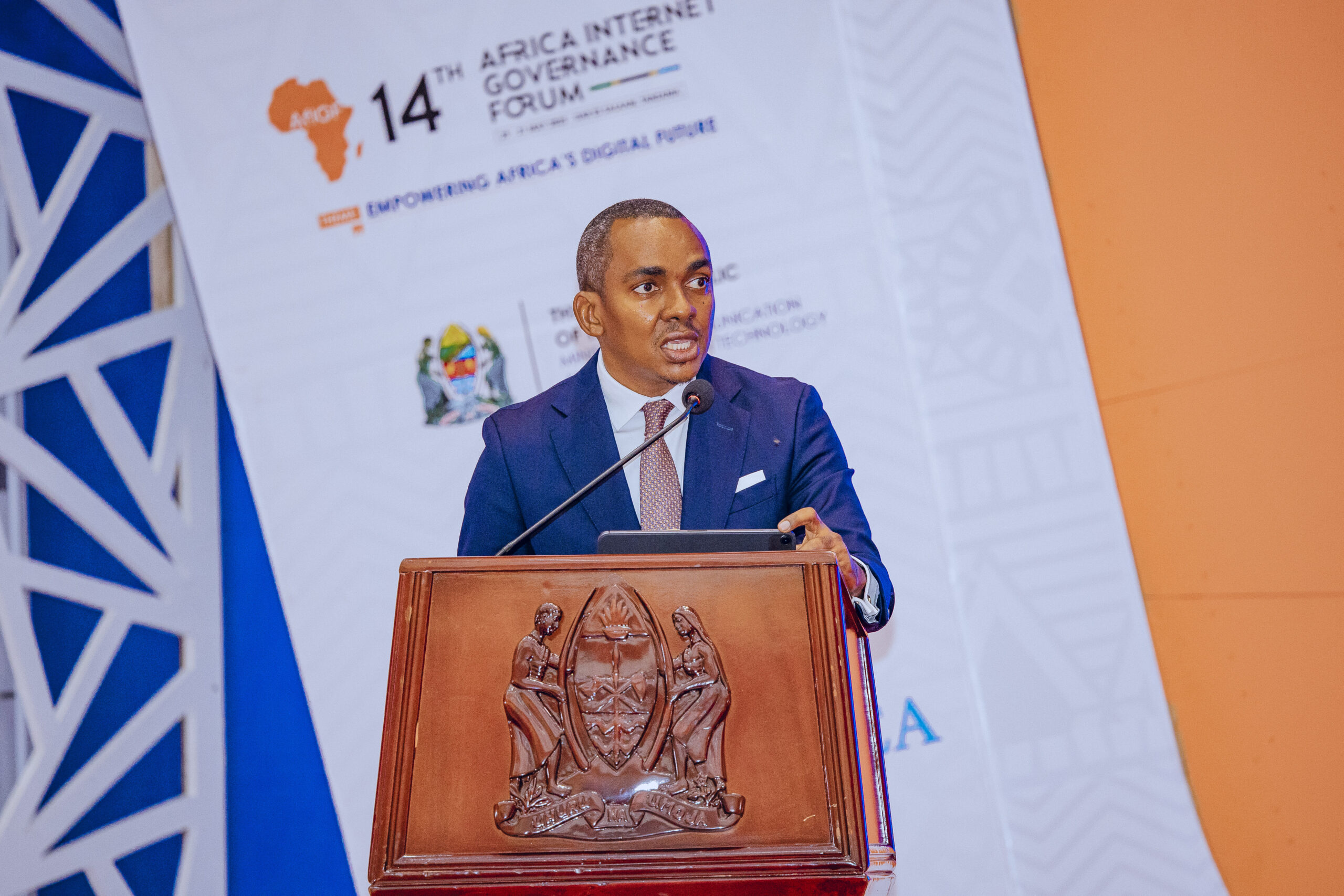
The forum was graced by H.E. Jerry William Silaa, Tanzania’s Minister of Communication and Information Technology, delivered a powerful keynote address, echoing President Samia Suluhu Hassan’s commitment to a digitally transformed Tanzania. He spoke of the Digital Economy Strategy 2024, Jamii Namba, Jamii Malipo, and Jamii Exchange, painting a picture of a nation embracing its digital destiny.
“The Government of the United Republic of Tanzania continues to make progress in implementing WSIS and the 2030 Sustainable Development goals. We aim to enhance ICT use to stimulate the growth of the digital economy and improve citizens’ lives across urban and rural areas. Digital transformation lays the foundation for a digital, inclusive economy powered by ICT, with all sectors working in synergy through robust digital systems” said Silaa.
Millennium Anthony, the youth representative and the Coordinator of Youth IGF Tanzania, echoed the powerful voice of you on the internet in the opening of the conference.
“We are not the leaders of tomorrow—we are the co-leaders of today. Young people are building the ideas and solutions that will shape Africa’s next 50 years. To succeed, we need access to technology, comprehensive skills development, and a seat at the table—not just as beneficiaries, but as decision-makers and leaders of change” she said.
Dr. Mactar Seck from UNECA celebrated Africa’s digital leaps—from 2.1% internet connectivity in 2005 to 38% today, and a staggering $1.1 trillion in mobile money transactions. Yet, he also highlighted the stark reality: 62% of Africans remained offline, and African languages barely registered in online content.
“Digital transformation must be equitable, resilient, and locally grounded,” he urged, emphasizing investment in infrastructure, skills, local content, and cybersecurity.
Ambassador Christine Grau of the European Union reaffirmed their commitment through the Global Gateway Initiative, investing in Africa’s digital infrastructure and underscored the vital role of multi-stakeholder collaboration and African digital sovereignty.
“We stand together to support open, secure, and human-rights-based digital spaces. Through the Global Gateway Initiative, the EU is investing in Africa’s digital infrastructure—from fiber to satellites—to ensure no one is left behind” she said.
The ICT Minister also noted the importance of the infrastructure they had built over time “Tanzania has made significant progress in building ICT infrastructure, including a 13,820 km National ICT Broadband Backbone (NICTBB) connecting all regions and districts, and interlinking with Kenya, Uganda, Rwanda, Burundi, Zambia, Malawi, and Mozambique. We are now preparing to connect the Democratic Republic of Congo via Lake Tanganyika” he said.
Tanzania also mentioned their investment-friendly environment,leading to significant mobile broadband coverage like 3G services reaching 92% of the population, 4G reaching 91%, and 5G is available to 23%. The Minister also noted that Tanzania was a regional leader in fiber optic networks with over 27,000 km, 6 national data centers, 4 undersea cables, and 6 Internet Exchange Points (IXPs). We have also built 1,366 towers across 1,243 wards, covering 3,701 villages.
The three-day forum was a whirlwind of activity. Ministerial roundtables hummed with strategic discussions, while thematic workshops delved into the intricacies of cybersecurity, data governance, AI, and universal connectivity.
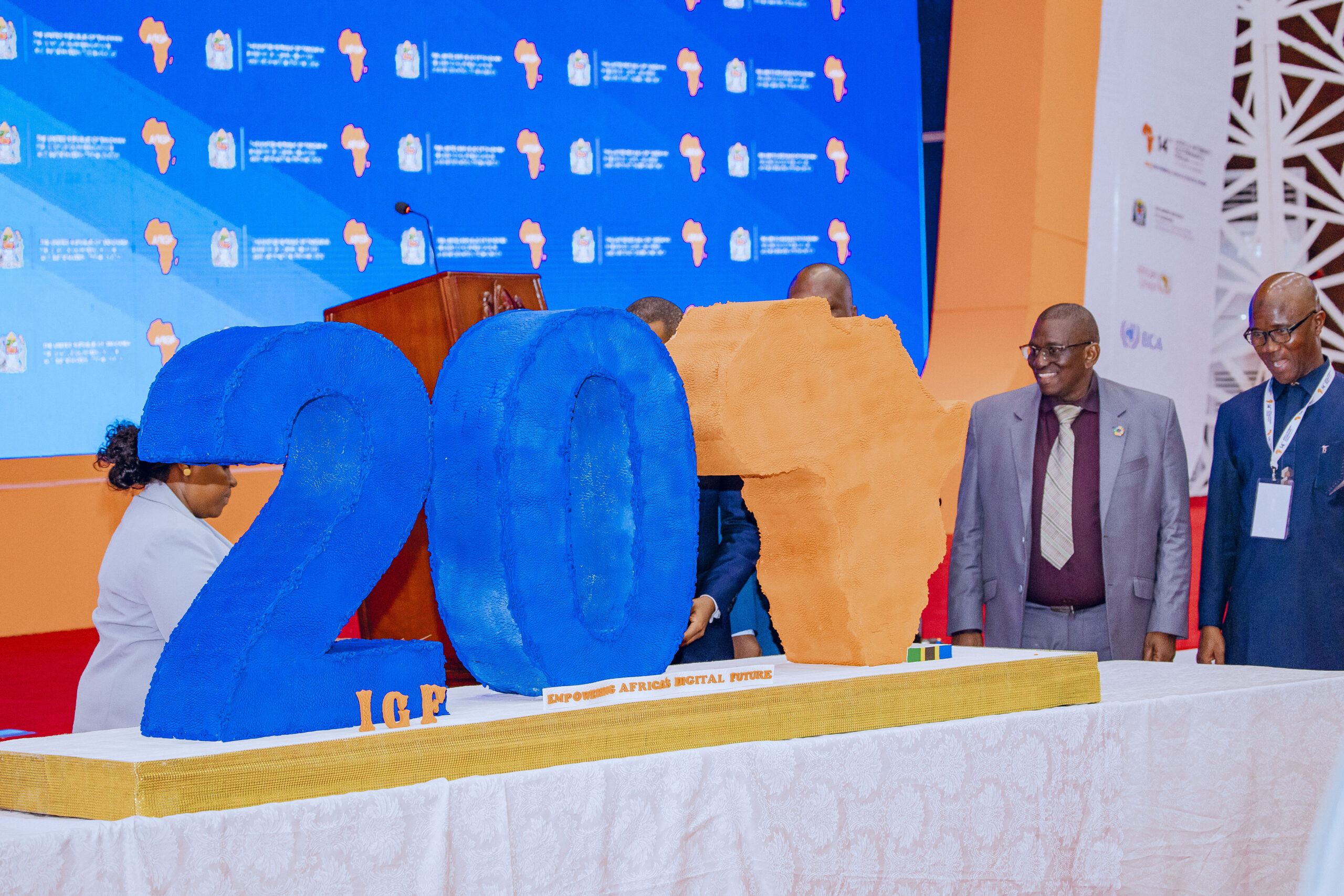
A significant highlight was the launch of the Tanzania AI Readiness Assessment Report, a timely guide as the nation finalized its National AI Strategy. The celebration of 20 years of the global IGF process imbued the proceedings with a sense of historical significance since its journey in Tunisia in 2005 following the Geneva meeitng in 2003 and future outlook of the WSISplus 20 Summit coming up in July.
On the final day, the Dar es Salaam Declaration was adopted, a powerful testament to Africa’s collective resolve to bridge the digital divide. The forum’s outcomes would serve as Africa’s consolidated contribution to the Global Internet Governance Forum in Lillestrøm, Norway, in June 2025, and would help shape the Global Digital Compact, ensuring that African perspectives were not just heard, but were at the very heart of global digital policymaking.