By Mercy Kachenge
Nairobi, Kenya: In a continent where innovation thrives despite economic constraints, AfriLabs is redefining how African startups grow, scale, and sustain themselves.
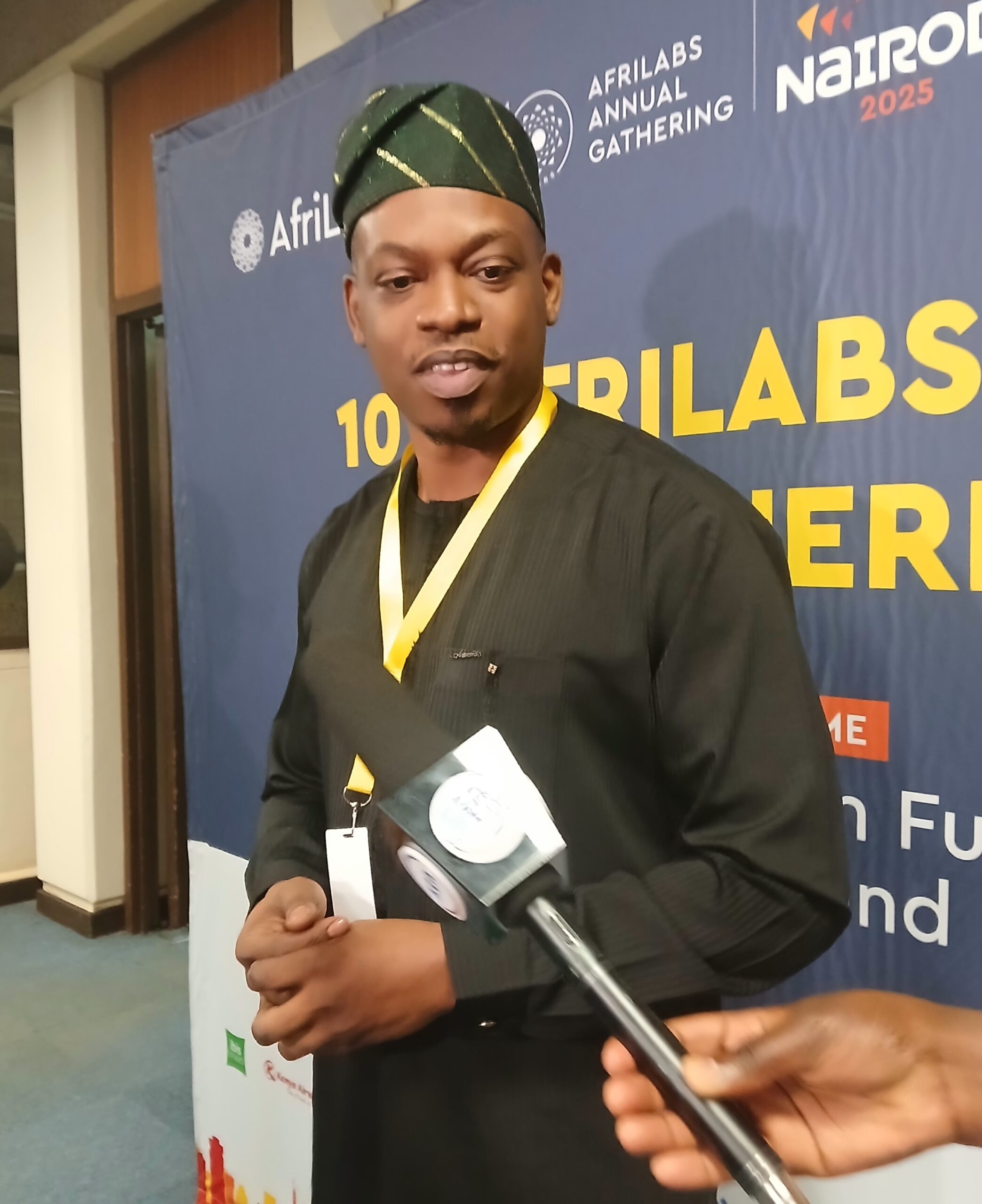
The organization’s Chief Operating Officer, Ajibola Odukoya, believes that the future of African innovation depends on Africans investing in their own.
For years, underfunding has remained a persistent challenge, especially following the decline in international donor funding. To bridge this gap, AfriLabs launched Catalytic Africa four years ago, a funding initiative designed to stimulate local investment in startups.
“If an African invests in a startup, we double their investment, and if they invest more than $20,000, we triple it,” Odukoya explains. The model aims to build confidence among local investors, de-risk investments, and ensure that African money fuels African innovation.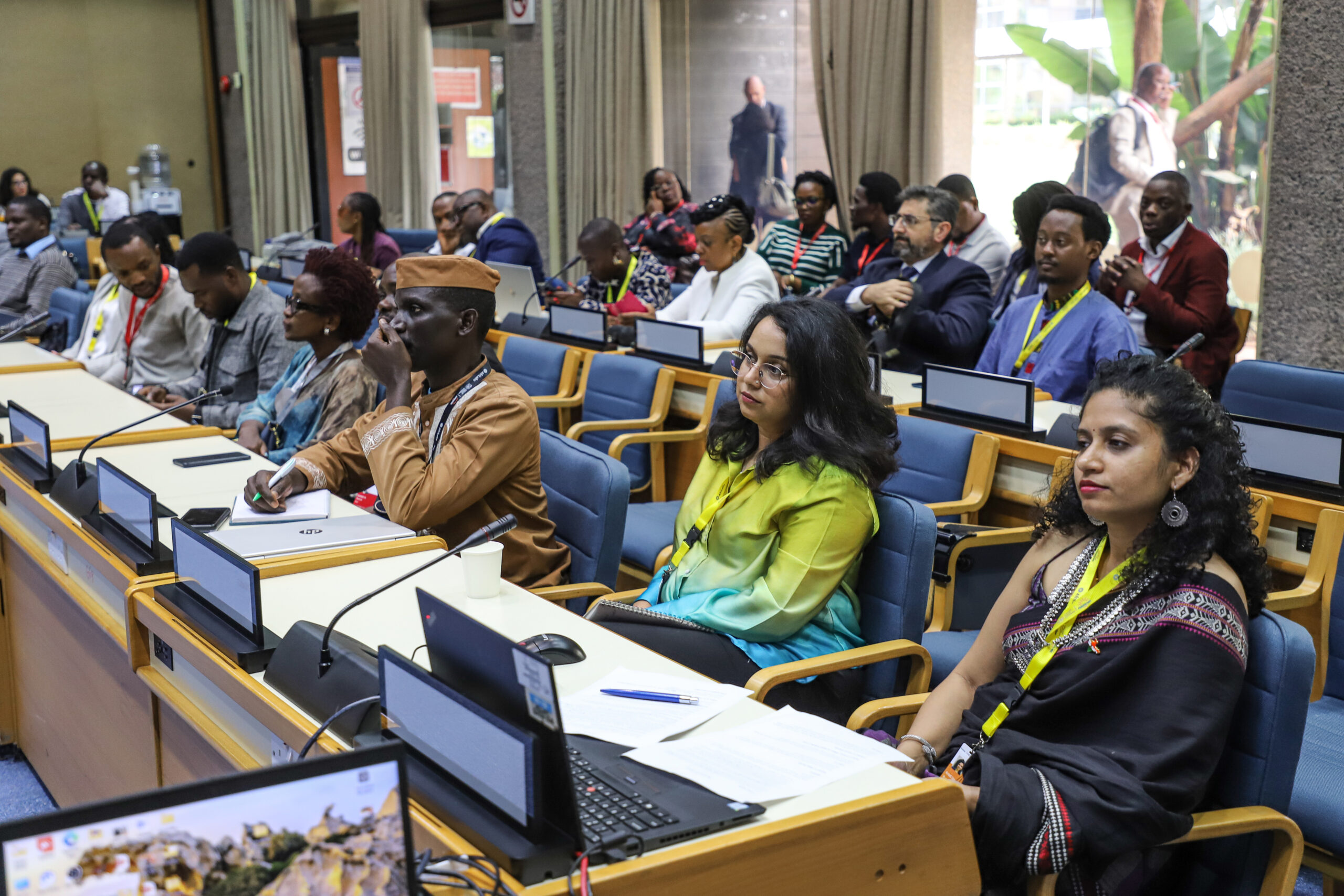
Beyond early-stage financing, AfriLabs has also established the Deal Room, a $2.5 billion platform that supports scale-ups, successful startups ready to expand across borders.
Through this initiative, the organization helps businesses raise between $500,000 and $20 million, enabling them to reach new markets and grow sustainably.
“It’s about celebrating African successes and giving them the capital they need to grow,” Odukoya notes.
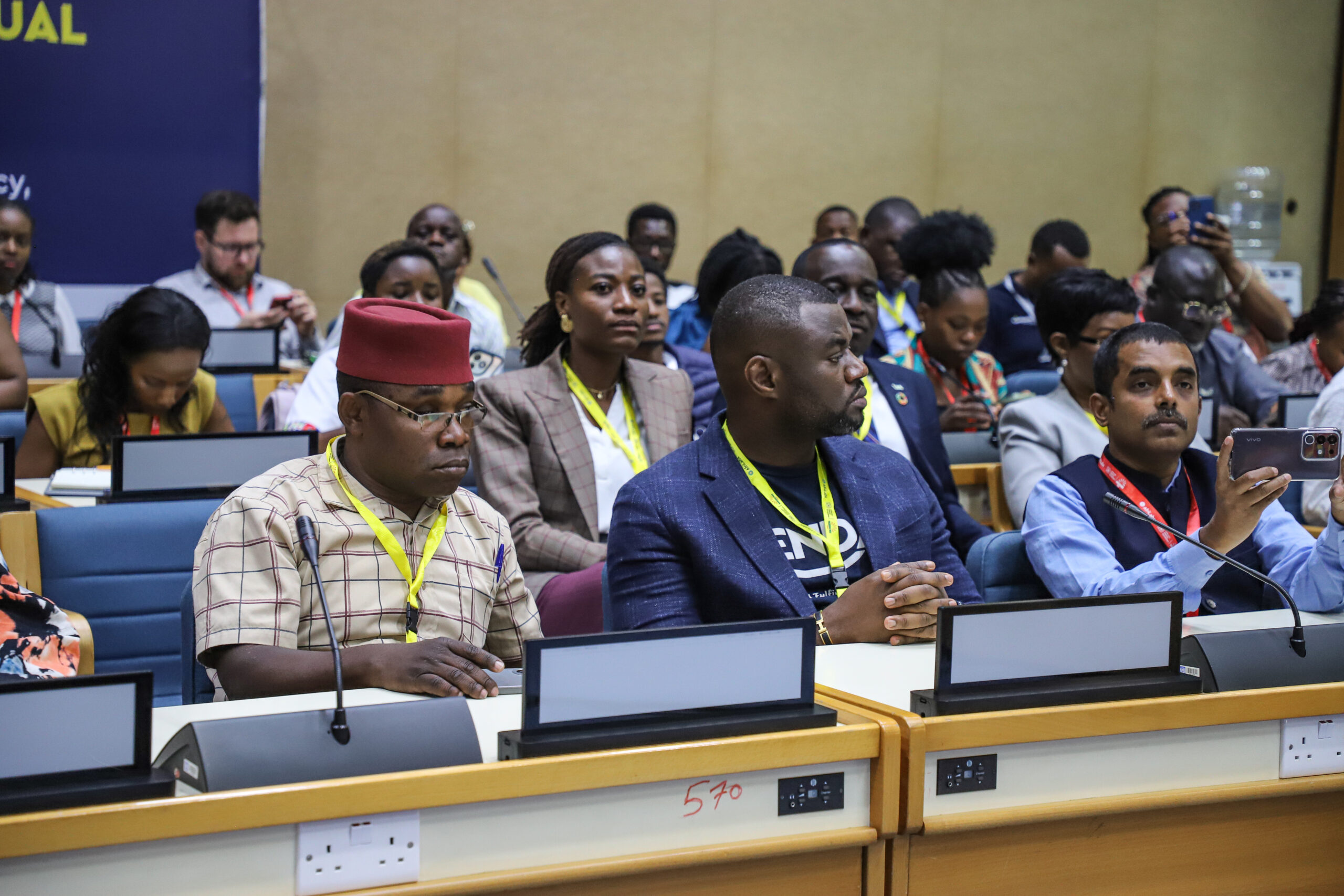
This year’s AfriLabs Annual Gathering the theme being Africa’s Innovation, Future: Policy, Partnerships and Progress resolve around “Policy, Partnerships, and Technology,” a framework that underscores the organization’s belief that collaboration, not competition, will drive the continent’s innovation future.
With 528 innovation hubs spread across 225 cities in 53 African countries, AfriLabs connects thousands of entrepreneurs, innovators, and investors. Yet, Odukoya acknowledges that physical gatherings once a year are not enough. To close that gap, AfriLabs developed AfriLabs Connect, a digital networking platform described as “Africa’s own version of LinkedIn.”
The platform, which launches its full version this week, enables innovators to connect, collaborate, and access opportunities from anywhere on the continent.
 “It puts AfriLabs as a service in your pocket,” Odukoya says. “You’re one click away from all the opportunities around Africa, finding talent, investors, events, or partnerships.”
AfriLabs’ influence extends beyond funding and digital platforms into shaping the very policies that govern Africa’s innovation ecosystem. The organization has collaborated with the United Nations Development Programme (UNDP) and the Timbuktoo initiative to help nine African countries, including Tunisia and Nigeria, develop and implement startup bills.
Through such partnerships, AfriLabs ensures that the voices of African youth and innovators are represented in policymaking.
“We make sure the African youth have a voice within the policy ecosystem,” Odukoya explains. “We also help governments understand how digitization can contribute to GDP growth and job creation.”
He further emphasizes the need for governments to create financial instruments tailored to digital enterprises, which often struggle under collateral-based lending systems.
“Most solutions now are digital-based. Governments need to create instruments that support that ecosystem,” he adds.
As artificial intelligence (AI) becomes central to global development, Odukoya believes that Africa must define its own path in using technology to address local challenges. “AI should be applied to both the future and the past,” he asserts.
“There are traditional practices we’ve used for thousands of years, if you add technology to them, you could have a unicorn in two or three years.” He points out that African innovators should digitize indigenous knowledge from traditional medicine to architecture and agriculture to preserve it for future generations and create contextually relevant solutions.
“Technology is trying to make everyone look the same,” he warns. “But we are Africans cultural, creative, and sustainable. Our AI should reflect that uniqueness.”
According to Odukoya, sustainability has always been at the heart of African traditions, long before it became a global development goal. He recalls how mud huts, for instance, are now being recognized by scientists for their natural cooling properties, a practice Africans have used for centuries.
“These are examples of sustainable innovation,” he says, “and we need to promote what we already know and use technology to accelerate it.”
For AfriLabs, the mission remains clear: to build an ecosystem where African startups rely less on aid and more on their own ingenuity and resources.
By bridging the gap between governments, investors, and innovators, the organization aims to create a thriving digital economy that reflects Africa’s unique strengths.
“We’re a nonprofit,” Odukoya concludes. “We’re not in competition with governments or anyone else. All we want is collaboration and to ensure Africa’s prosperity is key.”
AfriLabs demonstrates that Africa’s future hinges on innovation, resilience, and collective strength rather than dependence. This is evident in their work, from stimulating investments to digitizing indigenous knowledge.