|
Getting your Trinity Audio player ready...
|
By Mary Mwendwa
A groundbreaking global blueprint reveals a clear path to stop a silent parasitic infection from causing irreversible heart damage in millions by fixing the broken healthcare systems that fail to detect and treat it in time.
Nairobi, Kenya: Hiding in communities across Latin America and immigrant neighborhoods in the United States and Europe, a silent parasitic infection threatens the hearts of millions.
Chagas disease, caused by the Trypanosoma cruzi parasite, often lurks undetected for decades before causing sudden, catastrophic heart failure. For the estimated 7.5 to 10 million people living with this neglected disease, access to consistent, high-quality care has been a persistent challenge, fragmented by under-resourced health systems and a dire lack of awareness.
Now, a coalition of global health experts, led by the World Heart Federation, has unveiled a comprehensive new blueprint to transform this bleak landscape, offering a clear pathway to close the care gap and prevent unnecessary suffering and death.
The central tragedy of Chagas disease is its delayed devastation. Transmitted originally through the bite of the triatomine “kissing bug,” the infection can also pass from mother to child or through contaminated food. Most infected individuals feel perfectly healthy during an “indeterminate” phase that can last 30 years or more.
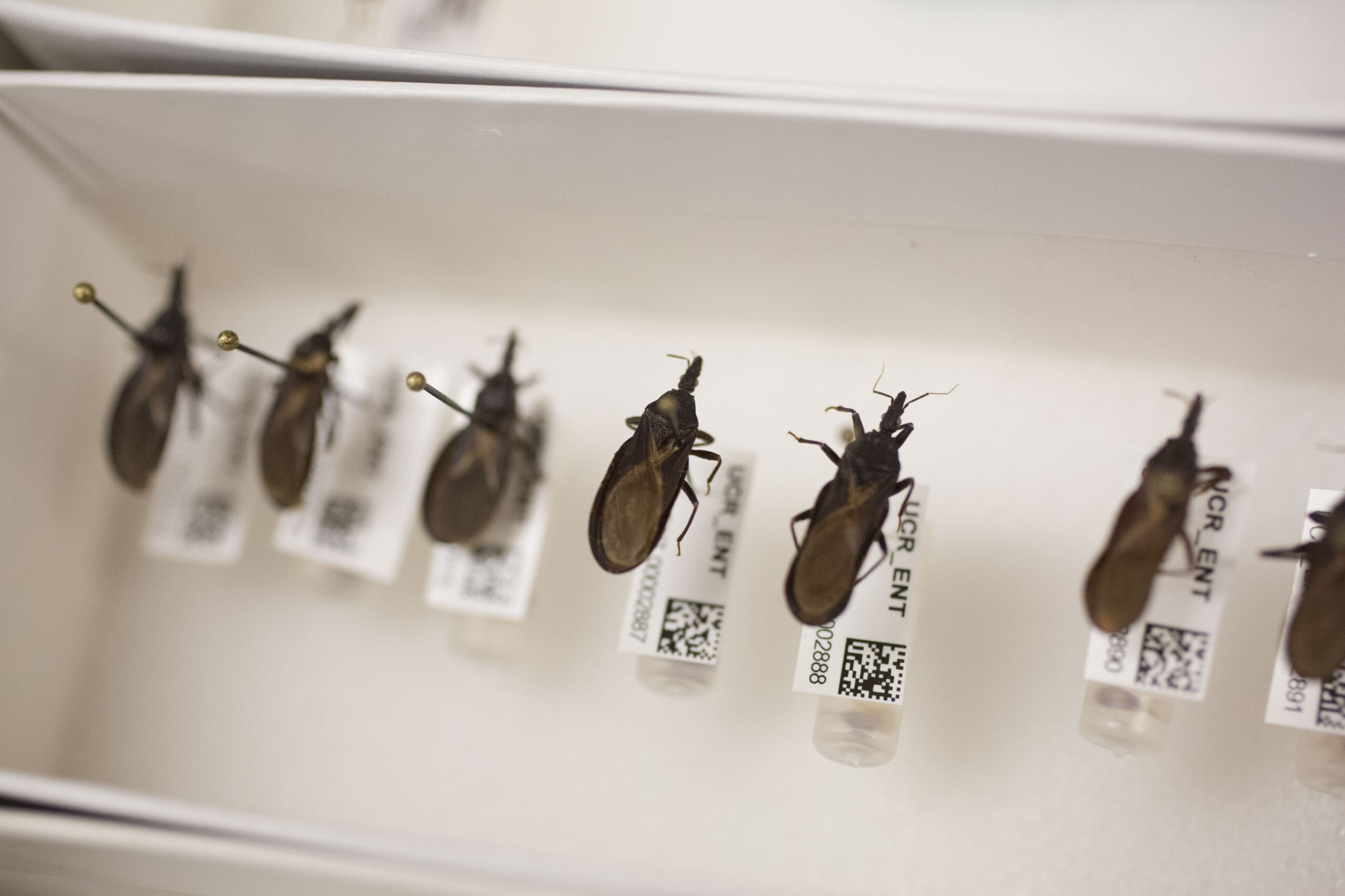
However, approximately one in three will eventually develop Chronic Chagas Cardiomyopathy (CCM), a severe and often fatal form of heart disease marked by dangerous arrhythmias, heart failure, and a high risk of stroke. “The earlier we intervene, the greater our chance of preventing this heart damage entirely,” explains Dr. Maria-Jesus Pinazo, a co-author of the new strategic framework. “Treating a child or a young adult with antiparasitic drugs can reduce the risk of ever developing heart complications by over 95%. Yet, the vast majority of people are never diagnosed in time to benefit.”
The newly published plan, detailed in the journal Global Heart, directly tackles the systemic failures that allow this to happen. Applying the revered Donabedian model—a healthcare quality framework assessing structure, process, and outcomes—the researchers mapped out the essential components of care across primary, secondary, and tertiary health system levels.

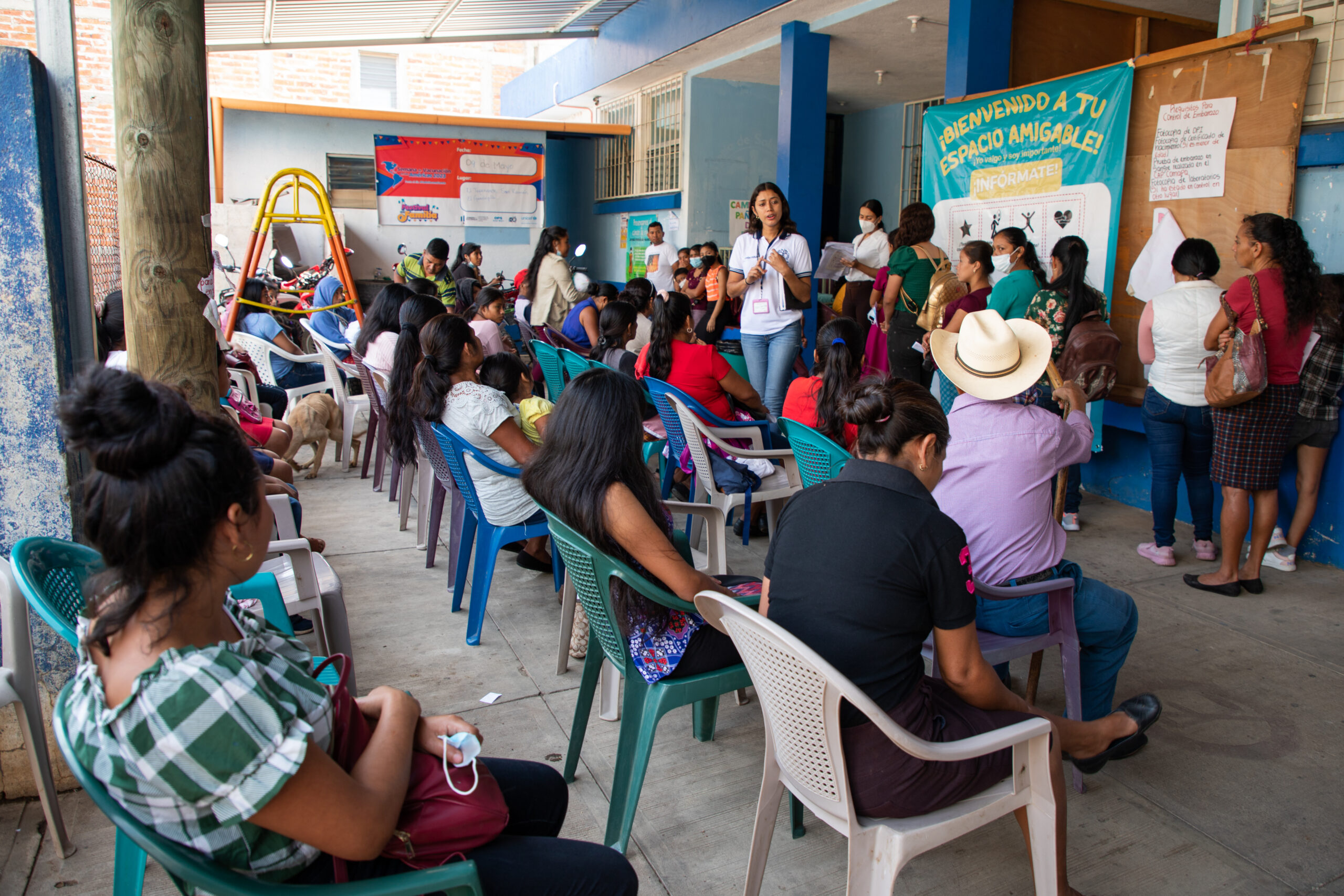
The goal is to move from today’s haphazard and inaccessible care to a coordinated, lifelong patient journey. At the frontline, primary care clinics must become the engine of early detection. This means implementing routine screening for at-risk populations, having the simple blood tests available for confirmation, performing baseline electrocardiograms (ECGs), and initiating life-altering antiparasitic treatment.
For cases showing signs of heart involvement, a seamless referral to secondary care is crucial for advanced imaging like echocardiograms and monitoring for arrhythmias. Finally, specialized tertiary centers must be equipped and ready to manage end-stage disease with pacemakers, heart failure therapies, and even transplants.
The power of this integrated approach is not merely theoretical; it is being proven in real-world settings that the study highlights as beacons of hope. In Houston, Texas, the Harris Health System—a safety-net provider for a large uninsured and immigrant population—faced the classic non-endemic challenge: clinicians simply didn’t think to test for Chagas.
Through a deliberate quality improvement program, they embedded awareness into the fabric of care. They trained staff, modified electronic health records to flag patients born in Latin American endemic countries, and created straightforward testing protocols. The result was a more than eightfold increase in monthly screening rates, identifying hidden cases and connecting patients to specialty care. “This shows that with intentional effort, we can build a bridge over the gap in awareness,” notes Dr. Eva H. Clark, an infectious disease specialist involved in the initiative. “It doesn’t require a massive budget, but it does require commitment to systematic change.”
An ocean away, in the vast and resource-constrained reaches of rural Brazil, innovation is taking a different, technological form. There, researchers are leveraging artificial intelligence and telemedicine to overcome a critical shortage of cardiology specialists.
They developed an AI algorithm that can analyze a simple, digitally transmitted ECG for signs suggestive of Chagas heart disease. When combined with a brief patient questionnaire, this tool acts as a powerful screening filter in primary care clinics, ensuring that the limited number of echocardiogram machines and specialist consultations are prioritized for those who need them most.
In one municipality in Northeast Brazil, the system demonstrated 100% sensitivity, correctly identifying every patient who ultimately had the disease. “This is about equity and efficiency,” says Dr. Antonio Luiz Ribeiro, a senior author of the study. “By using task-shifting—training non-physicians to perform basic scans—and supporting them with remote expert interpretation via telemedicine, we are bringing a level of cardiac care to remote villages that was unimaginable a decade ago.”
Despite these promising models, the path to universal, high-quality Chagas care is strewn with entrenched obstacles. The disease is a stark reflection of global health inequity, disproportionately affecting poor, rural, and migrant populations who frequently fall outside the bounds of robust health insurance systems.
As co-author Dr. Caryn Bern stresses, “Isolated pilot programs, however successful, are not enough. Without integration into universal health coverage frameworks, care will remain patchy and unsustainable.” This means governments and health authorities must commit to funding and embedding Chagas services—from screening to advanced surgery—as essential, reimbursable components of public health.
Furthermore, a profound data desert obscures the true scope of the problem and hinders improvement. Many countries lack any standardized registry to track Chagas patients, making it impossible to monitor outcomes or measure the quality of care.
Compounding this, Chagas disease remains critically under-researched; treatment guidelines for heart failure often rely on data from other cardiac conditions because Chagas-specific clinical trials are so scarce. “We are making life-altering decisions for patients with a fraction of the evidence we have for other diseases of similar burden,” the authors note. Closing this research gap requires dedicated funding and a commitment to including endemic countries as equal partners in generating new knowledge.
The blueprint presented by the World Heart Federation experts is ultimately a call for a fundamental shift in perspective. It argues that defeating Chagas disease will require more than just medicines and diagnostics; it demands the deliberate strengthening of health systems to be equitable, integrated, and responsive.
It requires viewing the patient pathway—from community screening to cardiac rehabilitation, as a single, continuous thread that must not be broken by fragmentation or financial barriers.
For the millions living in the silent shadow of this disease, the implementation of this plan could mean the difference between a sudden cardiac death and a full, healthy life. The tools and the knowledge exist. The new framework provides the map. What remains is the collective will to follow it, transforming Chagas care from a neglected exception into a routine promise of health for all.