|
Getting your Trinity Audio player ready...
|
By Juliet Akoth
Nairobi, Kenya: The planet is hurtling toward an unprecedented biodiversity crisis, with species disappearing at a rate scientists estimate to be 1,000 times higher than natural background levels, according to the International Union for Conservation of Nature (IUCN). More than 47,000 species are now listed as threatened with extinction in the IUCN Red List of Threatened Species, and a landmark UN report warns that up to one million could vanish within decades. Driven by causes such as habitat destruction, climate change, and overexploitation, this rapid decline not only erodes the natural world but also threatens the very ecosystems that sustain human life.
In Africa, home to some of the world’s most iconic wildlife, the challenges are especially severe. According to a 2025 study, habitat destruction, poaching, human-wildlife conflict, and unsustainable land use are pushing species to the brink. Yet amidst this crisis, the International Union for Conservation of Nature’s Save Our Species (SOS) initiative is making efforts to turn back the tide. Launched in 2010, SOS channels donor funding to frontline conservation actors, guided by science from the Red List, to protect threatened species, restore habitats, and support the communities that rely on them.
From the outset, SOS has followed a three-pillar approach: focusing on species, habitats, and people. It seeks to create conditions that allow species to thrive, strengthen protected areas and ecological connectivity, and promote sustainable livelihoods that make conservation relevant to local communities. Globally, the programme has backed more than 270 projects in 82 countries.
A flagship programme under SOS is the African Wildlife Initiative (AWI), launched in 2017 and co-funded by the European Union. AWI focuses on the protection of large African carnivores such as lions, leopards, and cheetahs, as well as smaller carnivores and prey species threatened by poaching and habitat loss. According to Anne Mugo, a grants coordinator for IUCN’s Species Conservation Action unit, AWI has shown the potential of scaling conservation across the continent.
“The IUCN Save Our Species African Wildlife Initiative has been a cornerstone in demonstrating how species conservation can be effectively scaled when driven by local innovation, strong partnerships, and science-based action,” said Mugo. Over eight years, AWI has supported more than 80 projects in 32 countries, strengthening community conservation leadership, restoring degraded habitats, mitigating human-wildlife conflict, and protecting some of Africa’s most threatened species.
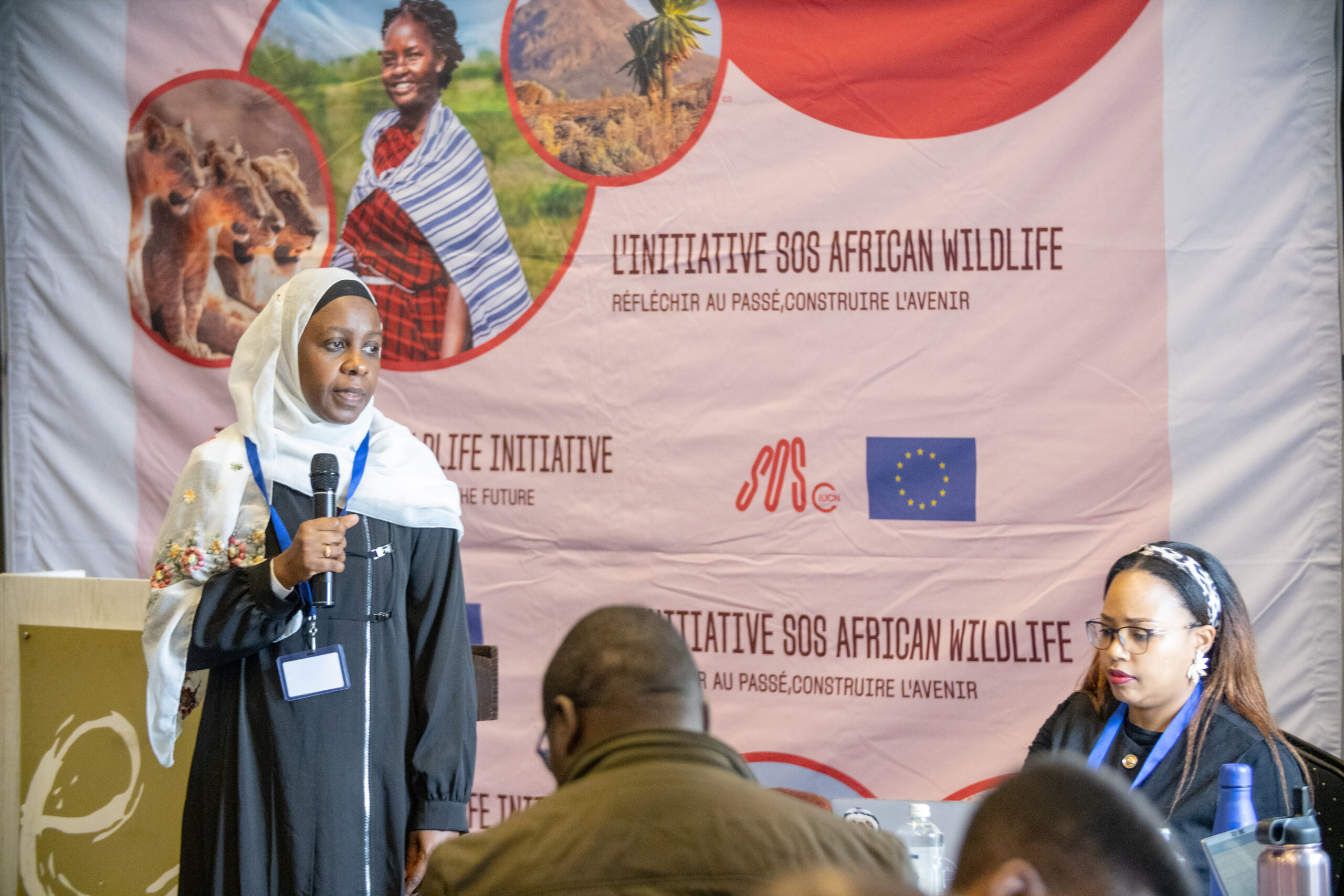
AWI provides two types of funding support to civil society organizations. The medium-term Threatened Species Grants run for two years and range between €25,000 and €420,000, while Rapid Action Grants provide €25,000 to €100,000 for urgent interventions and emergency situations. During the COVID-19 pandemic, these rapid grants became lifelines, helping conservation groups maintain critical operations when tourism revenues collapsed.
According to Faria Tarus, a programme officer for the Species Conservation Action unit at IUCN, the impact has been significant. “We’ve been able to support 32 threatened species, and have over 665,000 community members benefiting from the initiative,” she said. “We’ve also contributed to the effective management of 39 million hectares of protected area, with projects addressing threats like poaching, habitat degradation, human-wildlife conflict, and disease.”
Tarus explained that AWI projects reflect the programme’s three pillars. When it comes to species, they’ve supported capacity building on effective monitoring and surveillance, provided equipment to strengthen operations on the ground, and ensured that rangers could continue their work during difficult times. On habitats, projects have tackled invasive species, restored corridors, and established new conservancies to improve connectivity.
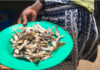
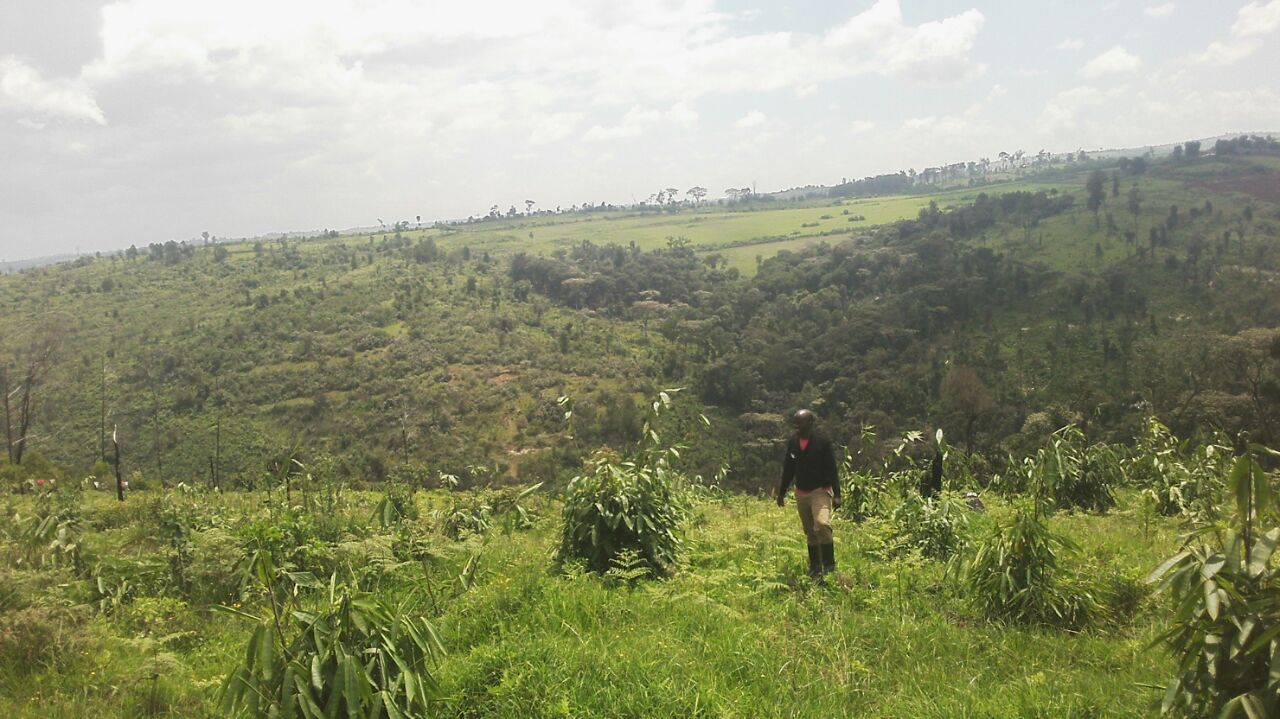
The people’s dimension has been equally important. Communities have been supported through enterprises that link conservation with livelihoods, such as devil’s claw harvesting in Namibia, mushroom farming in Rwanda, and tree seedling planting in Kenya. Some partner projects have gone further, extending healthcare, education, and veterinary services to local households. Policy engagement is also ongoing, with IUCN and the Kenya Wildlife Service developing a national action plan for cheetahs and wild dogs. “We’re now developing a national action plan for cheetahs and wild dogs with the Kenya Wildlife Service, and that process is ongoing,” Tarus noted.
On the other hand, Mugo highlighted that one of the initiative’s key lessons is the value of inclusive project design from the start. “We need proper baseline data for monitoring and to see growth and impact,” she said. “And then we need to ensure strong collaboration with everybody on the ground, from government actors to other NGOs working in the same field and communities as well, with adaptive management that allows stakeholder input and engagement.”
This sentiment was echoed by Aron Hangula, Programme Manager with the Delegation of the European Union to Namibia. “The pressures facing African biodiversity are intensifying, but so too is the resolve of communities, conservationists, and governments driving change on the ground,” he said. He believes that now more than ever, sustained investment is needed. Conservation and development have to go hand in hand if Africa’s natural heritage is to be protected for future generations.
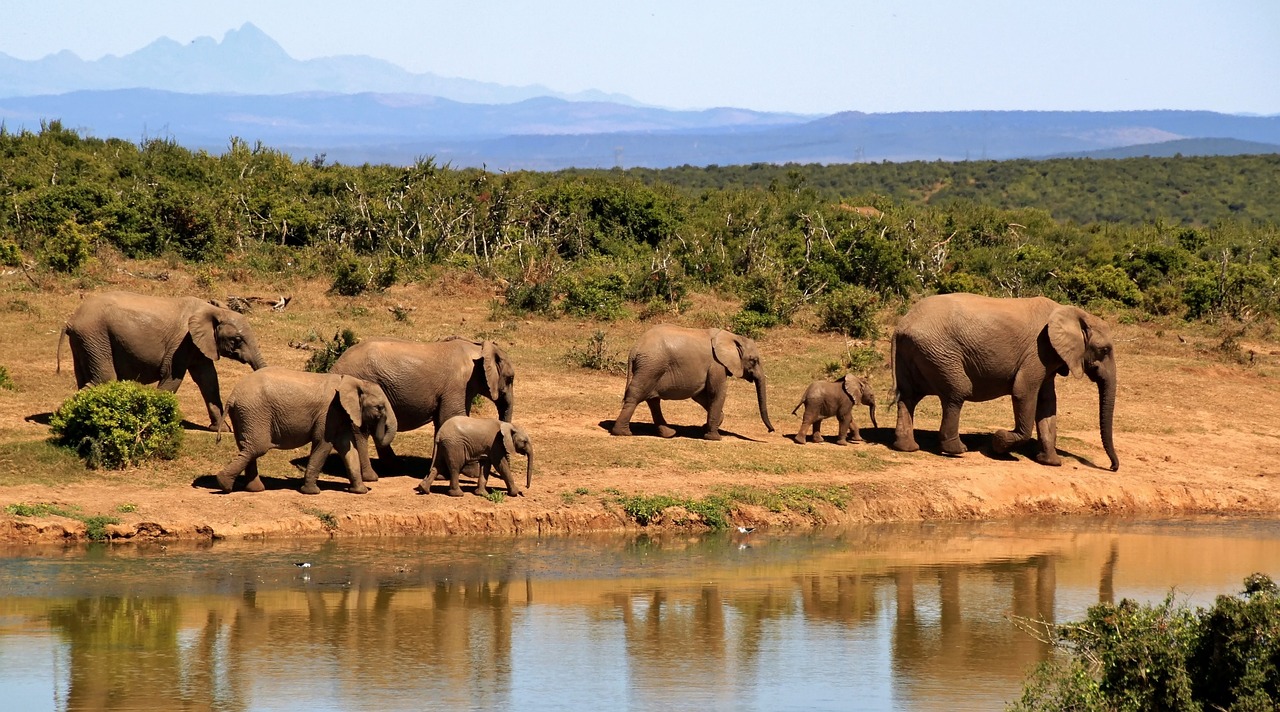
Still, one of the greatest challenges remains the growing tension between people and wildlife. As human populations expand into natural habitats, encounters with elephants, lions, and other species increasingly result in crop destruction, livestock losses, and sometimes fatalities — on both sides.
Leo Niskanen, Regional Head of Biodiversity Conservation at IUCN’s Eastern and Southern Africa office, cautioned against short-term fixes. “Most of the human-wildlife conflict communication has really focused on recurrence methods at the site level. You’ll be dealing with the symptoms and not necessarily the root causes,” he said. Niskanen described this as a “band-aid approach,” pointing out that conservation is context-specific: a method that works in one place may fail in another as wildlife adapts.
He stressed that lasting solutions require putting communities at the center of intervention design. “We need to put local communities at the center of designing interventions,” Niskanen said. “Every situation is different, and truly community-led processes are essential.” He added that deeper issues, such as land tenure and the fair distribution of benefits from conservation, must also be addressed if coexistence is to be sustainable.
This approach is supported by research. A 2024 study in the Annual Review of Resource Economics journal found that co-management and benefit-sharing are among the most effective ways to align conservation with community welfare, noting that people are far more likely to support wildlife protection when they receive tangible benefits in return.
Niskanen also emphasized the need for integration across levels and sectors. Vertical integration means linking lessons from local projects to national and international policy, while horizontal integration requires aligning conservation with agriculture, energy, infrastructure, and finance. “These landscapes will develop no matter what,” he said. “The question is whether we can have a dialogue that ensures wildlife and people can thrive together.”
Looking to the future, IUCN is positioning itself to deepen collaboration with governments, NGOs, and communities by combining field action with policy influence. This includes continuing partnerships under the Convention on the Conservation of Migratory Species of Wild Animals (CMS) for African carnivores, aligning conservation priorities with the Global Biodiversity Framework, and mobilizing resources to sustain community- and NGO-led conservation. The Union is also working to make policy forums more inclusive so that communities and civil society can shape strategies alongside governments.
The stakes could not be higher. In a continent where the roar of a lion or the sight of an elephant herd is still possible, the survival of Africa’s wildlife will depend on how effectively conservation, development, and community aspirations can be aligned. With the African Wildlife Initiative set to conclude later this year, conservationists say the lessons learned must not be lost. Instead, they argue, they should form the foundation of a new chapter in protecting Africa’s natural heritage.