|
Getting your Trinity Audio player ready...
|
By Omboki Monayo
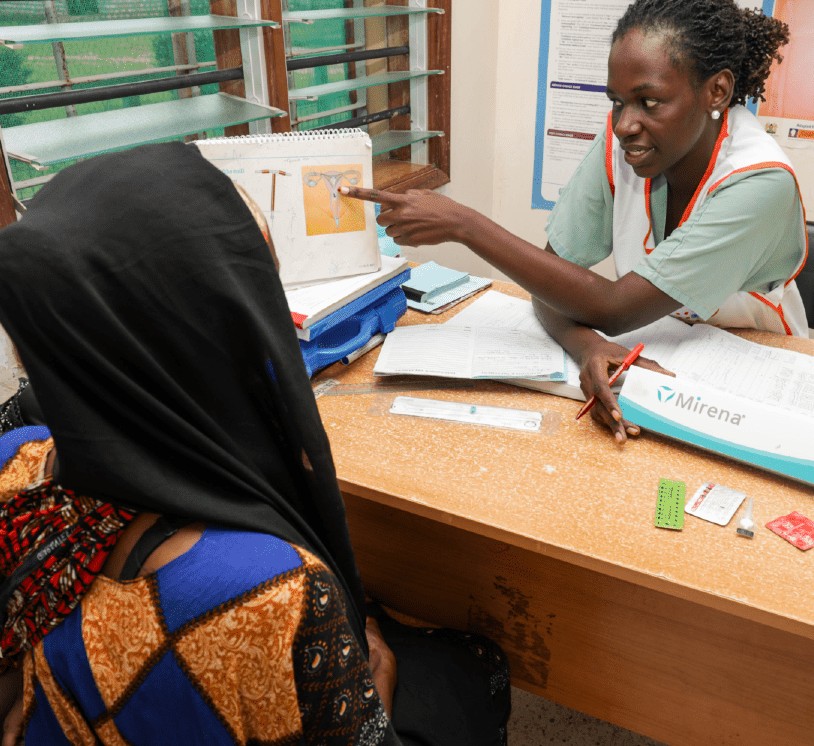
The confirming reports are now in, and they are damning. What began as an explosive January 2026 exposé by DeFrontera Media is now a confirmed, mainstream nightmare. Their report of a “severe” national contraceptive stock-out since October 2025 has been validated by a grim Daily Nation investigation, which found deserted shelves in all 47 counties.
We have moved from a credible leak to a visible, nationwide public health catastrophe.
This is more than a shortage; it is a profound national failure.
For years, we built our family planning success on a foundation of foreign donor goodwill. That house of cards has now collapsed.
The first nail in the coffin was the January 2025 stop-work order and cessation of USAID funding for most NGOs in sexual and reproductive health. This was compounded by the unravelling of UNFPA support after the January 2027 US withdrawal from 31 UN organisations.
These were not accidental disasters. They were predictable fiscal and political shifts, long warned of by experts. Yet, our National Treasury remained silent. Procurement stalled while funding was allocated elsewhere.
As DeFrontera reported, Kenya had 596,295 male condoms as of September 2025, against an average monthly need of 107,173. This stock should have lasted until April, but was depleted by a December surge. In a country that reported over 20,000 new HIV infections in 2025, this should alarm us all.
The Daily Nation quotes a senior KEMSA source blaming “procurement delays” and “funding gaps.” This is not an explanation. It is an admission of guilt.
Meanwhile, the human testimonies are heartbreaking. From Turkana, where Gabriel Lokuwam waits for a trickle of pills, to Bungoma, where Dr. Caleb Watta speaks of undefined “buffer systems,” a picture emerges of a system in denial, hoping the problem will vanish. It will not.
A 70% drop in condom distribution is a direct threat to our fight against HIV. We are presiding over a preventable reversal of decades of progress.
This crisis must be the final, jarring alarm. Kenya’s solution cannot be to beg for the return of the same donors. We must build a resilient, self-reliant reproductive health system.
Our path forward requires an immediate, unambiguous fiscal commitment. The National Treasury must, in the upcoming supplementary budget, allocate and ring-fence emergency funds to procure a full basket of commodities. This must be followed by a mandatory, non-negotiable line item in all future national and county budgets to guarantee a legally mandated buffer stock.
Simultaneously, we must strategically reduce dependency by looking inwards and across Africa. The government must aggressively incentivise and partner with local and regional manufacturers to produce contraceptives, leveraging the African Continental Free Trade Area to build resilient supply chains and keep funding within our economies.
Furthermore, we must formalise the private sector’s role. By creating robust public-private partnerships, we can ensure social marketing organisations and private pharmacies become reliable, subsidised distribution channels. Critically, the Social Health Authority must expand to comprehensively cover a wide range of family planning methods, creating a sustainable, demand-driven funding pool insulated from external politics.
Finally, this moment demands rigorous accountability at the devolved level. County Assemblies must actively hold their Health Executives accountable for reproductive health budgets and commodity security. This will end the confusion where counties are blindsided by national partner withdrawals. A portion of performance-based health funding must be irrevocably tied to tangible outcomes in family planning access.
The evidence from DeFrontera and the Daily Nation is not just a news story. It is a mirror. It reflects our collective choice to outsource a critical pillar of our national health and women’s autonomy.
The shelves are empty because our commitment was empty. Let this crisis be the painful birth of a new resolve. Let us fund, plan, and own our future. Our women’s lives, our children’s well-being, and our public health integrity depend on it. We have the capacity; what we must now summon is the political will.
Omboki Monayo is a freelance health and science journalist.