|
Getting your Trinity Audio player ready...
|
By Jasmine Atieno
Mombasa, Kenya: Kenya’s digital transformation has accelerated in recent years, with internet penetration surpassing half the population and mobile connections outnumbering people themselves. But the benefits remain unevenly distributed. Rural communities, young people without resources, and persons with disabilities are still on the margins of this revolution.
The Communications Authority of Kenya (CAK) and Kenya National Bureau of Statistics (KNBS) have warned that access is shaped by income, education, and electricity availability, leaving millions excluded. Globally, the World Bank estimates that 15% to 16%of the population lives with disabilities, yet Kenya’s 2019 census recorded only 2.2%, a discrepancy that underscores systemic underreporting and exclusion.
For these groups, digital spaces can be both empowering and perilous, offering opportunities while exposing them to harassment, misinformation, and invisibility. It was against this backdrop that Internews and KICTANet, under the KenSafeSpace project, convened an engagement to launch policy briefs from the winners of the 2nd KenSafeSpace Policy Hackathon.
The hackathon had drawn a competitive pool of applicants, but three organizations stood out with bold, community-driven projects. Policy Action Initiative’s NetSafi project tackled misinformation during election cycles by creating youth-led digital watch cells.
SEYA Youth Organization advanced digital inclusion for persons with disabilities, addressing online harassment and pushing for reforms in the Data Protection Act. Y+ Kenya developed a Youth Digital Safety Toolkit, equipping young people with practical tools to navigate online spaces safely.
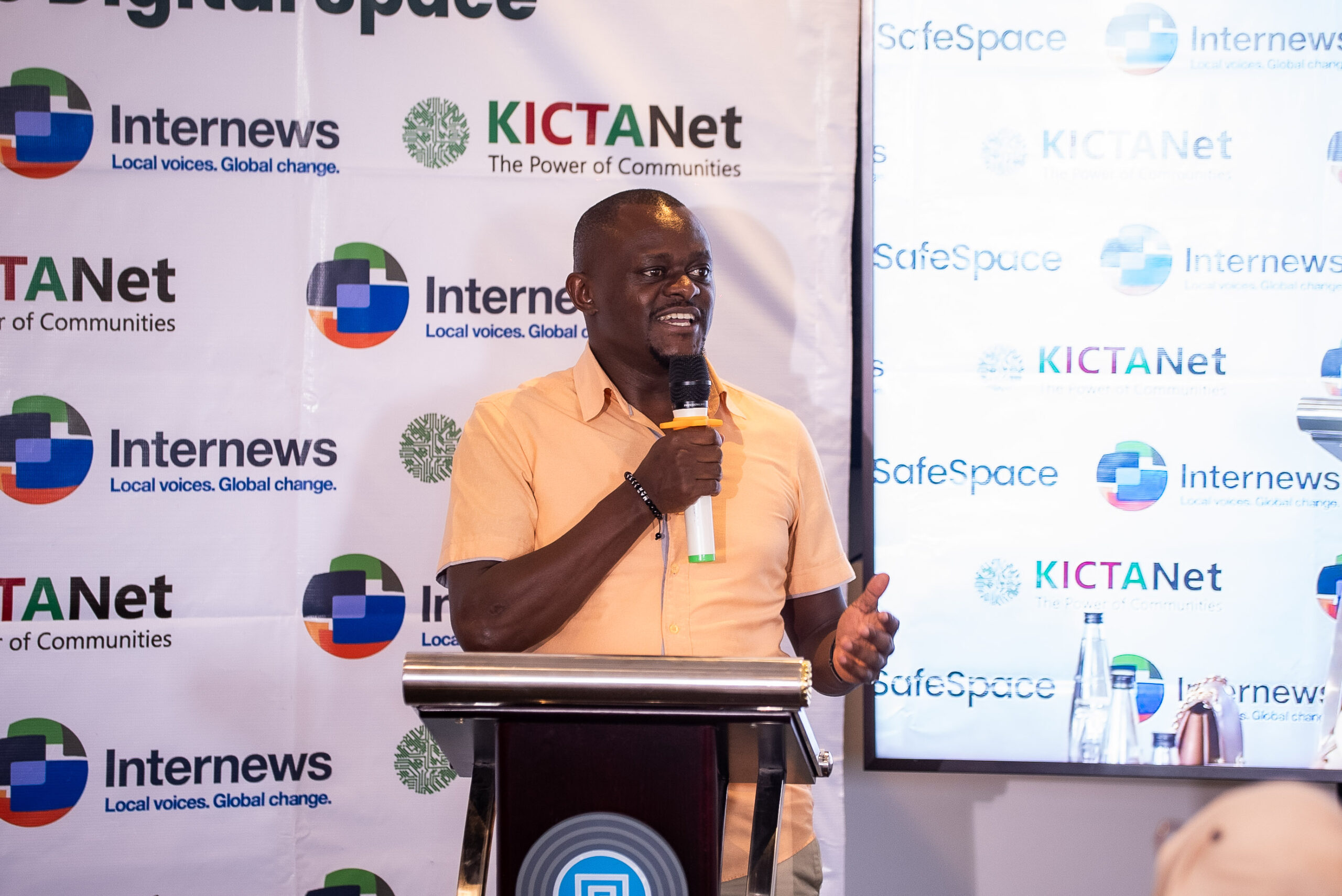
“These documents embody the voices of the community and reinforce the importance of embedding human rights into Kenya’s digital future,” said Abraham Mariita, Program Director at Internews, as he opened the event. His words set the tone for a gathering that was as much about celebration as it was about urgency.
For Y+ Kenya, the journey was about listening
“We realized decisions could not be made by a small group alone. By engaging over 50 young people, we ensured the toolkit reflected lived experiences. It’s about listening to youth realities and integrating them into digital rights initiatives,” explained Y+ Kenya representative, Navrouze Desouza.
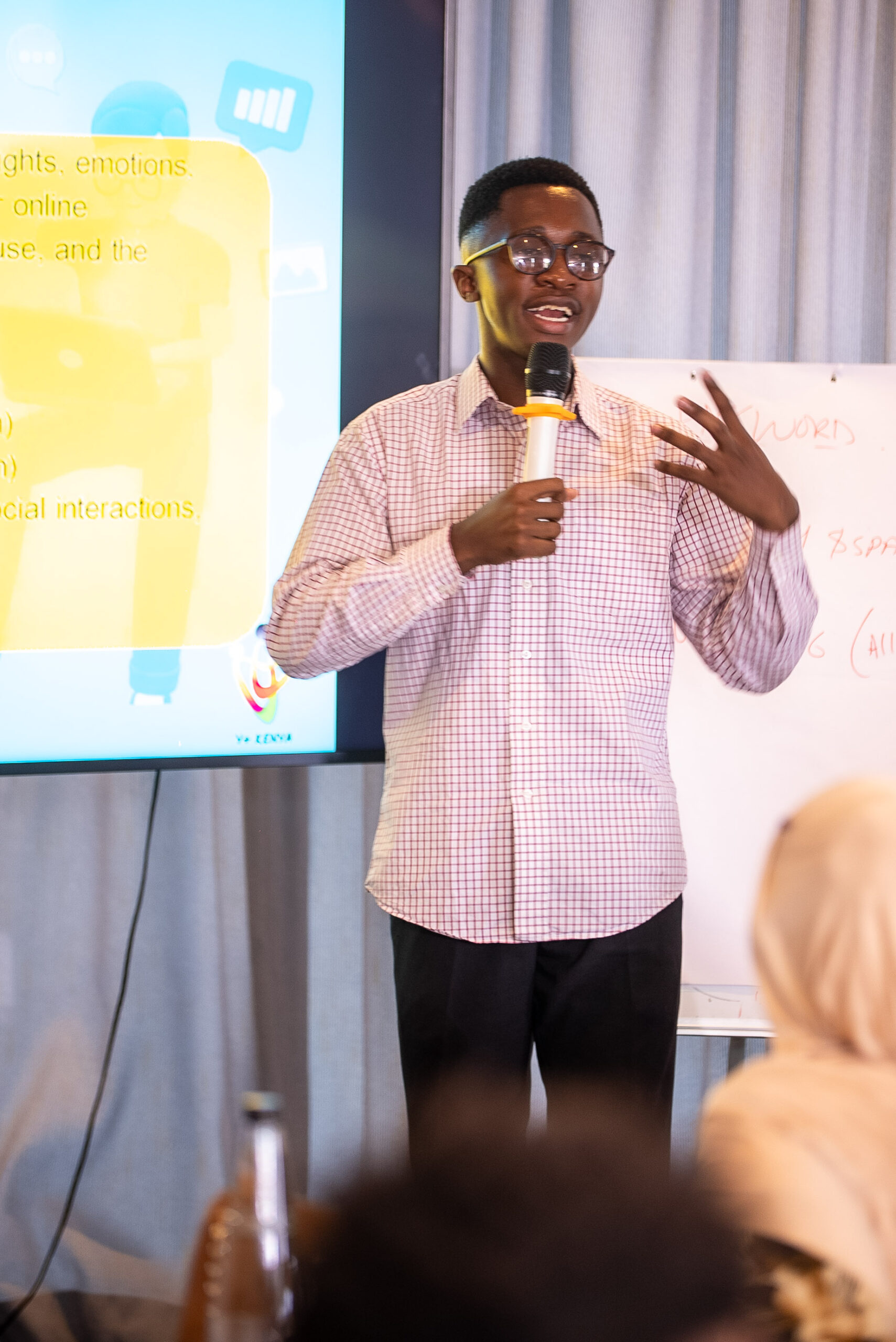
Their work resonates with national statistics showing that over 75% of Kenyans are under 35, yet many remain excluded from meaningful digital participation due to affordability and literacy barriers. The toolkit, shaped by mentorship and community feedback, is a reminder that youth are not just beneficiaries of digital policy but essential architects of it.
SEYA Youth Organization explained that their policy initiative was born out of health programming surveys which revealed rising cases of gender-based violence among women with disabilities, particularly due to online harassment.
This discovery pushed them to design a community-driven project that could address the gaps in Kenya’s Data Protection Act and ensure that persons with disabilities were included in digital rights conversations.
With eight years of presence, SEYA has built its work on values of diversity, integrity, transparency, and teamwork, implementing programs that empower youth, women, and marginalized groups to thrive in the digital era.
“While conducting surveys, we noticed that incidents of gender-based violence were still increasing among persons with disabilities, especially women, because of online harassment. That is how we arrived at this idea.
Through design thinking workshops and mentorship, we refined it into a policy brief that speaks to the realities on the ground. Our mission is simple: to make sure digital rights frameworks are inclusive, and that young people and persons with disabilities are not left behind,” shared Lucas Roberts.
Their advocacy was grounded in workshops that brought together youth with disabilities, government officials, and CSOs.
The winner of the hackathon, Policy Action Initiative’s #NetSafi project addressed another urgent challenge: misinformation.
“Every election brings waves of propaganda,” explained Ashleyna Kazungu. “Our Youth Digital Watch Cells trained young people to fact-check and report misinformation, while also developing a Swahili guide to make civic education accessible.”
Their roadmap for countering disinformation calls for awareness campaigns in local languages, accessible fact-checking tools, and institutionalizing youth watch cells as permanent structures. The initiative reflects findings from UNDP that misinformation disproportionately affects marginalized communities, undermining democratic participation and trust.
A representative from the County Government of Mombasa and member of the National Council for Persons with Disabilities, Juliet Ruwa, emphasized that exclusion of persons with disabilities costs economies up to seven percent of GDP in low- and middle-income countries, making inclusion both a moral and economic imperative.
“As we discuss digital inclusion, let’s ensure we’re leaving no one behind. To amplify impact, we must work with government entities and stakeholders, leverage digital platforms, and guarantee accessibility in all initiatives.” Her remarks underscored the importance of aligning grassroots innovation with county and national frameworks, ensuring that policies are not just written but lived.
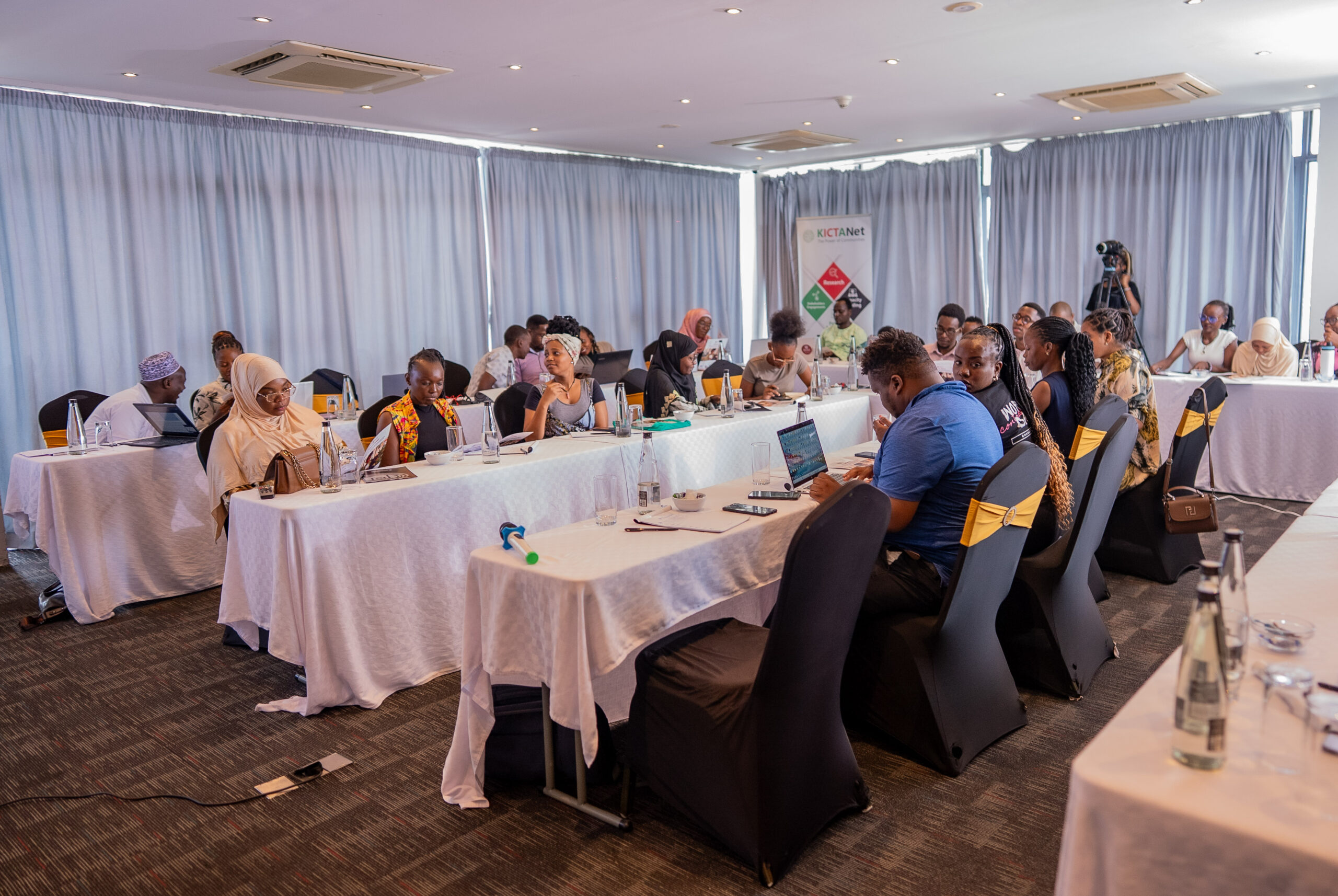
Speaking about the Policy Hackathon, the Project Lead, David Indeje, emphasized that while organizations may approach their work in different ways, they are united by a shared mission: building safer, more inclusive spaces.
He urged groups not to focus narrowly on short-term milestones like elections, but instead to plan for sustained impact over five years or more, aligning with county government agendas and collaborating rather than competing.
The essence, he explained, is about resilience, introspection, and creating meaningful change for the same communities they all serve.
“It’s like a ship sailing in the ocean. Today it is calm, tomorrow it’s windy, another day it’s stormy but it’s still the same ship. The destination is set, whether India or South Africa, and the question is: are you able to weather the storms?”
Adding “Collaboration, not competition, is what ensures we reach that destination. Safeguarding democratic, safe, and inclusive digital spaces is not about aggression, but empowerment about giving people hope and a collective voice that can spur meaningful change,” he said.
The event’s reflections and recommendations crystallized into a roadmap for change. Governments must prioritize digital awareness and inclusivity, ensuring platforms are accessible to persons with disabilities. Partnerships between grassroots organizations and policymakers must be strengthened to amplify impact.
Digital awareness campaigns should reach marginalized communities, while mental health support must be integrated into digital safety initiatives. Accessibility features, such as sign language interpreters, should become standard in public events and online platforms.
By bridging grassroots realities with national policy, Kenya is charting a path toward safer, more inclusive digital spaces.