|
Getting your Trinity Audio player ready...
|
By Mercy Kachenge
Nairobi, Kenya: When Suzan Ngomat took her infant to a public clinic in Nairobi for a routine vaccination, she expected the visit to be quick. Instead, she was asked to return another day.
“It was during the time there was a BCG vaccine shortage last year in June,” she recalls. “I had to go back more than once before my child could get the vaccine, and that delay was worrying.”
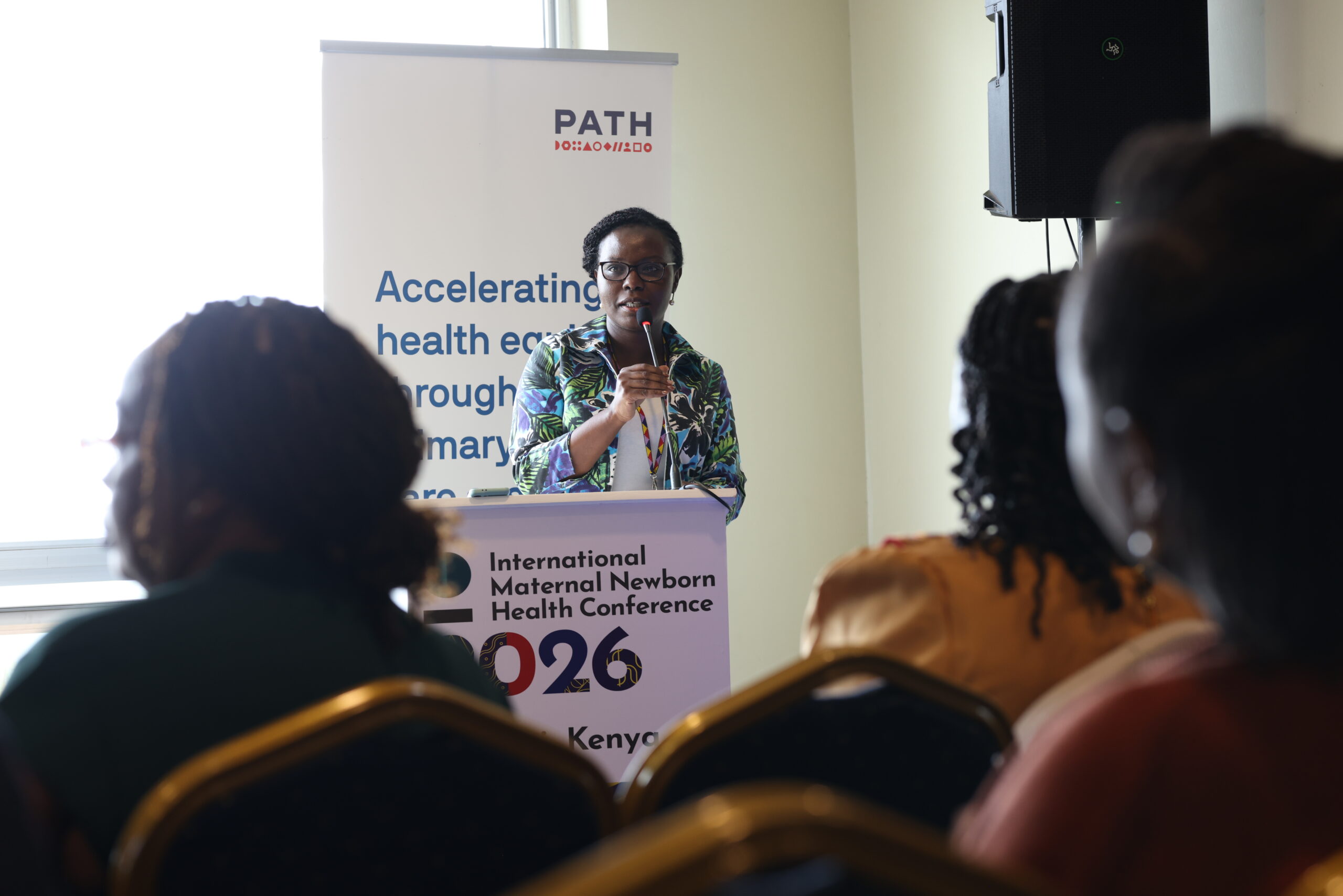
Her experience reflects a growing strain on Kenya’s health system following sharp cuts in donor funding. In 2025, Kenya lost as much as 55% of its donor funding for maternal, newborn, and child health (MNCH), according to a new analysis by the non-profit PATH, presented at the International Maternal Newborn Health Conference.
The drop was one of the steepest among ten Sub-Saharan African countries that studied disrupted vaccine supply chains, reduced outreach services, and exposed gaps in care, particularly for vulnerable communities.
For years, donor support has underpinned maternal and child health services across the region, accounting for an average of 39% of health spending compared to just 21% from governments. In Kenya, this reliance left essential services highly exposed when funding declined.
According to Dr. Caleb Mike Mulongo, one of the researchers, the cuts came at a particularly difficult moment when Kenya’s ability to mobilize domestic resources was already constrained. While the country surpassed the target of collecting over 15% of its GDP in taxes, much of that revenue is tied up in debt obligations.
“For every shilling, 66 cents go to debt servicing, leaving less than 30 cents not only for healthcare but also for other public needs like education, security and others,” Dr. Mulongo said.
This fiscal pressure has made it difficult for the government to quickly replace lost donor funding, even as demand for healthcare continues to rise. In response, Kenya is turning to policy reforms and new financing strategies to cushion its health system.
One of the most significant changes is the Facility Improvement Fund (FIF), which allows health facilities to retain and directly use the money they collect. Previously, facilities had to send these funds to central accounts and wait months for disbursement. Now, they can respond faster to immediate needs such as restocking medicines, repairing equipment, and maintaining services.
At the same time, the government is accelerating partnerships with private sector players in logistics and service delivery, alongside exploring new multilateral funding streams. These collaborations are helping to cushion critical services as external support declines.
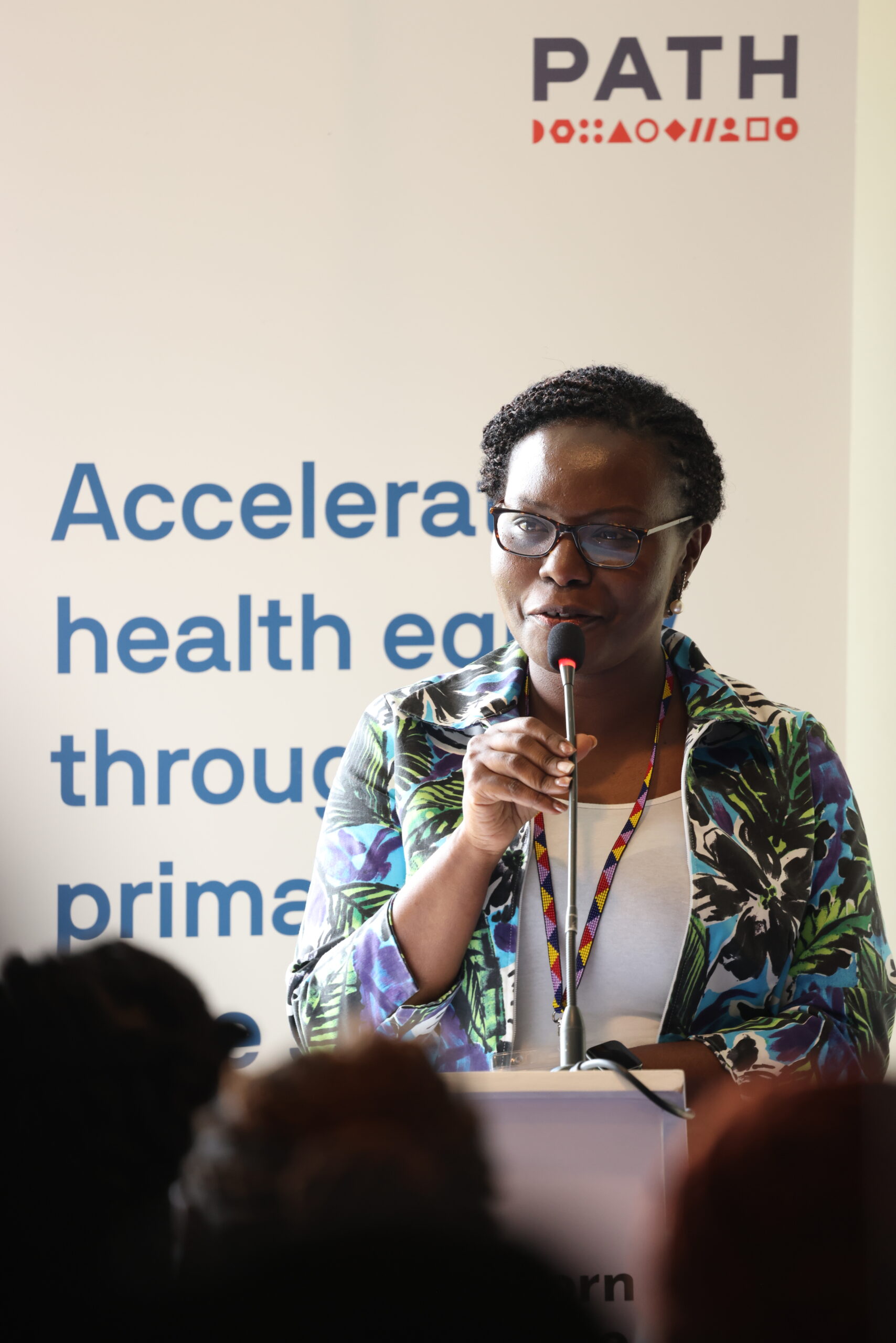
There are also clear signs of a stronger push toward domestic financing. Director General for Health Dr. Patrick Amoth has indicated that Kenya will increase local investment in healthcare, particularly at the primary care level.
“Primary health care is where maternal and child health becomes a reality for many families,” said Rachel Ndirangu, PATH’s Regional Director of Advocacy and Public Policy, emphasizing the importance of prioritizing grassroots services.
The urgency is underscored by broader global trends. While investments in maternal and child health have significantly reduced preventable deaths over the past two decades, declining aid now threatens to reverse those gains.
A reduction of more than 20% in aid between 2024 and 2025 could lead to a nearly 30% rise in maternal mortality and a 23% increase in under-five deaths, with sub-Saharan Africa most affected.
Kenya is also working to integrate previously donor-funded programmes into the national health system to improve coordination and reduce inefficiencies. Many of these programmes had operated independently, but their integration is expected to strengthen service delivery and ensure continuity.
Even so, the transition is complex. The government continues to grapple with absorbing donor-funded health workers into the public payroll, managing delays in fund disbursement, and coping with rising costs of imported medical supplies.
Across the countries studied, health spending remains low—averaging just 4.9% of total government budgets well below recommended levels. Sustaining services such as immunization, where Kenya had made notable progress, will require consistent and increased investment.
For mothers like Suzan, the gaps in the system are not just policy issues,they are lived realities.
“You just want to find everything working when you go to the hospital,” she says. “When services delay, it is the children who are at risk.”
Her experience underscores what is at stake as Kenya navigates a new era of shrinking donor support one where the country must increasingly rely on its own systems to protect its most vulnerable.
Through reforms, partnerships, and innovative financing, Kenya is attempting not just to survive, but to redefine how healthcare is financed, delivered, and sustained in a world.