|
Getting your Trinity Audio player ready...
|
By Rodgers Omondi
Busia, Kenya: The Kenyan government, through the State Department for Economic Planning, has officially rolled out the Adopt a Fruit Tree Initiative in Busia County, in a bold effort aimed at safeguarding school-going girls from the persistent triple threat while promoting education and environmental conservation.
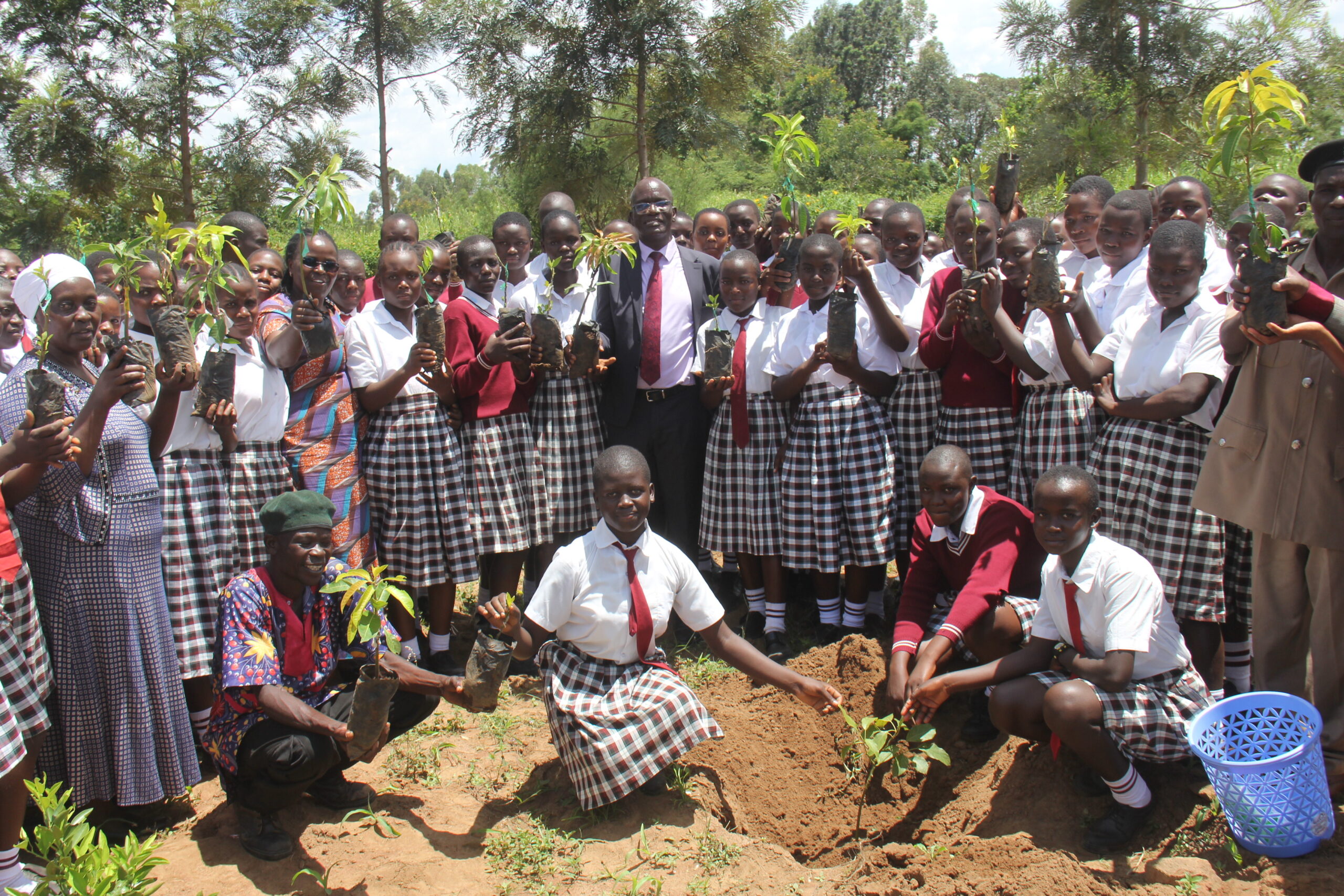
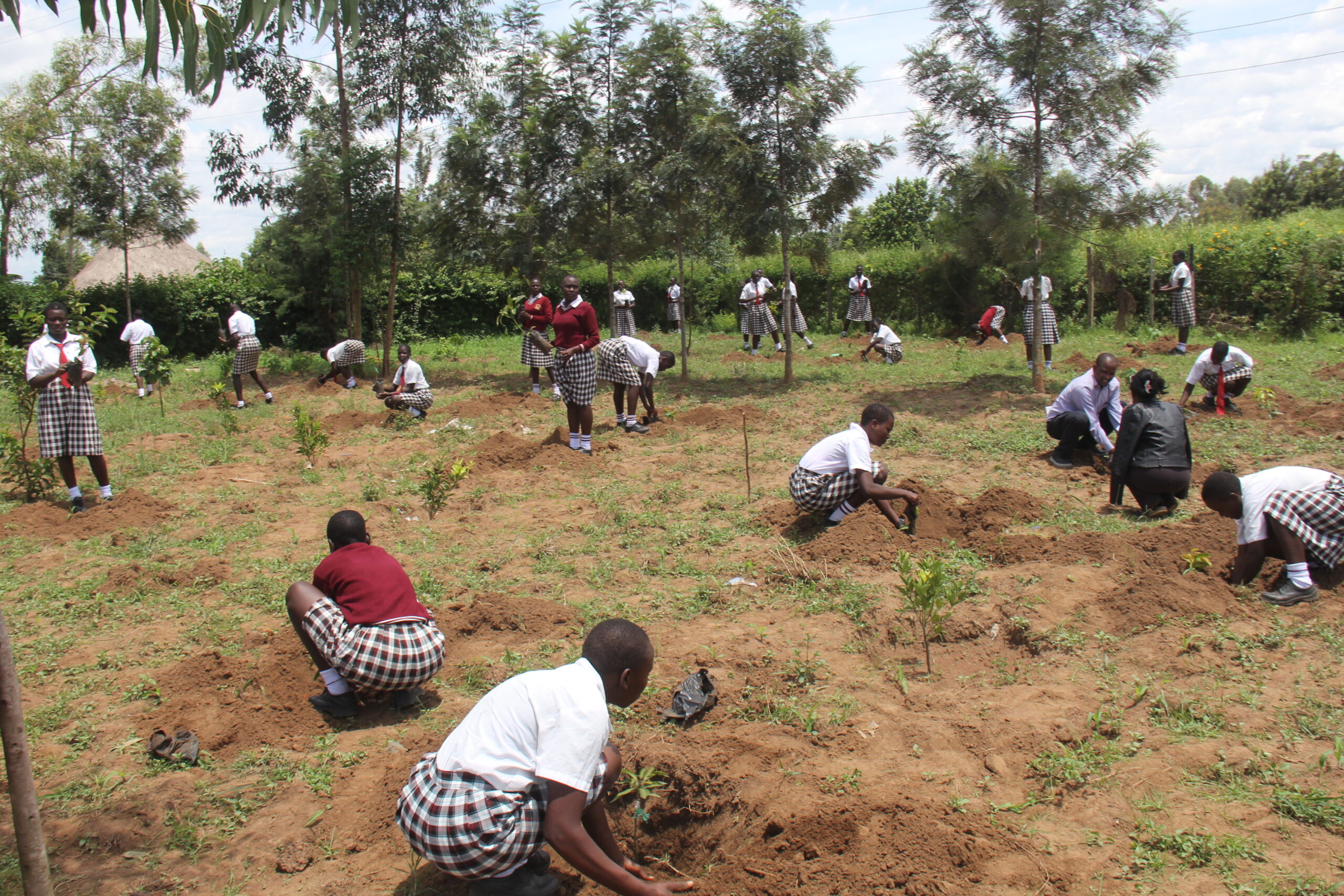
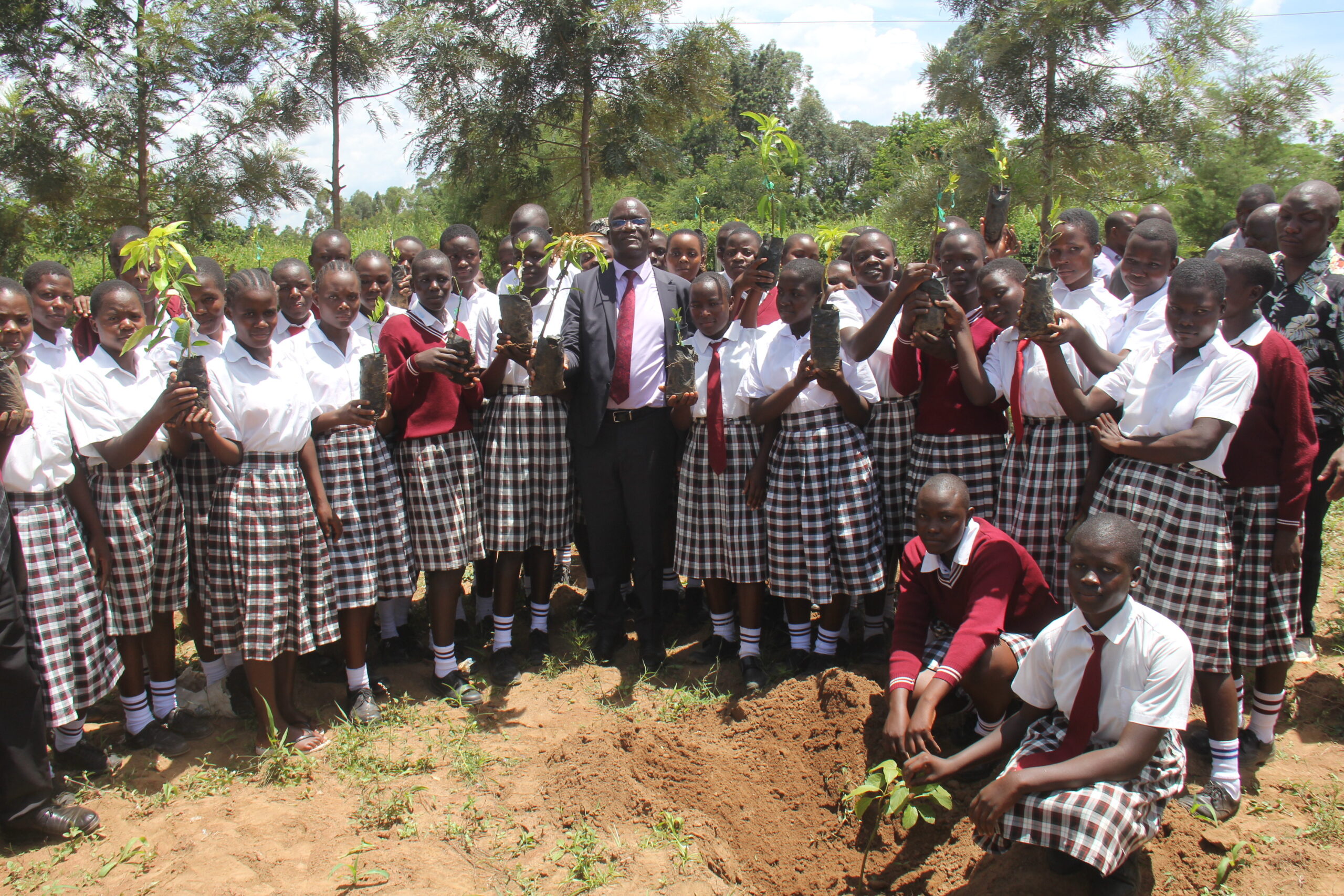
The initiative, which seeks to blend environmental sustainability with social protection, was launched at Siera Girls High School with the planting of at least 600 fruit trees. It specifically targets adolescent girls who are vulnerable to gender-based violence, HIV infections, and early pregnancies.
During the launch, Boniface Makokha, the Principal Secretary in the State Department for Economic Planning, highlighted a need for urgent intervention regarding teenage pregnancies in Busia. He acknowledged that while the county has a relatively low school dropout rate, the high rate of teenage pregnancies remains a major cause for concern.
“Busia County has shown a relatively low rate of out-of-school teens at about 6.1%, according to the 2022 Kenya Demographic and Health Survey (KDHS) report. However, teenage pregnancies stand at 18%, which is significantly higher than the national average of 15%,” he said.
Dr. Makokha emphasized that the initiative is designed to address the triple threat ,a combination of teenage pregnancies, new HIV infections, and sexual and gender-based violence which continues to affect thousands of adolescent girls every year.
“A quarter of our population is made up of adolescents. Every year, thousands of our adolescent girls suffer from the triple threat, leading to school dropout due to pregnancies and cases of gender-based violence. This has resulted in long-term health and socio-economic impacts that extend far into their future,” he added.
According to the PS, Busia County is ranked among the top ten counties most affected by the triple threat, coming in at position five nationally. He revealed alarming statistics showing the depth of the crisis.
“Over 115 new HIV infections are recorded among adolescents aged between 10 and 19, while at least nine girls experience sexual and gender-based violence every single day. These figures underline why addressing adolescent health and social challenges, including teenage pregnancies, remains a top policy priority,” he stated.
Dr. Makokha reiterated the government’s commitment to eliminating the triple threat by the year 2030, noting that a comprehensive plan launched in 2023 is already being implemented across the country.
“The commitment plan to end the triple threat by 2030 is still firmly on course. It focuses on fast-tracking the elimination of new HIV infections among adolescents and young people, accelerating the reduction of teenage pregnancies, eliminating sexual and gender-based violence, and addressing the root causes that expose young people to such risks,” he said.
He further pointed out that the Adopt a Fruit Tree Initiative also complements the government’s environmental agenda, particularly the ambition to increase the national tree forest cover.
“This initiative supports the government’s target of planting 15 billion trees by 2032 and increasing forest cover from 12% to 30% as part of efforts to combat climate change. At the same time, it is designed to keep the girl child in school, because education remains the bedrock of development,” he noted.
Dr. Makokha called on all stakeholders in the education sector, including school administrators, parents, and local leaders, to embrace and support the programme to ensure its long-term success and sustainability.
The National Council for Population and Development,(NCPD) Acting Director General Lucy Kimondo, described the planting of the 600 fruit seedlings as a powerful symbol of hope and transformation for communities.
“The Adopt a Fruit Tree programme is more than just planting trees; it is about nurturing resilience and building a healthier future for our communities. It aligns with Sustainable Development Goal 13 on Climate Action by strengthening our response to climate-related challenges,” she said.
Kimondo explained that the initiative goes beyond environmental conservation, as it also contributes to broader development goals, including poverty reduction, improved nutrition, education support, and enhanced livelihoods.
“Fruit trees offer lasting value at the household level. They provide accessible and nutritious food, create opportunities for income generation, and play a vital role in empowering families, especially women and children,” she added.
She further highlighted the long-term socio-economic benefits expected from the initiative, particularly within schools.
“Once mature, the fruit trees will provide vital nutrition for students. Surplus produce can be sold to generate income, which can be used to support vulnerable learners and strengthen the school community. The initiative also encourages school retention, as students become more engaged and invested in nurturing and watching their trees grow,” she said.