|
Getting your Trinity Audio player ready...
|
By Kasandra Musyimi
Mombasa, Kenya:For people living with diabetes, Ramadan is more than a sacred period of fasting and reflection, it is also a time that calls for careful planning, discipline, and heightened medical awareness.
From dawn to sunset, Muslims abstain from both food and drink, a practice that can present significant challenges for those managing blood sugar levels. The shift from prolonged fasting to often rich, celebratory evening meals can trigger sharp fluctuations in glucose levels, increasing the risk of both hypoglycemia (low blood sugar) and hyperglycemia (high blood sugar).
With a growing number of diabetes cases in Kenya, health professionals are highlighting the necessity of safe and informed fasting, especially in coastal areas. According to the International Diabetes Federation (IDF), Kenya is part of its African region, which encompasses 48 countries. Globally, 589 million people currently live with diabetes, including 25 million in the African Region, a figure projected to nearly triple to 60 million by 2050.
Diabetes in Kenya (2025)
28,837,900
Total adult population3.1% prevalence
of diabetes in adults813,300
Total cases of diabetes in adults
In Mombasa, this conversation is being shaped by both professional expertise and lived experience. A local nutritionist and a long-term diabetic patient are helping to shed light on how individuals can balance faith with their health during the holy month.
The Expert’s Approach to Safer Fasting
Mwanamkasi Mzingirwa, a respected nutritionist based in Mombasa, has dedicated her work to guiding people toward healthier lifestyles without abandoning cultural traditions. During Ramadan, her role becomes even more critical as she works to ensure that the spiritual benefits of fasting are not overshadowed by preventable health complications.
“The good news is that many people with diabetes can fast safely if they make informed and intentional choices,” she explains.
 Her guidance centers on three key strategies aimed at maintaining stable blood sugar levels throughout the fasting period.
The first focuses on Suhoor, the pre-dawn meal that fuels the body for the day ahead. Mwanamkasi cautions against relying on refined carbohydrates like white bread and sugary tea, which can cause rapid spikes in blood sugar followed by sudden drops in energy.
Instead, she recommends slow-digesting foods such as whole wheat chapatis, beans, boiled eggs, and traditional vegetables like mchicha or kunde. Including healthy fats, such as avocado, can further help sustain energy levels and reduce hunger during the day.
Her second strategy is the concept of a “staged Iftar.” After hours of fasting, the body is particularly sensitive, and immediately consuming large or sugary meals can lead to dangerous glucose spikes.
“When it’s time to break the fast, start slowly,” she advises. Beginning with one or two dates and water allows the body to ease back into digestion. After a short pause, break often for prayer with a balanced meal with light soup, lean protein like grilled fish or chicken, and vegetables is a safer approach.
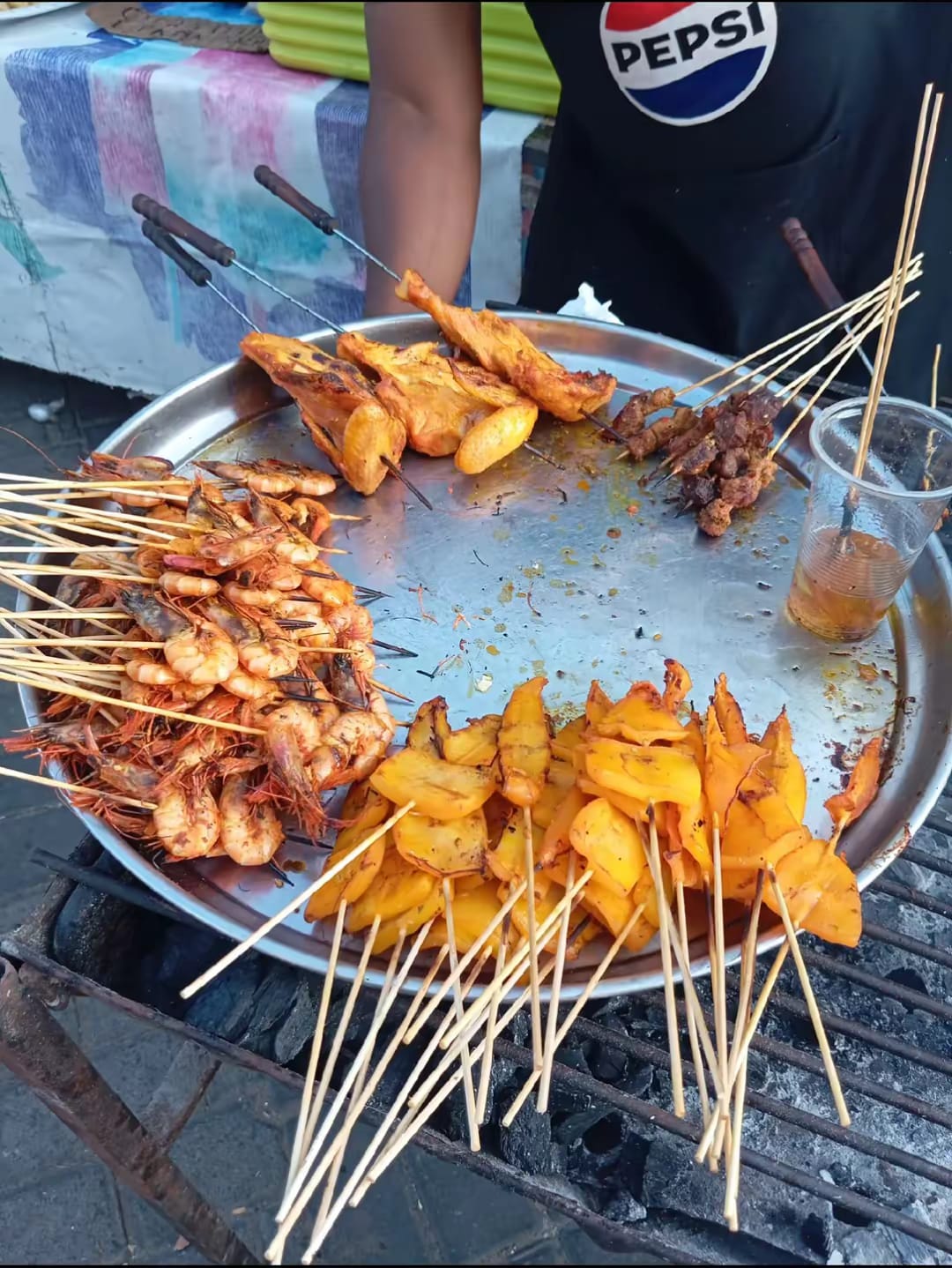
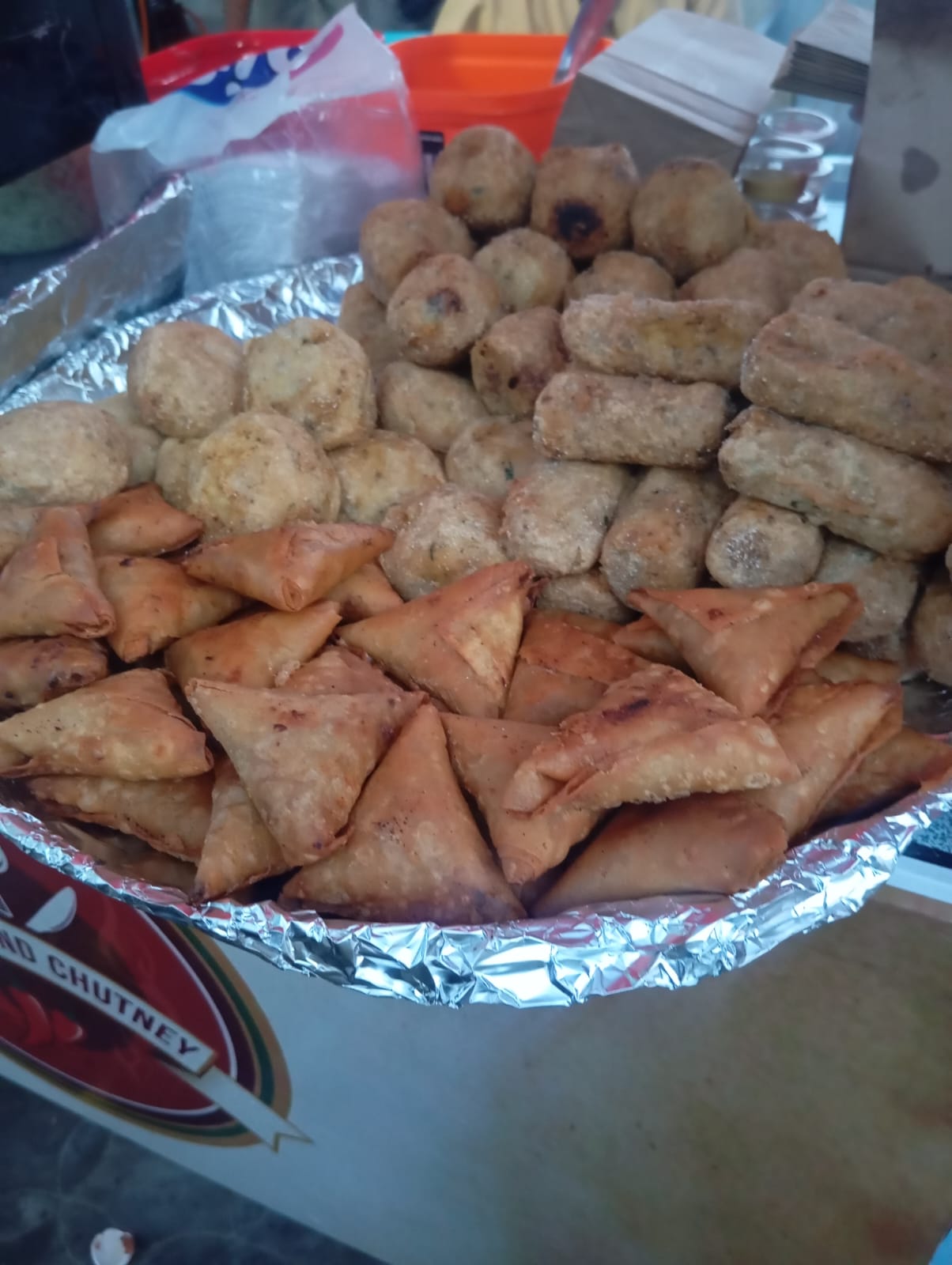
The third area she highlights is the challenge posed by traditional Swahili snacks that are especially popular during Ramadan. Foods such as mandazi, kaimati, and viazi karai, while culturally significant, can be high in sugar and unhealthy fats.
“It’s not about avoiding them entirely,” Mwanamkasi says. “Moderation is key.” She encourages healthier swaps, such as choosing coconut water (dafu) or fermented milk (maziwa lala) over sugary drinks, to help manage blood sugar more effectively.
A Patient’s Journey Through Ramadan
For Hassan Omar, living with diabetes has transformed Ramadan into a deeply personal journey of resilience and awareness. Having fasted for eight years since his diagnosis, he describes the experience as both spiritually fulfilling and physically demanding.
“In the beginning, it was very difficult,” he recalls. One of the biggest challenges he faces is hypoglycemia, which he refers to as the “danger zone.” Symptoms such as dizziness, extreme fatigue, and confusion can quickly escalate if not managed, sometimes leading to fainting.
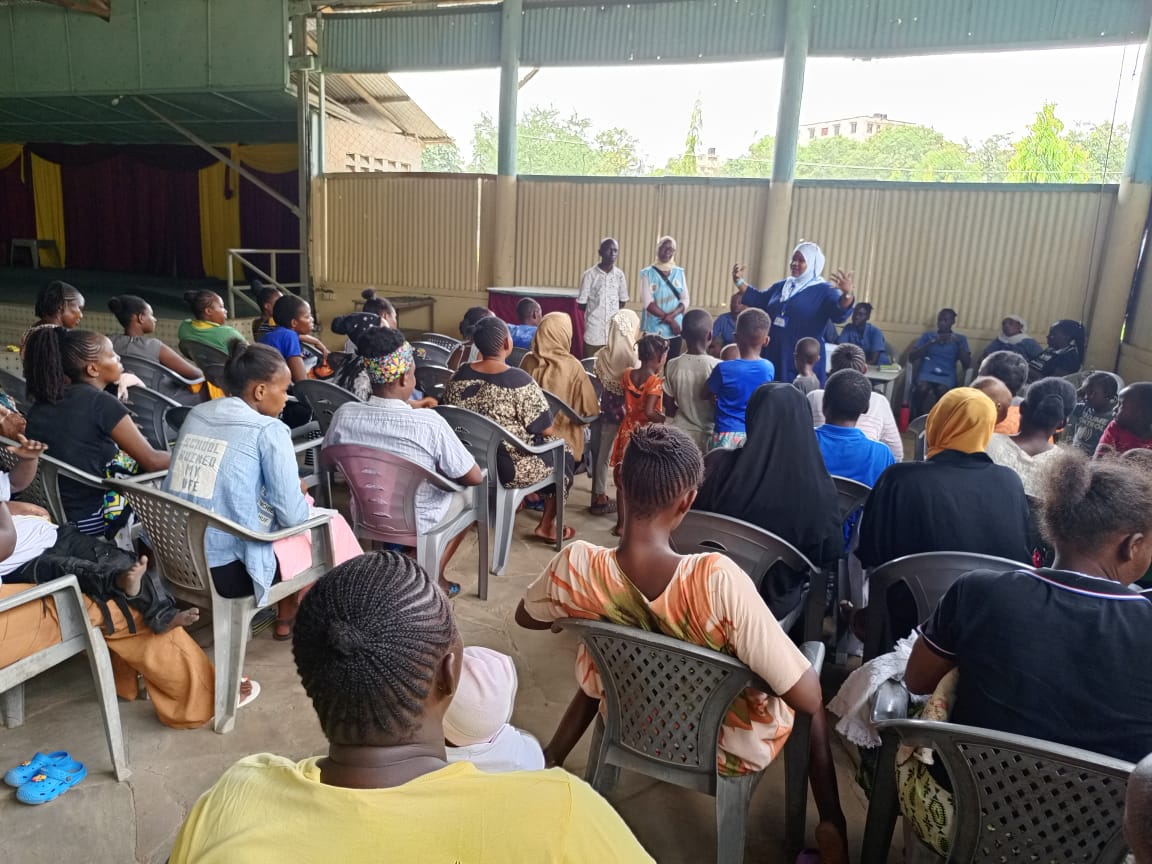 Over the years, Hassan has developed a structured approach to fasting, one that prioritizes preparation and medical guidance. Well before Ramadan begins, he consults his doctor for a full assessment, including HbA1c testing to evaluate his long-term blood sugar control.
Together, they adjust his medication schedule and dosage to align with Suhoor and Iftar, ensuring that his body can better cope with the long hours without food or water.
“Going into Ramadan without a medical plan is risky,” Hassan emphasizes. “You have to understand your body and pay attention to the signals it gives you.”
Balancing Faith and Health
Even with careful planning, challenges can still arise. Hassan recalls one Ramadan when he skipped Suhoor and unknowingly suffered from malaria. This combination caused his blood sugar to drop dangerously low, forcing him to break his fast and seek urgent medical care.
The experience, though difficult, reinforced an important principle within Islam—the prioritization of health and well-being. Those who are unwell are exempt from fasting, highlighting that the faith does not require individuals to put themselves in harm’s way.
“Taking care of your health is part of your faith,” Hassan reflects. He sees his body as a trust from Allah, one that must be protected through responsible choices. For him, monitoring blood sugar, adjusting diet, and even breaking a fast when necessary are all acts of devotion.
A Shared Message for the Community
Both Mwanamkasi Mzingirwa and Hassan Omar emphasize that Ramadan is a time of discipline, and that discipline should extend beyond spiritual practice to include health management.
 Their message to the community is clear: with the right preparation, medical support, and mindful eating habits, people living with diabetes can observe Ramadan safely.
They also highlight the importance of community supporting families, friends, and caregivers all play a role in promoting healthier choices and encouraging those with diabetes to seek medical advice before fasting.
For Hassan, the journey has ultimately reshaped his perspective. “I don’t see diabetes as a barrier to my faith,” he says. “It’s a reminder to be more conscious, more disciplined, and more grateful for my health.”
As Ramadan month is half way gone, his words serve as a powerful reminder that faith and well-being are not in conflict but they go hand in hand.