|
Getting your Trinity Audio player ready...
|
By Tonny Kyule
Migori, Kenya: In Kenya, only 61% of infants under six months are exclusively breastfed—well below the national target of 70% by 2030. For student mothers, the challenge of navigating lectures, childcare, and breastfeeding has long made staying in school a daily struggle.
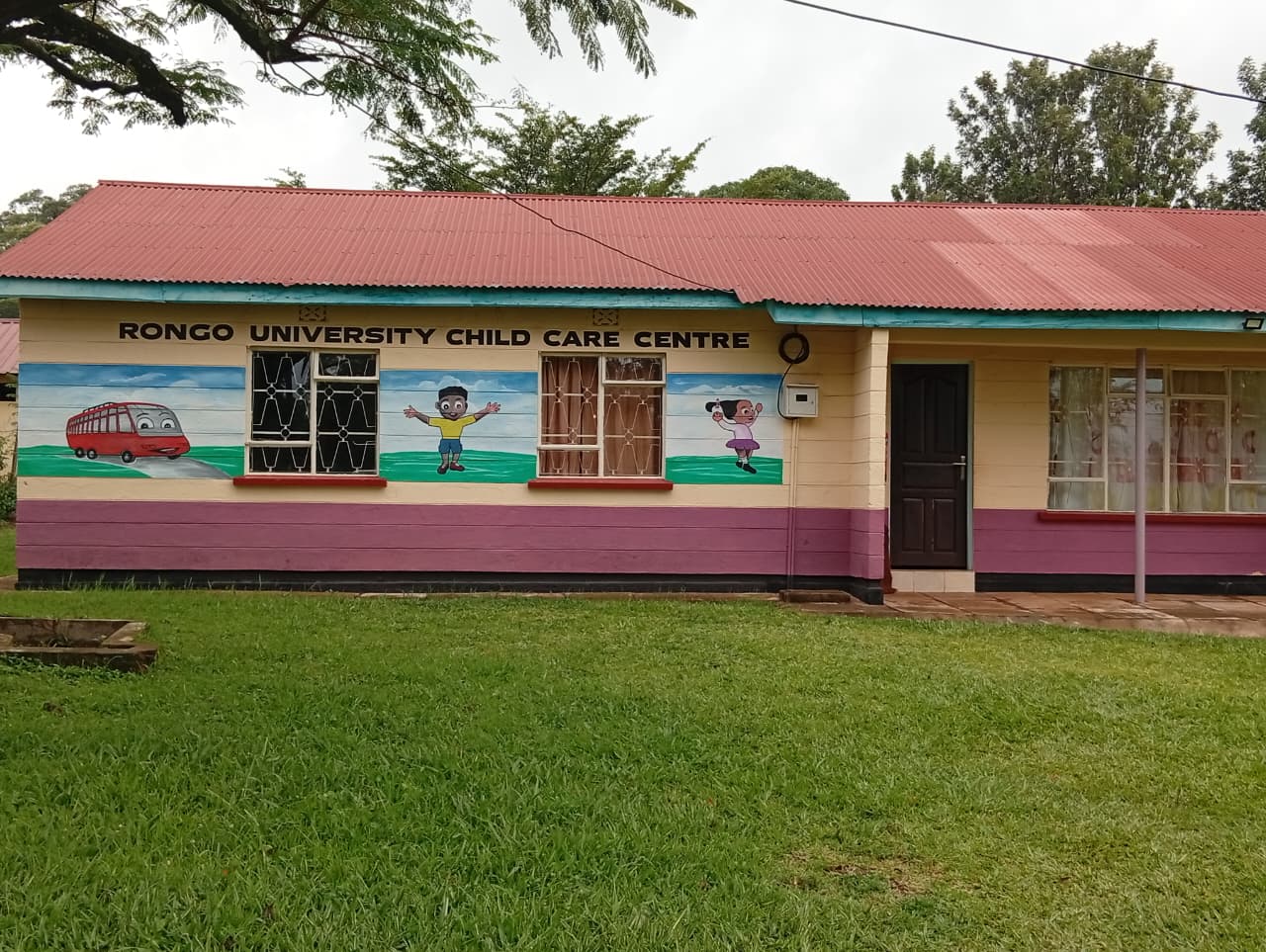
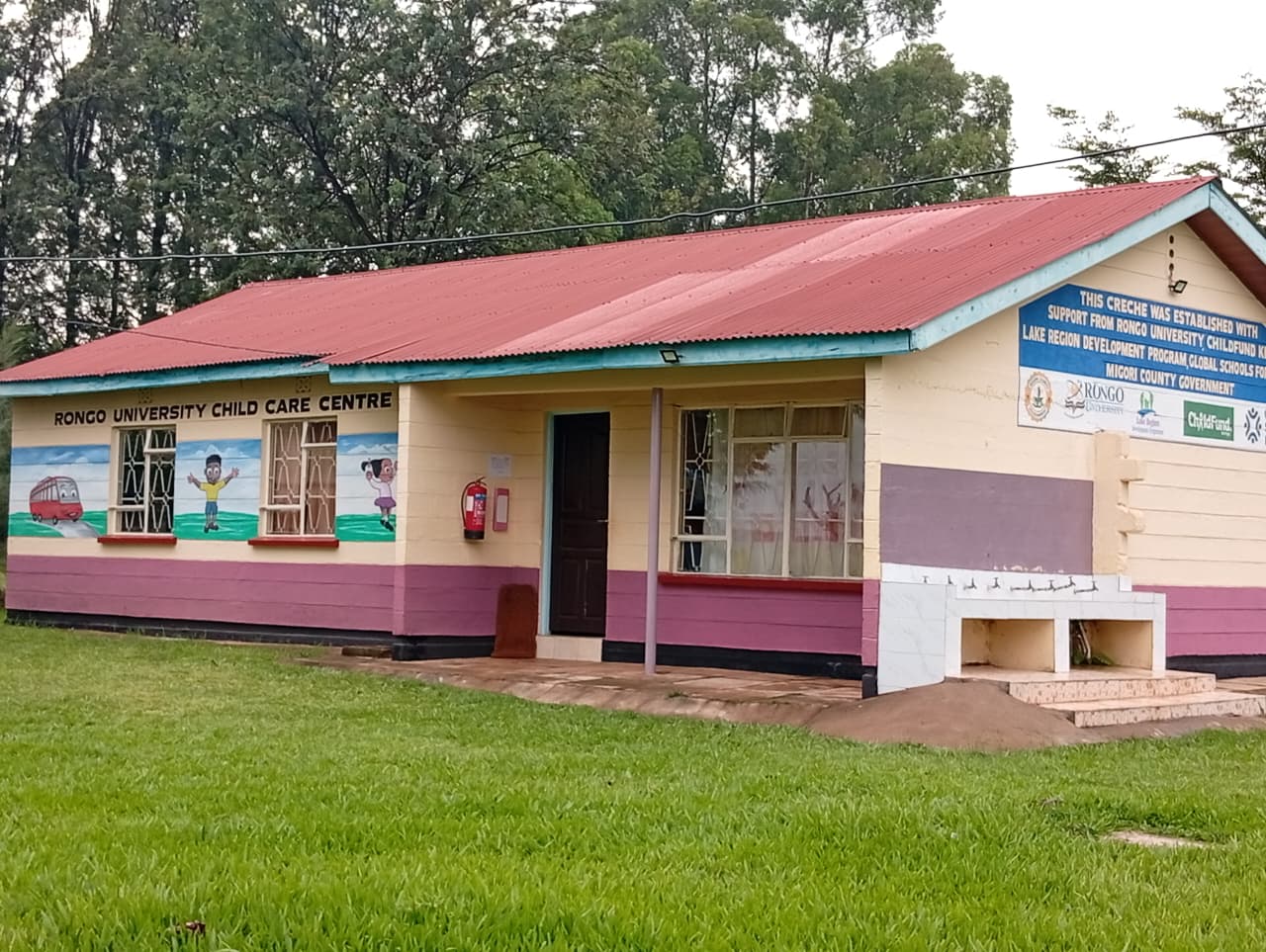
At Rongo University in Migori County, however, a child daycare centre launched last year has become a lifeline—helping student parents remain in class, improve their academic performance, and care for their children safely.
The university opened its Child Daycare Centre during World Breastfeeding Week celebrations in August 2025. Equipped with a kitchen, sleeping areas, a play space, and breastfeeding rooms, the facility has provided a long-awaited solution for student mothers juggling academic life with childcare.
Speaking at the launch, Public Health Principal Secretary Mary Muthoni highlighted the worrying decline in breastfeeding rates in Kenya. Exclusive breastfeeding dropped from 62% in 2014 to about 20% in 2022, while bottle feeding rose from 26% to 34%. She attributed the decline to work and school responsibilities, coupled with a lack of supportive facilities. Muthoni stressed the importance of implementing policies that protect breastfeeding mothers and encouraged enrollment in the Social Health Authority (SHA) to improve access to maternal health services.
Before the daycare opened, many student mothers relied on risky and unreliable childcare arrangements that often disrupted their studies. Some left their babies with friends or neighbors, while others rushed between lectures and hostels to breastfeed—rarely able to focus fully in class.
Mary Omondi, a student mother, recalls pumping milk before leaving for lectures and hoping classes would not run longer than expected. The constant worry about her child made concentration difficult.
For Lucy Odhiambo* (not her real name), a third-year education student, the experience was even more frightening. She remembers locking her baby in the house while attending lectures—only to return and find that the child had somehow locked the door from the inside. She didn’t know where to begin. Such stories were common across campus, illustrating the daily troubles student mothers and fathers faced before the daycare was established.
Today, the centre has transformed everything. Student mothers now attend lectures knowing their children are nearby, safe, and well cared for. Many breastfeed between classes and return to their studies without disruption, allowing them to participate more actively and fully in academic life.
According to Vice-Chancellor Prof. Samuel Gudu, the daycare aligns with the university’s commitment to student welfare and its collaboration with both county and national authorities in supporting maternal health.
Prof. Wilson Otenga explained the reasoning behind the centre’s formation: “It was observed that student mothers struggled academically because they could not attend all their lectures while caring for their children. At the same time, many babies were growing up in environments that did not support proper development.”
With more than 150 student mothers at the university, the daycare has already enrolled between 50 and 55 children, with around 30 attending daily. The facility operates throughout the academic day, from early morning until evening, accommodating children up to three years old.The benefits of the centre extend beyond academic performance. Student mothers and fathers report reduced stress, better concentration, and stronger breastfeeding practices—while their children receive proper care, nutrition, and stimulation in a safe environment.
Migori Governor Ochillo Oyako emphasized that exclusive breastfeeding plays a key role in children’s physical and mental development and strengthens immunity. The county continues to offer free infant vaccinations as part of broader maternal and child health programs. The daycare, therefore, contributes to both national and county public health goals.
Despite its notable success, the centre faces challenges as demand grows. Limited beds and mattresses mean caregivers sometimes improvise sleeping arrangements for children who need rest after meals or bathing. The facility also lacks sufficient indoor and outdoor toys—essential tools for early childhood development. The university has called on partners and well-wishers to support the centre as it expands to meet the needs of more student parents.
Student parents who once considered dropping out before the daycare opened are now staying in school. The centre has given their children safe and stable environments, ensuring they receive proper care while their parents pursue their education.
As Kenya works toward improving breastfeeding rates and expanding maternal support, closing the exclusive breastfeeding gap will require continued advocacy and investment. Facilities like the Rongo University Child Daycare Centre are helping to close that gap—one student parent at a time.