|
Getting your Trinity Audio player ready...
|
By Jasmine Atieno
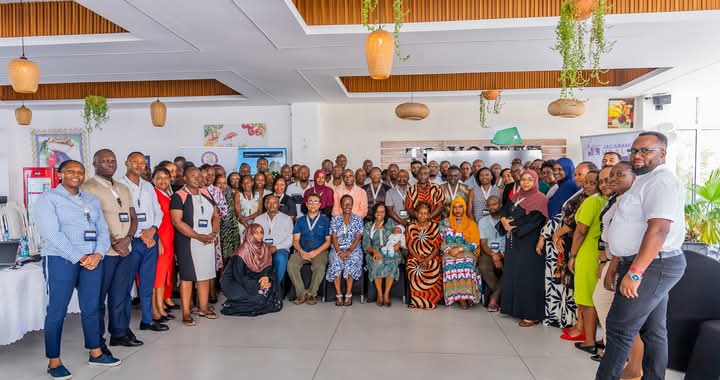
Mombasa, Kenya: At the third County Cross-Learning workshop in Mombasa, the energy in the room was palpable. Health leaders from Kisii, Makueni, and Mombasa counties gathered to reflect on the progress of the Kenya Quality Ecosystem (KQE) project, a partnership launched in 2023 between Jacaranda Health, Health Systems Insight, and the three county governments. The project has been quietly but powerfully reshaping maternal and newborn health outcomes, and the latest data revealed just how far the counties have come.
For Kisii County, the numbers told a story of hope. Dr. Richard Okwere, County Director of Health, shared proudly: “As late as 2025, Kisii County was able to reduce maternal deaths from 29 the previous year to 22. And our biggest referral hospital, KTRH, recorded zero maternal deaths in the last quarter of 2025.”
Fresh KQE data confirmed the trend: Kisii’s Facility Maternal Mortality Ratio dropped from 159 to 104 per 100,000 live births, a 34.5per cent reduction over three years. This success was driven by emergency obstetric response tools, mentorship programs, and stronger referral systems. For a county that had struggled with maternal mortality, the achievement was nothing short of transformative.
In Mombasa, the focus was on infrastructure and system-building. Dr. Swabah A. Omar, County Director of Public Health, explained:
“We have established two newborn units—one at Mrimah and another at Port Reitz. Within this period, we have admitted more than 500 babies.” Established Dr Swabah
Adding to this Dr. Mohammed Anif, Director of Clinical Services, revealed the County’s launching of a new dispatch center, where ambulances will be coordinated from one point. He also shared the ongoing process of establishing a satellite blood bank, which will help ensuring mothers have access to blood during complications.
Beyond infrastructure, Mombasa has introduced lifesaving drugs such as heat-stable carbetocin and NASG garments to prevent postpartum hemorrhage, while training healthcare workers in emergency obstetric and neonatal care. These investments are already saving lives and setting a precedent for other counties.
Makueni County’s story was equally compelling. With 20,000–22,000 annual births, preterm deliveries account for nearly 18 per cent of cases. In an effort to tackle this challenge the county has established a newborn intensive care unit at the county referral hospital. This has been a big plus, especially for preterm babies, who account for 18% of all our deliveries.
The NICU has reduced costly referrals and improved survival rates for vulnerable infants. Makueni has also invested in blood banks, emergency operations centers, and dedicated budget allocations for maternal and child health, ensuring that resources are available where they are most needed.
Behind these county-level successes are three core tools from Jacaranda Health, supported by Health Systems Insight. PROMPTS, an AI-enabled SMS service, provides mothers with free, life-saving health advice, helping them identify danger signs early and connect to care. MENTORS equips healthcare workers with practical skills to manage obstetric emergencies and newborn care. And PULSE, a digital dashboard, gives county leaders real-time data to track facility readiness and direct funds effectively.
Felix Modira of Health Systems Insight explained their role in ensuring sustainability.
“We help counties improve their planning processes, ensuring resources are allocated effectively for maternal and child health. In Makueni, we’ve piloted results-based financing, which incentivizes quality outcomes.” Said the health expert.
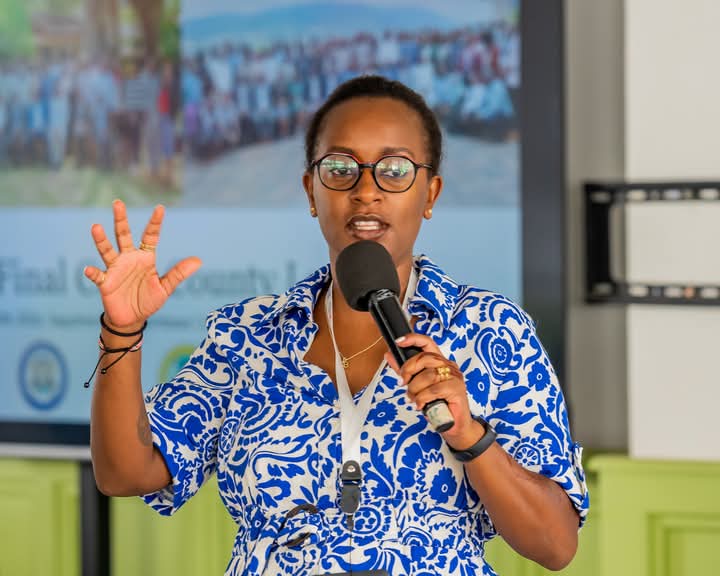
For Jacaranda Health’s Co-Executive Director Cynthia Kahumbura, the heart of the program lies in data and trust.
“Data is our strongest tool for saving lives, but it only works when built into the government systems that mothers already trust. By sharing strategy and data, we are building a sustainable foundation for maternal health in Kenya.” She said.
Her words captured the essence of the workshop: progress is not just about isolated interventions, but about building a connected ecosystem where mothers receive timely advice, health workers are prepared for emergencies, and leaders act on real-time data.
The KQE project has shown that when mentorship, technology, and financing converge, lives are saved. Kisii’s dramatic decline in maternal deaths, Mombasa’s expansion of newborn units and referral systems, and Makueni’s NICU for preterm babies are proof that Kenya’s counties are on the path to lasting change.
As the workshop closed, the sense of unity was clear. Each county is unique, but together they are building a foundation that can be cascaded nationwide. With maternal mortality dropping and newborn survival improving, Kenya is steadily moving toward a future where every mother delivers safely and every newborn has a healthy start in life.