
|
Getting your Trinity Audio player ready...
|
By Shaban Makokha
Kakamega County, Kenya: As Kenya’s sugar industry grapples with pressure to boost productivity and competitiveness, a critical bottleneck has emerged in the sugarcane supply chain: transportation. Inefficient and unsafe haulage systems are eroding profits for both millers and farmers through costly spillage, delays, and road accidents.
For decades, milling companies have relied on open tractor-trailers to ferry cane from farms to factories. This system has proven problematic. The slow pace of tractors delays delivery, while protruding cane and inadequate lighting on the trailers pose serious dangers to other road users, especially at night. Furthermore, significant revenue is lost from cane that spills en route—a direct hit to farmers’ yields and millers’ bottom lines.
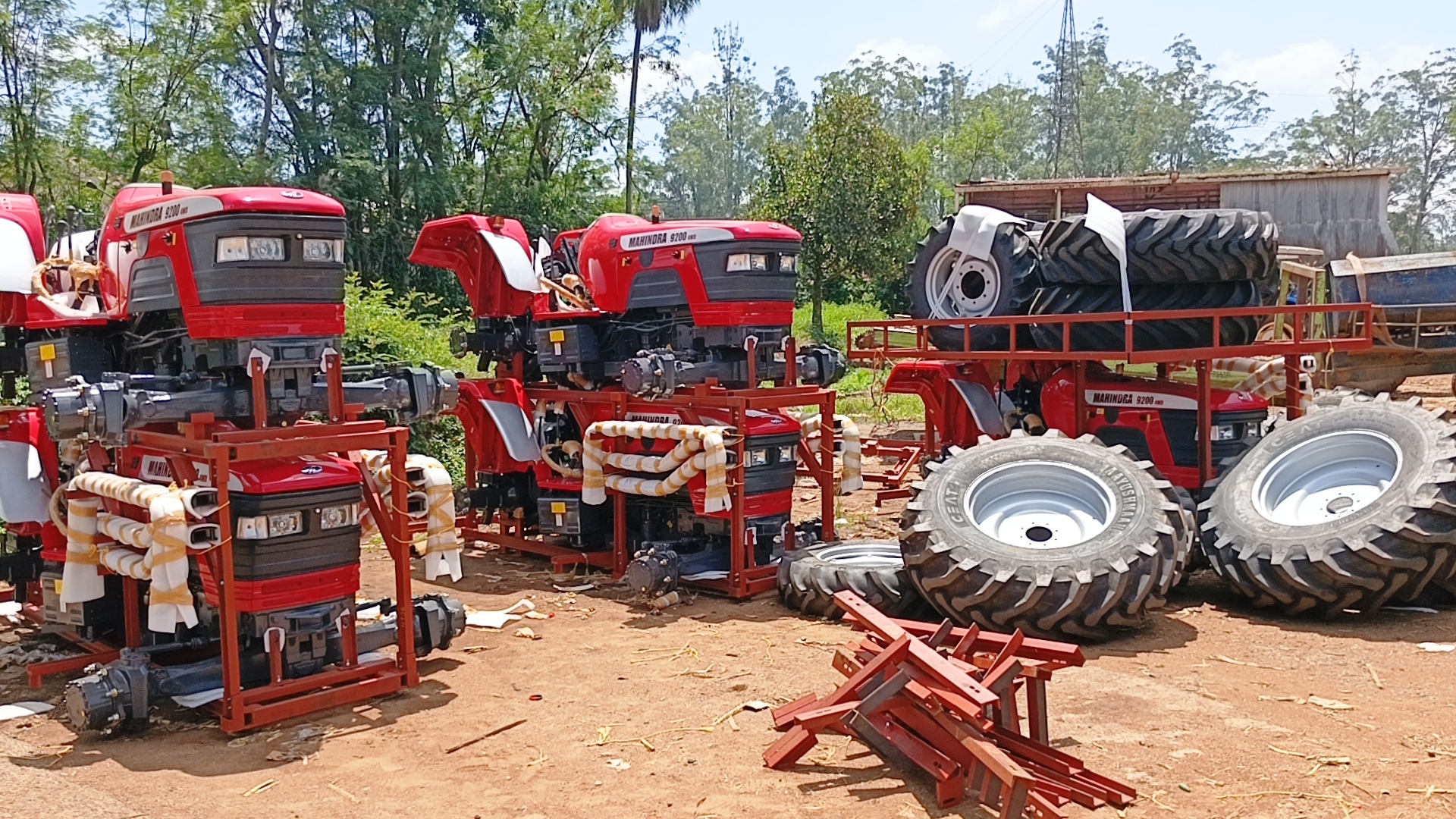
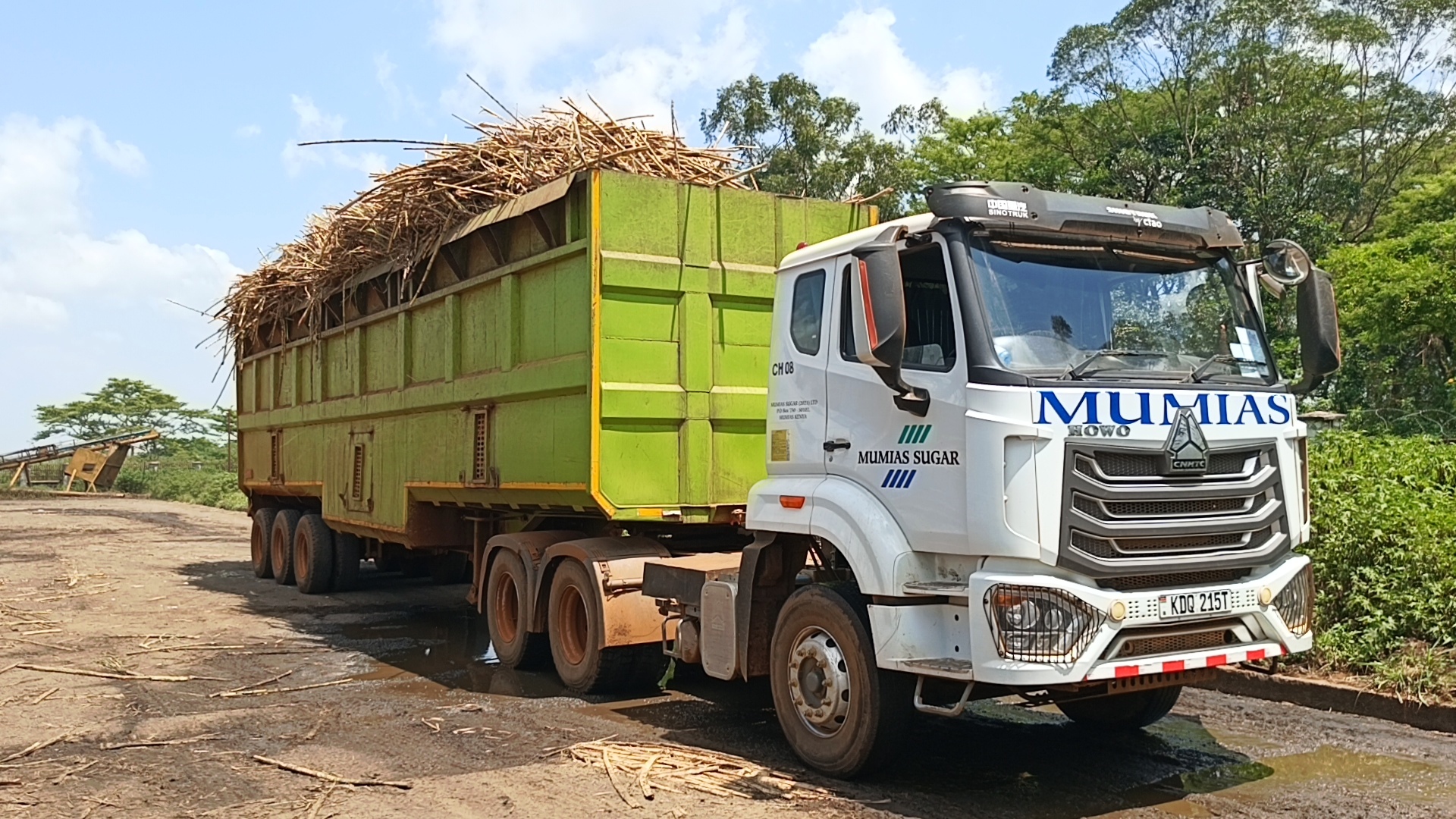
In response to these challenges, Mumias Sugar Company is pioneering a shift. The firm has introduced 60 enclosed “box-trailers,” a move it says prioritizes road safety, minimizes spillage, and protects farmer incomes.
“Our number one priority is the sugarcane farmer. If farmers stop supplying us with cane, then we shall be forced to shut down,” said Mr. Stephen Kihumba, Mumias Sugar Company Head of Operations and Administration. “We are protecting the interests of farmers at all levels.”
The company is fabricating and assembling the trailers in-house, which Mr. Kihumba says cuts costs and allows for direct quality control. The new design offers multiple advantages: it makes the cane inaccessible to theft during transit, allows for faster travel compared to sluggish tractors, and can carry the equivalent load of three or four traditional trailers, saving on transport expenses.
Perhaps most significantly, the initiative is part of a broader effort to shield farmers from exploitation within the supply chain. Mr. Kihumba highlighted how loaders were previously overcharging farmers. “A trailer meant for 10 to 15 tonnes would be loaded with only 5 tons, yet the farmer was charged Sh2000,” he explained.
To curb this, Mumias has taken over direct payment to loaders at a standard rate of Sh150 per tonne, a system that ensures transparency and guarantees farmers receive full weight credit for their harvest at the mill’s weighbridge.
“This measure enhances transparency and accuracy in cane handling, protecting farmers from losses and improving efficiency,” Mr. Kihumba stated. The expansion of the box-trailer fleet has also created jobs for 45 drivers and 180 loaders.
The push for transport innovation comes against a grim backdrop. The National Agriculture Production Report 2024 cites poor feeder roads in sugar zones as a major cause of post-harvest losses, leading to spillage, high fleet maintenance costs, and cane quality deterioration. By adopting safer, more efficient box-trailers, Mumias aims to build a more resilient and profitable supply chain from the ground up—starting with the farmer.
“This is about strengthening accountability,” Kihumba concluded. “The farmer is the foundation of the entire sugar value chain. All other players must respect and support that role.”