|
Getting your Trinity Audio player ready...
|
By Henry Owino
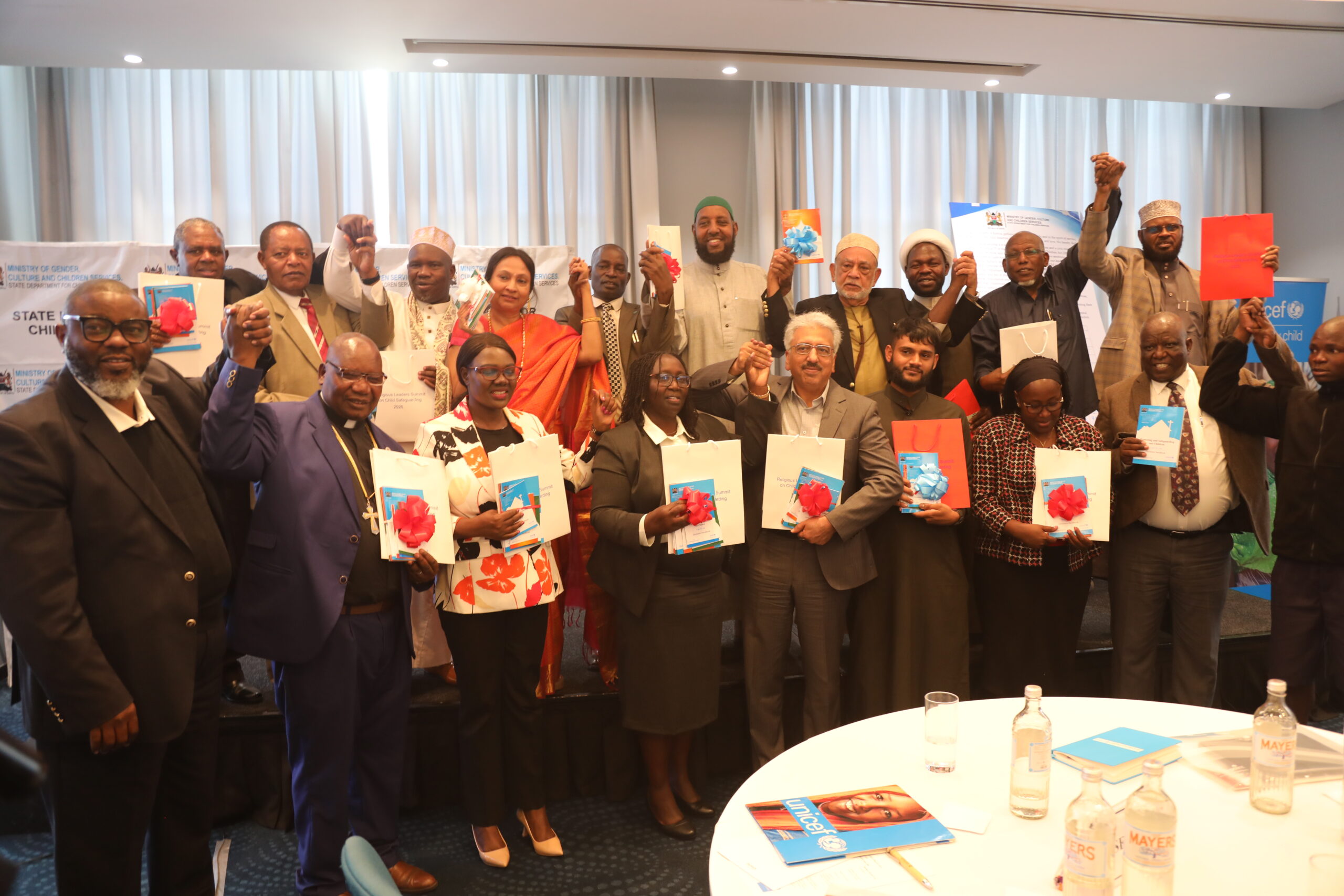
Nairobi, Kenya: The Kenyan Government has launched a handbook known as Faith for Life on Child Protection to help religious leaders and communities to fight against child abuse and safeguard children’s rights.
The launch comes at a time when there are reports of rising cases of child abuse across the country. The incidents range from physical and sexual abuse to trafficking, child labor, and early marriage.
The latest incident happened recently in Kajiado County, where a female student was rescued when she had been married off by her family. The local child protection agency intervened and rescued the girl, who was taken back to school.
The Government,t through the Ministry of Gender, Culture and Children Services, unveiled the handbook that is aimed at equipping religious leaders and communities to prevent, identify, and respond to child abuse while promoting safe environments and safeguarding every child’s rights and dignity.
Speaking at the launch of the collaboration initiative at a hotel in Nairobi, the line Ministry, Cabinet Secretary, Hanna Wendot Cheptumo, emphasized the influential role of faith leaders in shaping community values and encouraging reporting of abuse cases that often go unreported.
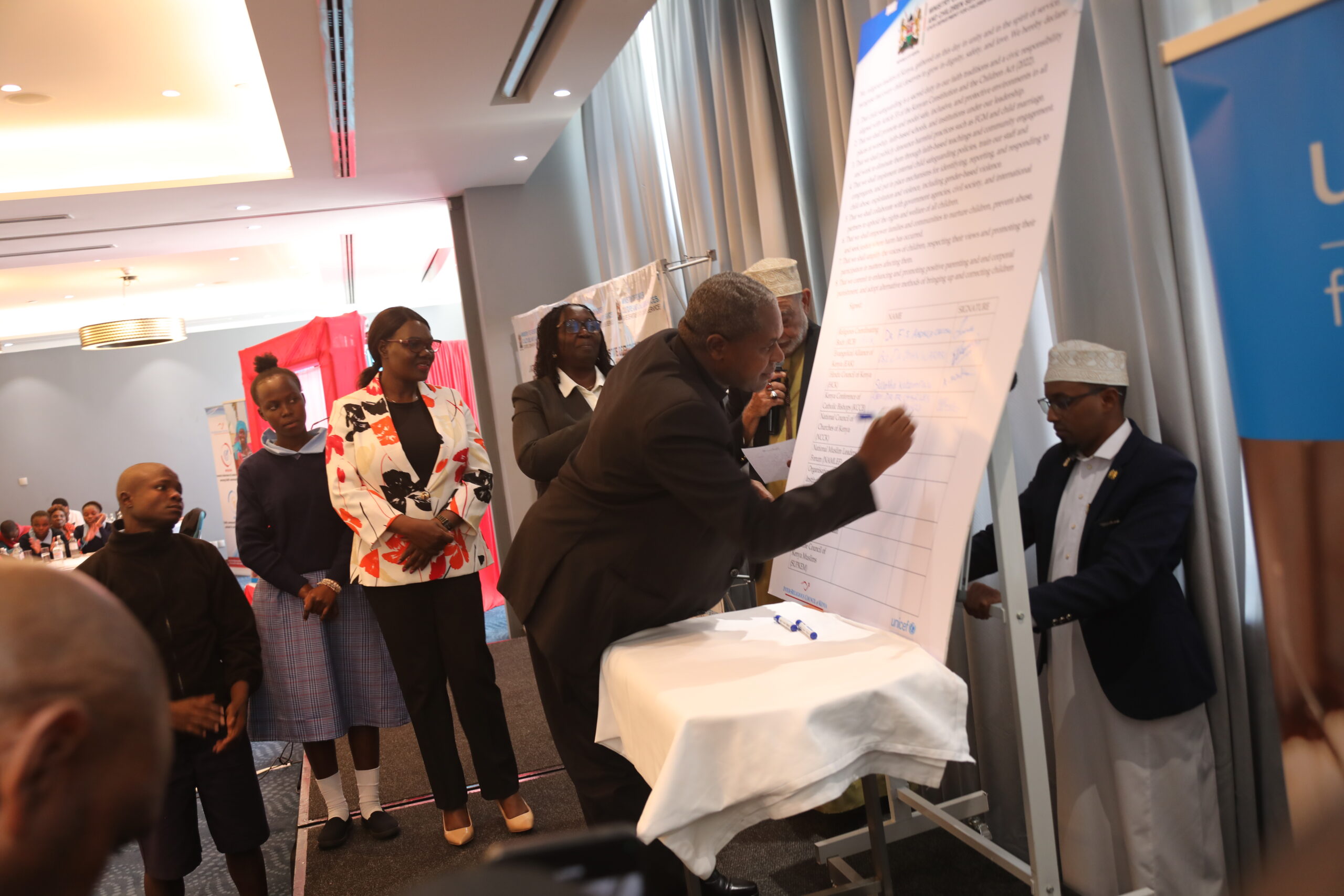
Ms Cheptumo noted that places of worship can serve as safe spaces for education, early intervention, and support for victims and their families. She emphasized that faith leaders have a critical role in shaping community attitudes, encouraging reporting of abuse, and fostering environments where children can grow safely and with dignity.
Ms. Cheptumo said that although children are supposed to live with their parents at home peacefully, circumstances may force places of worship to become safe havens where children are protected, educated, and supported.
“Faith leaders have a vital role in preventing child abuse and ensuring victims receive the care they need at the right time,” CS Cheptumo affirmed.
Joint Effort for Common Goal
It is for this reason that religious leaders joined forces with government authorities in a renewed effort to combat child abuse. The faith organizations are calling for stronger collaboration, awareness, and protection for vulnerable children.
The partnership aims at addressing the rising cases of abuse through prevention programs, community engagement, and tougher enforcement of child protection laws. The collaboration is therefore expected to focus on public sensitization campaigns, training for religious leaders, and closer coordination with child welfare agencies.
The Faith-based organizers said the initiative is projected to strengthen existing child protection systems and ensure that cases of abuse are handled swiftly and transparently.
“This is a collective responsibility,” said Carren Ageng’o, Principal Secretary, State Department for Children Services. Adding that, the government alone cannot win this fight. By working with religious leaders who have direct access to families and communities, we can break the silence around child abuse and protect our children more effectively.”
Ms Agengo vowed that the Ministry will strengthen enforcement of child protection laws, enhance coordination with faith-based and community organizations, and ensure that every reported case of abuse is investigated promptly and victims receive proper care and support.
Rev. Dr. Elias Agola, representative of the religious leaders, echoed the sentiment, stressing the moral duty of faith institutions. “Every child is sacred and deserves to grow up in safety and dignity,” the leader said. “We are committed to using our platforms to educate our congregations, support victims, and ensure that perpetrators are held accountable.”
Dr Shaheen Nilofer, UNICEF Country Representative, Kenya, said his organization is known for its long-standing role in child protection. He also supported the initiative, emphasizing the need for stronger partnerships, prevention programs, and community-based interventions to safeguard children from abuse and exploitation.
The main faith-based organizations forming the larger Inter-Religious Council of Kenya (IRCK) include Christians, Muslims, and Hindus. They agreed that collaboration is mainly to promote moral guidance, social cohesion, and, now, joint efforts in child protection across the country.
The three major religions in Kenya are represented by nine coordinating bodies: Five for Christians, three for Muslims, and one for Hindus. These bodies have committed to sustaining cooperation between government agencies and faith-based organizations to achieve lasting impact in child protection. They also urged communities to speak out and report abuse wherever it occurs.
MOU for Commitments
All nine religious bodies signed a Memorandum of Understanding (MOU) to demonstrate their commitment to the fight against child abuse and strengthen collaboration with government agencies.
The Ministry also highlighted a free toll-line for child protection, 116, which operates 24/7 to receive reports, offer guidance, and ensure timely intervention for children at risk.
Some of the major forms of abuse mentioned include: child labour, trafficking, and early marriage, among others, which speakers said continue to expose children to exploitation, violence, and long-term harm if not urgently addressed.
Some Major Legal Protections for Children in Kenya
- Children Act, 2022
The principal law governing the rights and welfare of children in Kenya. It explicitly protects children from physical, psychological,l and other forms of abuse, and sets penalties for offenders. The Act also criminalizes online abuse, harassment, and exploitation of children through electronic systems, with fines and jail terms for violations. - Sexual Offences Act (2006)
This Act defines and punishes a range of sexual crimes, including defilement, rape, sexual assault, incest, and exploitation of minors. It also requires mechanisms like a register of sex offenders and provides heavy penalties for sexual offences against children. - Constitution of Kenya, 2010
Under Article 53, every child has the right to protection from abuse, neglect, harmful cultural practices, and all forms of violence, and the law requires the state to take legislative and other measures to ensure these rights are upheld. - Penal Code
The Penal Code criminalizes various forms of child abuse, including physical assault and other acts that harm a child’s safety and welfare, with penalties that can be severe depending on the offence.
5. Child Welfare Provisions
The law also outlaws harmful cultural practices that affect children’s health and dignity, such as forced circumcision, female genital mutilation, child marriage, virginity testing, and similar rites that negatively affect a child’s development.