|
Getting your Trinity Audio player ready...
|
By Shaban Makokha
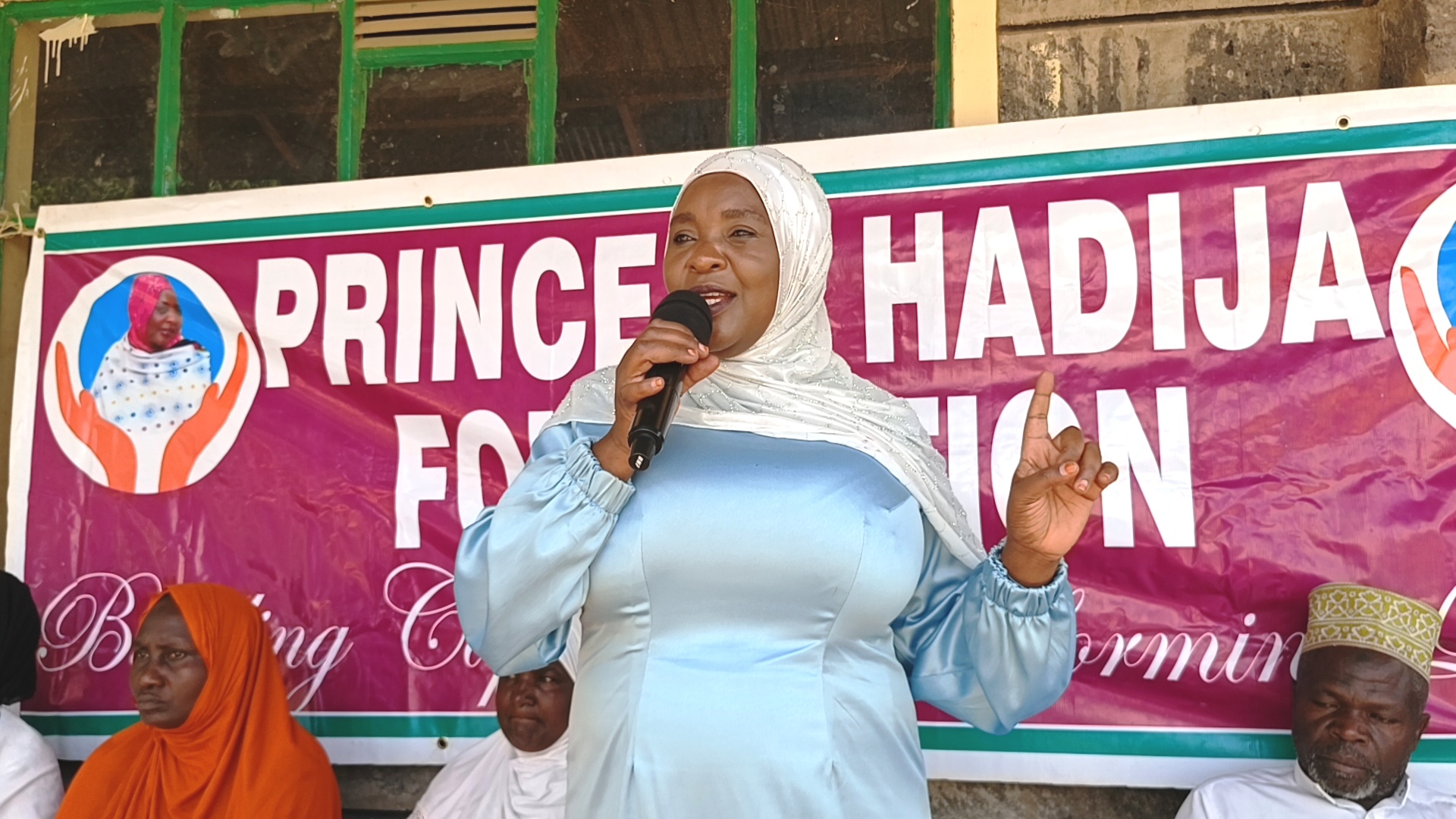
Kakamega county, Kenya: For Muslim women, the hijab is more than a piece of fabric; it is an act of faith, an assertion of identity, and a declaration of personal freedom. This was the central message delivered by Kenya’s Commissioner for Revenue Allocation, Hadija Nganyi, during celebrations marking World Hijab Day at Khungoyokosi Muslim Comprehensive School in Kakamega.
“The hijab is not a mere garment but an act of worship expressing modesty, dignity, and moral strength deeply rooted in Islam,” Ms. Nganyi told an assembly of students, teachers, and parents from several local schools.
The day, observed annually on February 1st, aims to foster cultural understanding and challenge stereotypes. This year’s event was both a celebration and a platform to address ongoing struggles for religious expression.
Ms. Nganyi shared her shock upon learning that many schools in Western Kenya still prohibit the hijab, despite constitutional protections for religious freedom. She recounted the story of a girl in Kakamega who was forced to drop out because of such a ban.
“I made it my business to reach out to all stakeholders,” she said, detailing a three-year campaign through her Princess Hadija Foundation. The initiative has engaged religious leaders, educators, and lawmakers across Vihiga, Bungoma, Busia, and now Kakamega counties to advocate for the right to wear the hijab in schools.
During the event, she donated 2,000 hijabs to Muslim girls and prayer clothes for madrasa women, emphasizing the importance of normalizing modest dress from a young age.
However, the celebrations were tempered by introspection from community leaders. Mr. Suleiman Sarai, Imam of Khungoyokosi Mosque, lamented the lack of Muslim-sponsored secondary schools in Mumias East, forcing students into institutions that may not accommodate their religious practices.
“Muslims have refused to invest in Muslim schools,” he said, “but take their children to Christian-sponsored schools and complain… yet they have their traditions and cultures.”
Echoing this call for self-reliance, Commissioner Nganyi challenged the community to improve its own educational institutions. “It is high time we made our schools attractive,” she urged, noting the neglect some face, like Ba Yusuf Muslim Comprehensive School in Vihiga, which nearly closed due to a lack of basic utilities.
The day also featured personal testimonies. Ms. Zaitun Wawire, Chairperson of the Western Kenya Women Sacco, described the hijab as a source of honor and freedom. She drew historical parallels, noting that modesty in dress has long been associated with God-consciousness across faiths, including in traditional depictions of Biblical figures.
Founded in 2013 by Nazma Khan, World Hijab Day is now observed in 150 countries to combat discrimination and demystify the hijab. For Commissioner Nganyi, it remains a vital opportunity to promote tolerance and empower Muslim women in their choice.
As the event concluded, the message was clear: the hijab is a protected right and a proud identity, but securing its place requires both external advocacy and internal community investment in education and understanding.