|
Getting your Trinity Audio player ready...
|
By Shaban Makokha
Kakamega County, Kenya: A quiet revolution is sprouting in the fields of Kakamega County. Faced with high unemployment, rural youth are turning to agribusiness, transforming the cultivation and sale of African Leafy Vegetables (ALVs) into a viable pathway for income, nutrition, and food security.
Driving this change is a powerful cooperative model, bolstered by simple yet effective cooling technology and support from key partners.
The Kakamega Vegetables Farmers Cooperative Society (KAVECO) was formed to address the common hurdles young farmers face: limited market access, post-harvest losses, and weak bargaining power.
“This collaborative model tackles critical challenges like youth unemployment and limited access to essential agricultural services, demonstrating scalable pathways to sustainable growth,” said Mr. Joseph Shiundu, Chairman of KAVECO.
Through the Resilient Agriculture for Young People (RAY) project—a partnership between the county government, Practical Action, and the Kenya Agricultural and Livestock Research Organisation (KALRO)—young people are trained in modern farming, business skills, and market linkage.
Cold Storage: A Game Changer for Freshness
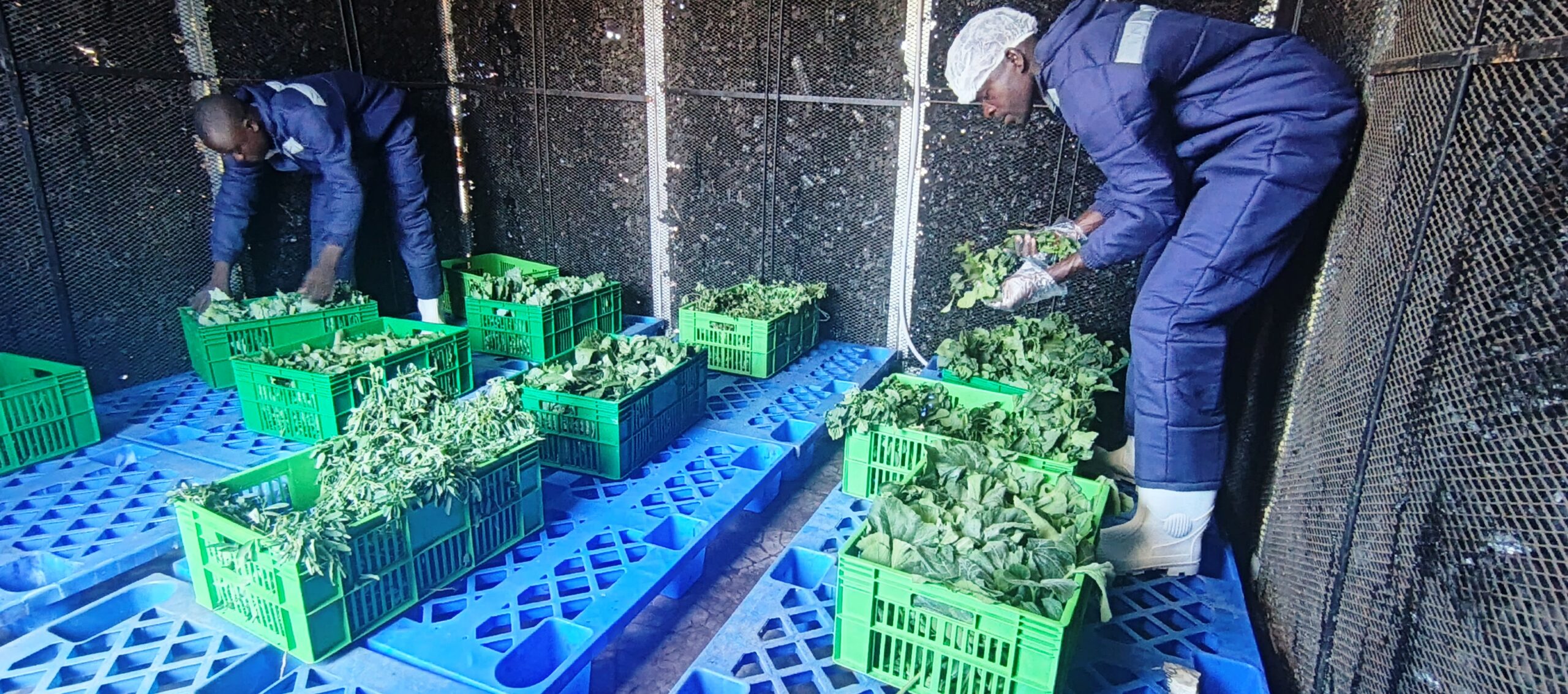
At the heart of this transformation are two solar-powered cold storage facilities in Mumias town. These coolers, which can preserve vegetables for up to two weeks, have revolutionized the local ALV value chain.
“These vegetables can be preserved in the coolers for up to two weeks, and they will remain fresh. We are now operating without the spillover effects of spoilage that were witnessed previously,” said Ms. Grace Akaka, a cooperative member.
The technology is simple but highly effective. Dr. Wellington Mulinge of KALRO explains that the charcoal and electric coolers reduce temperatures by 5-15 degrees Celsius and maintain high humidity. “This drastically reduces moisture loss and spoilage, cutting post-harvest losses by up to 45 per cent,” he said.
Building a Sustainable Enterprise
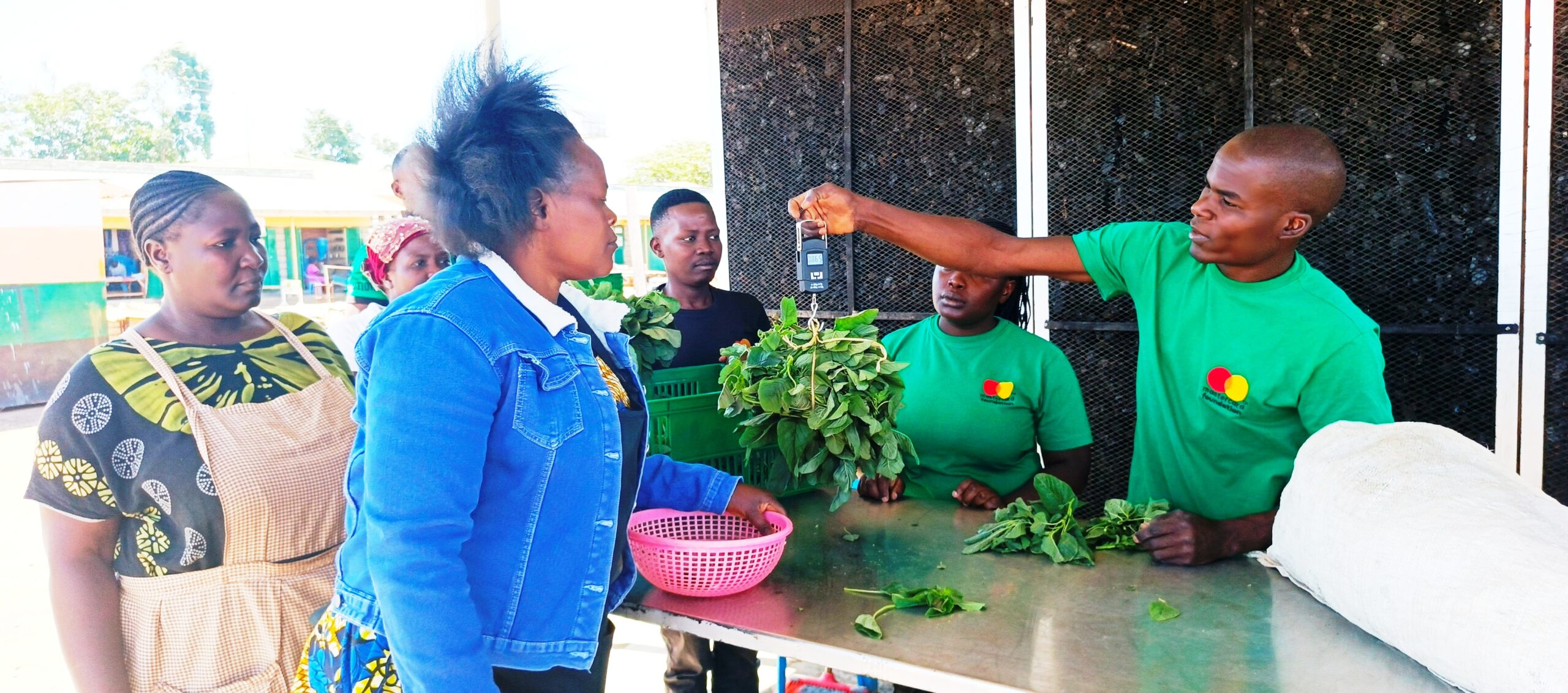
The cooperative does more than just store vegetables. Youths, trained as service providers, receive produce from farmers, weigh it, sort it, and add value by plugging the greens. This ensures quality and attracts clients from hotels, traders, and individual consumers.
“When market prices are low, some traders preserve their vegetables with us until prices improve. The coolers enable shelf-life extension and help everyone make better profits,” said Mr. Mark Mutimba, a KAVECO official.
Ms. Mourine Rapando, a project officer with Practical Action, highlighted the strategic impact. “We are pleased that this youth group has pioneered the use of coolers. We recruit, train youths, and link them directly with farmers to ensure a steady supply of fresh vegetables.”
Challenges and the Path Forward
Despite the success, barriers remain. Some youths face transport challenges and delayed payments from farmers. There is also a continuous need for refresher training in areas like climate-smart agriculture and financial literacy.
Ms. Rapando advocates for scaling the proven model. “This model works very well. Scaling it would increase our impact and reach more youth. The cooperative structure is ideal for scaling because it helps youth reach many farmers and even buy back their produce.”
This youth-led, cooperative model offers a powerful blueprint for rural transformation across Kenya. By blending indigenous crops, modern agribusiness skills, and appropriate technology, it is building resilient value chains and planting the seeds for a more prosperous future.