|
Getting your Trinity Audio player ready...
|
By Omondi Rodgers
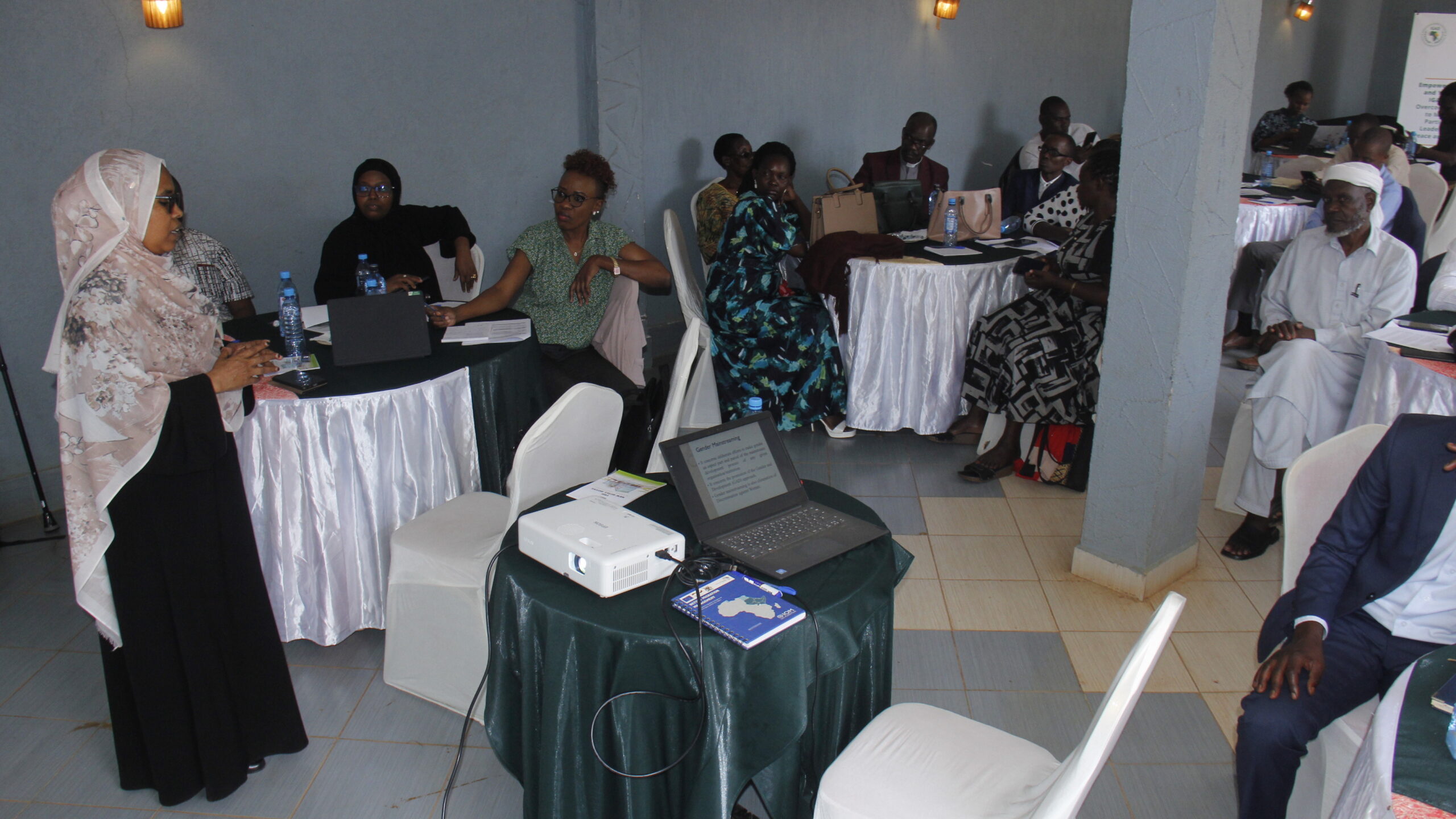
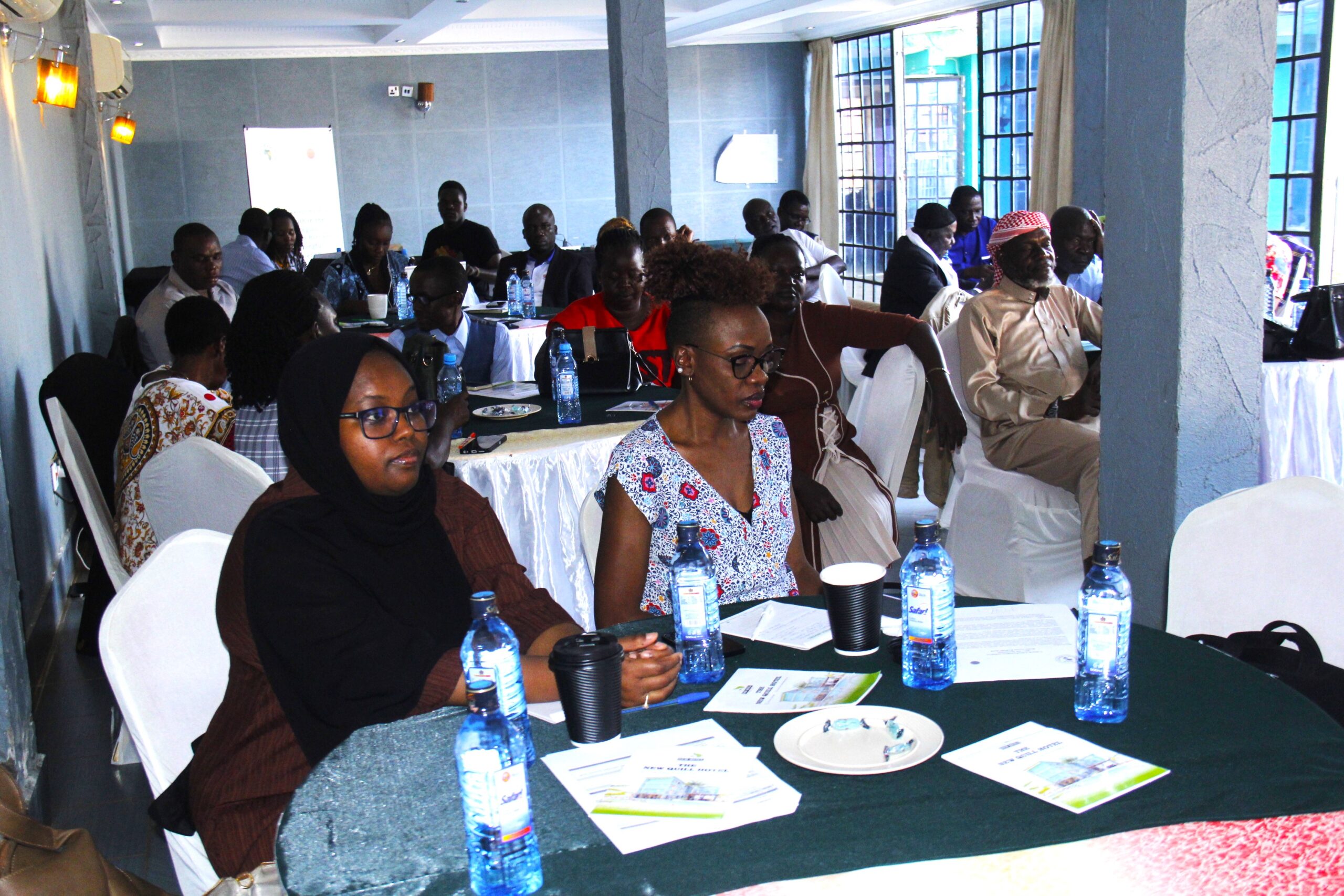
Busia — The Intergovernmental Authority on Development (IGAD) convened a cross-border meeting in Busia to advance gender equality and women’s empowerment, bringing together Kenyan and Ugandan stakeholders as part of its cultural transformation initiative.
The forum gathered cultural and religious leaders, media practitioners, government officials, youth representatives, gender experts, and civil society organizations from both sides of the border. Its goal was to examine local norms and cultural practices affecting women’s rights and opportunities in border communities.
Amina Farah, IGAD’s Gender Manager, emphasized the importance of community input in designing effective programs. “This engagement is essential to develop interventions that truly address local needs. Beneficiaries must be part of the creation process,” she said.
Farah also highlighted how understanding shared cultural practices can strengthen regional integration. “Border communities here often sing both national anthems—this shows the strong cross-border ties we can build on to enhance trade and regional unity.”
She stressed the need to promote positive cultural practices while discouraging harmful ones. “We must confront challenges like early marriage, widow inheritance, and gender-based violence, which persist in these communities. Interestingly, many of these harmful practices are similar on both sides, showing how much unites these communities.”
Sem Okumu, an officer from Uganda’s Busia District, pointed to practices endangering women and girls. “We have developed action plans to eliminate injustices and harmful practices that promote GBV. Failure to act leaves women continually vulnerable to rights violations.”
He called for a collective response: “Ending GBV requires all sectors—each has a role in either ending or perpetuating these practices. Without action, we risk more GBV, school dropouts, early marriages, and continued vulnerability.”
Religious leaders also voiced their commitment. Bishop James Wanyama of Grace Fellowship International Busia urged faith leaders to use their platforms to preach equality and reject discriminatory norms.
Olivia Tebaise of Uganda’s Iteso Cultural Union echoed the call to end harmful traditions. “In this generation, women should not be inherited after losing their husbands. Every girl deserves an education and equal value in society.”
Community elder Godfrey Wabwire highlighted ongoing issues such as gender discrimination in land succession. “We must work together—parents, elders, government—to support girls and women, especially on land rights, so we can build a community of equals.”
Sheikh Isa Musa Michael, Secretary General of SUPKEM in Busia County, urged elders to identify and abolish deeply discriminatory norms, pledging to use worship spaces and all available platforms to advocate for equality.
Victor Odanya, a journalist from Busia, underscored the media’s role. “We must develop programming that promotes positive norms and empowers marginalized groups, while advocating publicly for the rights of all.”
The meeting concluded with a shared resolve to continue cross-border cooperation in promoting gender equality and eliminating harmful practices across the Kenya-Uganda border.