

|
Getting your Trinity Audio player ready...
|
By Mercy Kachenge
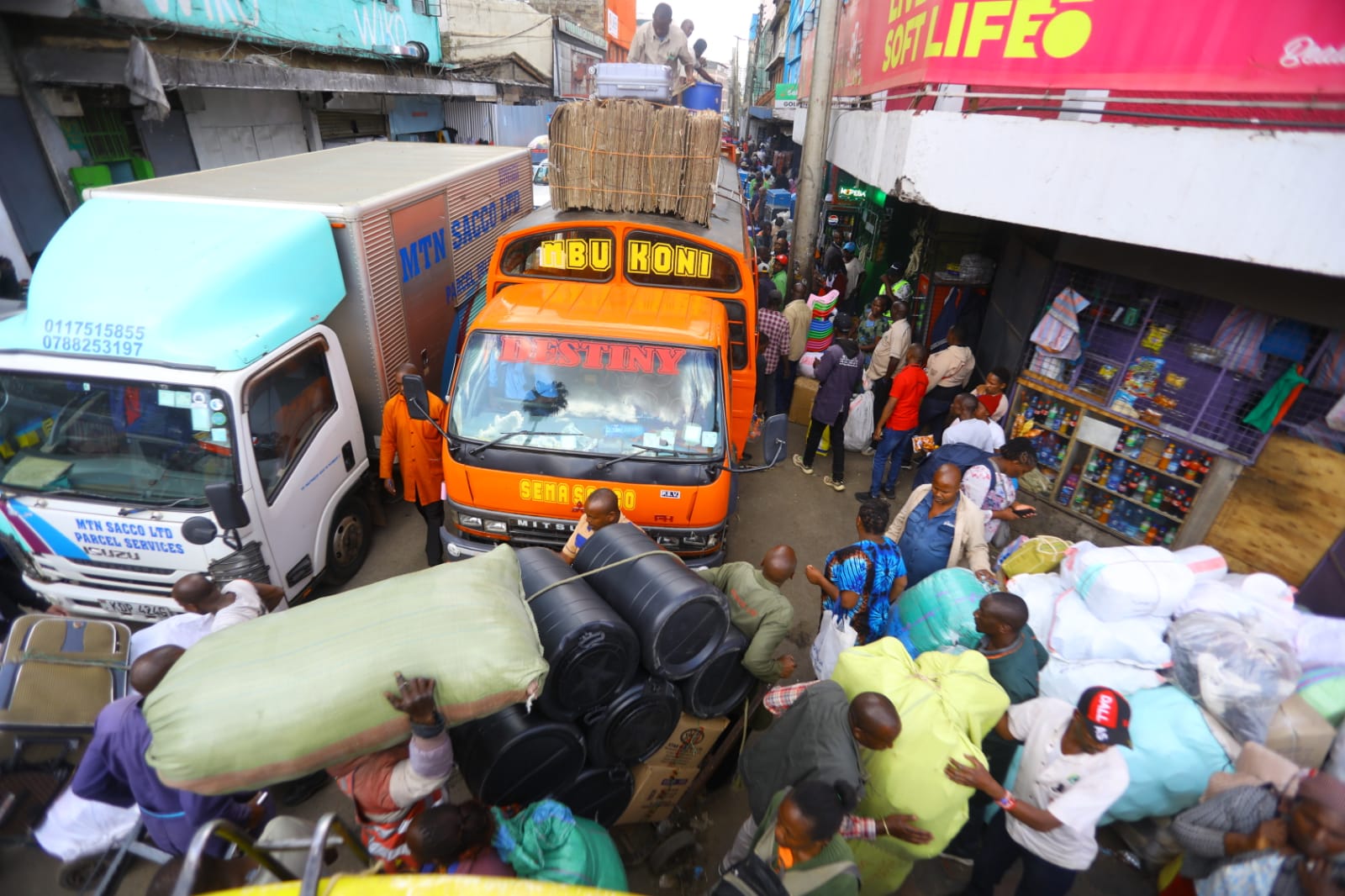
Nairobi, Kenya: Every December, thousands of Luhya families stream out of Nairobi and other towns heading back to rural homes in the Western region of Kenya. Buses overflow with mattresses tied to rooftops and bags squeezed between seats.
Beneath the surface of what appears to be a festive Christmas-fueled migration marked by packed suitcases and long road convoys lies a powerful, informal system.
This system, which peaks annually, is a unique blend of culture, economics, leadership, and accountability. Though rarely documented, it is profoundly embedded in the social fabric of Western Kenya.
Collins Waingo, a Luhya community elite and trained biomedical scientist based in Kakamega, describes December homecoming as more than a holiday tradition. He borrows from Chinua Achebe to explain its deeper meaning.
“A man who calls his kinsmen to a feast does not do so to save them from starving,” Achebe wrote. “We come together because it is good for kinsmen to do so for the sake of unity.”
“In the same way,” Waingo says, “we do not return home because our people lack food. We return because the community must be renewed.”
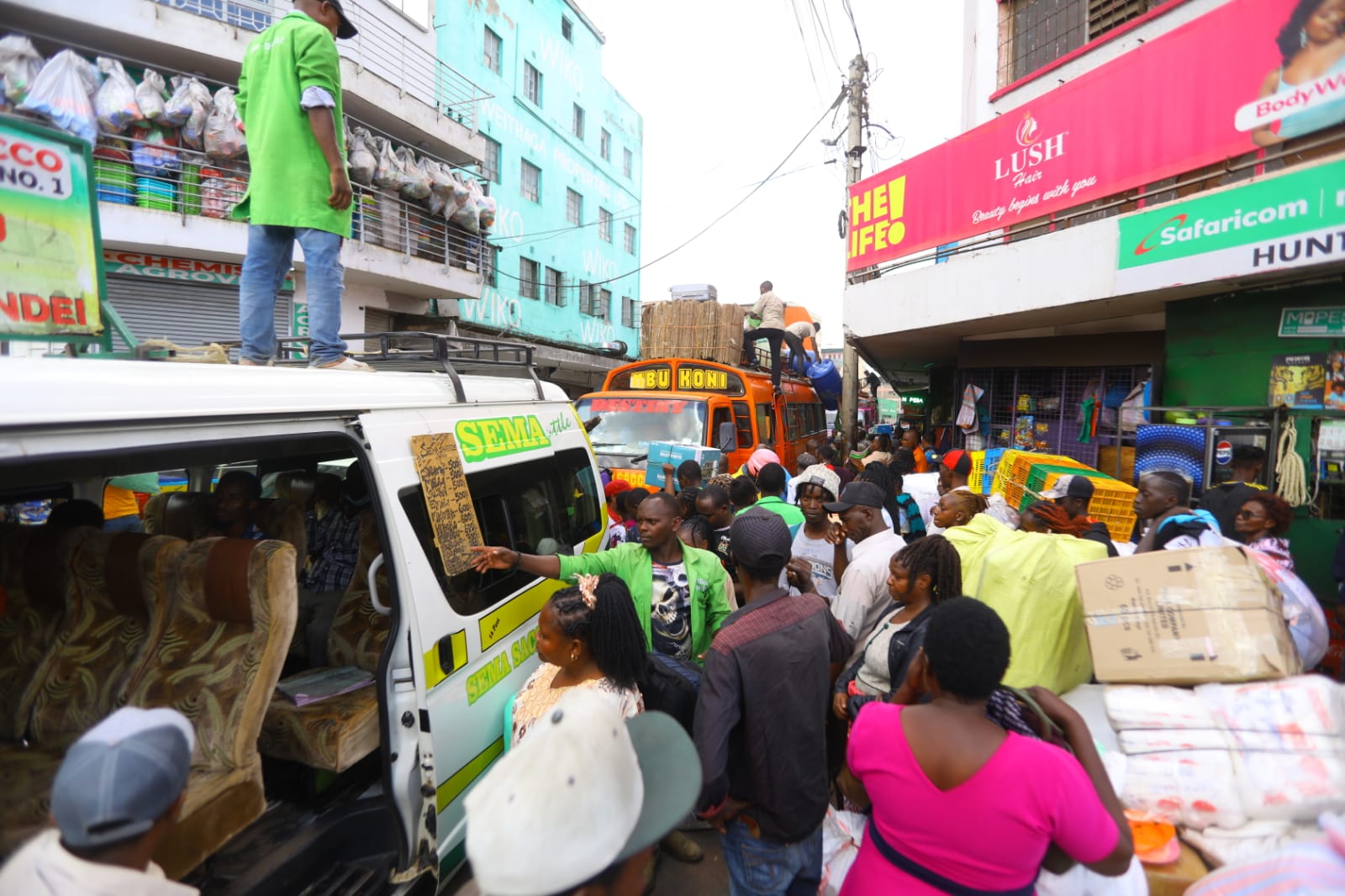 The bus screeches to a halt into Kakamega’s busy stage. Collins Waingo’s eyes rove the crowd until he spots his wife and children, weary but smiling after their long journey from Nairobi.
Neighbors wave and call out greetings as their bags and gifts are unloaded. Lifting his youngest into his arms, Collins laughed amidst the bustle, home had finally arrived
For the Luhya community, December homecoming is a ritual of belonging. Families gather to share roasted chicken aka kuku choma, laughter, and stories, reinforcing bonds that urban life strains throughout the year.
Critics who mock Luhyas for carrying food, beddings, and household items back to the village miss the point, Waingo argues. “It is not about what we carry. It is about what we reaffirm—identity, responsibility, and togetherness.”
That responsibility, he says, extends beyond family reunions. December is when elites are expected to account for their progress and reinvest it in their roots. Contributions toward school fees, church projects, farming inputs, land matters, and youth activities often peak during this period. The village becomes both witness and beneficiary of individual success.
In Butere Sub-county, community elder Edwin Khasakhala sees the December return as cultural restoration. A lifelong farmer and respected mediator, he says no other time of year reconnects families as powerfully.
“December is when people leave their work in towns and come home,” he says. “It is the only time we are sure families will sit together, eat together, and remember they belong to one place.”
For many rural households, December preparations begin weeks in advance. Children in cities call home, send money, and plan journeys. By mid-December, villages fill with returning relatives, turning quiet homesteads into lively social spaces.
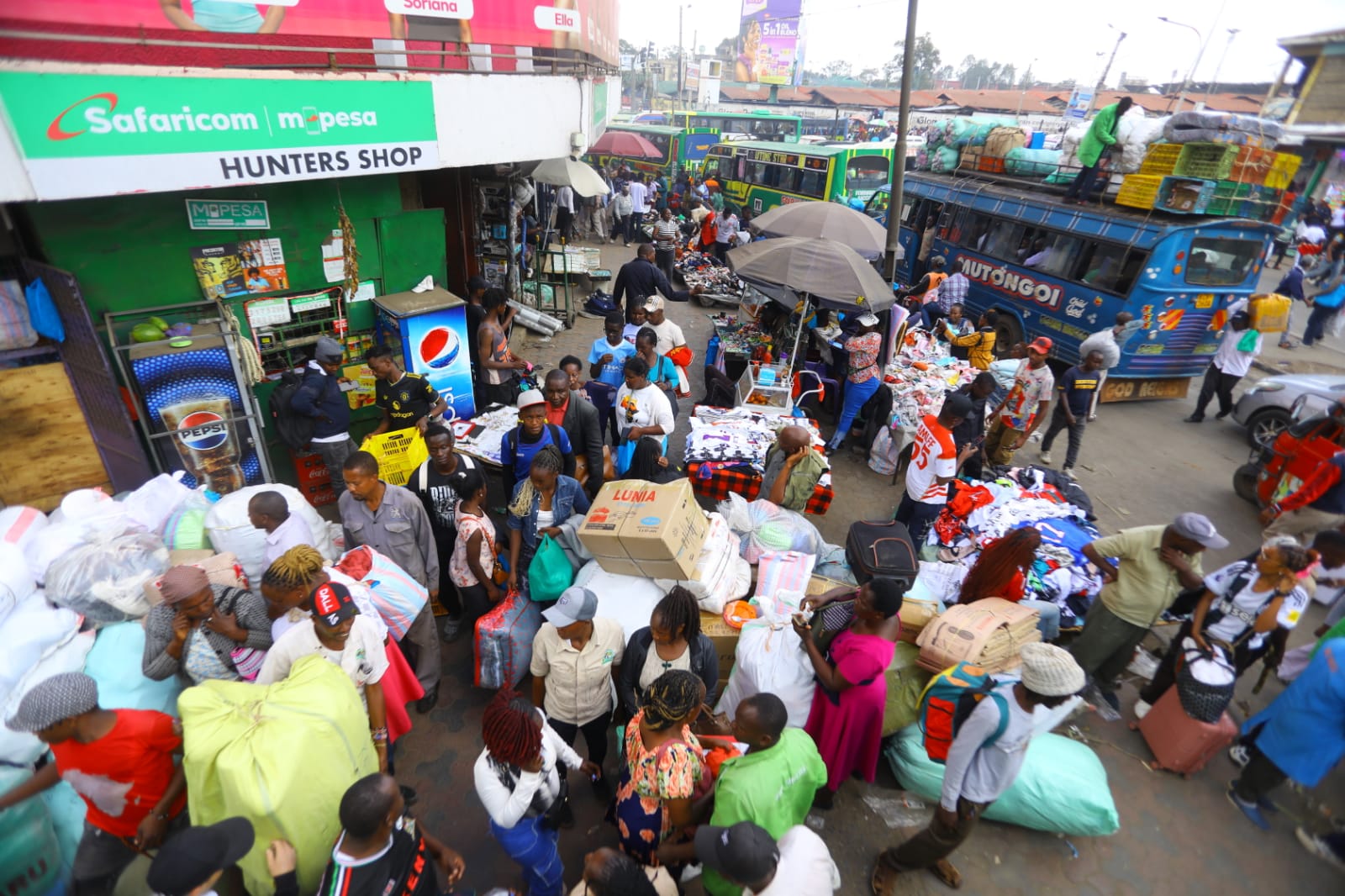 “When they arrive, we become one family again,” Edwin says. “We share meals, stories, and celebrate Christmas together.”
“The items people carry home, he explains, are deeply symbolic. Mattresses and blankets signal growth and long-term investment in the rural home. Food represents generosity and willingness to share prosperity. Gifts express appreciation to villagers who, in return, offer support during difficult times” Edwin explains.
Adding “These things show someone has not forgotten their people,” Edwin says.
But December homecoming also carries moral weight. In earlier times, failing to return home during Christmas was viewed as a rejection of culture. Repeated absence was interpreted as disrespect toward elders and community values.
“People who do not come home are seen as not embracing unity,” Edwin says. “They are treated like outsiders.”
Despite modernization and technology, he believes the December migration has preserved Luhya traditions. Public holidays allow families time to reunite, visit ancestral graves, honor the departed, and pass cultural knowledge to children, especially language.
“Children must know where they come from,” he says. “If they grow up without coming home, they lose their roots.”
The cultural pull of December is matched by its economic impact, particularly in transport. At ENA Coach, clerk Erick Kilibwa says the festive season transforms operations.
“December is busier than any other month,” he says. Passenger numbers on Western Kenya routes increase by about 15%, driven by families traveling together for Christmas and New Year celebrations.
The company operates 8 to 10 buses daily to Western Kenya during December, compared to only 5 or 6 in other months. Each bus carries 40 to 47 passengers during the peak period, far above normal. While many operators hike fares from 1,600 shillings to 2,000–2,500, ENA maintains its Nairobi-to-Western fare at 1,600 shillings, making it both accessible and predictable for travelers.
Bookings often begin as early as the first week of December as travelers rush to secure seats. Families carry all kinds of items, packed far beyond the usual load.
The surge affects pricing, scheduling, and staffing. More trips are added, and pressure mounts on drivers and clerks to manage fatigue, traffic congestion, and safety risks. Yet despite the challenges, December remains crucial to the transport business ecosystem.
“If December travel declined, passenger service vehicles would suffer major revenue losses,” Kilibwa says.
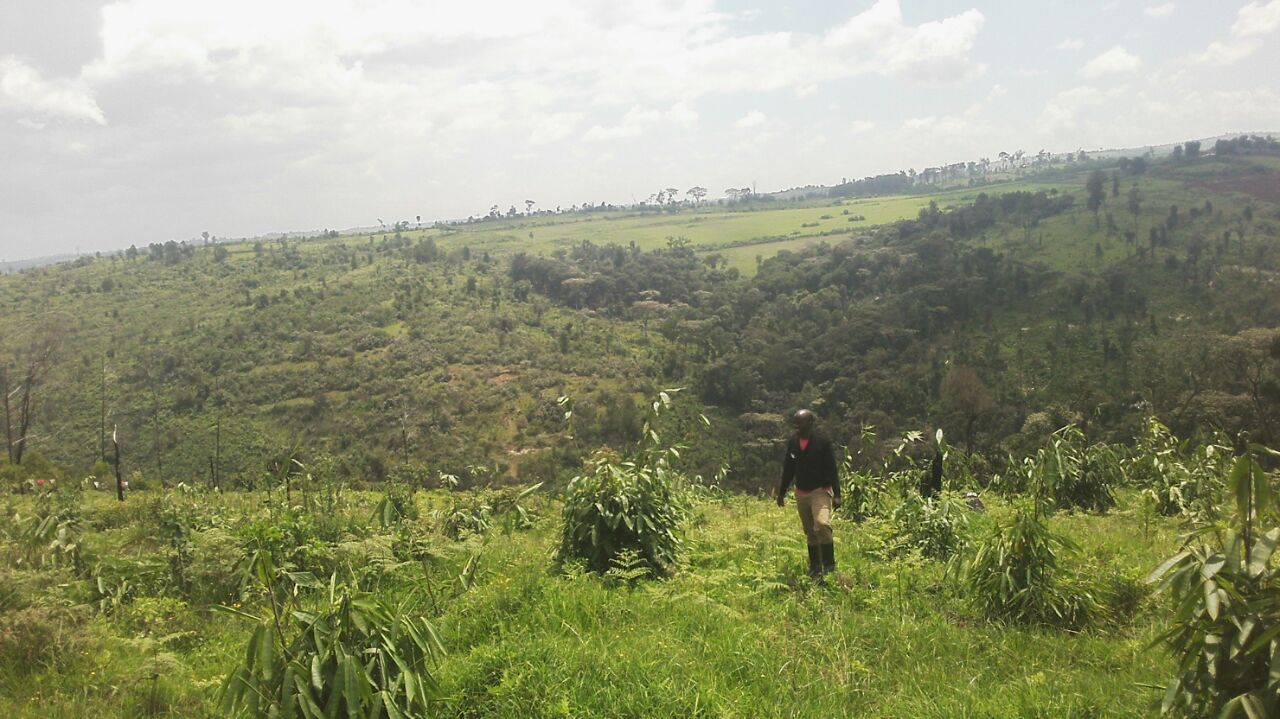
Back in the villages, the money and goods brought home circulate quickly. Funds are used to prepare land for January planting, boosting future harvests and food security. School fees paid during the holidays help ensure children return to class. Church projects often take off because decision-makers and contributors are physically present.
Waingo notes that these visits also provide free guidance and mentorship. Informal counselling sessions under trees or at homesteads address family disputes, youth behavior, and social problems.
Over time, communities point proudly to projects completed using December contributions, a house improved, a child retained in school, a farm expanded.
There is also unspoken pressure among elites to demonstrate progress. Many organize football tournaments and youth activities, signaling commitment to community leadership.
“Those who later become elected leaders are often the same people who consistently showed up in December,” Waingo observes. “Visibility, generosity, and involvement build trust.”
The cost of absence, both elders and elites warn, is steep. When elites stop returning home, villages lose leadership and protection. Political leaders may neglect communities that lack strong voices to question or hold them accountable. Cultural practices weaken, and children raised entirely in towns drift further from their heritage.
“If December homecoming stopped tomorrow,” Waingo says, “Western Kenya would lose its sense of belonging. Culture would erode, development would slow, and leadership at the grassroots would weaken.”













Everyone should read this .
The art of the artist of this article is impeccable.
Thank you,I’m humbled 🙏
Comments are closed.