

|
Getting your Trinity Audio player ready...
|
By Isaac Wanjekeche
Bungoma County, Kenya: In Sitikho village, Bungoma County, a grandmother has built what Kenya’s health system has failed to provide.
Unable to afford the KSH500 for each public hospital physiotherapy session, 60-year-old Elizabeth Nelima dug a knee-deep hole behind her mud-walled home. Her goal was simple: to help her eight-year-old granddaughter, Sussy Nanjala, who has a physical disability, learn to stand.
“I dug that hole because therapy is too expensive,” Nelima explains, her voice steady but heavy. “I could not just watch my granddaughter’s body grow weaker.”
She lined the hole with rags and fashioned a wooden lid to keep Sussy safe and the space dry. Each morning, she would lower Sussy into this makeshift support, gently massaging her legs with ordinary petroleum jelly—the only form of care within her means.
This arrangement, born of sheer necessity, reflects a deeper national crisis: rehabilitation and disability support remain out of reach for countless poor families.
“The system has abandoned people with disabilities,” Nelima says. “It asks for money from those who have nothing.”
Sussy’s story is also one of abandonment. When she was very young, her mother left for Eldoret, “seeking greener pastures,” and never returned.
“She left to look for work… and never came back,” Nelima recalls softly. “Since then, it has been me and this child.”
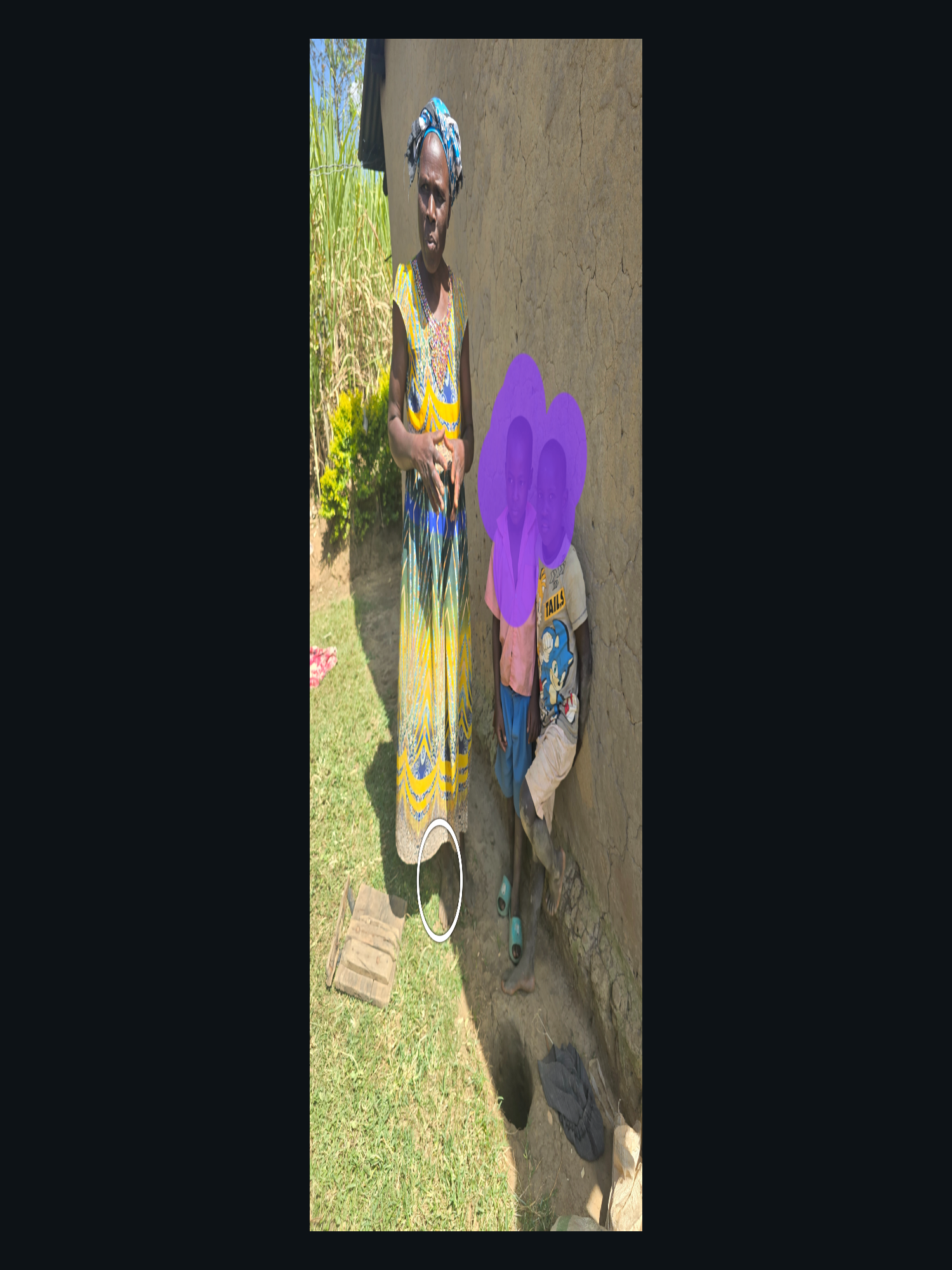
Between caring for her ailing husband and working as a casual labourer on sugarcane farms, the grandmother has taken on roles that demand professional training—yet she perseveres.
Across rural Kenya, many family caregivers face similar realities, resorting to improvised aids—ropes, buckets, broken furniture, old tyres, and now, holes in the ground. Their ingenuity highlights how gaps in health financing and social protection force families into desperate, do-it-yourself care.
When staff from the Joseph Waswa Foundation, in partnership with the Walkabout Foundation, visited Sitikho, the “therapy hole” stood as a raw symbol of resilience forged by hardship.
“What that grandmother created is love under immense pressure,” says Isaac Wanyonyi, a disability rights advocate. “If proper therapy were accessible, she would never have been forced to dig a hole.”
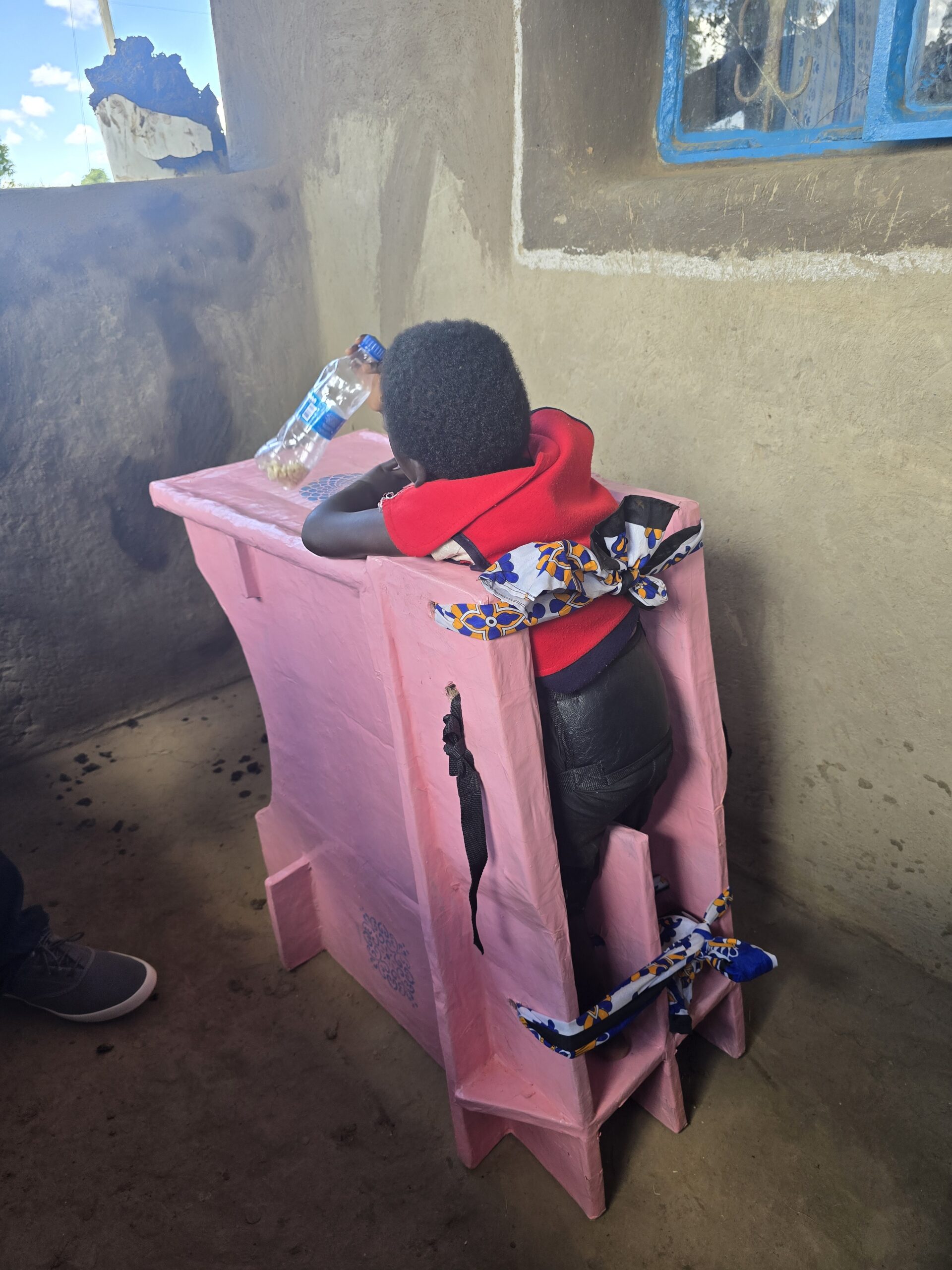
The organisations provided a proper standing frame, allowing Sussy to stand safely and begin a more dignified path toward rehabilitation.
“This board restores more than posture—it restores dignity,” Wanyonyi adds.
Sussy, now eight, has never attended school. The intersection of poverty, disability, and a lack of structured support has kept her isolated at home.
“I want to take her to school, even if it is late,” Nelima says. “They told me she needs a special school… I just want her to have a chance.”
Orthopaedic consultant Dr. Alex Juma emphasizes the urgency: “Early intervention and education are critical. When children with disabilities remain at home for years, they lose developmental opportunities that are difficult to regain.”
Wanyonyi echoes this concern: “An eight-year-old who has never been to school because of disability and poverty represents a systemic failure, not a family’s failure.”
With the new standing frame, Nelima can finally fill in the hole—closing a painful chapter. But her experience lays bare the broader crisis facing countless families in Kenya who are navigating disability without support, clear pathways, or affordable care.
Her determination is extraordinary. Yet, as health and social services continue to fail the most vulnerable, a pressing question remains:




Life is a scene of care and the world is a vale of tears. On the day a man is born the man incurs a debt. The lord God remains our only the binding bond.
Brother you are doing a good job exposing how the societal need change and assistance. You have are helping us to know much about how people suffer in the 4 corners of this world.
We need to do much.
American champion of democracy and the author of the spiritual matters once said, ” I expect to pass through life but once, therefore if there is anything that I can do to help a fellow human being , then let me do it now and not defer it, for I shall not pass this way again”.
Thank you for enlightenment and may God build your efforts, wisdom and knowledge. Thank you for your willing hearts and hands to help. I will forward this to friends so that we have a common denominator to those who can reach you and in solidarity assist in this case.
Thank you brother.
Comments are closed.