|
Getting your Trinity Audio player ready...
|
By Lenah Bosibori
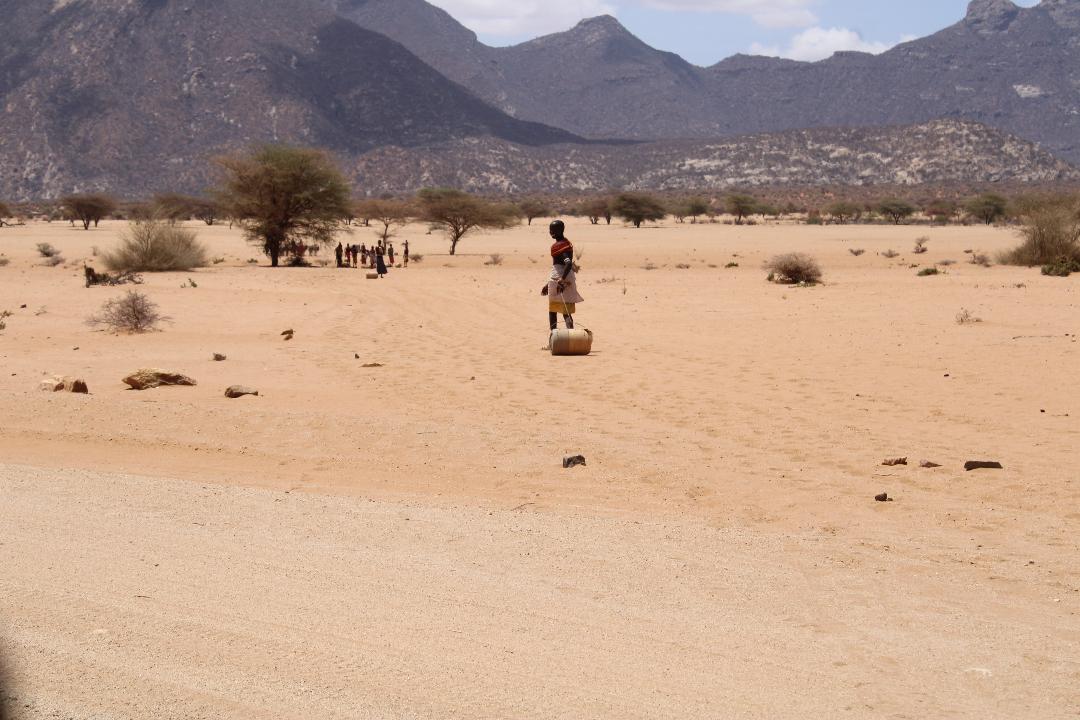
Nairobi, Kenya: Across Kenya’s arid and semi areas, families are walking longer distances for water, livestock are weakening, and meals are becoming fewer. A worsening drought, combined with floods, malnutrition and disease outbreaks, is pushing millions deeper into crisis.
In response, the European Union has allocated KES 37.6 million (€250,000) in humanitarian aid to support communities hardest hit by the overlapping climate and health emergencies. The funding will be implemented through the Kenya Red Cross Society to provide food assistance, clean water, cash support, healthcare and protection services.
More than 1.8 million people are currently facing acute food insecurity, a figure projected to rise to 2.1 million by January 2026. Water sources are drying up, malnutrition rates are increasing, and humanitarian funding continues to decline, leaving vulnerable households with limited options for survival.
According to the Kenya Meteorological Department, the situation is expected to deteriorate further. Forecasts point to below-average rainfall and warmer-than-normal temperatures across much of the country through early 2026.
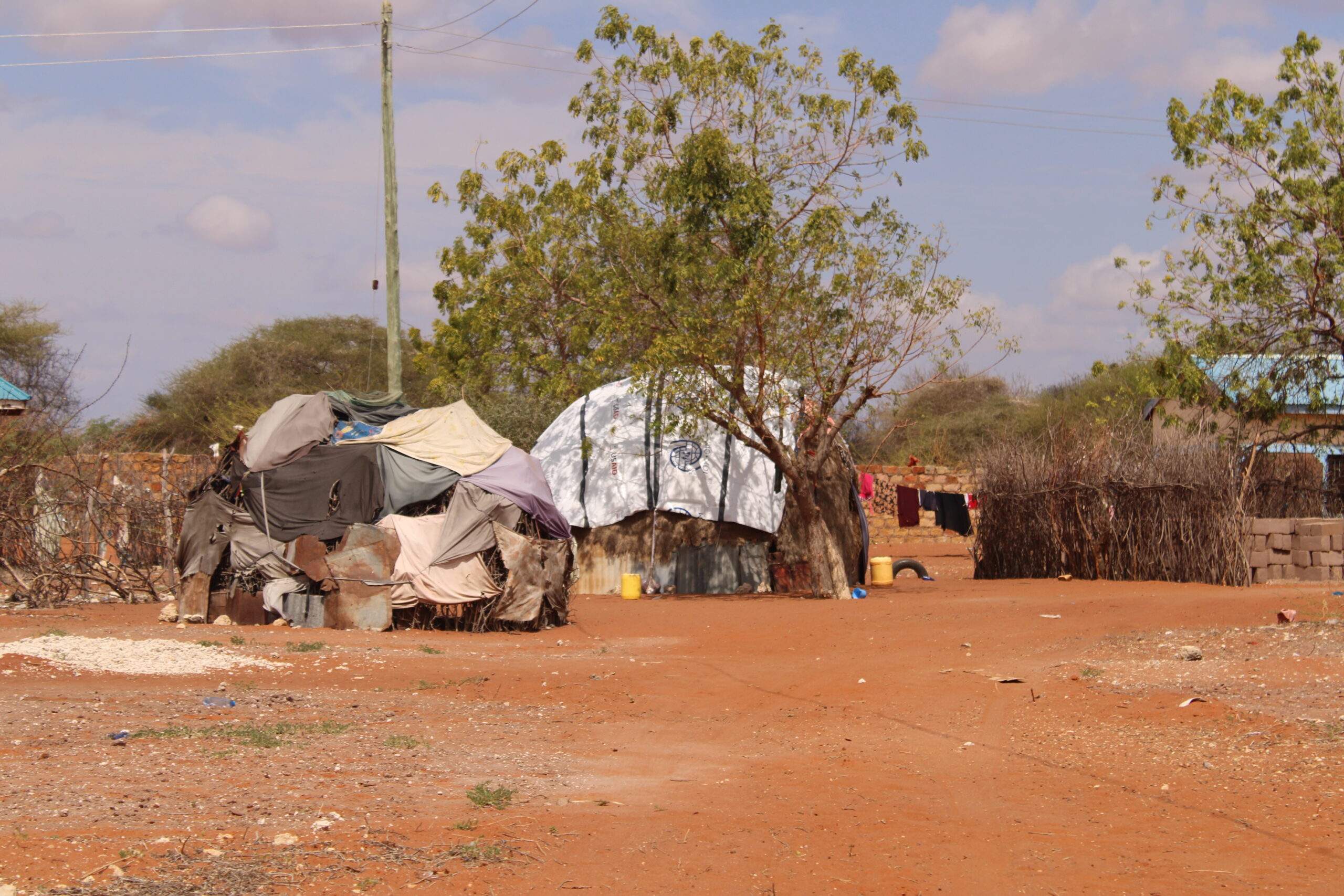
The short rains season underperformed in many regions, particularly in arid and semi-arid lands, increasing the likelihood of prolonged dry spells. As a result, more counties are slipping into drought Alert and Alarm phases, signaling worsening water and pasture conditions.
Kenya’s arid and semi-arid counties remain the most exposed. Over two million people are now at risk of acute hunger across 21 counties. Consecutive failed rains have pushed about 179,000 people into emergency conditions, while an estimated 741,000 children and 109,000 pregnant and lactating women face a high risk of acute malnutrition. For pastoralist communities, shrinking pasture and water points are threatening livestock, a key source of food and income.
At the same time, extreme weather swings are compounding the crisis. While drought tightens its grip in some regions, heavy rains in others have triggered floods and landslides, destroying homes, farmland and livelihoods, and leaving families struggling to recover from repeated shocks.
Public health risks are also increasing. Cholera outbreaks have been reported in Narok and Nairobi counties, with Narok recording a case fatality rate of nine per cent. In drought-affected areas, limited access to safe water has heightened the risk of waterborne and zoonotic diseases, placing additional pressure on already strained health and nutrition services.
The EU-funded intervention will run for six months, until the end of May 2026, and is expected to reach more than 150,000 vulnerable people. The support forms part of the EU’s wider contribution to the Disaster Response Emergency Fund (DREF) of the International Federation of Red Cross and Red Crescent Societies (IFRC), designed to provide rapid assistance during escalating humanitarian crises.
As climate shocks intensify and recovery periods grow shorter, humanitarian agencies warn that without sustained support, vulnerable families will continue to face deepening food insecurity.