
|
Getting your Trinity Audio player ready...
|
By Portus Chege
Kenya’s recent by-elections were not merely a routine political exercise; they were a glaring forewarning. The conduct of these polls reveals an electoral management body in profound dereliction of its duty, setting a dangerous precedent for the 2027 General Election.
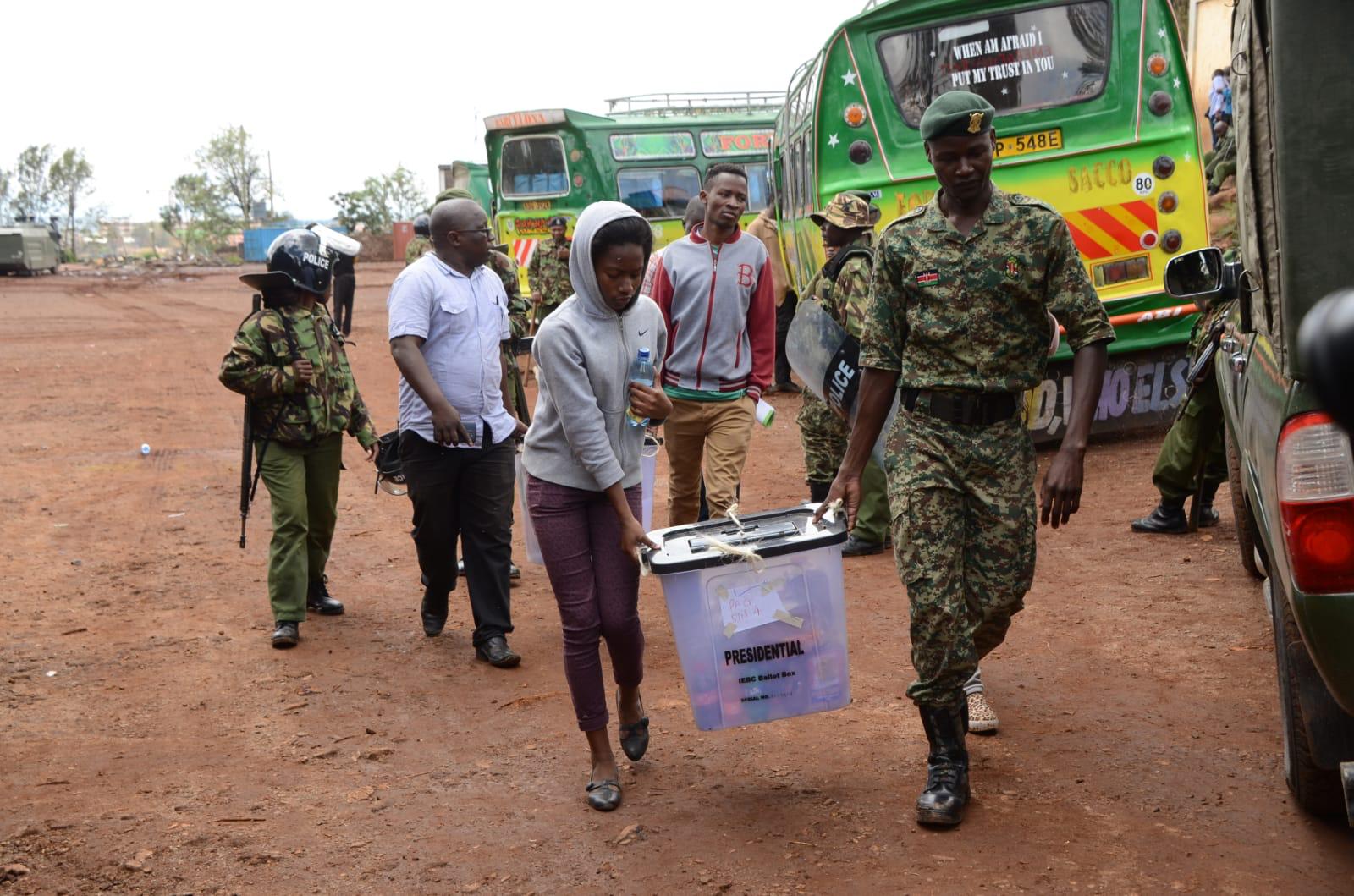
The Independent Electoral and Boundaries Commission (IEBC), constitutionally mandated to safeguard our democratic process, instead provided a masterclass in failure. Across seven parliamentary constituencies, the November 27, 2025, votes were marred by overt violence, voter intimidation, and brazen manipulation. Government functionaries operated with impunity, while the IEBC stood as a passive observer, allowing the will of the people to be overturned. This was not an administrative shortcoming but a deliberate subversion, ensuring safe passage for government candidates even in traditionally anti-government strongholds.
The contexts of these by-elections—triggered by deaths or cabinet appointments from the “Handshake” political rapprochement—made them critical bellwethers. From Mbeere North and Malava to Nyansiongo ward, the pattern was disturbingly consistent. Reports of armed intimidation, like the incident involving Chief Whip Silvanus Osoro in Nyansiongo, went largely unchecked. Opposition leaders, such as Kalonzo Musyoka, have rightly condemned state-backed violence and rigging that denied their candidates rightful victories.
The IEBC’s subsequent alacrity in gazetting the results—despite widespread evidence of malpractice and available legal recourse for petitions—smacks of complicity rather than confidence. It underscores an intent to normalize a corrupted process.
Compounding this crisis is a profound voter apathy, for which the IEBC itself bears significant responsibility. With a dismal registration turnout—only about 20,754 new voters against a target of 6 million—the commission’s haphazard civic education fails to inspire trust in a system it has shown it cannot defend. When an institution charged with upholding democracy instead presides over its erosion, public disengagement is a rational response, not mere fatigue.
The stakes for 2027 could not be higher. The by-elections have exposed a potentially entrenched alliance between the Kenya Kwanza administration and an electoral body that has forsaken its neutrality. With Deputy President Kithure Kindiki fighting to prove his relevance in his own backyard, and the opposition crying foul, the stage is set for a conflict-ridden presidential contest.
Kenya now stands at a precipice. The 2027 election will be a titanic struggle between a state willing to weaponize the electoral machinery and a citizenry whose power resides solely in its numbers and vigilance. The IEBC’s budget of Ksh 61.7 billion for the poll is meaningless without a foundational commitment to integrity.
Ultimately, the power to reclaim our democracy rests with the people. Mass voter registration and unwavering scrutiny are the only viable counterweights to institutional failure. If the lessons of 2025 are ignored, the sanctity of 2027 will be a foregone conclusion. Kenyans must now choose between acquiescing to a managed decline or demanding, en masse, the free and fair process their Constitution guarantees.
Portus Chege is a freelance journalist based in USA.