|
Getting your Trinity Audio player ready...
|
By Henry Owino
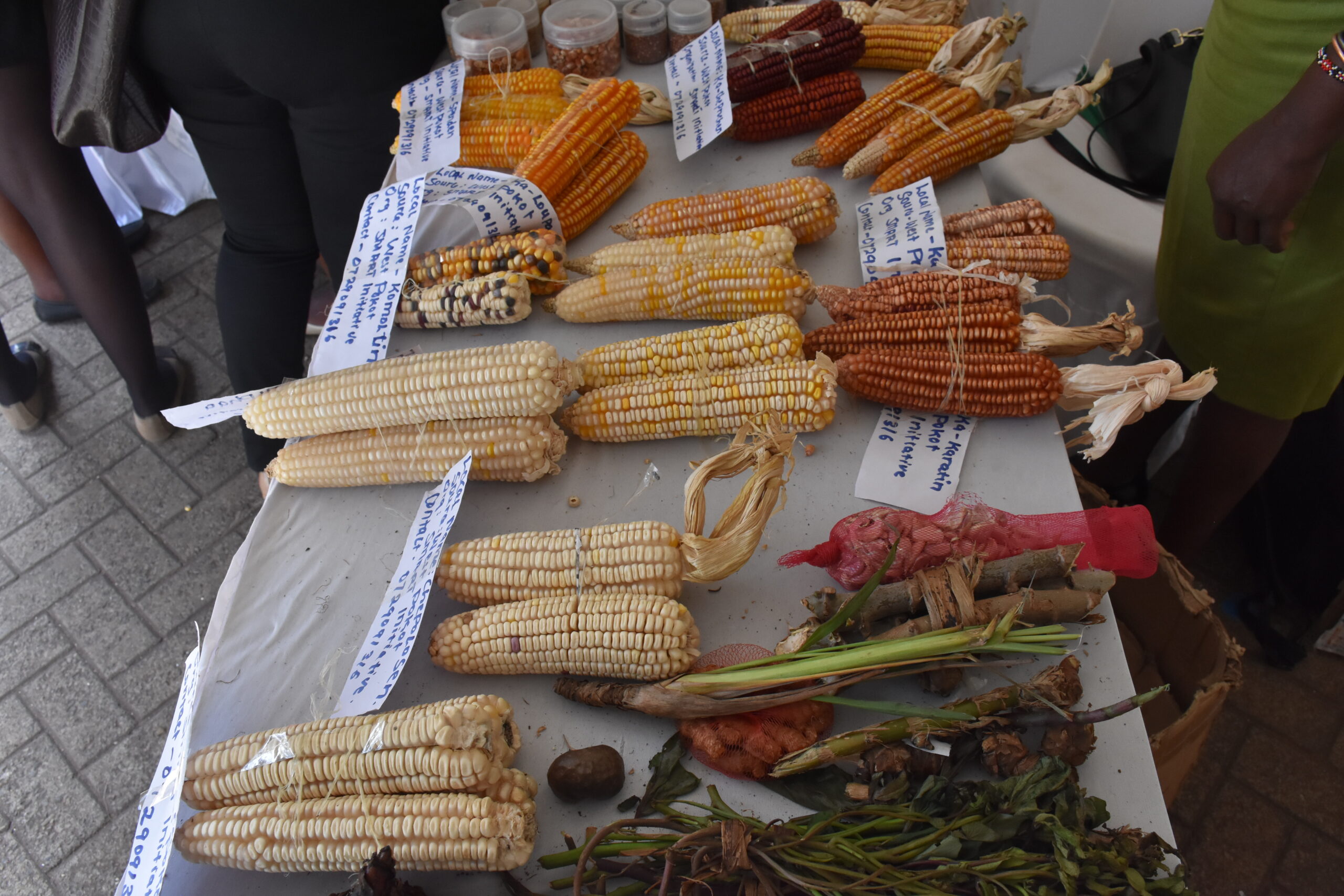
Nairobi, Kenya: For years, across the rolling farmlands of Kiambu, Kitale, Bungoma, and countless major maize-growing areas, smallholder farmers lived under a shadow of fear, fear that the very seeds they had saved, shared, and treasured for generations could land them in jail.
The fear ended the last week of Novembe,r thus 27, 2025, in a landmark judgment widely celebrated as a triumph for food sovereignty and climate justice.
The High Court of Kenya struck down punitive sections of the Seed and Plant Varieties Act, declaring unconstitutional the laws that had criminalised the saving, sharing, and trading of indigenous seeds.
The ruling, delivered by Hon. Lady Justice Rhoda Rutto, restores the full rights of farmers to manage their own seed systems, rights that had been eroded by regulations favouring multinational seed giants and imposing crippling penalties on ordinary farmers.
A Burden Lifted
One of those farmers is 62-year-old Peter Kimani from Kiambu County. On his one-acre plot, he grows maize and indigenous vegetables using seeds passed down from his parents and grandparents. But in 2016, everything changed.
“I was told I could not sell or even share my seeds unless I paid thousands of shillings to register as a seed merchant,” he recalls. “It didn’t make sense. These are seeds my family has planted for generations.”
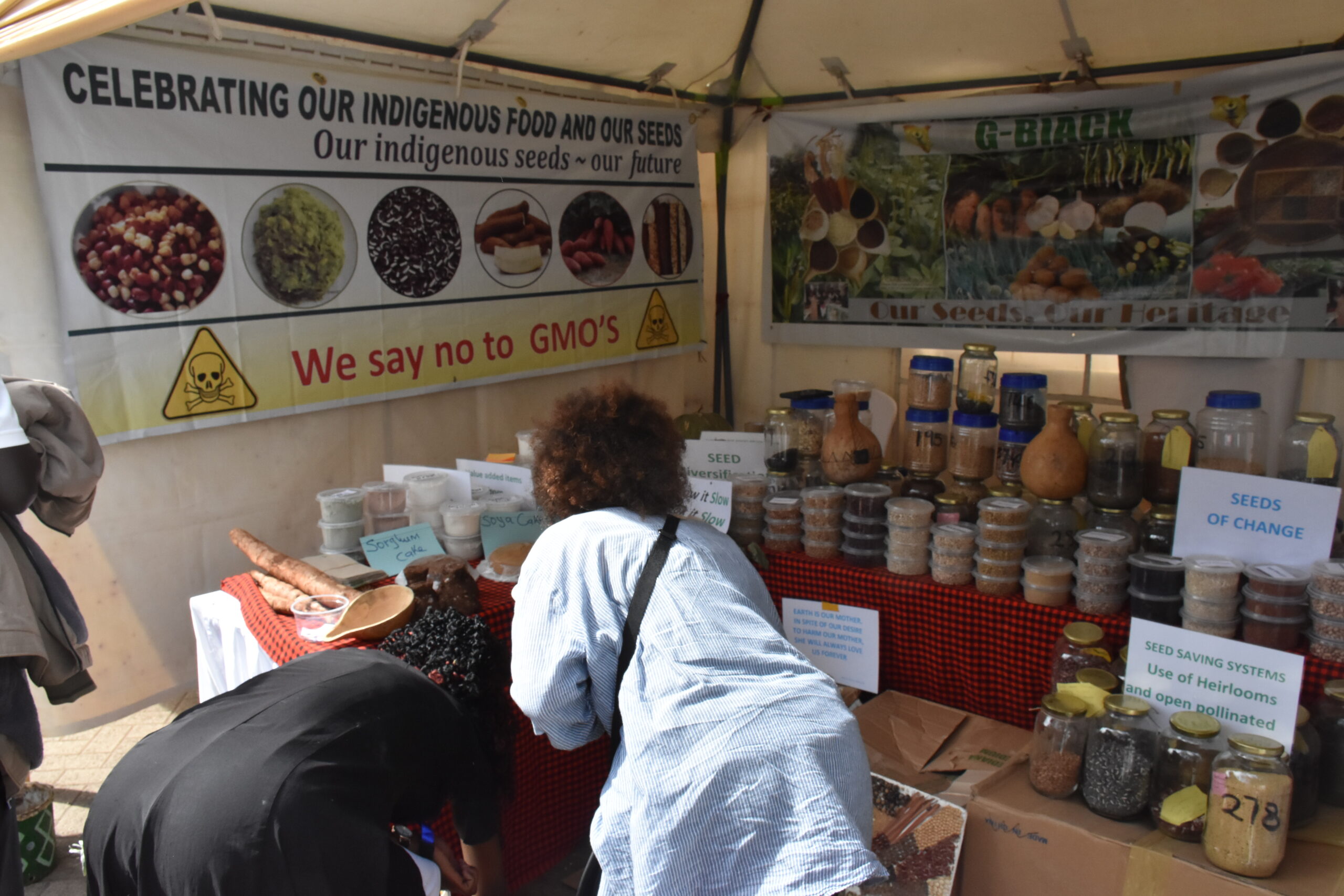
Under the now-invalidated regulations, farmers like Kimani faced inspections, raids, and the threat of two years in jail or fines of up to one million shillings simply for exchanging unregistered seeds. The law demanded Ksh 75,000 for registration and Ksh 10,000 annually to renew a licence—costs no smallholder could meet.
This week’s ruling lifted that weight.
“Now I can plant and share my seeds without fear,” Kimani said. “The law made us feel like criminals for farming the way we always have.”
A Fight Years in the Making
The case was brought by 15 smallholder farmers led by Samuel Wathome, supported by civil society and farmer organisations. When the decision was read, Wathome’s voice cracked with emotion.
“My grandmother saved seeds,” he said. “Today, the court has said I can do the same for my grandchildren without fear. Today, the farmer is king again.”
Justice Rutto affirmed that the invalidated sections of the law were discriminatory, unconstitutional, and unjustified. They favoured wealthy commercial seed companies over peasant farmers and were introduced without adequate public participation.
“The measures effectively eliminate small farmers in favour of their well-established counterparts,” she ruled.
A Victory for Biodiversity and Future Generations
The decision has been hailed as a turning point for the protection of indigenous biodiversity—critical amid worsening climate shocks.
“Our farmers have been unshackled,” said Elizabeth Atieno, Food Campaigner at Greenpeace Africa. “Seed is sovereign. This is a victory for our culture, our resilience, and our future.”
Gideon Muya of the Biodiversity and Biosafety Association of Kenya called the ruling “a shield for biodiversity,” noting that indigenous seeds carry genetic diversity essential for resisting pests, droughts, and climate extremes.
“You cannot patent nature’s heritage,” he said.
Agroecologist Claire Nasike echoed this sentiment: “Whoever controls seed controls the lifeline of a generation. It is uplifting to see this right restored to Kenyan farmers.”
What the Court Struck Down
Among the sections declared unconstitutional were provisions granting sweeping powers to seed inspectors, criminalising unregistered seed processors, and granting excessive proprietary rights to plant breeders while offering none to farmers. Key discriminatory regulations in the 2016 Seed and Plant Varieties Regulations were also nullified.
The court ruled that these provisions violated farmers’ equality rights, property rights, and economic rights—cutting off livelihoods and criminalising long-standing cultural practices.
The judge also faulted the government for failing to involve the public adequately during the creation of the regulations, reminding officials that public participation is a living constitutional principle.
A Continental Precedent
The ruling positions Kenya as a leader in safeguarding Farmer-Managed Seed Systems (FMSS), with observers saying it could influence seed policy across Africa.
Wambugu Wanjohi, Legal Counsel for the Law Society of Kenya, said the court had “correctly interpreted the Constitution to find that farmers’ rights supersede restrictive, commercially driven laws.”
Civil society groups have called on the Ministry of Agriculture to urgently align national policy with the judgment and formally recognise FMSS as a cornerstone of Kenya’s food security.
A New Dawn for the Soil and Its Keepers
For thousands of smallholders, this ruling restores more than seed freedom—it restores dignity.
“It’s a victory for every small farmer who was afraid to share their harvest,” said a representative of a local farmers’ cooperative. “The court has reminded the government that agriculture belongs to the people, not just corporations.”
The court ordered each party to bear its own costs, acknowledging the immense public interest at stake.
As he walks through his field, Thomas Odhiambo looks at his ripening maize with renewed pride.
“It’s more than a ruling,” he says with a smile. “It’s justice for the soil and for the people who till it. Our native crops are here to stay for generations.”
Henry Owino is a science and environmental journalist based in Kenya, and an award-winning agriculture reporter dedicated to highlighting the realities and resilience of smallholder farmers.