|
Getting your Trinity Audio player ready...
|
By Henry Owino
Nairobi, Kenya: The International Aid Transparency Initiative (IATI) has endorsed its Strategic Plan 2026–2030 during its 2025 Assembly held in Nairobi, marking a decisive step toward strengthening global transparency in development and humanitarian financing.
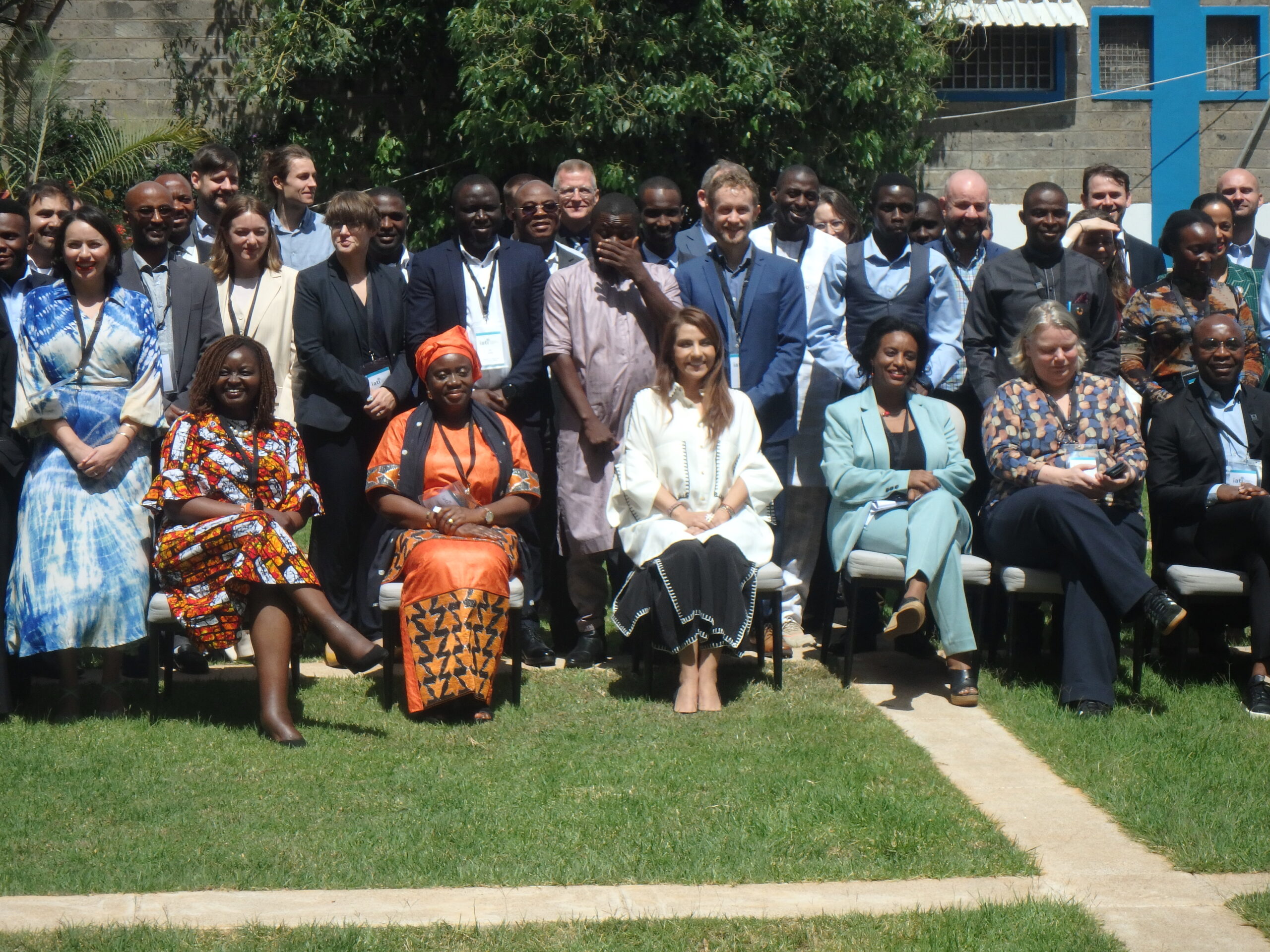
The three-day gathering took place between 26-28 November, 2025, brought international donors, governments, civil society organizations, and data experts to Kenya’s capital to chart the next phase of open-data reforms. This was the first time the IATI Members’ Assembly came to Africa.
The Members’ Assembly in Nairobi reaffirmed IATI’s role as the world’s leading public watchdog for donor funding, with members committing to publish more complete, accessible, and comparable data aimed at curbing corruption, mismanagement, and waste in development spending.
New Strategic Direction for 2026–2030
In a unanimous vote, IATI Members adopted the new five-year Strategic Plan, which prioritizes improved data quality, broader country uptake, enhanced interoperability of reporting systems, and stronger public engagement.
The plan lays out how the initiative will help governments, civil society, journalists, and communities’ access accurate donor-financing information needed to influence policy and hold institutions accountable.
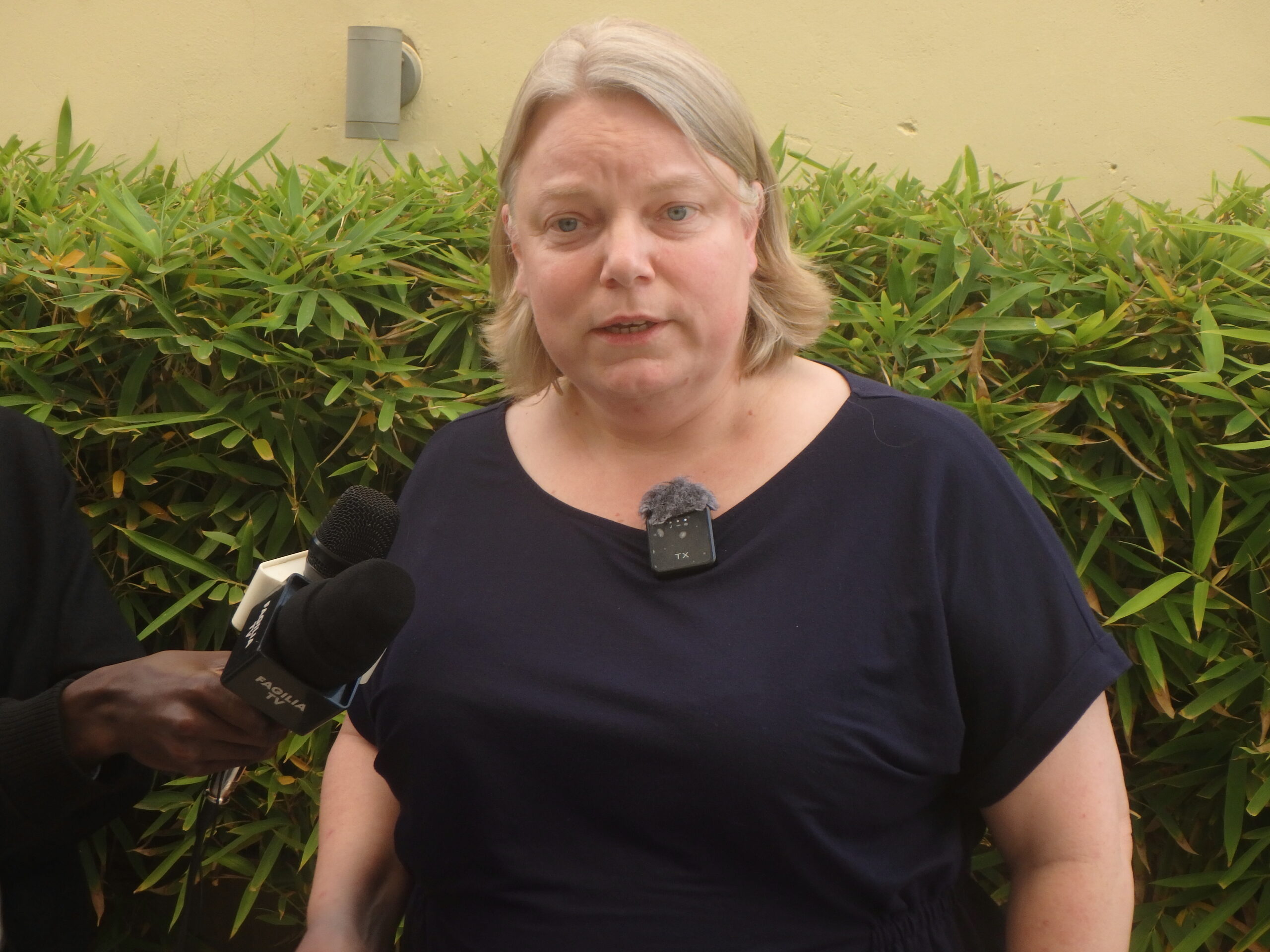
Thea Schepers, Chairperson of the IATI Governing Board, thanked members for the progress they have helped drive, noting that their collective commitment has enabled two-thirds of global ODA and data from more than 1,800 organizations to be published through IATI.
Schepers who is the Senior Advisor IATI, she is also in Ministry of Foreign Affairs of the Kingdom of the Netherlands · IATI constituency: Provider of development …
“Open data helps track projects, strengthen accountability, and enhance service delivery across the continent. Schepers, lATI Chairperson noted. She therefore, emphasized that African governments can unlock stronger development outcomes by embracing data transparency.”
The observations come at the right time when Africa leaders and stakeholders are pushing for evidence-driven development and improved governance in Africa. Data transparency helps in holding leaders accountable for every coin spent with Donar funding.
Nairobi at the Centre of Global Transparency
Although Kenya is not yet a formal IATI member, hosting the assembly highlighted the country’s growing leadership in transparency and its potential role in advancing donor-data reforms across Africa.
Schepers stated hosting the assembly reinforced Kenya’s status as a continental hub for digital innovation and public-sector openness. She however, pointed out that the country is not yet an IATI member, the Director General Ministry of National Treasury and Economic Finance talked with optimism, hence waiting to see.
“Raphael Owino, Director General Ministry of National Treasury and Economic Finance, spoke with optimism during opening speech, so we are waiting to see Kenya becoming a IATI member,” Schepers alluded.
Delegates noted the symbolic significance of Nairobi, home to UN agencies, global NGOs, and a thriving tech ecosystem, the country is soon becoming the venue for major decisions on the future of aid transparency.
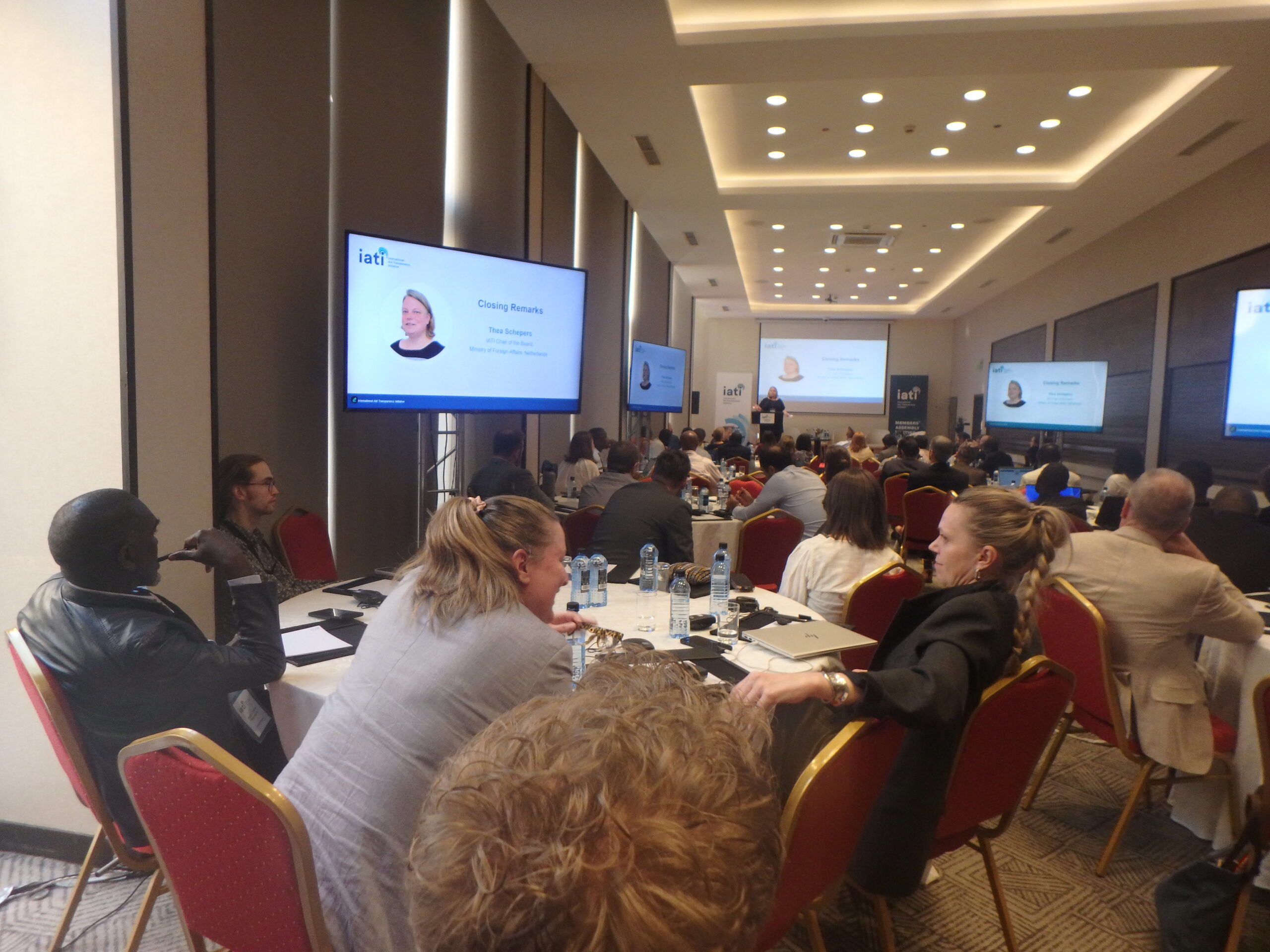
Throughout the meeting, discussions were centred on how open data can strengthen governance, improve service delivery, and ensure development resources reach intended communities in an era defined by climate shocks, rising humanitarian needs, and economic uncertainty.
Key Themes and Outcomes
The assembly focused on five core themes to address global transparency challenges: improving data quality for better planning and monitoring; expanding the adoption of the IATI Standard by national governments; leveraging digital tools like AI to analyze donor financial flows; ensuring clear transparency in climate finance reporting; and strengthening public oversight by providing timely information to civil society.
Members also approved an upward review of membership fees to cover rising operational costs and support technical assistance for low- and middle-income countries.
Transparency as a Tool Against Corruption
Mark Brough from Emergentally and an ICT expert says so far only 16 out of Africa’s 54 countries are currently publishing data through IATI. He urged participants to invite more governments to join the initiative.
Advocating for data transparency, can help journalists in highlighting how donor-funded projects are spent in public reporting, helps identify misuse of resources, prevent duplication, and expose mismanagement.
“IATI information shows the power of open data to reduce corruption,” Brough said. “When citizens can see how money is allocated and spent, accountability becomes real.”
Real-World Impacts and Digital Innovation
In various sessions demonstrations of new digital dashboards that enable citizens, journalists, and policymakers to track aid flows in sectors such as health, agriculture, and climate resilience. Delegates from drought-affected regions shared how delays or gaps in donor information had previously undermined emergency response efforts.
A West African official noted, “If communities can see where money is going, the pressure on institutions to perform increases, and that is healthy for governance.”
A Global Commitment to Openness
The IATI meeting concluded with key commitments for 2026-2030, including updating the IATI Standard, introducing new data publication and analysis tools, expanding technical support for reporting countries, and aligning IATI data with national planning frameworks. The overarching message emphasized the vital role of open data for effective development, with the African continent positioned to be a leader in this movement.