|
Getting your Trinity Audio player ready...
|
By Melisa Mong’ina
Nairobi, Kenya: Values-Based Education (VBE) is transforming the culture of Kenyan schools as part of the country’s ongoing education reforms under the Competency-Based Education (CBE) framework.
The national pilot, jointly implemented by the Kenya Institute of Curriculum Development (KICD) and Zizi Afrique Foundation (ZAF), aims to strengthen character formation and help learners practise values such as respect, integrity, unity, responsibility, unity peace, patriotism, and social justice both in school and at home.
At Ngei Primary School in Lang’ata, Nairobi, Headteacher Mary Macharia has witnessed first-hand how deeply values can reshape a school community.
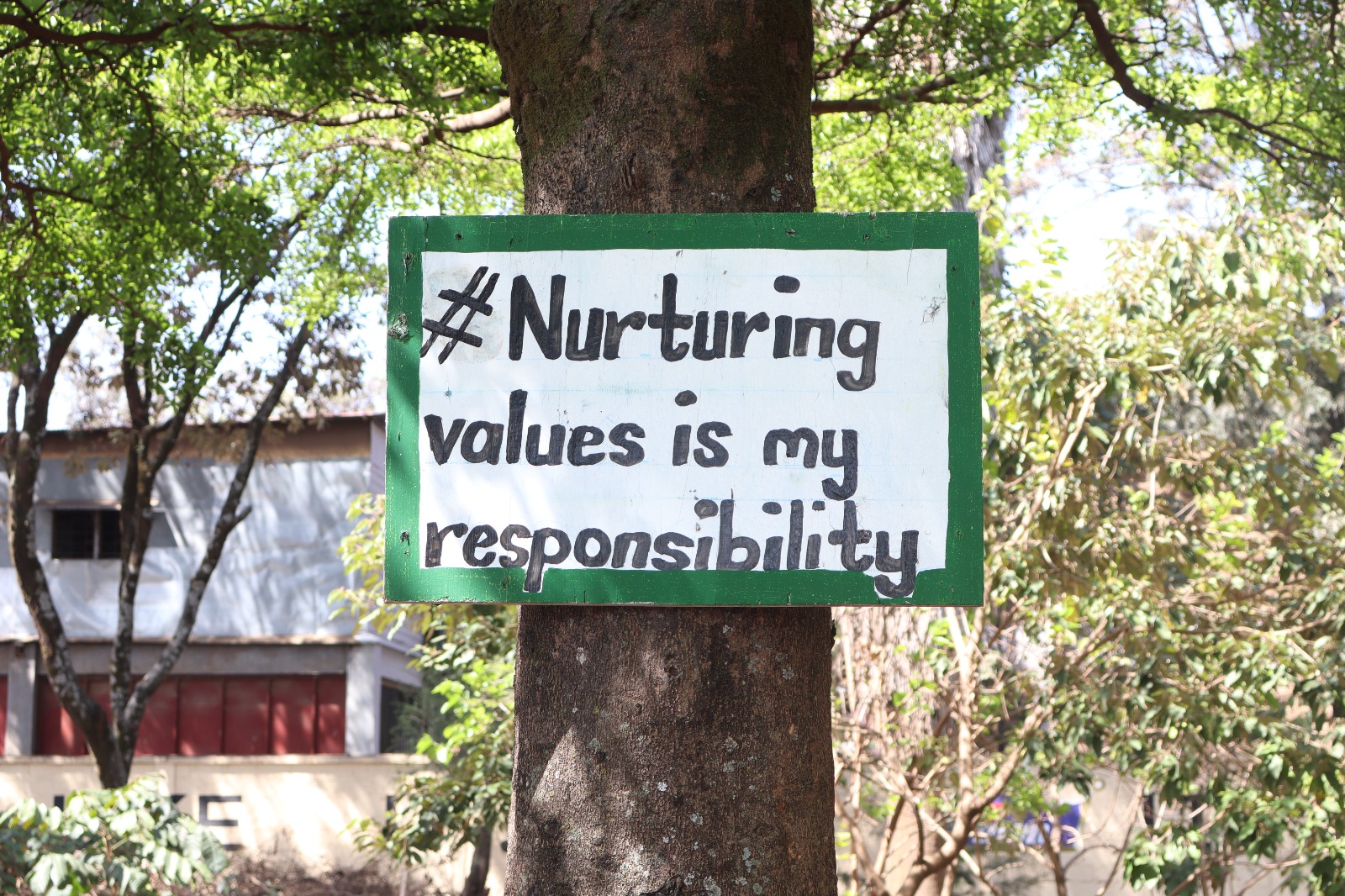 When the pilot of Value-Based Education (VbE) began its implementation at Ngei primary School in Lang’ata, Nairobi, Mary Macharia, the headteacher of the school, never imagined that it could turn out to be a tremendous success.
“I am glad that I was part of this implementation. We started this journey in June. One of the things that I appreciate is the positive change that it has brought,” says Mary with a smile on her face.
According to Mary, teachers must serve as role models for their students. She asserts that teachers should demonstrate punctuality by being in class at the required time without needing reminders from students, thereby implicitly teaching students to understand their own responsibility to be in class on time, rather than loitering outside.
“But they cannot live with these values if they do not see role modelling from us, starting with me. So, we agreed from the beginning that we must be the face of the values, whether in time management, preparation of work, or how we speak to them. There must be a change,” she states.

As weeks passed, Mary started noticing some positive changes among her learners and school in general. She no longer needed to remind the learners and teachers about what they should and should not do. The school was now running smoothly without any supervision because of the values instilled in both learners and teachers.
“It has been a good journey. We have seen teachers take more responsibility. I am not struggling to run after children. My compound is clean throughout. The classes are not littered. The teachers are using the resources that we have very well. There is honesty. The children can actually do an exam or an assessment without supervision,” she observes.
She motivates the learners by appreciating the small steps in practicing VbE in school. Mary highlights that badges are given weekly to those learners who have shown progress in implementing any value at school and this made more learners work hard to receive the recognitions.
“We are showing them small steps every day and we appreciate small wins. We have badges that we give them that show this is the person who has exemplified the value of love or responsibility this week. They love it,” explains Mary.
Although the program was initially designed for grade 1 to 6. Mary explains that a school involved all the levels from ECD to Junior School, noting that living out at the levels could hinder their progress as learners outside the program might interfere with the VbE implementation.
“Initially, this program was meant to begin from grade 1 to 6. But how do you leave out ECD and Junior school, yet we are all the same. They are likely to infiltrate and maybe even interfere with the gains we have made. So, we decided to do the entire school,” she stresses.
She concludes that the implementation will not only be for the two piloted sub-counties in Nairobi but will also spread to other counties so that the entire country can experience the benefits of Value-Based Education.
“It is meant for the entire country. It is now our duty to cascade what we have learned in the training. You can imagine that the school in my neighborhood does not understand these values, they can easily pollute what we have done. So, we are going to do the entire country,” Mary emphasises.
Collaboration Between KICD and Zizi Afrique Foundation
Mary’s experience reflects broader findings reported by KICD and Zizi Afrique Foundation as they analysed the outcomes of the pilot across the 79 participating schools.
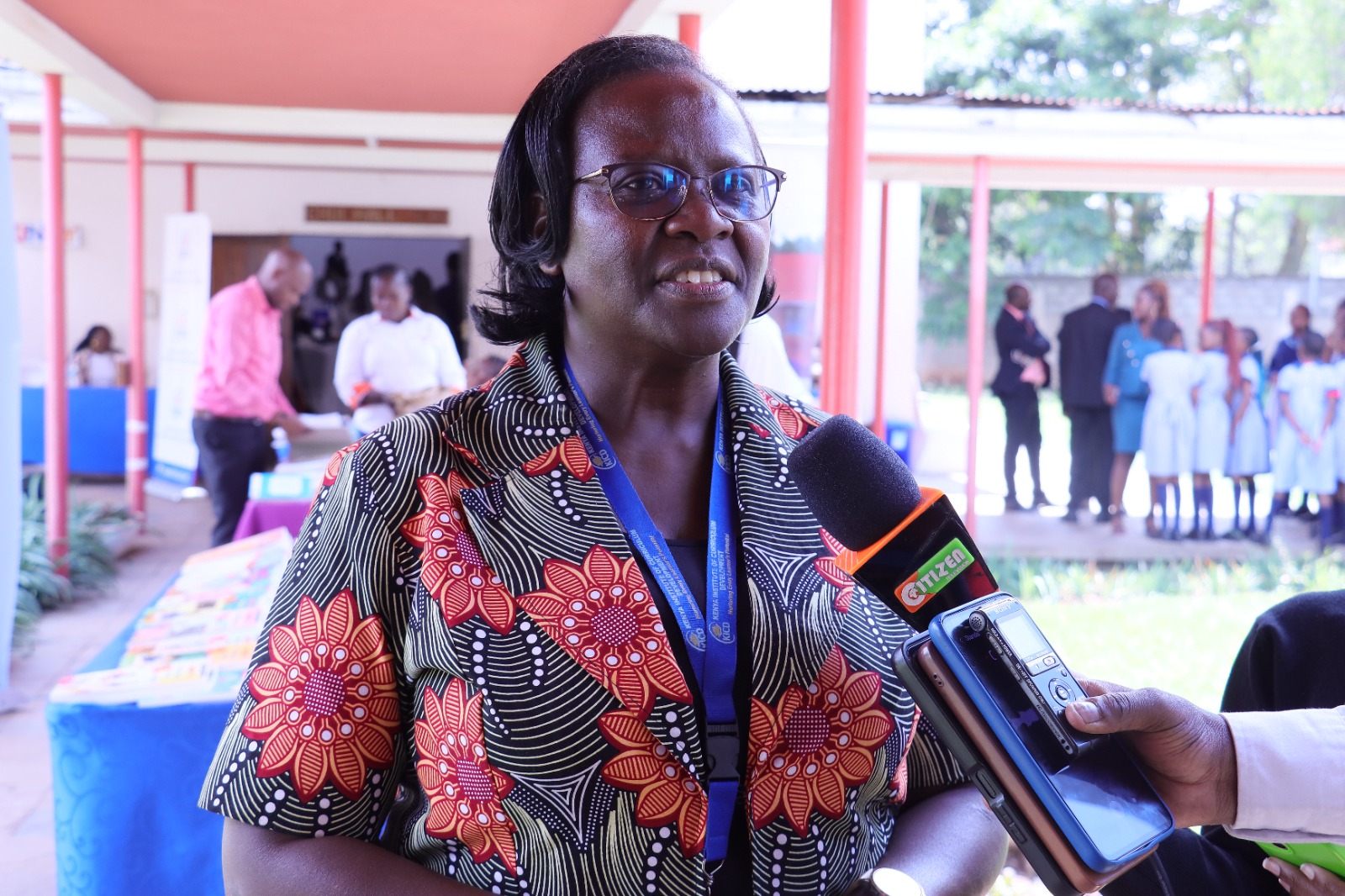
According to Dr. Jacqueline Onyango, Senior Deputy Director at Kenya Institute of Curriculum Development (KICD), the VbE program has made significant progress since inception with learners practicing the values taught and applying them both in school and at home.
“We are celebrating the findings and achievements we have made on one of the programs that lead to Competency-Based Education (CBE), and this is the Value-Based Education (VbE) program through the whole school approach. It is one of the pilots that had been envisaged to ensure that the curriculum reform is complete,” says Dr. Onyango.
For the implementation to be successful, teachers were trained on the eight core values integrated into the curriculum and given monitoring materials to enable them track their progress in schools.
“The first was a baseline, just confirming if the teachers are teaching the values, and how far are they taking it out of the classroom. We also wanted to know if there are any challenges in the teaching and practice of the values. We found out that there is a big difference within what the children learn and the practices within the school, in their homes, and around the community,” she adds.
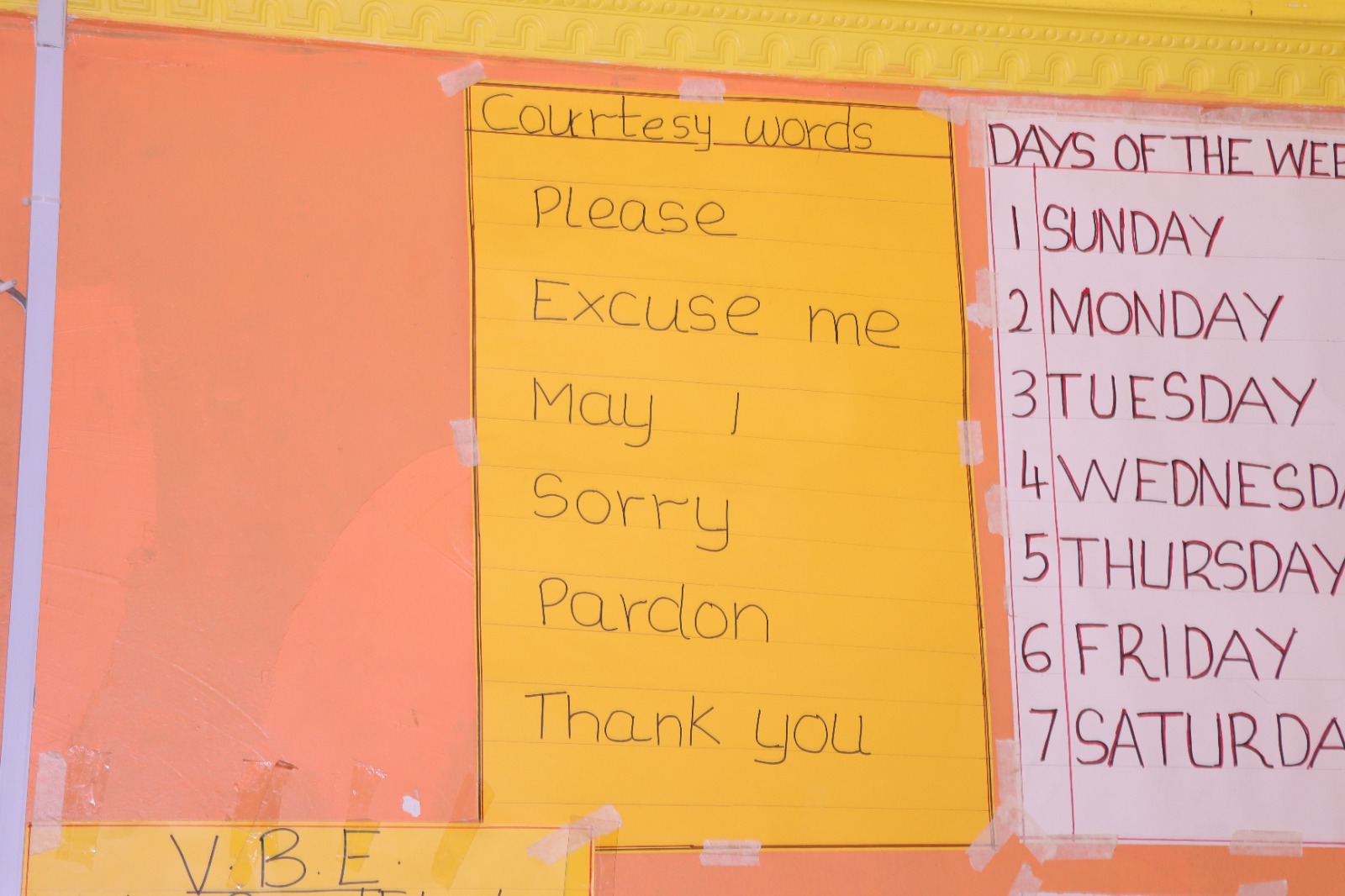 At the middle line level, KICD noticed the learners’ involvement. Later, a committee was created to sensitize parents and the community. During the end-line survey of the progress made in schools and at home, learners had already begun implementing values gained.
“We found a lot of change. The most notable was the involvement of the learners.We found remarkable change at the end-line survey. We have children who can actually explain to you their understanding of the values. They can practice it anywhere,” Dr. Onyango happily explains.
Charity begins at home. Dr. Onyango underscores that KICD also had to sensitize itself and ensure that the values found in the curriculum resonated well with their institution’s core values.
She commends the 79 schools that agreed to be part of the implementation despite their busy schedule, noting that the findings will enable the institution to advise the government on the roll out of VbE in schools next year as grade 9 transition to senior school.
“We just want to appreciate the schools that were able to create time within their very busy schedule to embrace what we expected them to do for the pilot,” she states.
Adding “The findings are critical because, as an institution, our first mandate is to advise the government on matters of curriculum, and so we are ready to have the rollout of this VbE through the whole school approach in the coming year.”
Finally, she stresses the crucial role parents play in a child’s behavior. Most children come from challenging homes and there might be some interference in the values acquired at school.
To address this, Dr. Onyango explains their engagement with Parents Associations in ensuring that the parents are also involved and trained on their role and how crucial their support is in a child’s life.
“The sensitization of parents is central to the curriculum reform. We have done national sensitization in 23 counties, where we take them through the guidelines and just direct them on what their support would mean to the child,” she explains.

Elizabeth Owiti, Program Manager at Zizi Afrique Foundation (ZAF), notes that their collaboration with KICD is crucial as it contributes to their work in supporting children to acquire life skills and values.
Although they targeted 80 schools, she is thrilled that they were able to implement the VbE in 79 schools and the end results were exceptional. Elizabeth highlights instances where teachers involved have been good examples to learners, enabling them to emulate good values. Learners were also not left behind; they also practised the values both at school and home.
“This year we were able to pick up and start the pilot. For us at Zizi, we believe in evidence. So it gave us an opportunity to work with KICD to see if the VbE is something that would give us fruits in line with CBE,” she says.
Elizabeth acknowledges the importance of the whole school approach in the implementation and practice because learners often interact with the community and tend to imitate what their elders do or say.
“We’ve come to realise that the whole-school approach is the best, because we cannot say that teachers, parents, or the school leadership alone will do it. We need a whole-school approach where we involve them starting from the watchmen at the gate and all the non-teaching staff within the institution,” explains Elizabeth.
The success of the program has also been proven by parents’ remarks about their children’s behavior at home. Children are now able to do their roles responsibly without complaining or being followed up by their parents.
“We have had cases where some parents are also reporting that they are able to see the changes in their children. The way they are taking up roles when given at home without complaining much, and they are able to do things differently,” she observes.
Elizabeth anticipates a successful national implementation of the curriculum roll-out in all schools. To facilitate a smooth process, greater sensitization efforts will be required for all stakeholders, including teachers, parents, learners, community members, and established structures such as curriculum officers.
“We are looking forward to this being rolled out nationally,” she states. “This also means that we need to build the capacities of teachers because that’s how the pilot was done. We’ll need to develop more materials that the different institutions can use as reference for engaging parents, teachers, learners, and even community members. At the same time, we also have to build the capacity of our existing structures.”
The Values-Based Education pilot is demonstrating a positive transformation in learners, teachers, and schools by emphasizing core values such as respect, responsibility, and love. As Kenya moves toward a national rollout, this initiative is proving vital in strengthening the future of the nation’s education system.