
|
Getting your Trinity Audio player ready...
|
By Shaban Makokha
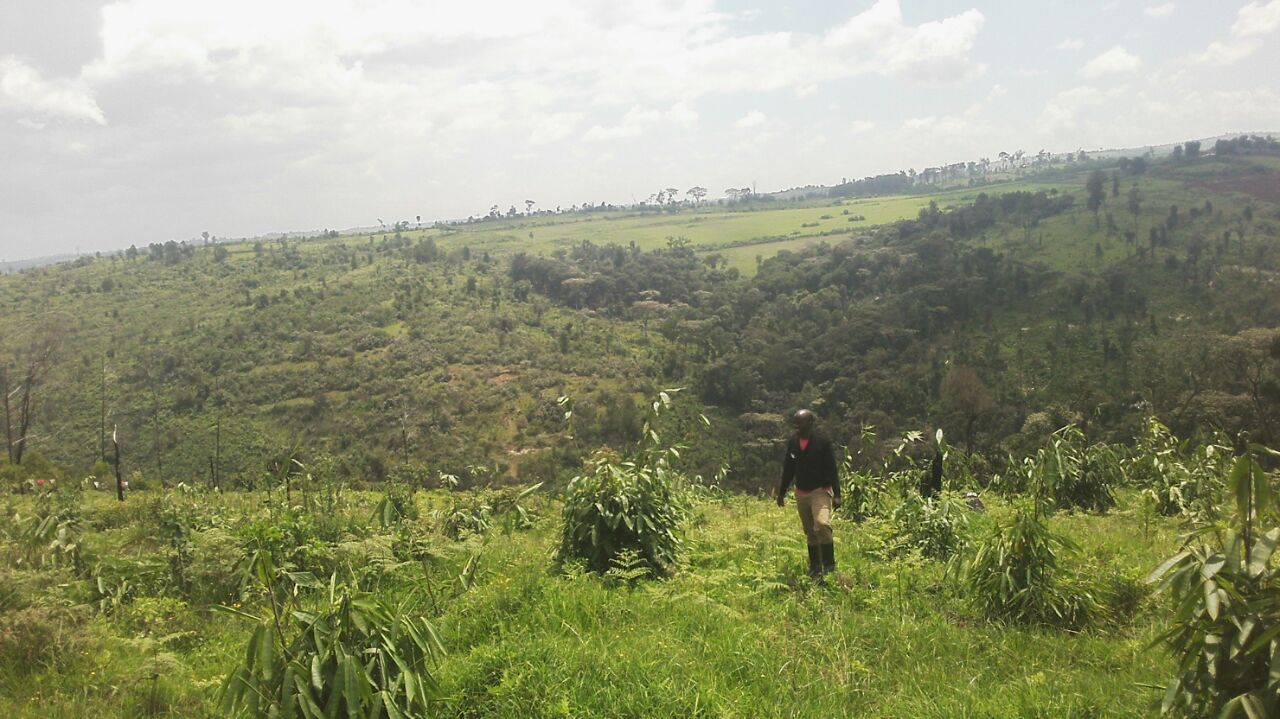
Kakamega County, Kenya: The discovery of KSh683 billion rich gold potentials in Ikolomani, Kakamega county, promised wealth and prosperity. While it sparked excitement from outsiders, it promoted anxiety among the locals. Communities in the gold-rich regions of Isulu-Bushiangala in Ikolomani and Rosterman in Lurambi have rejected the proposal to establish a gold mining company.
In response, the government has moved quickly to assure locals of their fair share of the proceeds, highlighting a royalty sharing formula from the gold refinery. It has also reassured them of the massive benefits awaiting them once the mining company is established. Despite these assurances, the locals have again said no to the proposed formula.
Government Spokesperson Dr. Isaac Mwaura, who toured the ongoing construction of the Gold Refinery plant at Lidambitsa, explained that the refinery is a catalyst for economic transformation. He assured that Kenya has a clear legal framework governing the distribution of mineral revenue and protecting community interests.
Under the Mining Act of 2016, royalties are distributed under a 70:20:10 formula, allocating 70 percent to the national government, 20 percent to the county government, and 10 percent to the local community.
However, residents in the Isulu-Bushiangala area, where the massive gold deposits were discovered, argue that this formula unfairly favors the government over the locals who own the land. They contend that it compensates them unfairly for their “golden land.” “How do you give the national government a whole 70 percent of the royalties and leave only 10 percent for us?” questioned Mr. Clarence Ingonga, a resident of Iguhu, who dismissed the formula and claimed the legal framework lacks transparency in royalty disbursement.
According to Dr. Mwaura, the government’s efforts aim to make the discovery a catalyst for local economic transformation, though community trust remains a point of contention. He said the measures are meant to ensure the project boosts Kakamega’s economy and strengthens local development.
Mr. Ambeyi Ligabo, a former High Commissioner and director in charge of Democracy, Good Governance, and Natural Resources in the Great Lakes organization, also faulted the sharing formula. “This formula needs careful consideration and public participation to ensure that all stakeholders are involved in its creation. Let not a few individuals sit in a boardroom and come up with declarations in the name of legal frameworks without considering the impact on the local Kenyans,” he pointed out.
He appealed to the government to proceed slowly with the mining company so that locals do not suffer in the process. The former High Commissioner cited Bukavu and Koma in Eastern Congo, where foreign investors invaded gold deposits and took the resources, leaving locals in abject poverty.
“As we speak, people in those regions cannot afford to take their children to school or offer them healthcare services because the investors took away the precious minerals, which were the source of livelihood. We don’t want this to happen in Kakamega,” he cautioned, illustrating how gold without strong regulation and equitable benefit-sharing can lead to exploitation.
Despite the existing formula, Mr. Ligabo argues that royalty disbursement is likely to face delays due to the government’s failure to establish a clear and functional framework. He also raised concerns about transparency in how mining revenues are used, stating that the regulations do not clearly outline how the community’s share will be managed and utilized. “Currently, nobody has conducted a survey of the community around the area targeted for the mining company to know the exact number of people, schools, hospitals, and water sources that will be affected,” he explained.
Mr. Collins Oguru from Migori, who engages in crushing gold at Bushiangala, said locals bear the direct social and environmental impacts of mining and need higher compensation. “Areas where mining will be done will remain uninhabitable; schools, hospitals, and even rivers will be affected. The impact of the mining process is not equal to the 10 percent that the government has proposed to give back as royalties,” he argued.
In addition, Dr. Mwaura further guaranteed the community a one percent Community Development Allocation (CDA) from the mining company’s annual gross sales for local development projects. “These funds will be managed by a 14-member community committee that will be responsible for prioritizing local projects, including roads, schools, hospitals, water systems, and environmental protection initiatives,” he noted, assuring that there would be no displacement without proper compensation.
Fear is rife among local villagers, who have lived in the area for generations, that their land and sacred sites will be threatened, with a majority promising to stay put or only move out dead. “We cannot allow people to leave their ancestral shrines, sacred sites, and their traditional way of living to be destroyed,” said Kakamega Senator Boni Khalwale. He called on other local politicians to stand with the people and ensure nobody is forcefully evicted.
“Mining offers a big employment opportunity to our local youth and women, who the proposed company will not absorb. Where will they earn their livelihood from?” he questioned.
“These people have been on their lands throughout their life span. If they are relocated, how will they benefit from the royalties?” According to Khalwale, the government needs to license local artisanal miners and support them in delivering gold to the refinery. He asked President William Ruto to listen to the voices of the majority and let them maintain the graves of their loved ones.