|
Getting your Trinity Audio player ready...
|
By Melisa Mong’ina
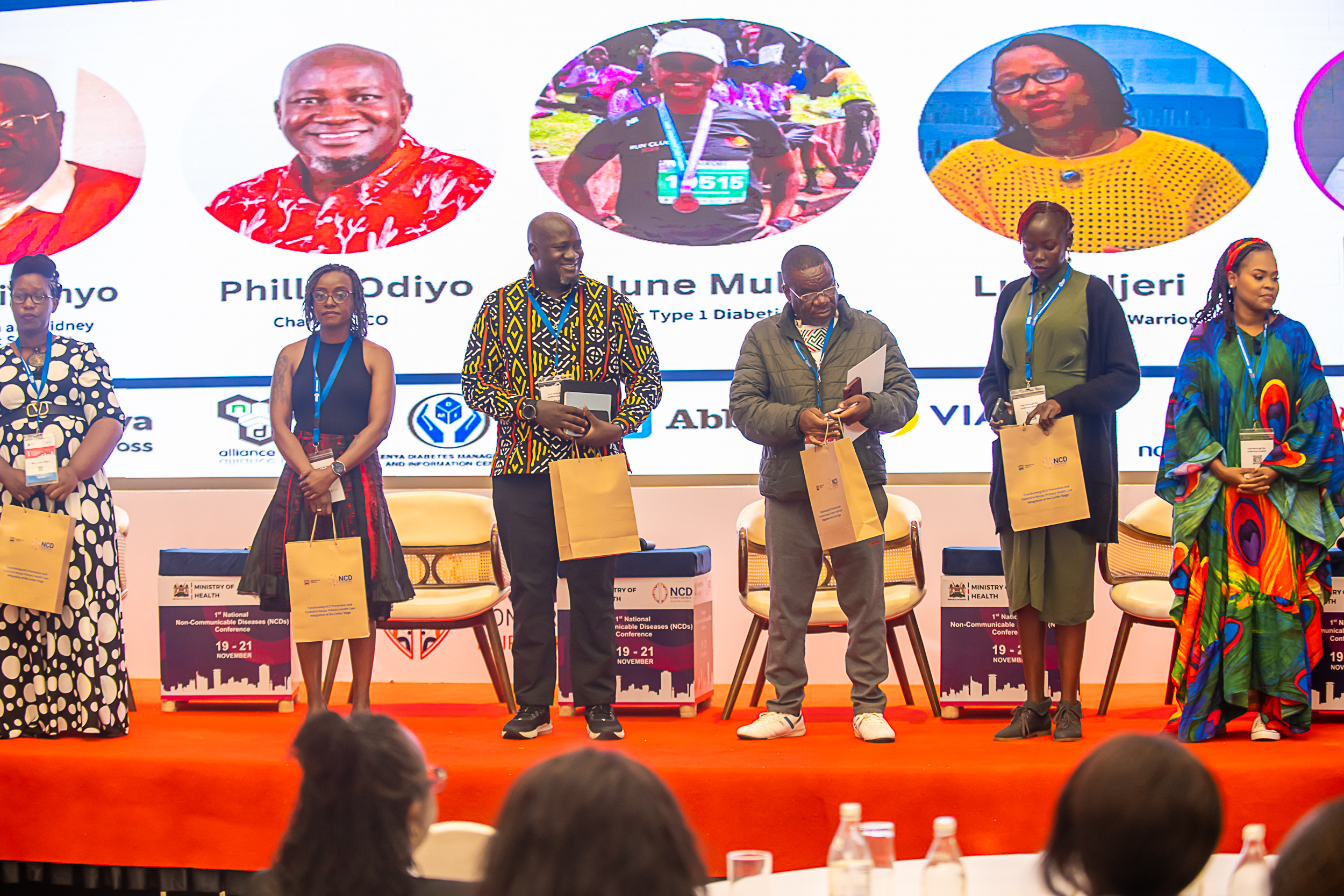
Nairobi, Kenya: At the heart of Nairobi’s Argyle Hotel, conversations hit harder, but these were not ordinary conversations; they were talks of courage, strength, and resilience. In a brightly lit hall, five panelists walked boldly onto the stage, four of them being warriors of NCDs and one caregiver.
Each step they took showed their strength and fight against the conditions they were battling; they carried stories marked with pain, courage, and an unshakable will to live.
These panelists are warriors changing the narrative and debunking the myths and misconceptions about NCDs. Today, they are not statistics, but storytellers, educators, advocates, and fighters using their experience to push for change.
According to the World Health Organisation (WHO), Non-Communicable Diseases (NCDs) killed at least 43 million people in 2021, equivalent to 75% of non-pandemic-related deaths globally. In Kenya alone, they contribute to 50% of hospital admissions and over 55% of deaths.
Fighting Breast Cancer Stigma Through Facebook
Lucy Njeri’s journey started when she noticed a lump on her breast, which pushed her to seek medical attention.
The doctors later did a biopsy and she was confirmed to have breast cancer. It wasn’t an easy journey for her because, at the time, health workers were on strike, forcing her to seek treatment at Kenyatta National Hospital.
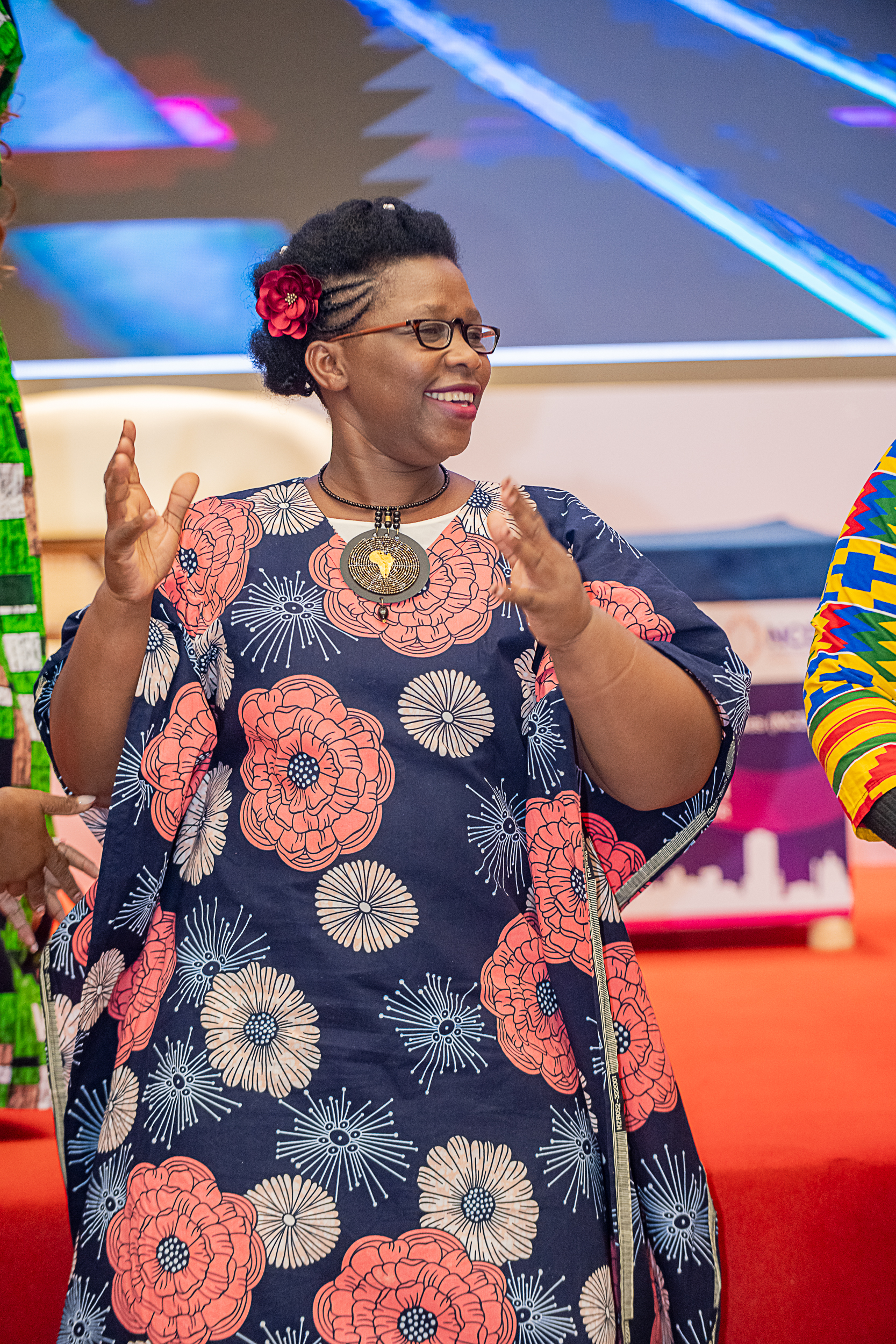
“I sought a second opinion in another institution and they said it was very normal. But when they removed the tissue for biopsy, they found that it was cancer. I remember at that time we had issues in the health system and the only institution that I could get help from was KNH,” says Lucy.
Her life took a drastic turn after she decided to openly talk about the condition on social media to prove that one can defeat cancer. She used her Facebook account to share her resilience story.
“I wrote my story on Facebook and it was not easy to see the reaction. Henceforth, I decided I’m not going to keep quiet. There’s something we can do and that’s how I started my journey on cancer advocacy. I had to push myself out,” she shares.
Lucy’s main goal was to advocate for others, create awareness, and be a beacon of hope for many women fighting in silence.
One Kilometer at a Time to Save Lives
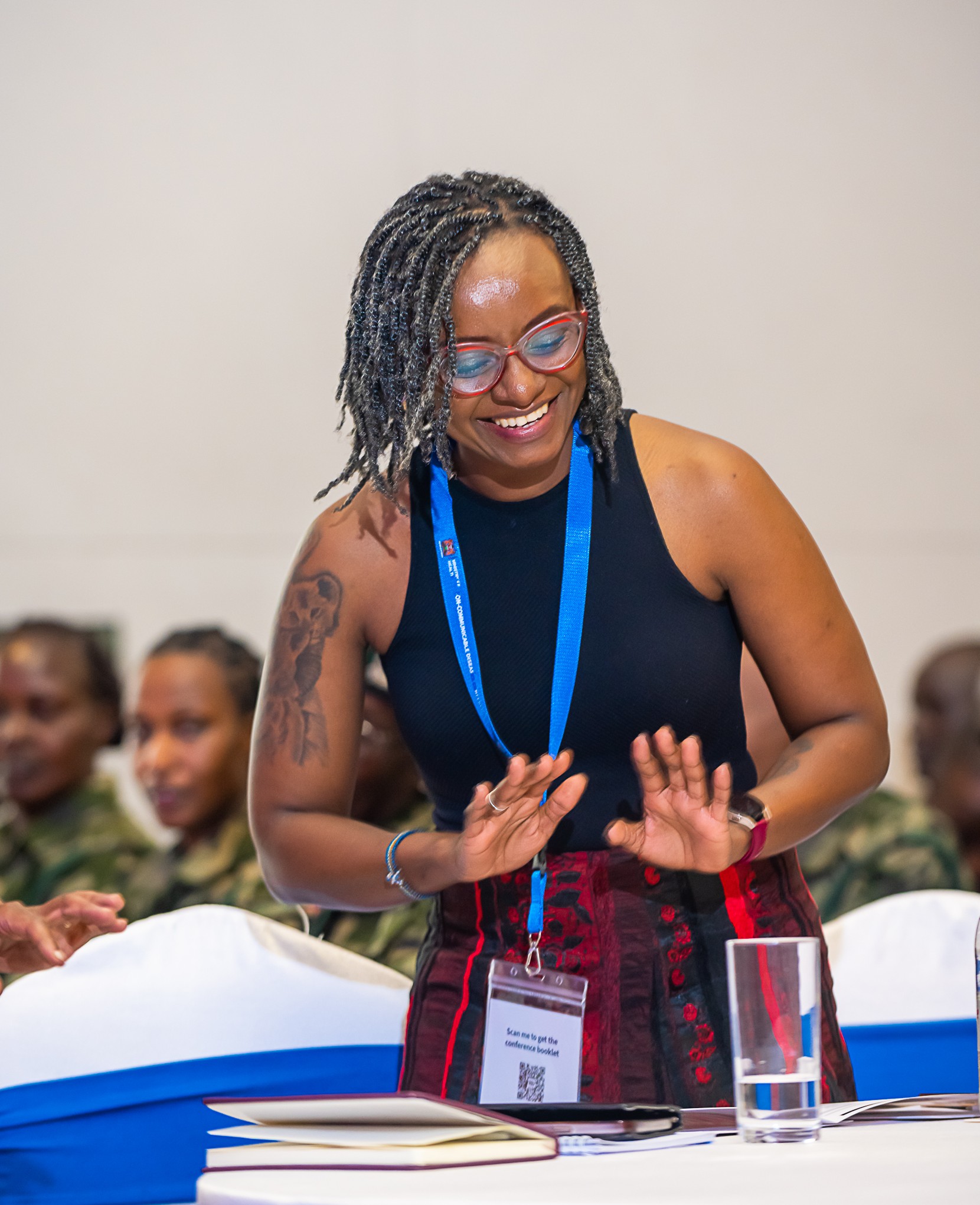
June Muli, a recreational runner and a type 1 diabetes warrior, shares her journey since diagnosis. It all started in 2008 when she was confirmed to have the condition. At first, it was hard for her to accept the condition because of her athletic lifestyle.
“People often say that I don’t look diabetic. Is there a look that one has diabetes? I’m 47 years old and I was diagnosed with type 1 diabetes in August 2008. Acceptance was very difficult for me because I’ve always been fit,” shares June.
She believes that many Kenyans, especially those in low-income areas, find it hard to access care. This motivated her to seek ways to support others living with diabetes. Her journey was not easy; she faced challenges accessing treatment and often prioritized her children before her health.
“This journey has not been without challenges. I suffered Diabetic ketoacidosis (DKA) and was admitted to hospital probably 14 years ago. At that time, I was working somewhere where there was no health insurance and I had my son. So all the extra money was put aside for him. I forgot my condition and got very ill,” she says.
Adding, “For the last 17 years, I’ve been thinking of how to give back. I remember during one of my monthly appointments, I asked if there was an organization I could work with and my doctor referred me to Kenya Diabetes and Information Centre (DMI Centre).”
She decided to use her social media platform to raise funds for diabetes patients, committing to run 300 km in 3 months to raise 1 million Kenya Shillings. At that time, she didn’t have many followers nor was she an influencer, but she was optimistic and she succeeded.
“I offered to run 300 kilometers between May and July this year to raise a million shillings. I went online to use my social media. Remember, I’m not an influencer. I’m just a regular person with like 300 followers. I wanted to make it easier for anyone and everyone. People were to donate 10 shillings per km. We ended up raising about a million shillings,” June explains with a smile on her face.
June calls herself a “diabetes chatterbox”; she believes that talking to people reduces fear and stigma. She advises diabetes warriors not to give up and to keep fighting because diagnosis is never the end of life.
“I will talk to anybody about diabetes because I want to demystify diabetes and let people know they can live. It is not contagious. Get away from the stigma,” she stresses.
John’s Resilience Journey
John Gikonyo, Vice Chair of NCD Alliance Kenya and President of Renal Patients Society of Kenya, was diagnosed with hypertension in 2006. The condition has been in his family for a long time.
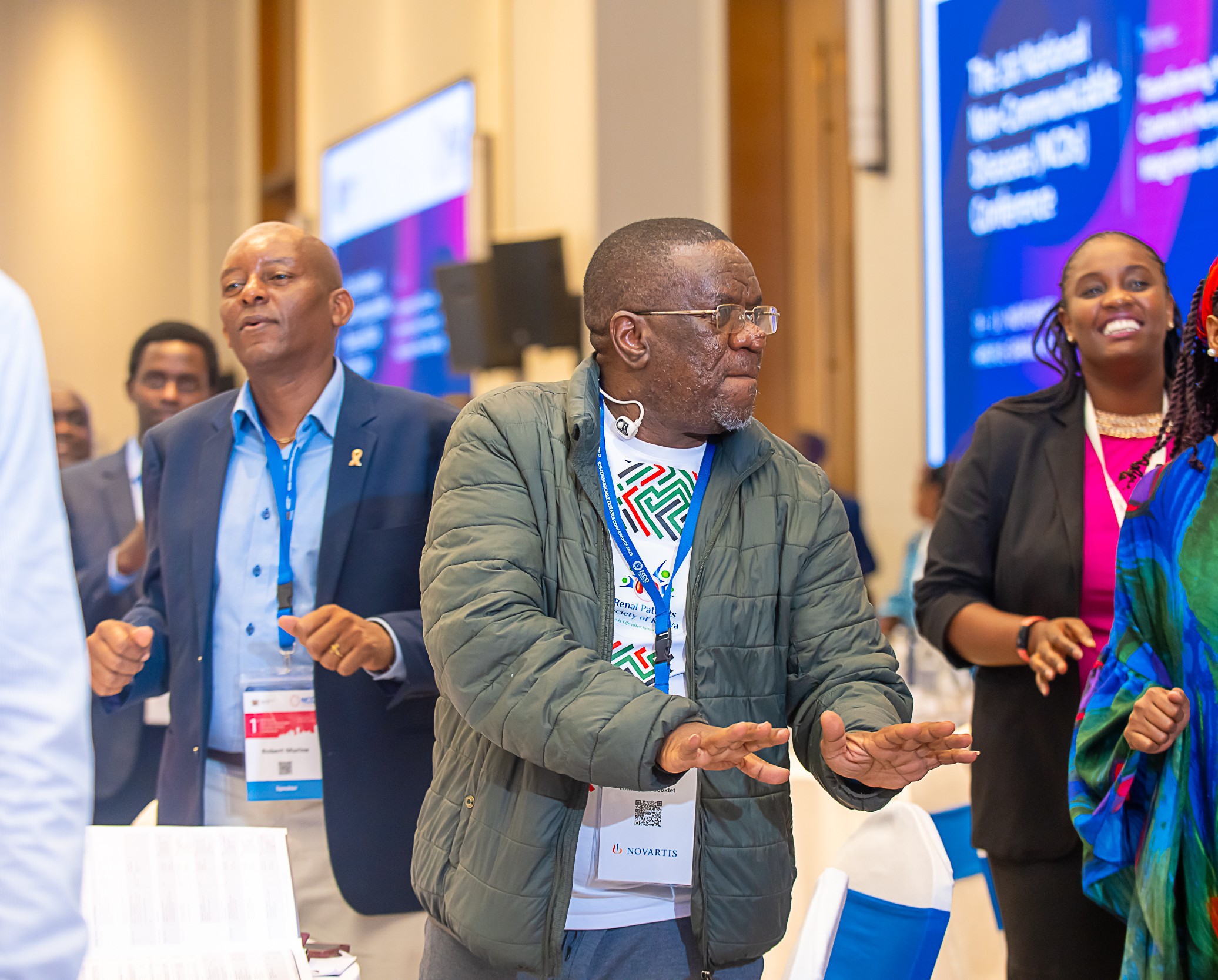
Three years later, he was diagnosed with a chronic kidney condition. Hypertension is often known to be the major cause of kidney diseases, but according to him, his was well controlled.
“The cause of my kidney failure was not directly attributed to hypertension at the time because it was well controlled. I come from a family where there is hypertension. I usually tell them that hypertension is not contagious; one can manage it with medication” says John.
During his kidney condition diagnosis, John was told that it might fail in 2 to 3 years, but he did not lose hope. He kept fighting until he underwent a preemptive kidney transplant, which extended his expected period by six more years.
“In 2009, I was diagnosed with chronic kidney disease. I think I was in stage 3. I was given 2 or 3 years before I developed kidney failure. But working with my health care team, we managed to push until 2015, where I had an opportunity to do a preemptive transplant,” he narrates.
He points out how kidney disease often shows symptoms after it has already become severe, making it hard for one to know. John was not prepared mentally nor financially for the kidney journey. He underscores the importance of regular screenings even when a person feels healthy.
“Between 2011 and 2015, I was looking for an answer and I had so many questions. I was looking for someone to tell me that this is a misdiagnosis, you are fine. The danger of some of these conditions, like chronic kidney disease, is that they are silent diseases and they only manifest when it is too late. That is why we are encouraged to screen even when we don’t feel sick,” he urged.
John’s major hurdle has been the high cost of post-transplant medication. Such situations force many patients to rely only on dialysis because they cannot afford the follow-up care.
“I started to interact with the health system because when you get a transplant, it’s not a cure. You still need to take medication to prevent your immune system from rejecting the new graft that has been put in your body. I still need to go to the clinic frequently and get these drugs, which are very expensive,” he explains.
Adding “I now started questioning why can’t I be assisted to get this drug, because if I’m unable, or if anyone is unable to get these drugs, then there’s very little incentive for anyone to go for a transplant, which is a better treatment compared to dialysis.”
Finding Hope Through Filmmaking
Mitchel Omullo, a sickle cell warrior, Founder and Director at West Kenya Sickle Cell Organization and Victoria Youth In Film Empowerment, was diagnosed at the age of three. Her family had a history of sickle cell.
“I was diagnosed with sickle cell when I was three years old. Sickle cell condition has been in our family; my dad’s last born sister was a sickle cell warrior, though she’s now late,” she shares.
At school, she faced a lot of challenges, especially from her teachers who had no knowledge about the condition, hence misunderstanding her in times of crisis. This made her keep changing schools.
“In high school, my mom took me to a day school. I couldn’t go to a boarding school because of the condition. There was a teacher who used to deny me a leave of absence in times of crisis, yet I was in pain. This made me change schools and at the time, I was in form two. So I had to repeat the class,” Mitchel narrates.
Due to stigma, Mitchel went into depression and even attempted suicide. It wasn’t easy for her. She has lost many friends due to sickle cell, but she still keeps fighting and finding purpose in whatever she loves.
“I felt like God had abandoned me. In my second attempt, I told God to take my life. Maybe my family will be at peace and they will not be spending any money. So, I tried to commit suicide a lot of times, but it wasn’t successful,” says Mitchel.
Despite these hardships, she found hope, strength, and a sense of living in filmmaking. Mitchel uses her talent to raise awareness about the disease and break stigma.
“God had plans for me. I went to college and studied film and TV production. I realised that nowadays people are more engrossed in media, watching films and movies, so I thought of creating awareness through films,” she says.
The Bigger Picture: Kenya’s Burden of NCDs
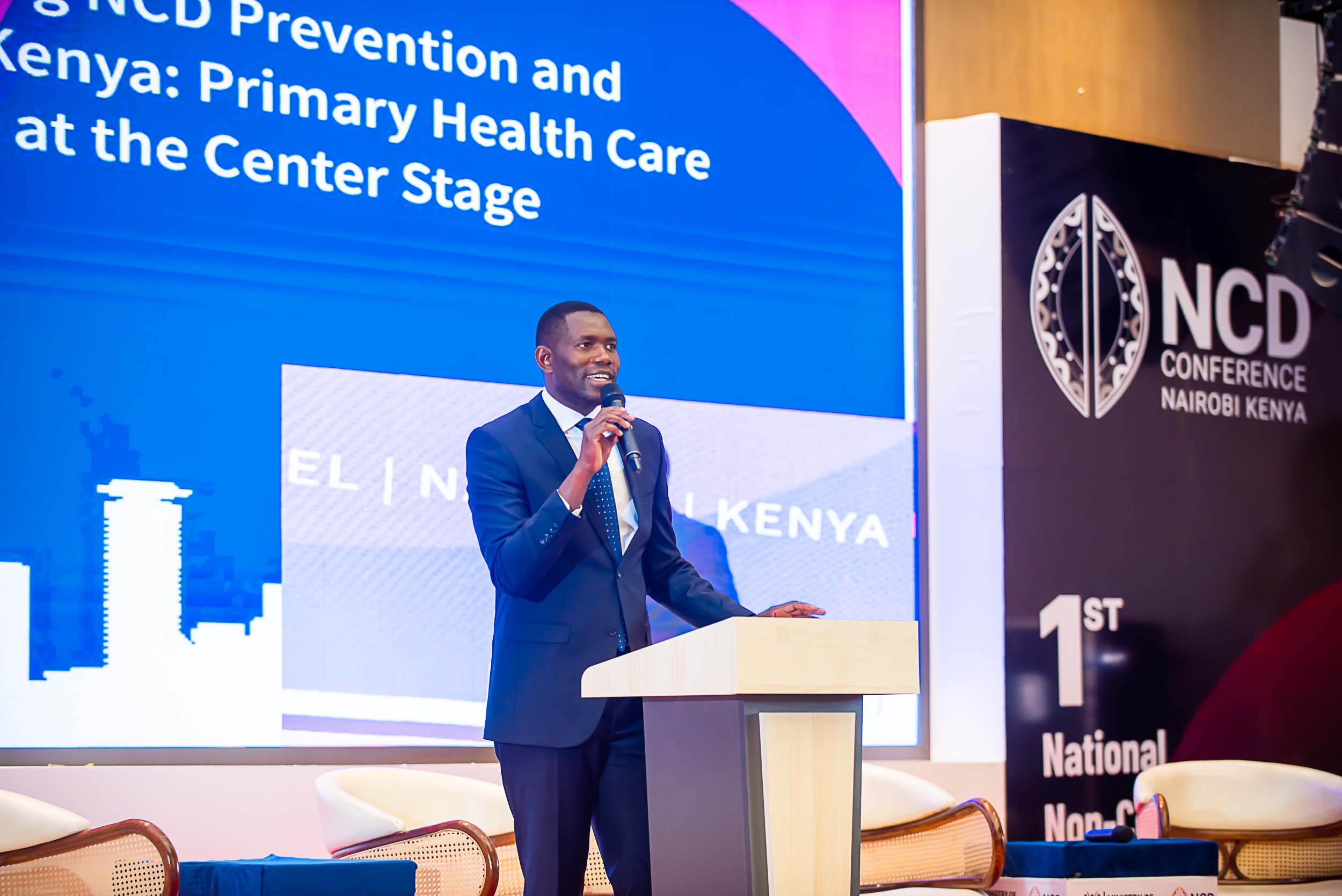
In his opening remarks during Kenya’s first Non-Communicable Diseases (NCDs) conference, Dr. Ouma Oluga, Principal Secretary for the State Department for Medical Services in the Ministry of Health stated that NCDs take a major toll in the country.
Economically, about 62% of health expenditures, such as dialysis costs and stroke management, are driven by NCD care. They also reduce quality of life, cause disability, emotional distress, and loss of national productivity.
“Our healthcare system continues to be impacted quite negatively with around 43% of all the deaths and nearly half of hospital admissions attributable to NCDs,” said Dr. Ouma.
He stressed that the best strategy is prevention. Kenya must strengthen primary health care and empower communities to reduce the heavy costs associated with advanced diseases.
Every Kenyan, regardless of location, must be able to access screening, diagnosis, and treatment services. He emphasized that health should not become an obstacle to national growth.
“The best way to deal with this issue is to keep it at bay by strengthening our communities and our primary healthcare systems, so that we prevent the economic issues that we’ve talked about. We also have to integrate NCD prevention and control in our primary healthcare system, ensuring that every patient, wherever they are, has access to the needed services,” he added.
Dr. Ouma highlighted the progress in expanding screening for cancer, diabetes, and hypertension, especially in 35 counties. Digitization is a major pillar of health system reform. Kenya has established the Digital Health Authority and is digitizing hospitals and community health data systems.
“The Ministry of Health together with stakeholders have achieved critical milestones that have strengthened our health care systems, bringing quality services closer to the people. We are digitizing hospitals and so far, we have digitized 1,300 hospitals, fully digitized end to end. We still have a journey to digitize more than 6,500,” he said.
The first-ever National Non-Communicable Diseases (NCDs) Conference in Kenya, organised by the Ministry of Health (MoH) and its partners, brought together stakeholders, caregivers, and people with lived experience, aiming to change the narrative about non-communicable diseases in the country