|
Getting your Trinity Audio player ready...
|
By Talkafrica Correspondent
JOHANNESBURG, South Africa – The eyes of the global health community will turn to Johannesburg on Friday, 21 November 2025, as the city hosts the pivotal 8th Replenishment Summit for The Global Fund.
Co-hosted by His Excellency Cyril Ramaphosa, President of South Africa, and The Right Honourable Sir Keir Starmer MP, Prime Minister of the United Kingdom, the event convenes alongside the G20 Leaders Summit, underscoring its critical place on the world stage.
This hybrid in-person and online gathering represents a decisive moment for international solidarity in the fight against infectious diseases.
Globally, The Global Fund stands as the largest financier of programs to combat HIV and AIDS, tuberculosis (TB), and malaria. The Replenishment Summit is the mechanism through which the world pledges the resources needed to sustain and expand this life-saving work.
The gathering in Johannesburg is strategically positioned to galvanize bold financial commitments from donor governments, the private sector, and philanthropic organizations worldwide. Discussions will extend beyond immediate funding, focusing on building innovative, equitable, and resilient health systems that can withstand future pandemics and serve as a bedrock for long-term development.
The choice of South Africa as the host nation powerfully connects this global mission to a local reality. South Africa embodies both the profound challenges posed by HIV, TB, and malaria and the remarkable progress possible through sustained investment and partnership.
The country itself has been a major beneficiary of The Global Fund’s model, using its support to build one of the world’s largest antiretroviral treatment programs and strengthen its public health infrastructure.
By championing the Summit’s core values of solidarity and reform, President Ramaphosa not only highlights South Africa’s leadership but also spotlights the tangible impact that global health investments can have on a national level, transforming a nation once at the epicenter of the AIDS crisis into a beacon of hope and recovery.
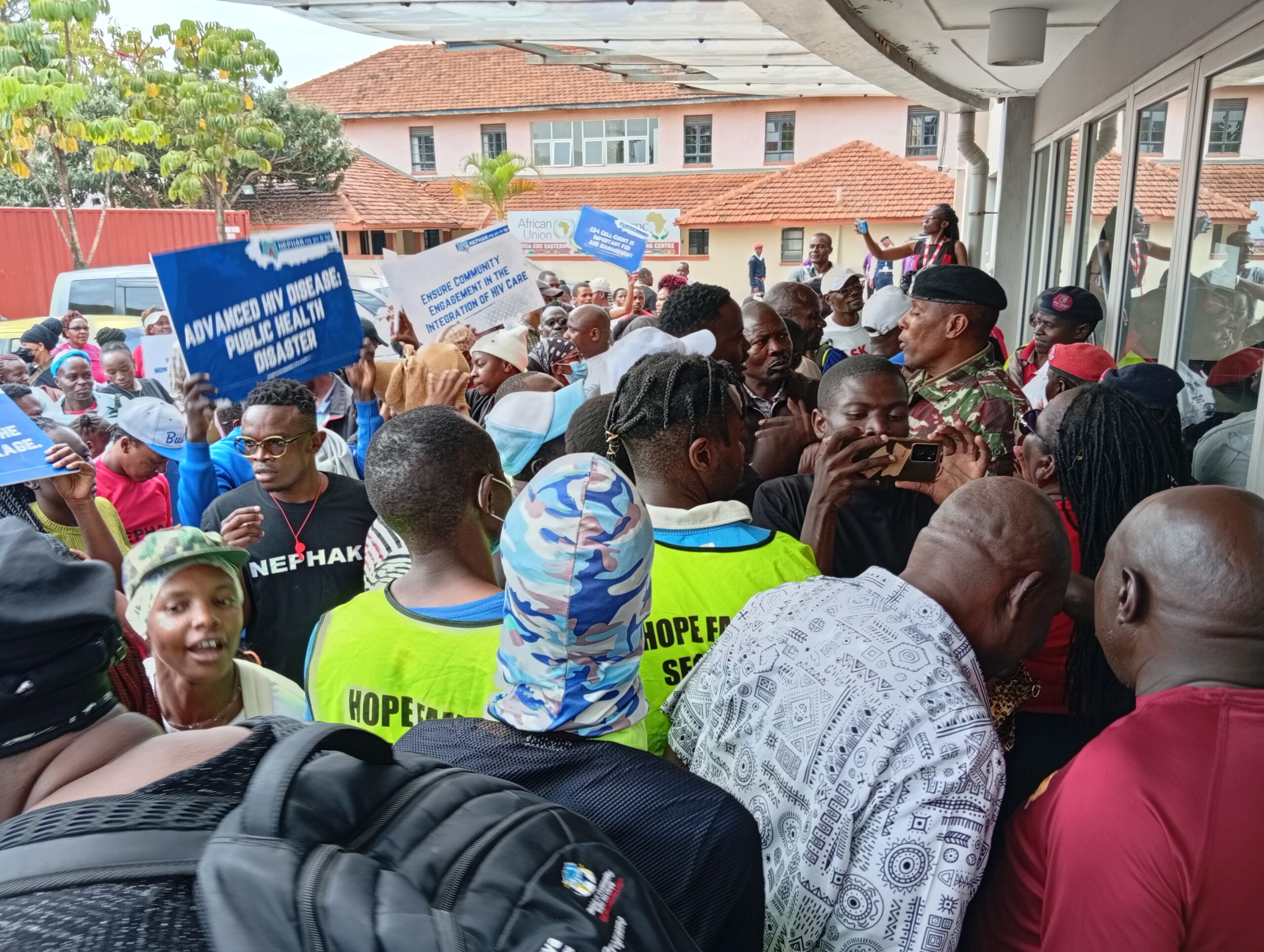
This local-global synergy is the driving force behind the event. The outcomes in Johannesburg will directly influence the pace of progress across Southern Africa and beyond, determining the scale of prevention programs, the availability of diagnostic tools, and the strength of community health networks that form the first line of defense against these diseases.
As anticipation builds towards this milestone event, members of the media are invited to follow the developments that will shape the next chapter of global health.
The collective call to action emanating from Johannesburg is clear: the world must unite and #StopAtNothing to end the epidemics of AIDS, TB, and malaria for good.