|
Getting your Trinity Audio player ready...
|
By Henry Owino
Nairobi, Kenya: Kenya’s push to privatize more than 30 state-owned enterprises has triggered growing concern among civil society groups, who warn that the move could deepen inequality, weaken public services, and place essential national assets in private hands.
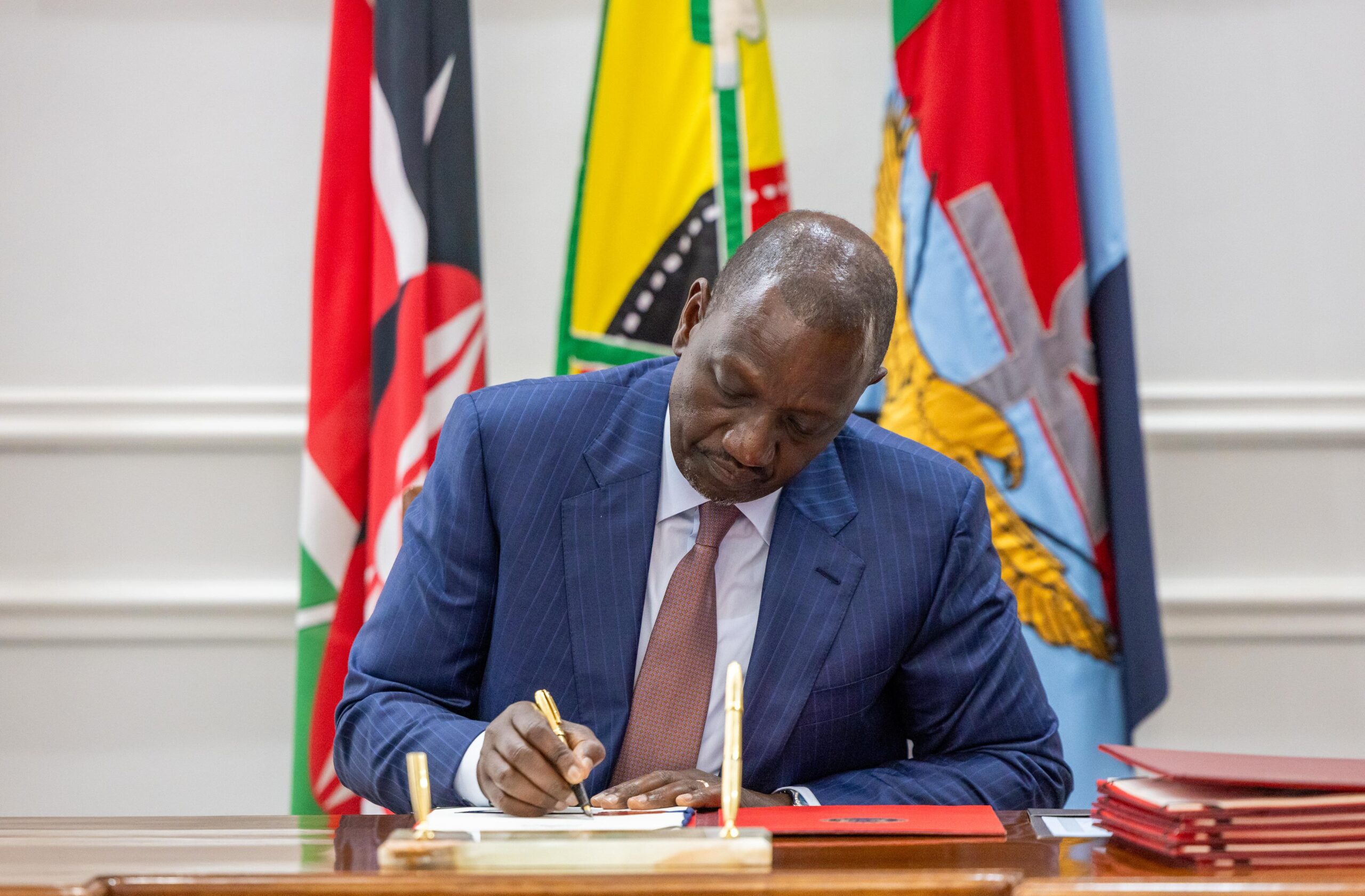
In October 2025, President William Ruto signed the Privatization Bill into law, a decision that significantly accelerates the sale or transfer of state corporations in key sectors such as ports, energy, transport, agriculture and water services.
The law streamlines the process for divestiture, giving government faster authority to dispose of public assets without lengthy parliamentary approvals.
The government insists the move is necessary to ease pressure from mounting public debt now at KES 11.8 trillion, or 65% of GDP and to meet conditions set by the International Monetary Fund (IMF) and World Bank under ongoing structural adjustment programmes.
But the Fight Inequality Alliance Kenya (FIA Kenya) argues the country is on a dangerous path.
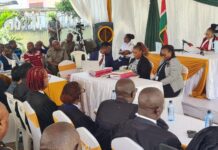
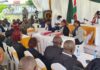
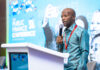
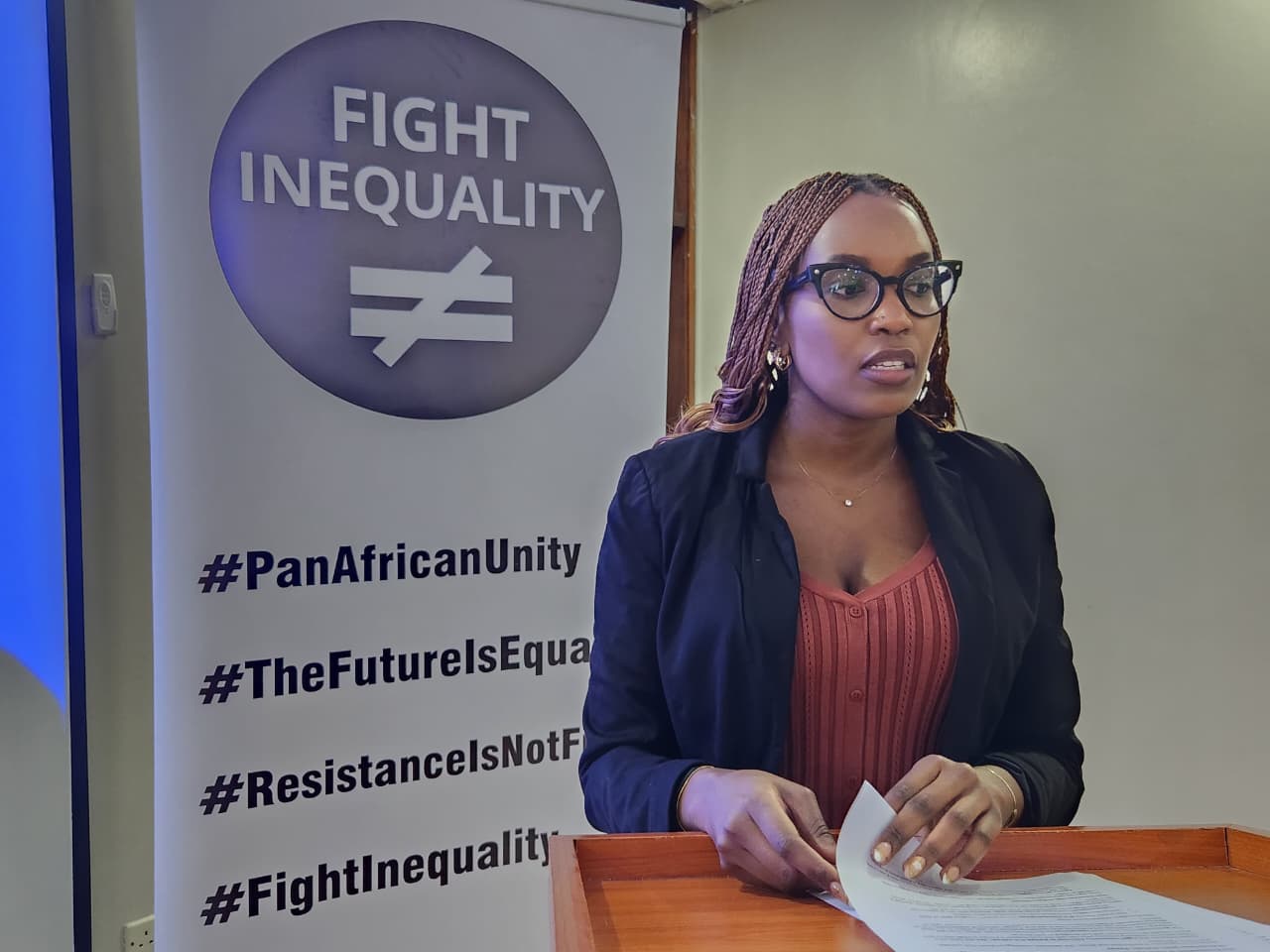
At a press briefing in Nairobi, the FIA Kenya warned that privatization driven by debt and austerity could erode essential services, trigger widespread job losses, and make life more expensive for millions of Kenyans already grappling with the rising cost of living.
“Privatization does not benefit ordinary Kenyans. It widens inequality, limits access to essential services, and takes power away from the public,” said Brenda Osoro, National Coordinator of FIA Kenya. “Public resources must be protected not sold to the highest bidder.”
Concerns Over IMF and World Bank Influence
FIA Kenya accused international lenders of exerting outsized influence over Kenya’s economic policies. The Alliance says loan conditionalities tied to the IMF programme have repeatedly pushed the government toward austerity measures and privatization as a prerequisite for continued funding.
The group also expressed worry that privatization may lead to higher tariffs in sectors like water, electricity and transport limiting access for low-income families.
“Cuts to public spending and the sale of state assets will only make inequality worse,” Ms Osoro said. “We cannot build a fair society when essential services are treated as commodities.”
Historical Lessons and Human Impact
Kenya has witnessed mixed results from past privatizations. The cases of Kenya Airways and Telkom Kenya both partially privatized are cited by critics as cautionary tales. Each required government bailouts after private investment failed to deliver the expected turnarounds, leaving taxpayers to absorb the losses.
With more than half of Kenya’s tax revenue currently going toward debt repayment, campaigners say any further erosion of public services or job security could push vulnerable households deeper into poverty.
Civil Society’s Demands
FIA Kenya issued a list of demands urging the government to place citizens not creditors at the centre of economic reform decisions. These include:
- An immediate halt to the privatization of state assets and essential public services
- Expansion, not reduction, of public investment in health, education, water, and energy
- Full transparency in privatization contracts and debt negotiations
- Stronger parliamentary oversight and public participation in all economic reforms
- Protection of workers’ rights and job security
- Rejection of loan conditions that push privatization or austerity
- Pursuit of alternatives such as wealth taxes, scrapping harmful tax incentives, and advocating for international debt cancellation
An Urgent Question for Kenya’s Future
Analysts say the coming months will be decisive as the government moves to implement the new privatization law while continuing negotiations with international lenders.
For civil society, the issue is not simply about economics but about Kenya’s long-term stability, fairness, and identity.
“Must we sacrifice our public resources for short-term profit?” FIA Kenya asked. “Kenya’s future must be shaped for all not for a privileged few.”