By OMBOKI MONAYO
Nairobi, Kenya: In a major breakthrough for cancer care in Kenya, patients battling HER2-positive breast cancer will soon access the full course of Herceptin treatment—once a prohibitively expensive regimen—thanks to a new pricing agreement between the Ministry of Health and pharmaceutical giants Roche and Pfizer.
Herceptin, the brand name for trastuzumab, is a targeted antibody therapy that binds to the HER2 protein, which is overexpressed in certain breast and stomach cancers.
By blocking this protein’s activity and triggering an immune response, the drug helps destroy cancer cells. It is often administered in combination with chemotherapy, both before and after surgery.
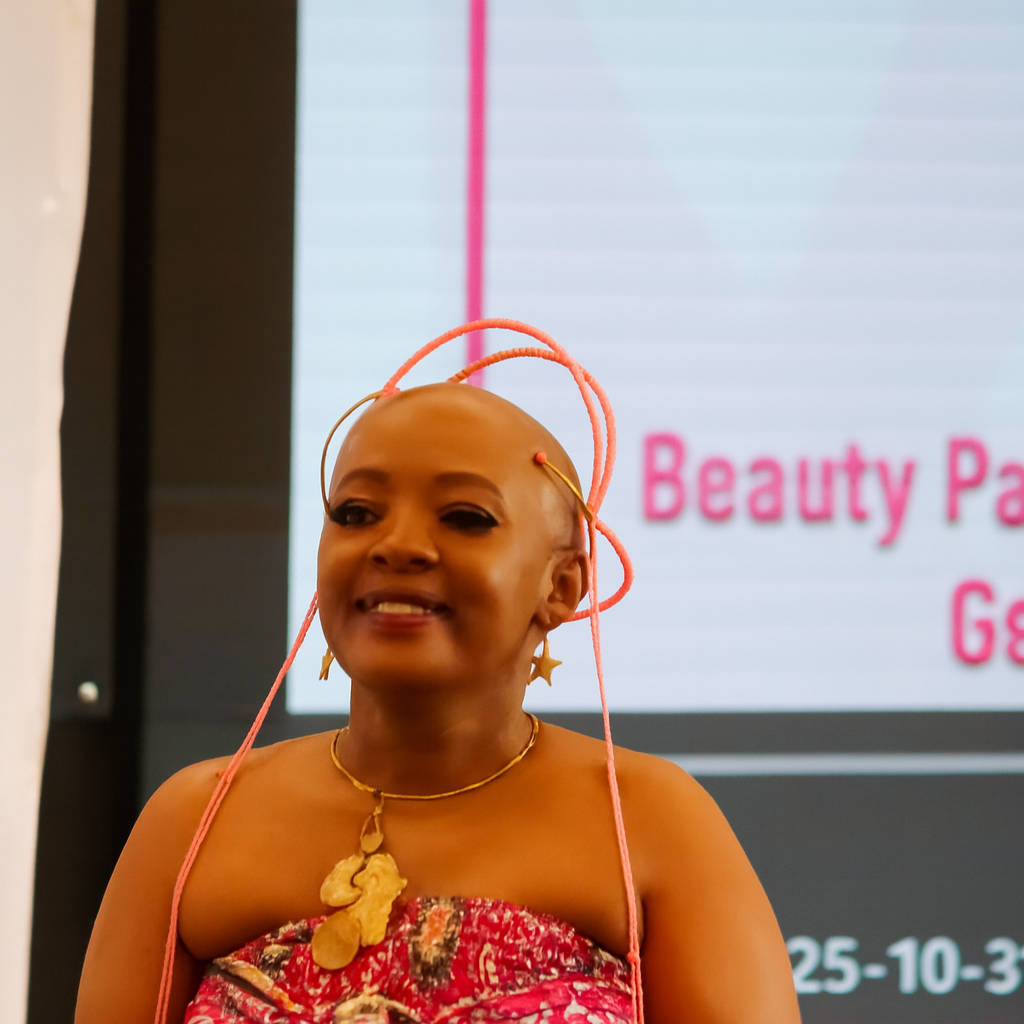
The announcement was made during the vibrant “Scars to Stars” beauty pageant hosted by the Kenya Network of Cancer Organizations (KENCO) on October 31, 2025. The colourful event, which was a celebration of resilience and advocacy, brought together survivors, caregivers, and policymakers in a powerful show of unity.
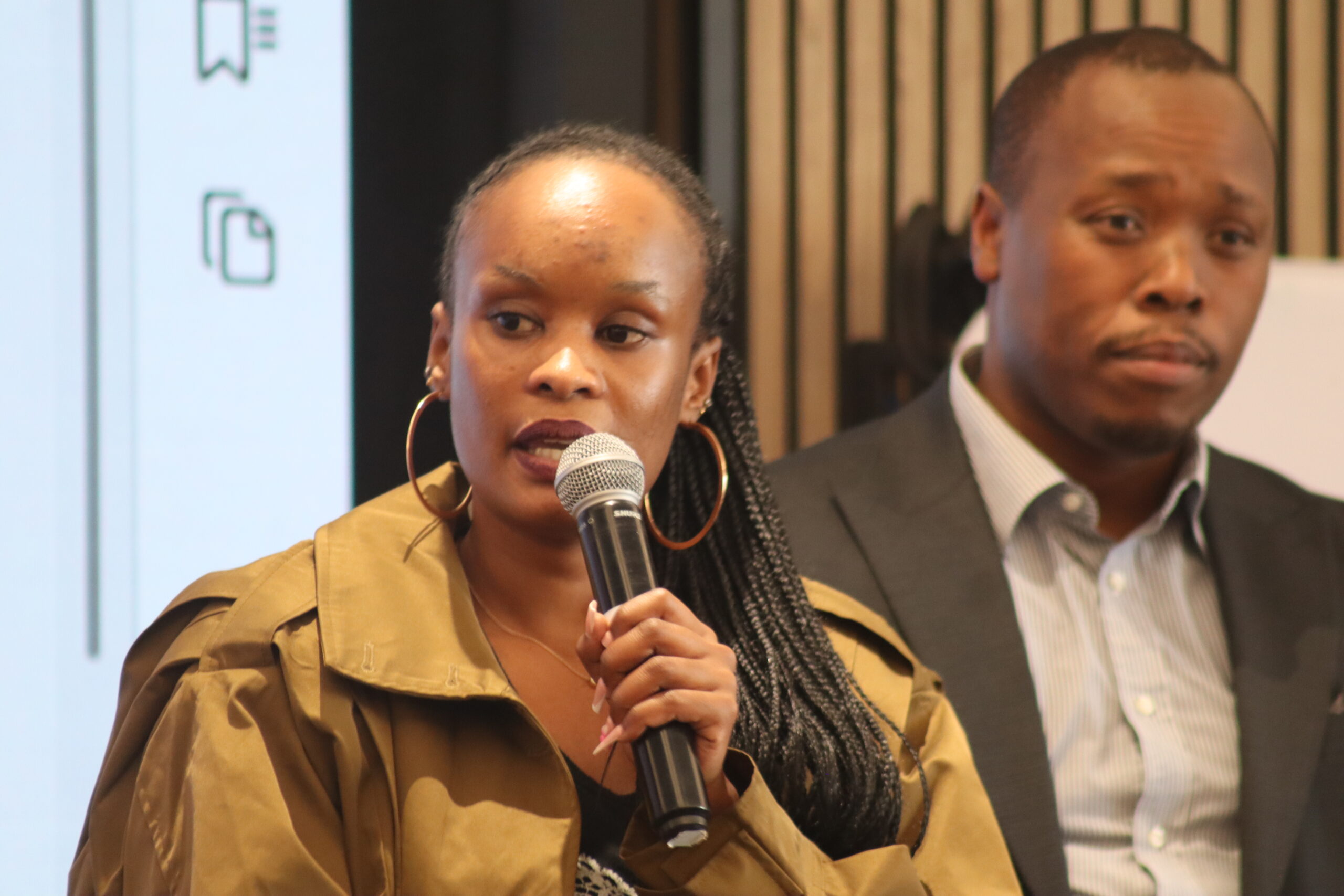
Dr. Michelle Nguu of the National Cancer Institute (NCI) of Kenya revealed that the government is finalizing a memorandum of understanding (MoU) with Roche and Pfizer to ensure that patients under the Social Health Authority (SHA) oncology benefits package receive the full 18-dose Herceptin regimen.
“Currently we are working to actualize Herceptin with Pfizer, which is an access program to ensure that our patients with the HER2-positive breast cancer will receive the required 18 doses under the oncology benefits package as stipulated in the SHA schedule,” Dr. Nguu said.
While the SHA package currently caps oncology benefits at Ksh550,000 well below the Ksh700,000 cost of a full Herceptin cycle Dr. Nguu assured patients that the entire regimen would now be covered.
“I know the oncology benefits package covers up to Ksh550,000, but we are here to tell you that no matter the package, any patient who is a candidate for Herceptin will receive the 18 doses moving forward,” she emphasized.
Previously, patients had to pay up to Ksh120,000 per session, making the treatment inaccessible for many. The new deal marks a turning point in Kenya’s efforts to democratize cancer care.
Beyond Herceptin, the NCI is also working with Pfizer to roll out an access program that will provide 49 cancer treatment molecules at significantly reduced costs.
“The institute is also working on the Pfizer access program which will avail 49 molecules that the patients will be receiving as part of their treatment course. Pfizer, the multinational pharmaceutical company, has provided the molecules at a low cost to the government,” Dr. Nguu explained.
This initiative targets five high-burden cancers in Kenya: breast, cervical, colorectal, prostate, and oesophageal.
“Subsequently, that means that we have totally lowered the cost of treatment across the five cancers that we concentrate on,” she added.
The MoU also includes the adoption of three biosimilars: trastuzumab, bevacizumab, and rituximab, which are expected to further reduce treatment costs and expand access.
“Under that MoU, we have three biosimilars that are going to be adopted by the Ministry of Health under that MoU—that is intravenously administered trastuzumab, sold as Trazimera, bevacizumab sold as Zirabev, and rituximab sold as Ruxience,” Dr. Nguu said.
Despite these gains, the SHA’s current oncology benefits package of Ksh400,000—down from the Ksh600,000 previously offered by the now-defunct National Hospital Insurance Fund (NHIF)—remains a point of contention. KENCO, which represents 55 cancer civil society organizations, is calling for the package to be increased to Ksh1.2 million per patient.
On October 7th 2025, the organization staged a demonstration outside the Ministry of Health headquarters at Afya House, demanding more robust support for cancer patients.
It has also submitted a petition to Parliament containing these demands, which the MPs, led by Majority Leader Kimani Ichungwah, promised to support.
Dr. Nguu acknowledged the financial strain many families face, particularly those dealing with hematological cancers, but reaffirmed the NCI’s commitment to equitable care.
“Some of you, especially when you talk about hematological cancers, are facing serious challenges. We know we are not able to fully prescribe some of these regimens due to the cost of care. But once again, through the leadership of Dr. Elias Melly, the National Cancer Institute is committed to access to treatment and not just access to any treatment. We are talking about quality and affordable medication. This is what we do. This is what we are passionate about, and this is what we continue doing,” she said.
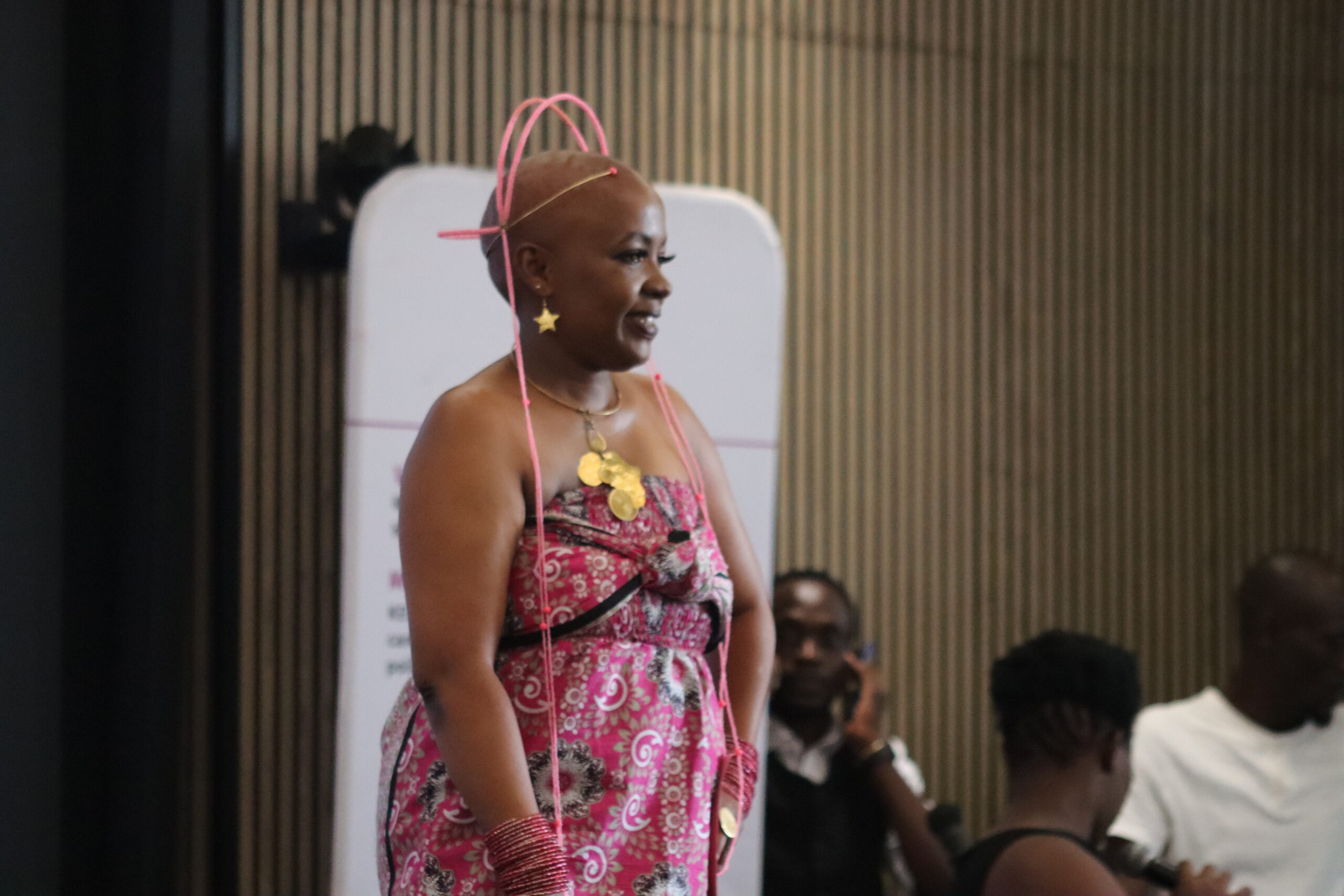
The “Scars to Stars” pageant itself was a moving tribute to survivorship and advocacy. Sixteen cancer warriors took to the runway, using fashion and storytelling to challenge stigma and celebrate life. Among them was Ms. Viola Kiondo, a mother of three and founder of the Tarajio Breast Cancer Foundation, who was crowned this year’s winner for her outstanding poise, confidence, fashion sense and advocacy.
In a speech read on his behalf by NCI chief executive Dr. Elias Melly, Health Cabinet Secretary Aden Duale paid tribute to the courage of cancer survivors and the dedication of caregivers.
“We acknowledge the strength, resilience and determination of those who have faced the challenges of cancer. To the survivors, you are beacons of hope, inspiring others with your courage and perseverance,” said CS Duale. “Your journey is a testament to the human spirit’s capacity to overcome adversity. Your story is a reminder that cancer is not a solo journey but a collective experience that touches families, friends and communities.”
He also recognized caregivers as “unsung heroes that put others before themselves and ensure that those in their care receive the best possible support.”
“Your selfless dedication and love has made a profound difference in the lives of those affected by cancer,” he said.
CS Duale further lauded civil society organizations and advocates for their relentless push to improve cancer care.
“Your advocacy and effort has helped raise awareness, promoted research and improved access to cancer care. Your work has contributed to a world where cancer is increasingly preventable, treatable and survivable. You’ve pushed boundaries, challenged laws and demanded better for those affected by cancer,” he said.
However, he acknowledged that significant challenges remain.
“Significant progress has been achieved in screening technologies, targeted therapies, immunotherapies, community-driven initiatives, advocacy, and policy changes that have improved the lives of those living with cancer. We also acknowledge the challenges that remain in diagnosis and treatment,” he noted.
He called for a united front to address disparities in cancer care, especially among economically disadvantaged populations.
“Cancer continues to be a leading cause of death worldwide in many communities facing barriers to quality care, diagnosis and treatment. We recognize the disparities in access to cancer care services, the burden of cancer in vulnerable populations and the need for more effective, equitable solutions,” said CS Duale.
“Together, we can support those affected by cancer, advocate for better care and policies, amplify the voice and meet the needs of those living with cancer and work towards a world where cancer is no longer a life-threatening disease,” he concluded.