|
Getting your Trinity Audio player ready...
|
By Mercy Kachenge
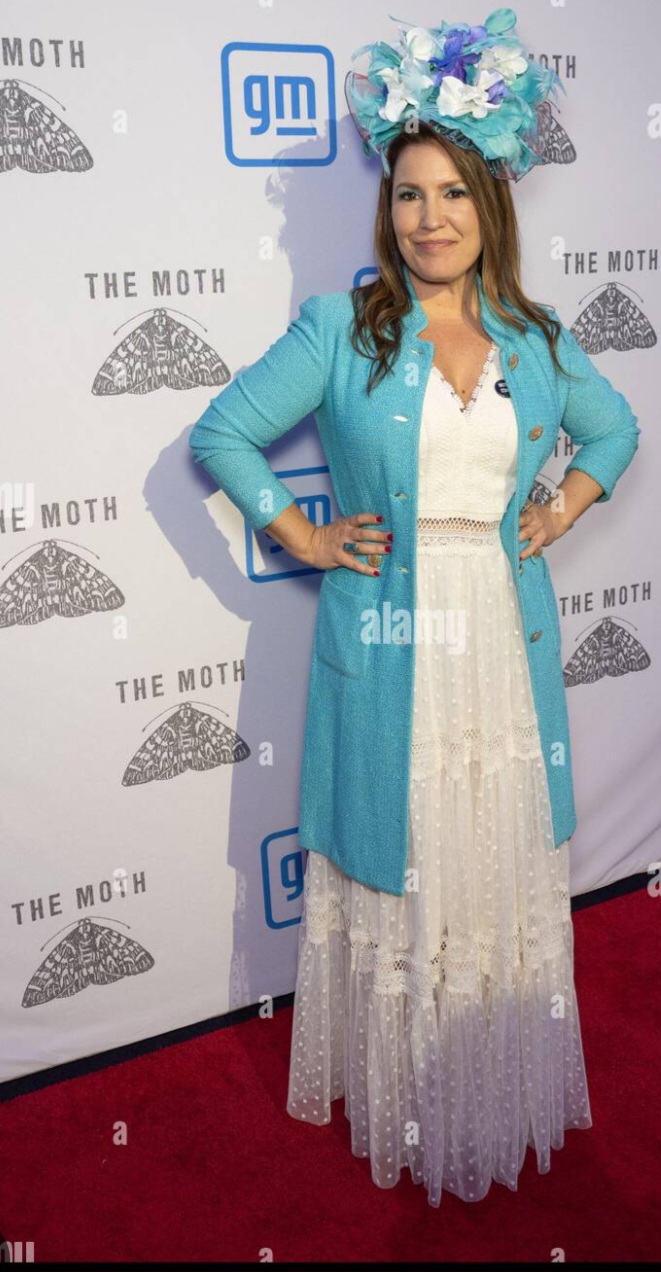
Nairobi, Kenya: Sarah Austin-Jeness, Executive Producer of The Moth, a globally acclaimed New York-based storytelling organization, believes in the transformative power of stories, viewing them as more than mere entertainment.
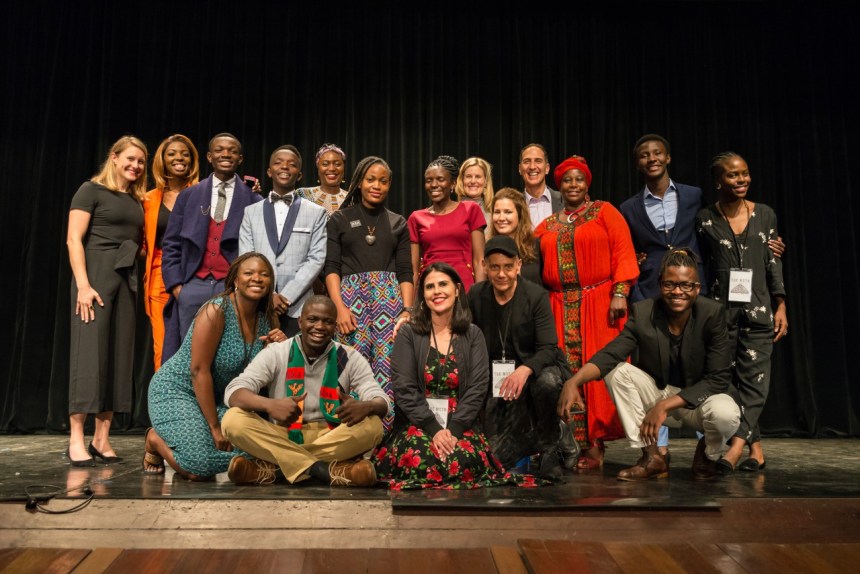
Sarah has seen firsthand how stories can transcend borders and inspire communities. Through The Moth’s Global Community Program, which has taken root in Nairobi and across Africa, she is helping to nurture a new generation of storytellers who are using their personal experiences to drive social change.
“The Moth’s work is all about centering the individual. It’s about elevating personal experiences and emotional journeys so that audiences can better understand the everyday issues shaping our world,” Sarah says.
In Africa, where oral storytelling has always been an integral part of culture and identity, The Moth’s approach feels both familiar and refreshing. Sarah calls it “fanning a new movement of storytelling that has existed since time immemorial.”
From Nairobi to Lagos, Kampala to Johannesburg, storytellers who have passed through The Moth’s workshops are using their voices to illuminate the realities of gender, health, and social justice in deeply personal ways.
Through partnerships with organizations such as the Gates Foundation, The Moth has supported workshops around themes like global health innovation, gender equity, agriculture, and food security. But while the themes may be global, the stories are always personal. “We’re an independent arts organization. Our job is to support storytellers in the stories they choose to share and where they choose to share them.”
These stories often defy expectations. They might unfold on a public bus, at a community gathering, or on The Moth Radio Hour, where voices from Nairobi mingle with those from New York and beyond. “The most healing stories,” Sarah says, “are those that bring us through someone’s eyes and heart when we travel with them on a journey.”
One of the storytellers Sarah holds in high regard is Kenyan advocate and writer Rosalyn Orwa, whose narratives about widowhood and motherhood challenge entrenched gender norms and open up space for healing.
Another is Adelle Anyango, a Moth graduate known for her activism and creative leadership. Even popular figures like musician King Kaka have passed through the program, sharing experiences that blend art, social reflection, and authenticity.
“The stories I love most are the ones that are unexpected and heartfelt “They help us learn something about humanity, about choice, and about resilience,” Sarah says.
At its heart, The Moth’s philosophy is about empowerment through storytelling. Every participant comes to the workshop with a story of their own choosing.
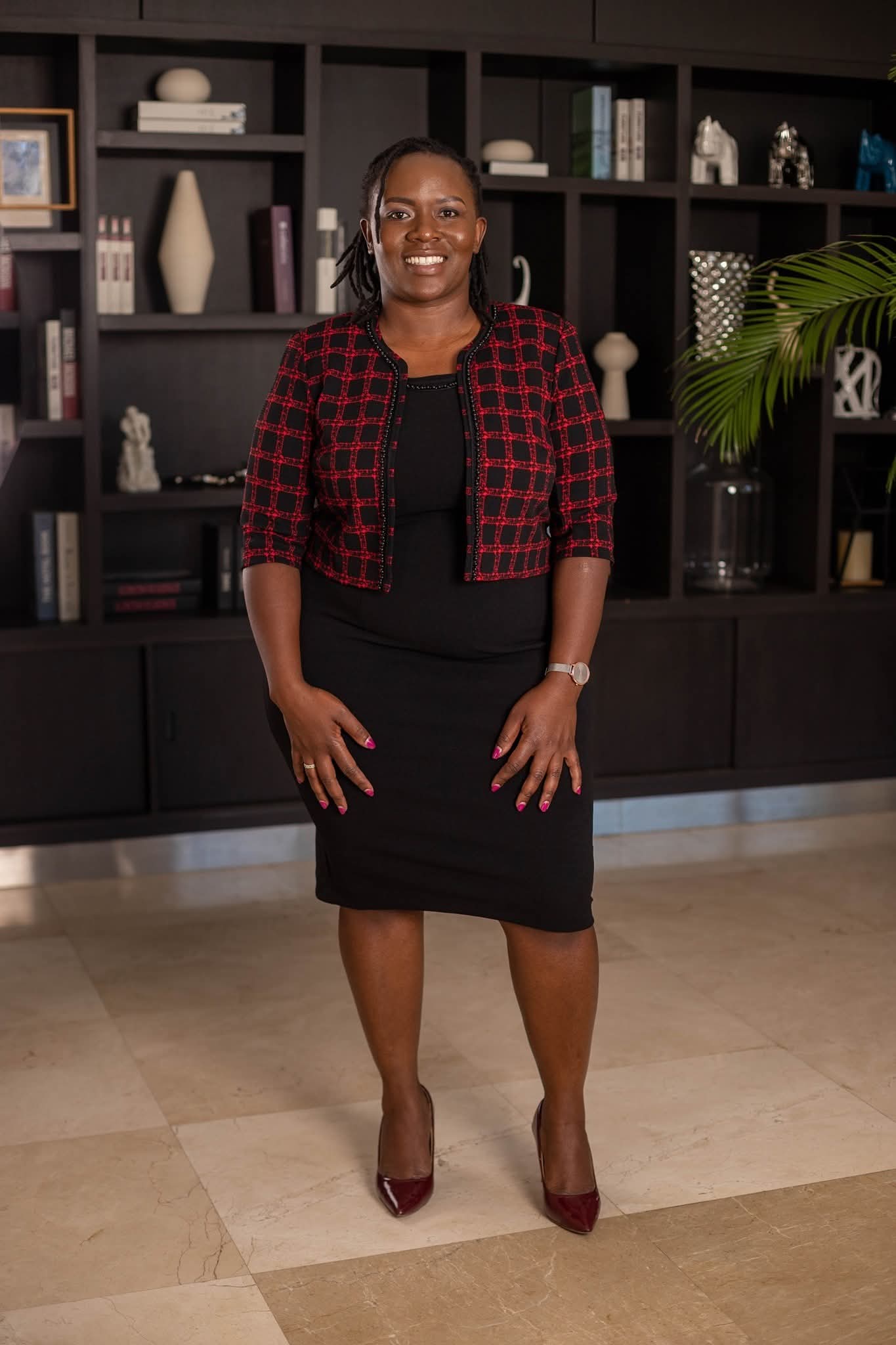
The instructors, many of them experienced storytellers themselves act as what Sarah calls “midwives,” helping storytellers birth their narratives into the world. It’s a process rooted in respect and agency, where the storyteller decides what to share, how to share it, and what to leave unsaid.
Among those shaping this process in Africa is Maureen Amakabane, a Nairobi-based instructor with The Moth who has watched the continent’s storytelling culture evolve from within. For Maureen, the diversity of stories emerging from The Moth’s African workshops reflects a continent reclaiming its narrative voice.
”Within The Moth I have seen an incredible diversity. African storytellers are bringing their lived experiences to the forefront, and those stories are reshaping how people see Africa and themselves.”
Maureen’s work involves guiding storytellers to transform deeply personal experiences into powerful public narratives. She explains that The Moth uses a simple but effective storytelling structure known as the “story arc”, a tool that helps storytellers shape their experiences into a clear emotional journey.
“We teach the arc and the elements of a story,” Maureen explains. “That becomes your editing tool. You choose what to include and what to leave out, depending on the story’s focus and the time frame whether it’s five or ten minutes.”
For Maureen, personal storytelling is not just about performance, it’s about authenticity. It’s about allowing people to tell their truths in ways that resonate. “Integrating personal and lived experiences brings authenticity,” she says. “It’s a very powerful tool that people in education, leadership, and even the government should embrace.”
Maureen is particularly passionate about how storytelling empowers women. Through The Moth’s workshops, she has seen countless women reclaim agency by speaking about their lives with honesty and courage. “When women touch into their lived experiences, they reclaim their space,” she says. “They take ownership of their stories and that’s where power begins.”
In a world overwhelmed by fast content, social media trends, and shrinking attention spans, Maureen insists that storytelling still matters perhaps now more than ever. “Storytelling humanizes. Even in a digital age, people crave human connection. And The Moth teaches short, focused stories which fit perfectly within today’s fast-paced world.”
For Sarah, The Moth’s goal is not to impose a storytelling model but to celebrate Africa’s existing storytelling richness and offer a platform where individual stories can be heard globally. For Maureen, the movement is about ensuring that those stories remain rooted in authenticity, reflecting real lives and lived truths.
Sarah believes, the more people tell personal stories, the more the world they want to see becomes possible.