By Winnie Kamau
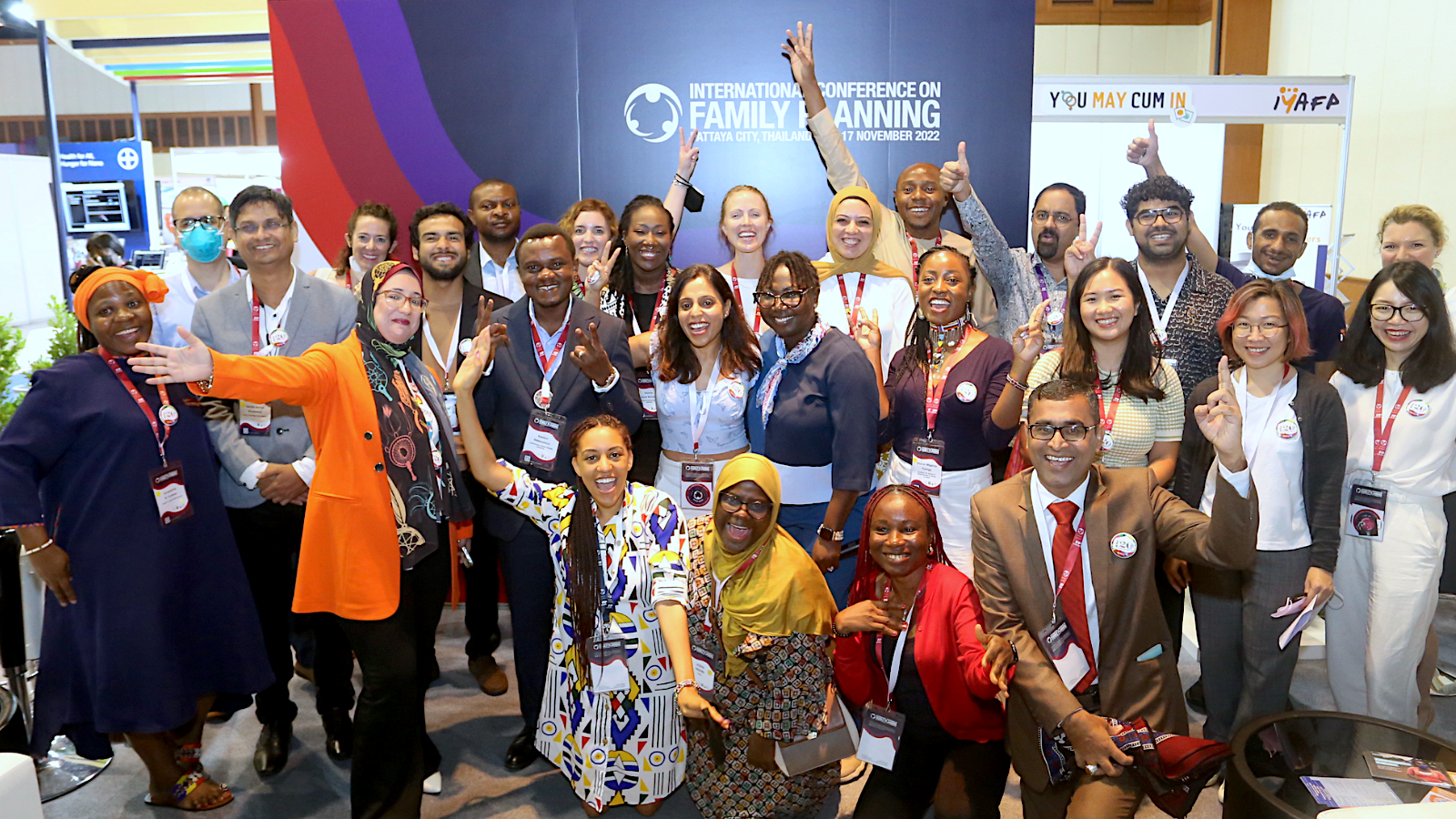
Nairobi, Kenya: As the world’s attention turns to Bogotá, Colombia, for the Seventh International Conference on Family Planning (ICFP 2025), African leaders, researchers, and advocates are preparing to bring their regional realities and solutions to the global stage.
This year’s meeting, themed “Equity Through Action: Advancing Sexual and Reproductive Health and Rights for All”, is more than a scientific conference; it is a rallying point for nations grappling with the consequences of shrinking aid, political pushback, and widening health inequities.
For Africa, the gathering comes at a defining moment. While the continent has made notable progress in family planning access, millions of women and girls remain without modern contraceptive options.
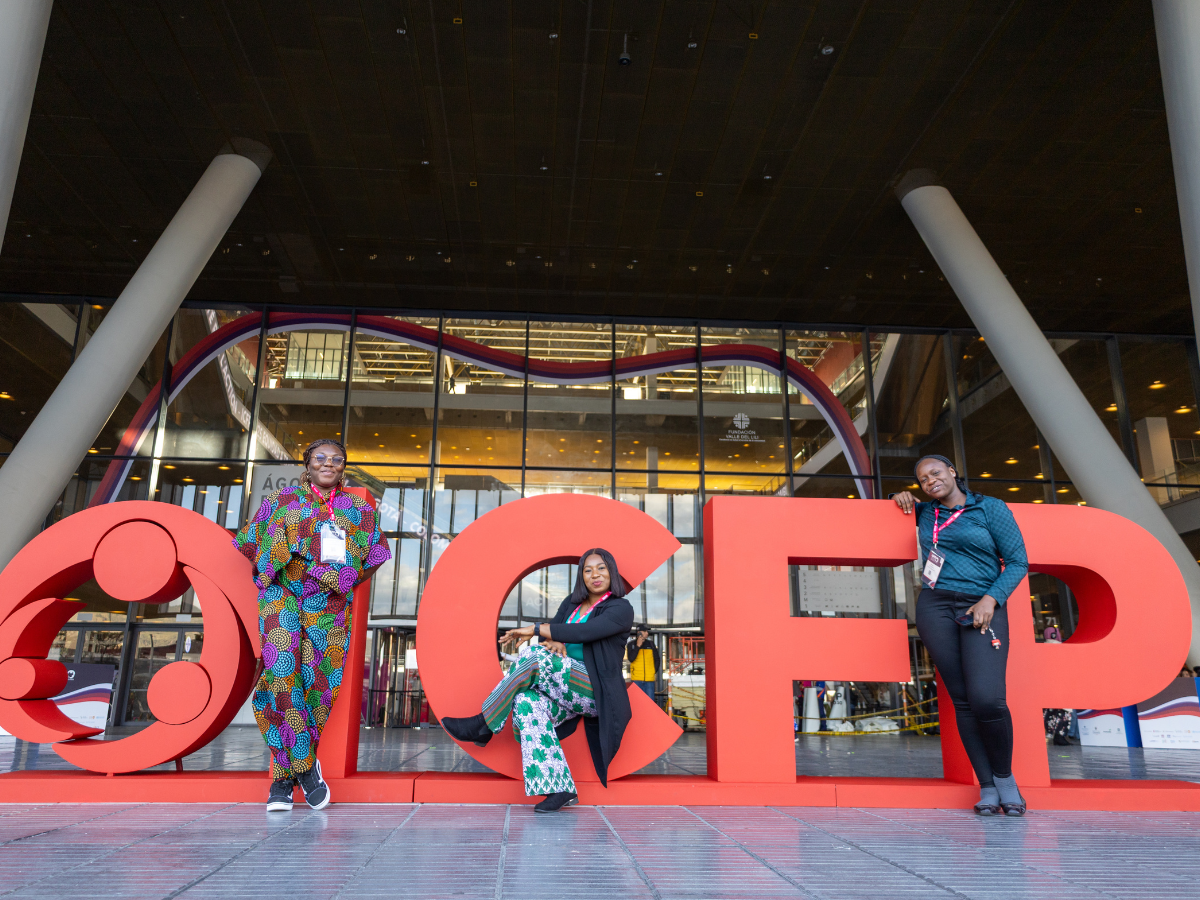
According to the United Nations Population Fund (UNFPA), more than 250 million women globally still lack access to modern methods with the majority living in the world’s poorest regions, many of them in sub-Saharan Africa.
African Leaders Drive the Conversation
African representatives will play a prominent role at ICFP 2025. Among the confirmed speakers are Dr. Ejike Oji, President of Nigeria’s Association for the Advancement of Family Planning, Marie Ba, Director of the Ouagadougou Partnership, and Samukeliso Dube, Executive Director of FP2030, who will highlight how African-led initiatives are transforming reproductive health through innovation and collaboration.
For Dr. Oji, the stakes are clear: “Contraception is the first line of defense against maternal mortality. In Africa, access to family planning is not just about choice, it’s about survival and dignity,” he says. His call echoes across the continent, where maternal deaths remain high, and access to reproductive health services is often limited by funding gaps, cultural barriers, and political will.
From Infrastructure to Systems Resilience
As ICFP opens in Latin America for the first time, African delegates will also reflect on lessons that transcend regions. The conversation on health financing and systems resilience resonates strongly across Africa, where domestic funding remains inadequate.
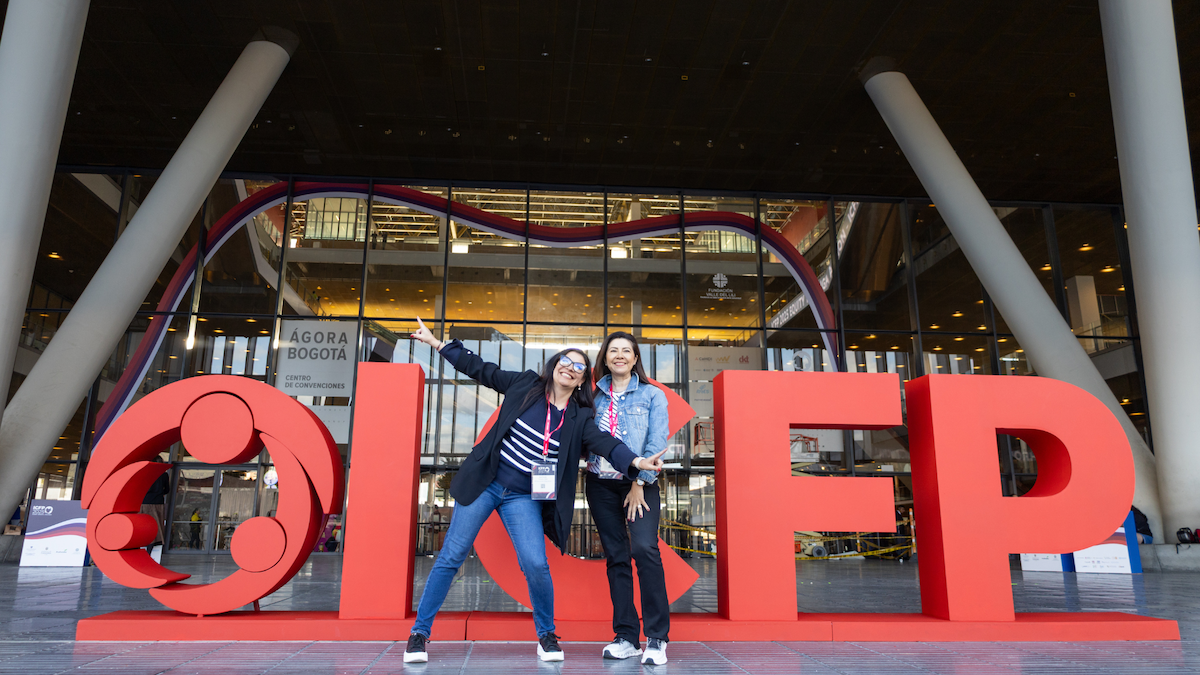
Analyses from Ghana, Kenya, and other nations set to be unveiled at the conference show how domestic investment in family planning yields significant economic returns, strengthening communities and boosting national development.
However, a projected global shortfall of $1.5 billion in reproductive-health commodity financing by 2030 threatens to reverse progress. With donors shifting priorities, African countries are under pressure to find sustainable models of funding and supply chains. “We cannot build resilient systems on uncertain funding,” notes Marie Ba, whose Ouagadougou Partnership unites nine francophone West African countries in accelerating family planning access. “African governments must lead with evidence and ownership.”
Science and Technology Powering African Solutions
ICFP 2025 will feature over 2,000 scientific presentations, many spotlighting African innovation. Research from Kenya, Malawi, and Ethiopia highlights how AI-powered health platforms, digital tools, and even drone delivery systems are revolutionizing contraceptive supply chains, ensuring that even the most remote communities are not left behind.
This digital transformation is reshaping how young people, women, and health workers engage with reproductive health information. In Nigeria, for instance, youth-led podcasts and social media campaigns are breaking taboos, while in Kenya, data visualization and AI are helping track service delivery gaps.
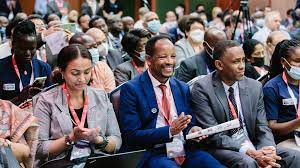
These efforts underline a key shift: family planning is no longer confined to clinics; it’s being powered by communities, technology, and storytelling.
Youth and Gender Transformation at the Forefront
Africa’s youth, who make up more than 60 percent of the continent’s population, are also claiming their space in the global dialogue. Initiatives such as the Deaf Youth Podcast in Nigeria demonstrate how inclusive, youth-driven media can reshape sexual and reproductive health communication. The conference will also examine progress on male contraception, with new studies showing shifting attitudes toward shared responsibility in family planning, a significant cultural breakthrough in many African societies.
“Gender transformation begins when both men and women are empowered to make informed choices,” says FP2030’s Samukeliso Dube. “We are seeing a new generation of African men stepping up, which is critical for achieving gender equity in health.”
Community Voices and Cultural Power
ICFP 2025 emphasizes that data alone cannot drive change. The ICFP LIVE Stage and the Family Planning News Network (FPNN) will amplify the voices of health workers, advocates, and journalists from across Africa who are redefining the narrative of reproductive rights. Their stories from clinics in rural Malawi to advocacy networks in Uganda reveal resilience, creativity, and determination in advancing family planning, even under restrictive environments.
Through storytelling, African journalists are helping global audiences understand that reproductive health is deeply intertwined with democracy, climate resilience, and social justice. As one Kenyan journalist noted, “When we tell the stories behind the statistics, we remind the world that family planning is not just about numbers, it’s about people’s lives.”
A Call for Renewed Commitment
With less than five years left to achieve the Sustainable Development Goals (SDGs), ICFP 2025 offers a critical moment for reflection and action. Leaders from over 50 governments and 120 countries are expected to make new commitments, particularly in safeguarding reproductive rights and financing women’s health systems amid shifting global priorities.
UNFPA’s Executive Director, Diene Keita, captured the urgency: “Contraception saves lives. We cannot afford complacency — women and girls are counting on us. Let’s use the evidence from Bogotá to shape policies that uphold their rights and secure a healthier, more prosperous future.”
An African Future for Global Health
As Bogotá becomes the epicenter of the world’s reproductive health movement, African voices are not just participating, they are leading. From policy reform to grassroots advocacy, the continent’s contributions demonstrate that progress is possible through collaboration, creativity, and courage.
For Africa, the message is clear: when evidence meets action, and when communities lead, family planning becomes not only a health priority but a foundation for equality, opportunity, and sustainable development.