|
Getting your Trinity Audio player ready...
|
By Arasha Soila
Nairobi, Kenya: A new report, “Experiencing Online Sexual Exploitation and Abuse in Kenya: Survivor Narratives and Legal Responses,” has been released. It aims to provide various stakeholders with a more profound understanding of the critical reforms necessary to combat Online Sexual Exploitation and Abuse (OSEA) and enhance survivor protection in Kenya.
OSEA is increasingly driving human trafficking in Kenya. Predators use digital platforms to recruit, groom, and traffic women and girls both within Kenya and internationally. This trend was highlighted in a report by Equality Now, in partnership with KICTNet, HAART Kenya, Life Bloom Services International, and Trace Kenya.
The report reveals how social media sites like Facebook, WhatsApp, TikTok, and mobile money apps such as M-Pesa are weaponized by traffickers offering false job opportunities and financial incentives to lure vulnerable victims.
These technology-facilitated abuses are intimately linked with physical trafficking, creating a continuum of exploitation that spans digital and real-world spaces. Yet, many systemic barriers undermine victims’ access to justice.
Widespread victim-blaming and fears of retaliation also significantly discourage survivors from reporting abuse to the authorities. Many face pressure from family or community members to drop their complaints and resolve matters privately with the perpetrators. Those who do seek help often encounter dismissive responses from law enforcement, alongside weak implementation of laws.
The legal framework in Kenya, while including progressive laws like the Sexual Offences Act, the Counter-Trafficking in Persons Act, and recent amendments to the Computer Misuse and Cybercrimes Act, still treats online and offline abuses separately, lacking provisions for emerging digital harms such as deepfakes and live-streamed sexual abuse.
Enforcement remains inconsistent and fragmented, with police, prosecutors, and courts often lacking training in trauma-informed approaches and digital evidence handling. Survivors frequently encounter victim-blaming, intimidation, corruption, and inadequate legal aid, leading to many cases collapsing or being withdrawn
Cherie Oyier, Legal and Digital Rights Expert at KICTANet, expressed concerns during the launch regarding Kenya’s legal framework on technology-facilitated gender-based violence (TFGBV).
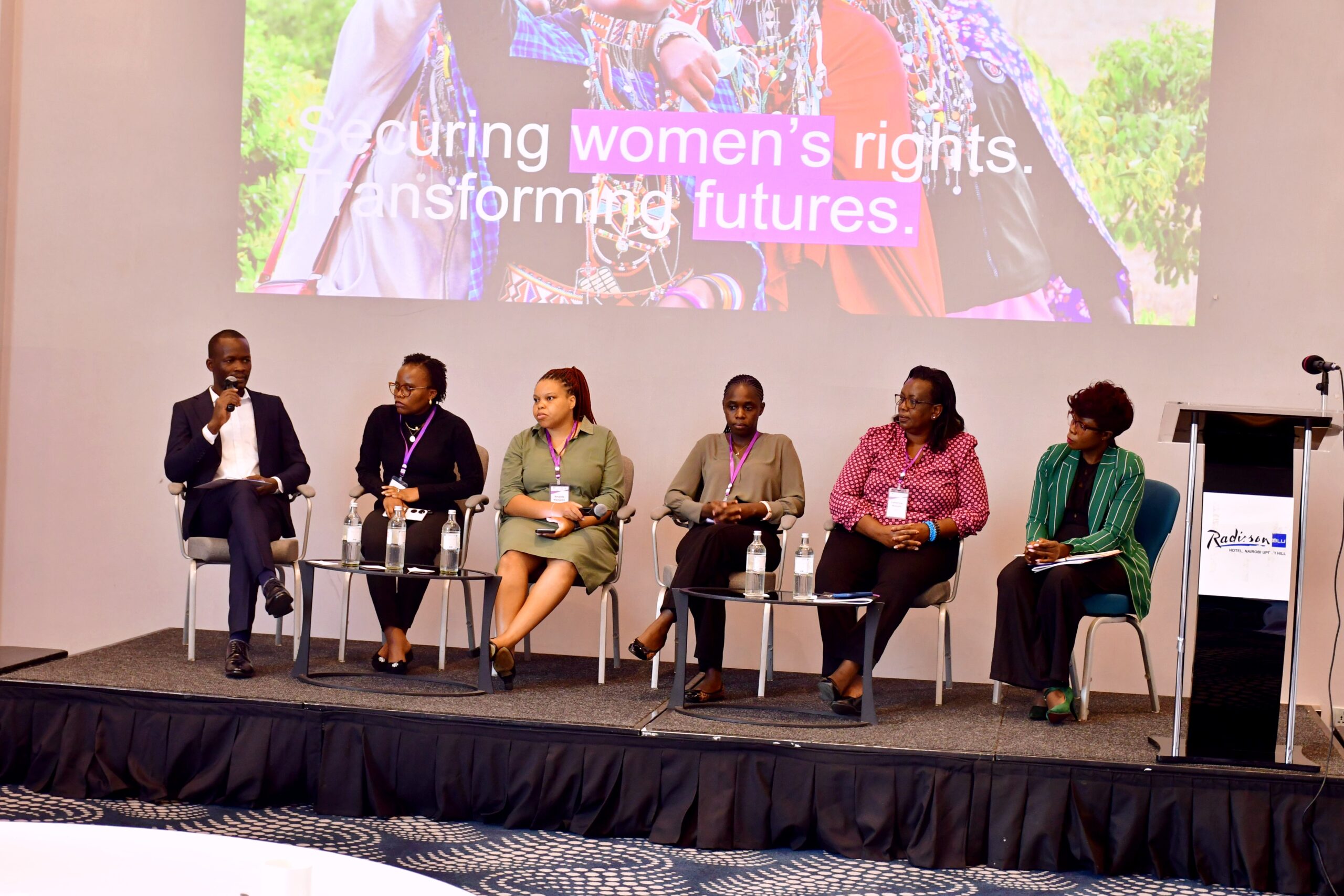
“When you look at the Computer Misuse and Cybercrimes Act, most of the sections are cybersecurity-leaning and not human rights-leaning. Because of the fragmentation of laws, victims don’t know which law to report under. Our legal system still lacks knowledge on issues of TFGBV. We urgently need to harmonize laws. ” she noted.
Oyier pointed to the European Union’s Digital Services Act as a strong model that Kenya should adopt. “The EU Digital Services Act is under one roof and holds social media platforms accountable for transparency and algorithms. We do not see any of this in Kenyan laws, ” she reiterated.
To address these challenges, the report recommends bold, survivor-centred reforms, stronger coordination across justice, health, and psychosocial services, increased public education to reduce stigma, and enhanced digital literacy and protection tools for women and girls.
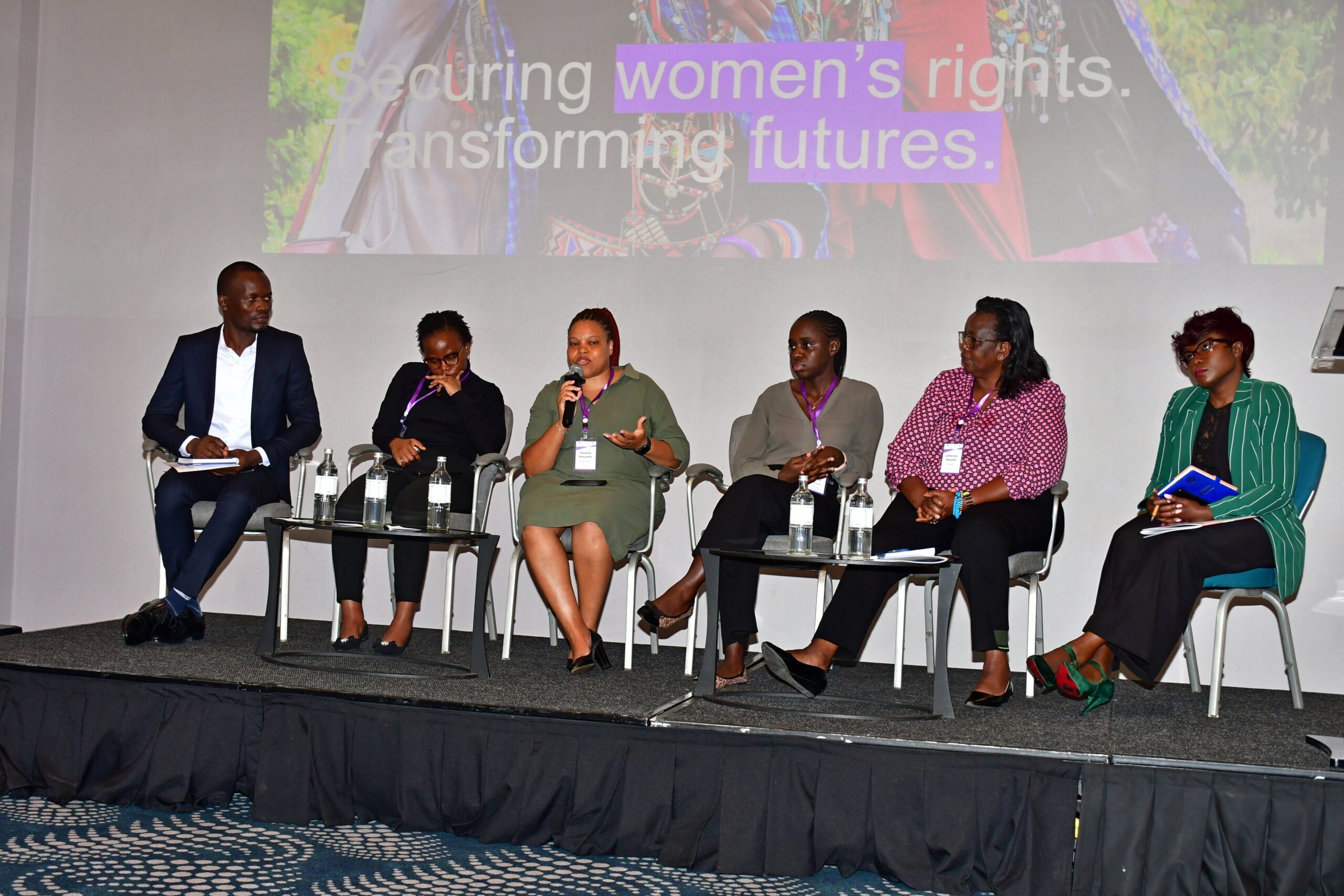
Amanda Manyame, Digital Rights and Law Expert, at Equality Now highlighted the critical need for coordinated efforts among various institutions within Kenya’s justice system. “The key recommendation is around the coordination of the different institutions that we have within the Kenyan justice system. The different stakeholders and institutions need to work together, ” she stated.
Additionally, Manyame emphasized the importance of community awareness programs aimed at eliminating victim-blaming and stigmatization related to online sexual exploitation. She noted that raising awareness is key to encouraging more women and girls to report abuse, which in turn enables the collection of reliable data and improves the effectiveness of interventions.
Manyame also pointed out the urgent need for regional and international cooperation to effectively address online sexual exploitation. “This issue presents mounting jurisdictional challenges that Kenya cannot tackle alone. Women and girls are trafficked to countries like Dubai and Thailand, so Kenya must collaborate closely with these countries to protect its citizens, ” she said.
Furthermore, she called for accountability from digital platforms, stating, “We must ensure platforms are safe first and foremost, and when they identify harm occurring on their services, they must report it to law enforcement. It is crucial that platforms work alongside authorities to combat perpetrators and support victims.”
This report launch comes at a critical time to ignite conversations, influence media coverage and drive decision makers to pursue coordinated policy, legal and institutional reforms.