|
Getting your Trinity Audio player ready...
|
By Winnie Kamau
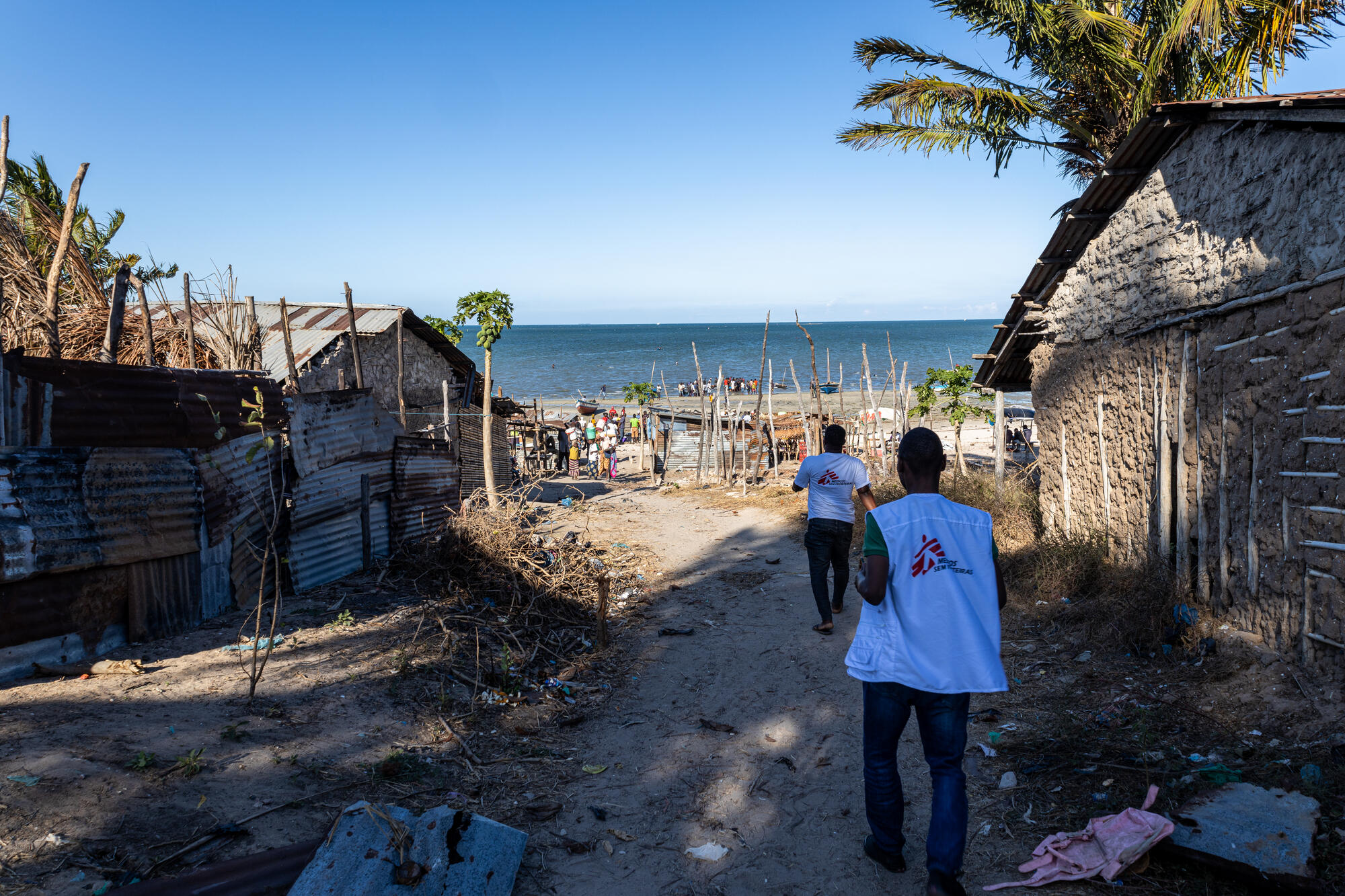
Pemba, Mozambique: Due to a recent upsurge of violence in northern Mozambique, Médecins Sans Frontières (MSF) has temporarily suspended its activities in the Mocímboa da Praia town and district of Cabo Delgado province. The humanitarian organization said the escalating conflict has made it extremely difficult to safely deliver medical aid in multiple areas of the province.
In a press release issued to our newsroom, MSF announced its difficult decision to suspend operations following attacks in September. The organization has urged all armed groups to actively ensure the protection of civilians, humanitarian workers, and medical facilities amidst the ongoing violence.
“We are deeply concerned about the escalating violence and its direct impact on every aspect of people’s lives, including access to healthcare,” says Víctor García Leonor, MSF head of operations for Mozambique.
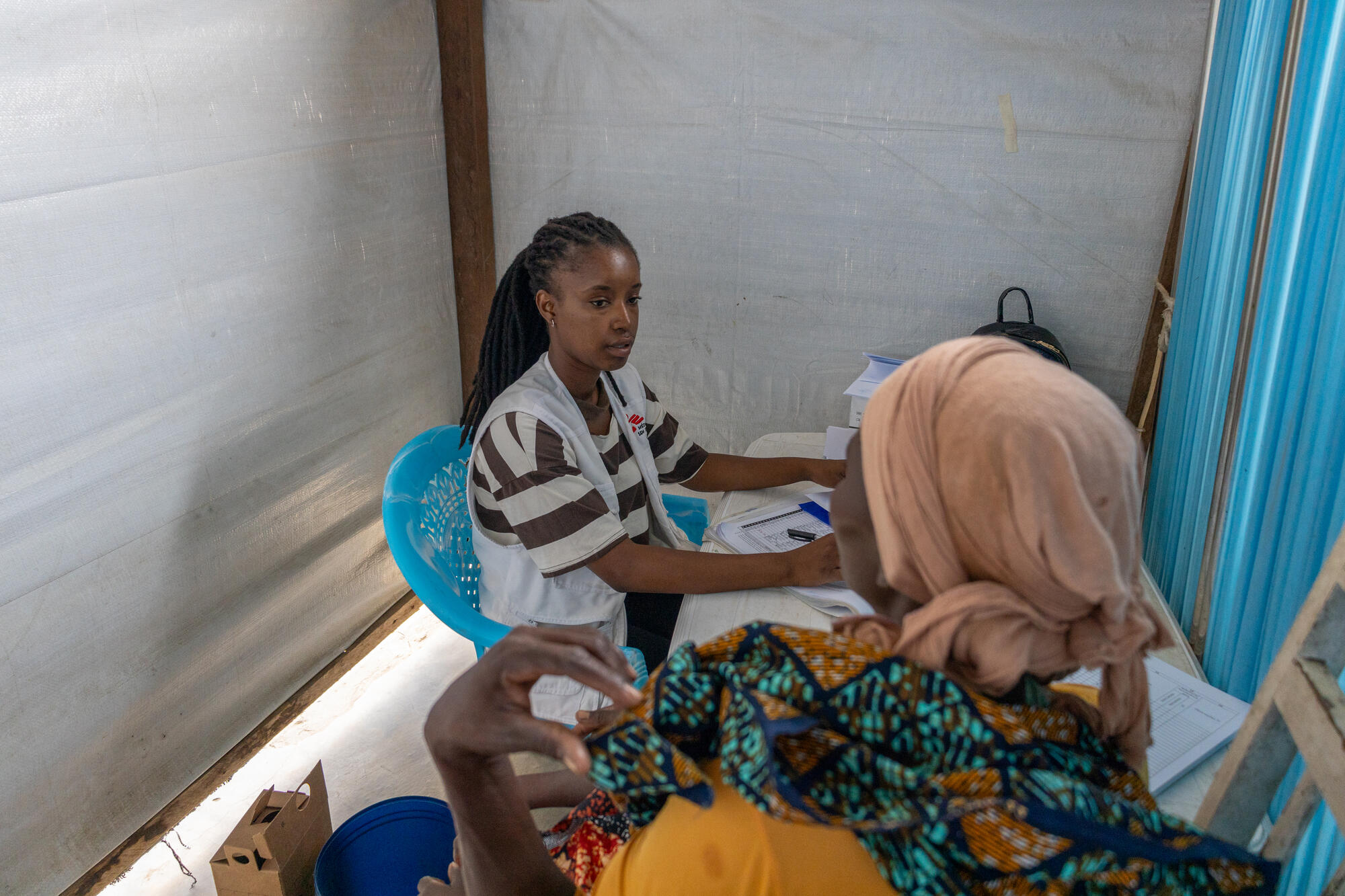
“Hundreds of thousands of people are in dire need of medical and humanitarian assistance in Cabo Delgado. But insecurity is continuously cutting them off from reaching it. This results in preventable deaths and suffering.”
Since early September, Mocímboa da Praia has experienced armed incursions. Armed men have brutally killed and injured civilians, have reportedly threatened the communities and looted goods. These attacks reached neighbourhoods located just a few kilometres from the town centre and have led several thousands of people to flee the town. In recent months, violence has also intensified in other districts of Cabo Delgado, spilling over into neighbouring provinces.
As of 26 September, MSF has suspended all medical activities in Mocímboa da Praia. Services were being carried out in collaboration with the Ministry of Health. They included work at the emergency room and maternity ward at the District Rural hospital of Mocímboa da Praia, other lifesaving care at the facility and the referral system that enables patients with severe conditions to be transferred to other facilities.
Mental health and psychosocial support, as well as outreach activities run by community health workers in remote areas, are also suspended. Some patients requiring specialised care have been referred to health facilities in Pemba and Mueda.
“Time and again we call on all armed groups and stakeholders to protect civilians, medical facilities and humanitarian workers from violence” Víctor García Leonor, MSF head of operations for Mozambique
Throughout 2025, due to insecurity, MSF has been forced to temporarily suspend some medical activities across locations in Cabo Delgado on several occasions, from days to weeks at a time.
“MSF remains committed to standing by the people of Cabo Delgado and to resume activities in Mocímboa da Praia as soon as we obtain guarantees that our staff will be able to work in a safe manner,” says García Leonor.
The district of Mocímboa da Praia has an estimated population of about 150,000 to 200,000 people. The town was first attacked in October 2017, at the onset of the conflict, and in the years that followed it saw waves of violence and large-scale displacement before families gradually began to return. The attacks in September have been the most violent incidents in years.
Amid widening humanitarian funding cuts and an extremely volatile situation, communities in Cabo Delgado are increasingly neglected and have fewer options to access basic services after nearly eight years of conflict. Around 430,000 people are still internally displaced.
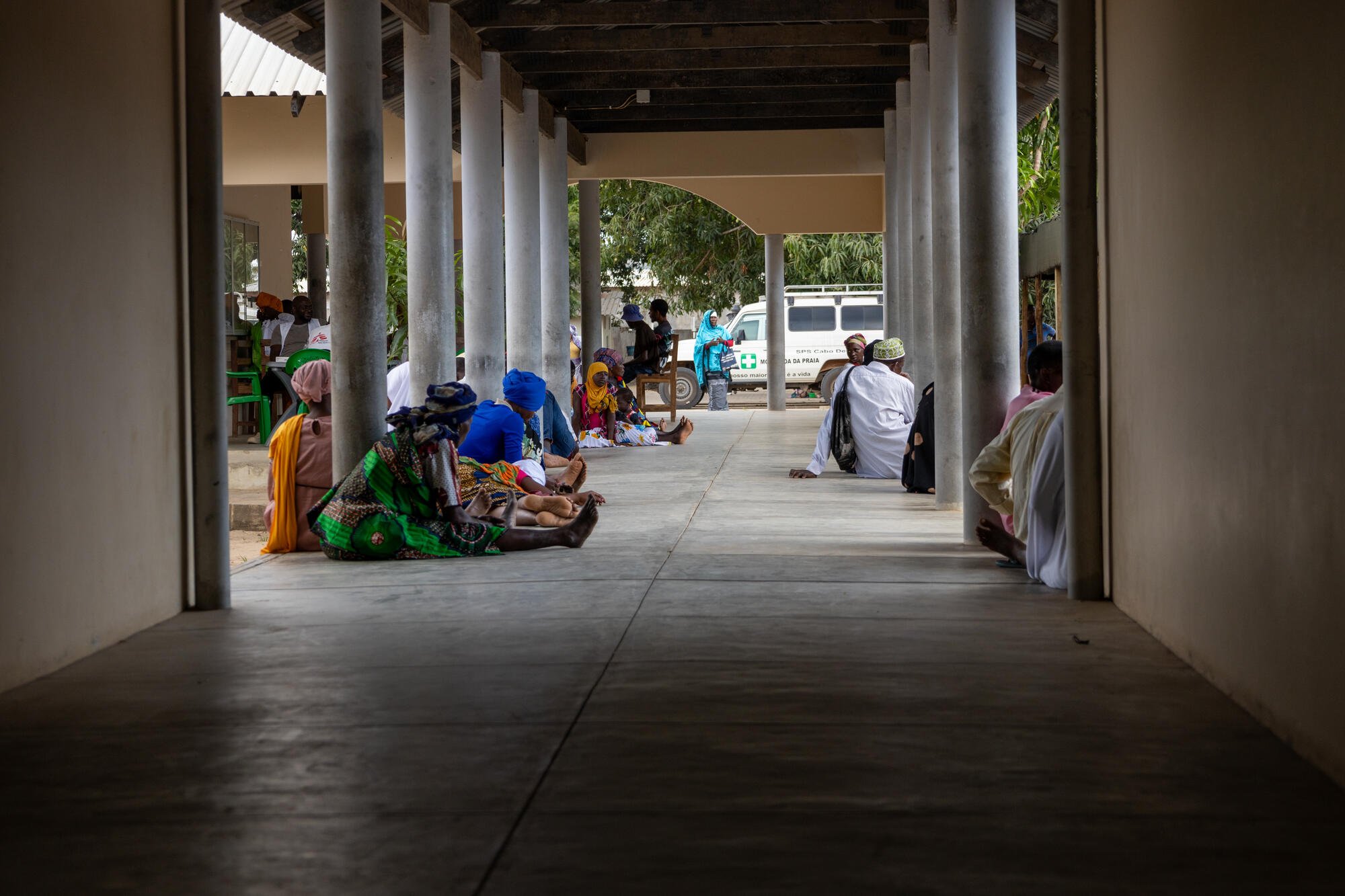
Many have repeatedly fled and live in fear and uncertainty. Moreover, the health system, maimed by conflict and natural disasters, is under enormous strain and becomes overwhelmed with new emergencies such as sudden outbursts of displacement.
“Time and again we call on all armed groups and stakeholders to protect civilians, medical facilities and humanitarian workers from violence,” says García Leonor. “Safe and unhindered access to healthcare is vital for communities caught in conflict and their freedom of movement should be guaranteed when they are seeking protection.”
As of September 23, 2025, 4,757 individuals have been displaced from Mocímboa da Praia, according to the International Organization for Migration (IOM). In Cabo Delgado, MSF said they provide a range of medical services, including general outpatient consultations, emergency care, maternity and pediatric services, and treatment for HIV and tuberculosis. They also offer mental health and psychosocial support in Mueda, Macomia, and Palma.
The impending rainy season exacerbates the urgency of these issues, increasing the risk of waterborne diseases. Consequently, MSF has scaled up its operations in Mueda town and district to address the escalating humanitarian needs, following recent displacements from Mocímboa da Praia, and continues to provide support to both displaced and host communities.
Between 3rd and 15th October, MSF teams said they reached 970 families across three camps in Mueda, referring 315 people for urgent medical care and conducting over 400 health awareness sessions that reached more than 4,500 people.
During the first half of 2025, MSF says they conducted nearly 100,000 outpatient consultations and facilitated mental health group activities for over 35,000 people. Their work includes operating mobile clinics and outreach activities, referring patients to health centers, and supporting medical facilities and hospitals in collaboration with the Ministry of Health.