|
Getting your Trinity Audio player ready...
|
By Mercy Kachenge
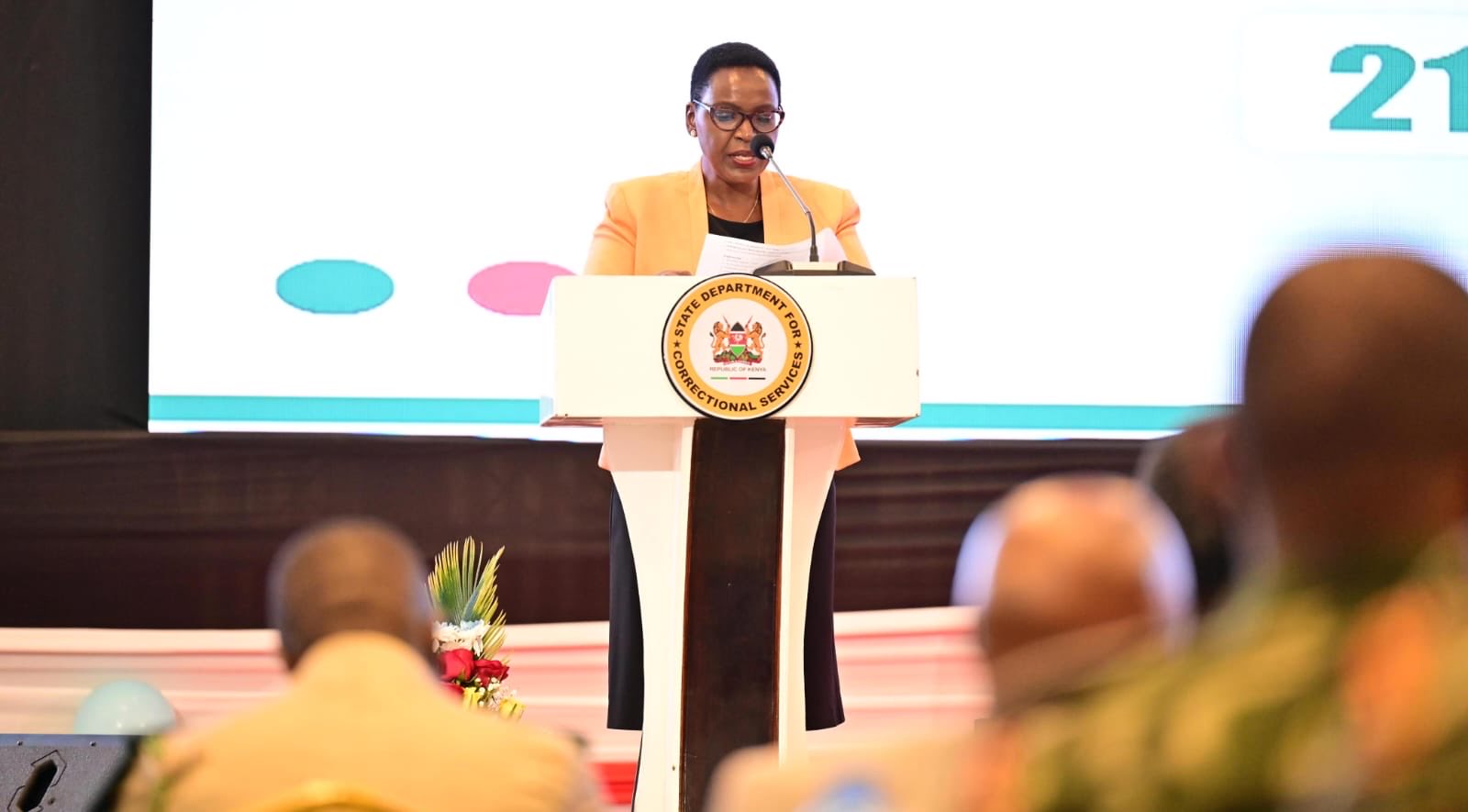
Nairobi, Kenya: The Principal Secretary for Correctional Services Salome Beacco has called for a renewed commitment to efficiency, inclusivity, and modernization in Kenya’s correctional system.
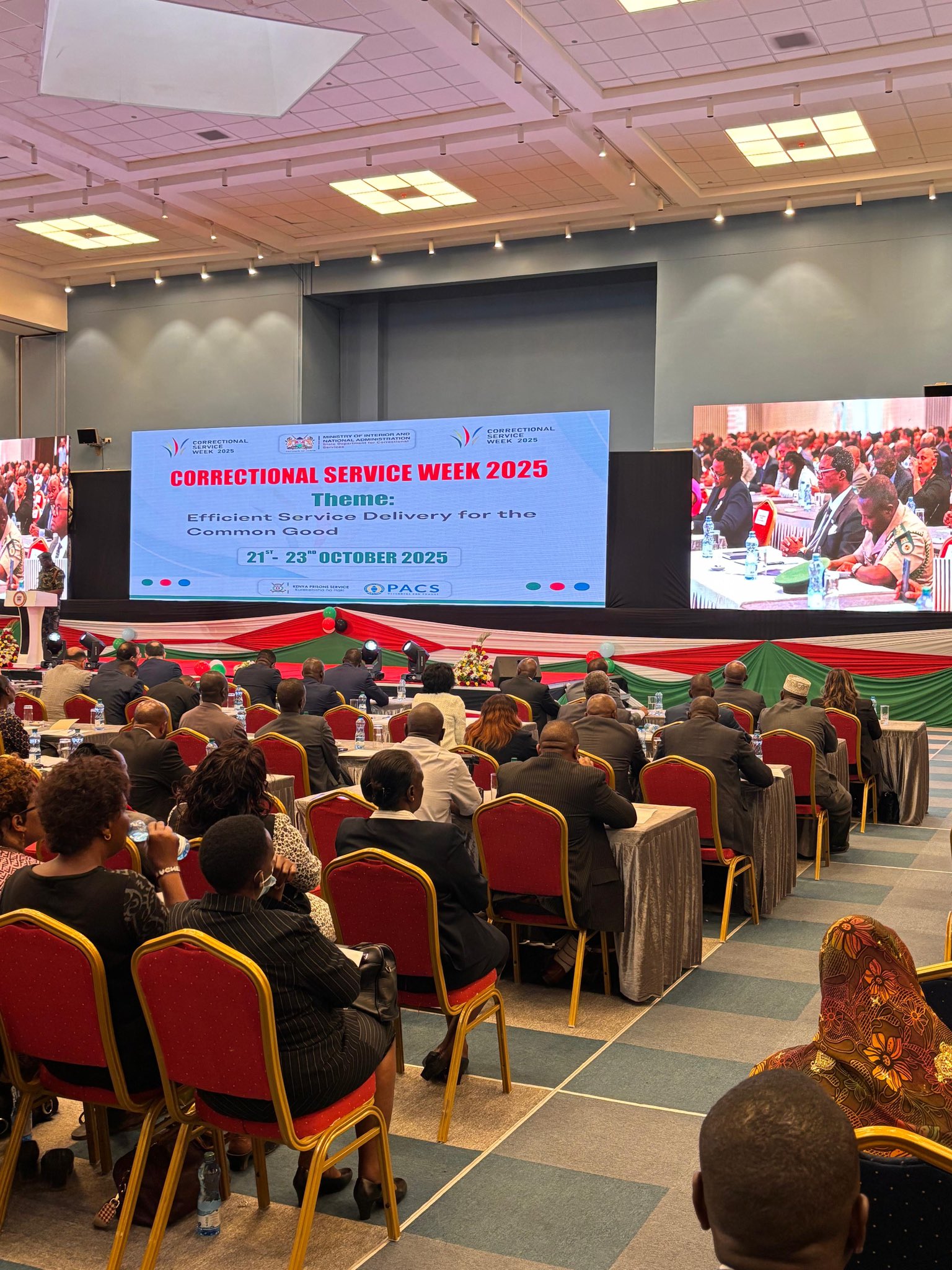
Speaking during the official opening of Correctional Service Week 2025, she emphasized that humane justice must remain at the heart of ongoing reforms.
Beacco acknowledged the officers of the Kenya Prisons Service and the Probation and Aftercare Service (PACS), as well as visiting heads of corrections from Azerbaijan, Eswatini, and Sierra Leone, saying their presence underscored the importance of global collaboration.
She noted that Kenya’s correctional services have evolved significantly over the years, shifting from punitive incarceration to restorative justice practices that emphasize rehabilitation, reintegration, and community rebuilding.
“We have redefined our mandate from mere custody and supervision to rehabilitation and reintegration,” she said, adding that the goal is to give offenders renewed purpose, not stigma, and skills, not despair.
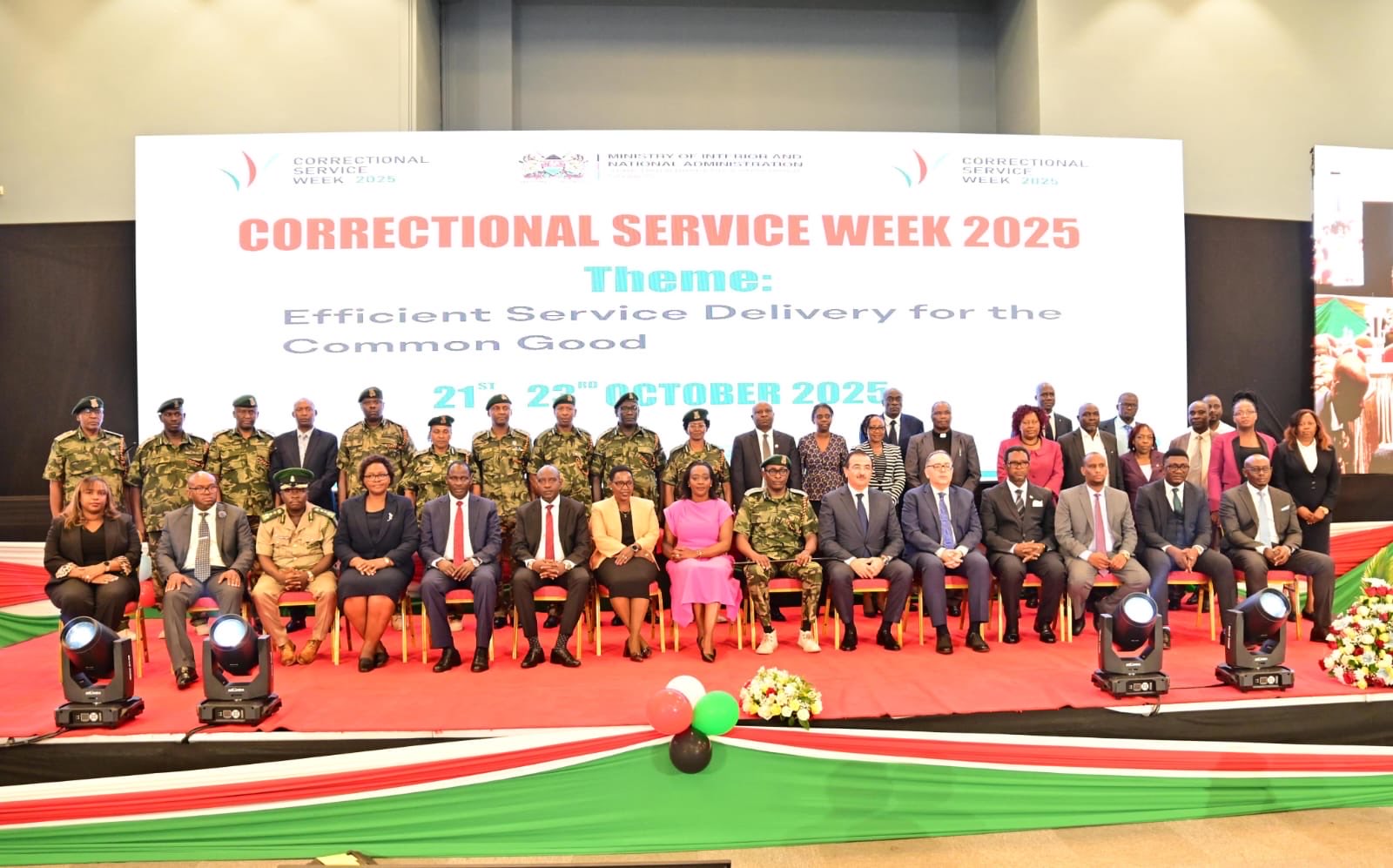
The PS lauded correctional officers across the country for their dedication and service, describing them as the backbone of the department’s transformation. She praised their resilience and commitment to duty in all corners of the country, from Lodwar to Busia and Loitokotok.
This year’s Correctional Service Week theme, Efficient Service Delivery for the Common Good,” she said, serves as a reminder that efficiency in correctional service must go beyond administrative performance to include compassion, innovation, and accountability.
“Efficiency in correctional service demands that every decision made and every resource deployed restores human dignity and safeguards society,” she remarked, quoting restorative justice scholar Howard Zehr, who viewed crime as a wound to people and relationships.
Beacco outlined several reforms being implemented by the State Department to promote modernization and improve outcomes within correctional facilities. These include digital transformation to enhance transparency and data-driven decision-making, expansion of vocational and technical training programs to equip inmates with employable skills, and strengthened recruitment and performance systems in collaboration with the Public Service Commission.
She revealed that the government is also exploring the introduction of Nil-Certificates for rehabilitated and discharged offenders to support their reintegration into society.
 The PS emphasized that efficiency thrives in collaboration, noting that no single institution can achieve transformative correctional outcomes alone. She celebrated partnerships with local governments, the judiciary, civil society, the private sector, and international organizations, which have helped establish model rehabilitation programs and progressive correctional models.
She further urged the adoption of renewable energy, green farming, and digitized offender records to make correctional services more sustainable and responsive to modern challenges.
“Inclusion ensures that no one is left behind, not the officer in Turkana, the woman in Marsabit, nor the family seeking reintegration support in Wajir,” she added.
Beacco reaffirmed that the government’s vision is to build a correctional system that contributes directly to Kenya’s national development, peace, and social cohesion. The goal is to create institutions that rehabilitate and reintegrate offenders rather than reject them, paraphrasing Nelson Mandela’s words that there can be no keener revelation of a society’s soul than the way it treats its inmates.
Beacco urged officers and partners to embrace continuous learning and improvement, describing efficiency as not the absence of mistakes but the commitment to constant progress.
“Let this week remind us that service is not an end in itself but a means to advance the common good,” she said.