By Mercy Kachenge
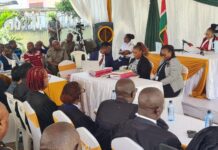
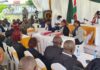
Nairobi, Kenya: At the heart of Nairobi’s, a powerful dialogue unfolded during the Wakati Wetu Festival, a groundbreaking gathering that sought to reimagine Africa’s place in the global reparations’ conversation.
Unlike previous discussions that hinged on Western acknowledgment and apology, this festival was an unapologetic reclamation of African agency, memory, and sovereignty.
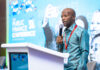
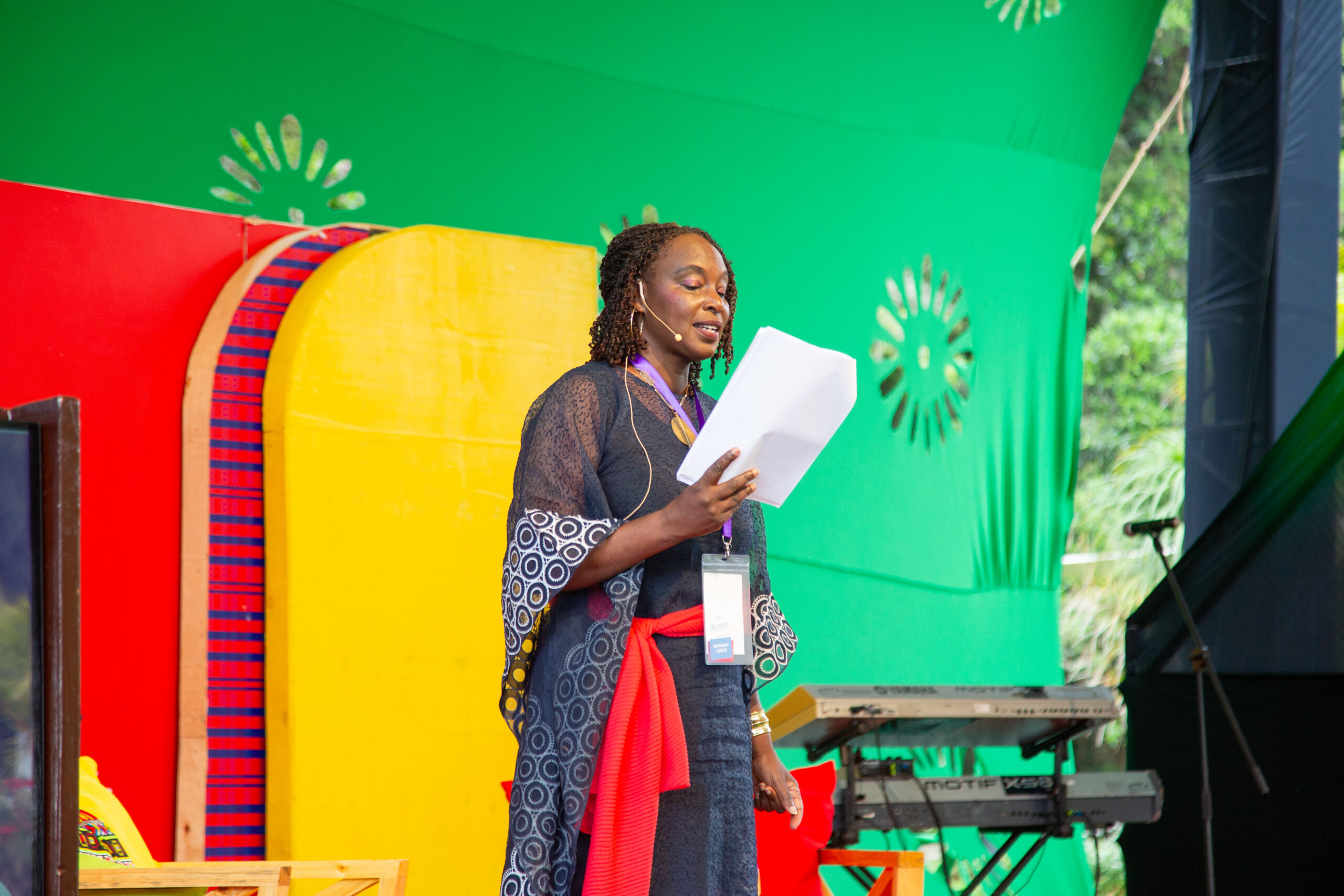
For author and creative industry practitioner Yvonne Adhiambo, this festival was unlike any other. “The event brings the conversation around global reparation and restitution to Nairobi,” she said, her tone both reflective and assertive.
“But what I realize they’re doing is something a little different inviting people of African descent and Africans to start thinking about what it meant to lose their worlds, to lose their goods, to lose everything they ever imagined the world to be, and to make sense of what the future means.”
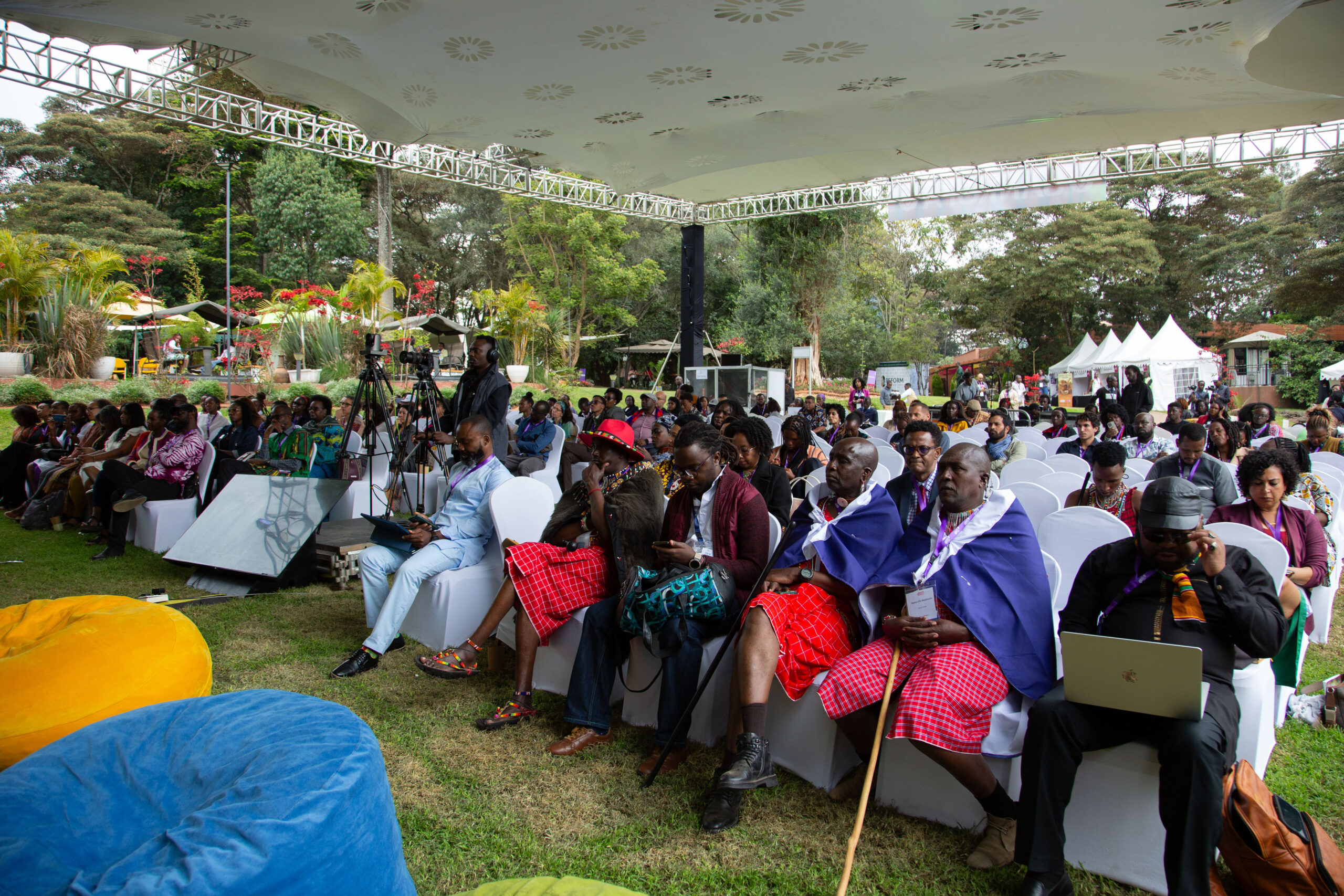
The Wakati Wetu Festival, also referred to as Africa’s First Major People’s Justice Gathering, served as a bridge between the continent and its diaspora, two worlds long divided by history, geography, and colonial interruption.
It was, in the words of Nyanchama Okemwa a 60-year-old anthropologist-turned-philosopher, “the first time the diaspora and the continent are in one space to talk about their experiences, to reflect on how they would like to see reparation.”
 Nyanchama, a human rights defender who has dedicated her academic journey to exposing epistemic injustices, the systematic silencing of women’s knowledge and ways of knowing. “The world has clustered us into different corners,” she explained.
“The diaspora is having these conversations, and the continent is having these conversations, but we are not hearing one another. We cannot have perpetrators determining what they see as reparations.”
For Yvonne, the idea of reparations has too often been reduced to rhetoric. She believes the time for begging or demanding has passed, what remains is action. “I’m interested in repayment in a business sense from those who have benefited from African goods, services, lands, and peoples without paying the just profit. I call it African economic sovereignty, the collection of the debt that people owe us.”
Her view challenges the dependency mentality that has long shaped Africa’s interactions with the West. “It’s not about demanding,” she emphasized. “It’s about getting on with the job of implementing legal and accounting procedures to secure our money, resources, and cultural goods. It’s time to stop asking and start doing.”
Nyanchama echoes this critique that expands it into a broader philosophical challenge. “One of the biggest problems is that we anchor ourselves in colonial language,” she said. “It’s the most persistent colonial monument language itself. We are reiterating the very mentality we are trying to dismantle.”
For her, true reparative justice cannot be measured in money alone. “It was not finances that were taken from us,” she said with conviction.
“Our wisdoms were taken, our cultures, our life forces. Who will repair the languages we have lost, the knowledge systems that have died, the oral literature dismissed as invalid sources of knowledge?”
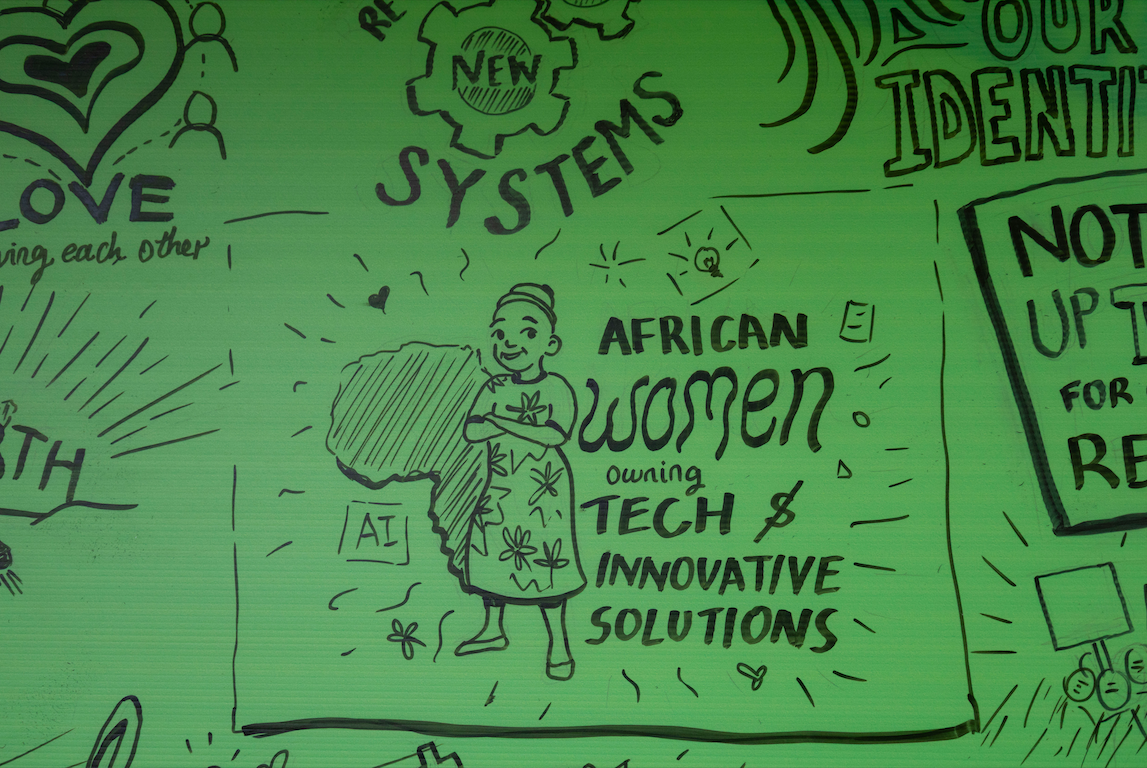 The festival’s blend of art, music, and storytelling became more than performance, it was therapy, remembrance, and rebellion. Nyanchama described it as a “diverse” mode of communication, one that recognizes Africa’s many voices.
“We do not just communicate with words,” she said. “We communicate with dance, artifacts, and culture. It allows those who lack the words to express themselves through movement, art, and song. We organically tap into knowledge that is inarticulable in Western forms.”
Wakati Wetu was not just a typical conference, it was a ritual of reclamation, where knowledge flowed not from podiums but from drums, songs, and ancestral memory.
Nyanchama, however, offered a deeper philosophical response, one that sees colonization as a universal affliction. “The mindset that set colonization in motion is more than 2,000 years old,” she explained.
“Its first victim was Mother Earth, then the Western woman, stripped of spirituality and autonomy. Colonization was first practiced in the West, the Spanish Inquisition, Ireland, the Caucasus. Africa is merely where the endgame played out.”
She believes that both Africans and Europeans are victims of the same system. “They should not stand with us as allies but as peers,” she urged. “Even their belief in superiority is a form of colonization. They too need healing.”
As the festival unfolded, one clear message emerged, reparations are not just about compensation but about decolonial learning. “When we say decolonization, we are saying learn, unlearn, and relearn,” Nyanchama explained.
“Learn which voices and histories have been excluded. Unlearn the falsehoods cemented into truths. Relearn a way that acknowledges the incontrovertible truth of what happened.”
She calls for coupling decolonial learning with intersectionality to dismantle structural and institutional exclusions. “We are only as strong as our weakest link,” she said. “Reparation demands systemic solutions in law, in education, in spirituality, in finance.”
The Wakati Wetu Festival was not merely a cultural event; it was a declaration of presence. A reminder that Africa’s history, pain, and resilience are not distant memories but living forces shaping the future.