
|
Getting your Trinity Audio player ready...
|
By OMBOKI MONAYO
Naivasha, Kenya: For Joseph Kariuki, a peer educator from Naivasha, January 21, 2025 is etched in memory as the day hope dimmed. That morning, US President Donald Trump issued a stop-work order for the United States Agency for International Development (USAID), abruptly halting funding for hundreds of HIV programs across Kenya and Africa. The ripple effects were immediate—and devastating.
“I used to wake up, hop on a motorbike, and head to the clinic where I’d teach PLHIVs in attendance about adherence, nutrition, and lifestyle choices that can improve their quality of life,” Joseph recalls.
“Then I’d visit homes to check on those too sick or too scared to come in. I have clients living as far away as Nairobi, Narok, Suswa and Nakuru. Now I can only visit the ones that live near the facility,” he says.
The peer educator would spend up to Kes10,000 a month on transport costs, bringing hope, encouragement and lifesaving health information to 789 clients. The fare would be provided as part of his operations kit courtesy of the USAID funding for the facility’s HIV management program.
Talk Africa Magazine exclusively interviewed him during the demonstration organized by PLHIVs to protest the exclusion of comprehensive HIV care from the Social Health Authority’s benefit package and the state’s failure to fund the shuttered facilities that were previously funded by the United States International Development Agency (USAID).
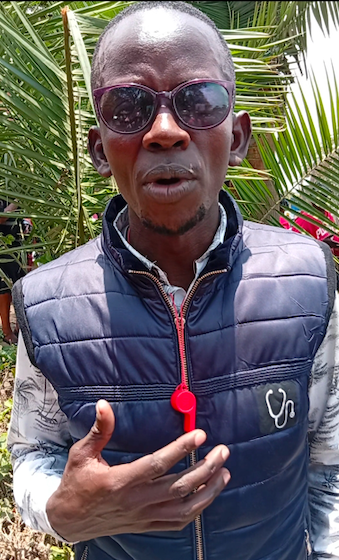
Joseph says that his target of ensuring a 95% rate of retention, ARV adherence and facility appointment compliance level by PLHIVs has now been adversely affected.
“Before the funding cuts, I used to work very hard to ensure that my peers were collectively at a 95 percent adherence rate, with a corresponding facility appointment compliance level, and a similar retention rate,” he says.
He is now looking at reduced numbers, especially among the clients who live far from the facility, even as he grapples with economic challenges caused by the loss of employment.
“Just like other currently jobless peer educators, I can no longer afford to pay my rent and meet other financial obligations. I don’t know what tomorrow holds,” he tells Talk Africa.
Joseph’s story is echoed across the country. More than 35,000 health workers—including peer educators, mentor mothers, adherence counselors, and community health promoters—were left jobless almost overnight. The shutdown of 150 clinics meant that thousands of people living with HIV (PLHIVs) lost access to antiretroviral therapy (ART), psychosocial support, and community outreach services that had been their lifeline.
In Joseph’s county facility alone, the number of clients he had reached dropped from 789 to just 600, leaving dozens of PLHIVs without support due to transport and staffing gaps.
The consequences have been dire. Across counties like Kisumu, Turkana, and Nairobi, hospitals are reporting a surge in cases of Advanced HIV Disease (AHD), a condition that arises when treatment is interrupted and the immune system deteriorates.
Without peer educators to guide and encourage adherence, many PLHIVs are missing doses, defaulting on treatment, or avoiding clinics altogether due to fear of stigma.
The abrupt integration of HIV services into general health systems has further complicated matters. Many PLHIVs report unintended disclosure of their status in overcrowded waiting rooms, and some have stopped seeking care entirely.
Stock-outs of essential commodities—such as Nevirapine, HIV test kits, and Early Infant Diagnosis (EID) tools—have become increasingly common, while TB sample transport and youth-friendly outreach programs have ground to a halt.
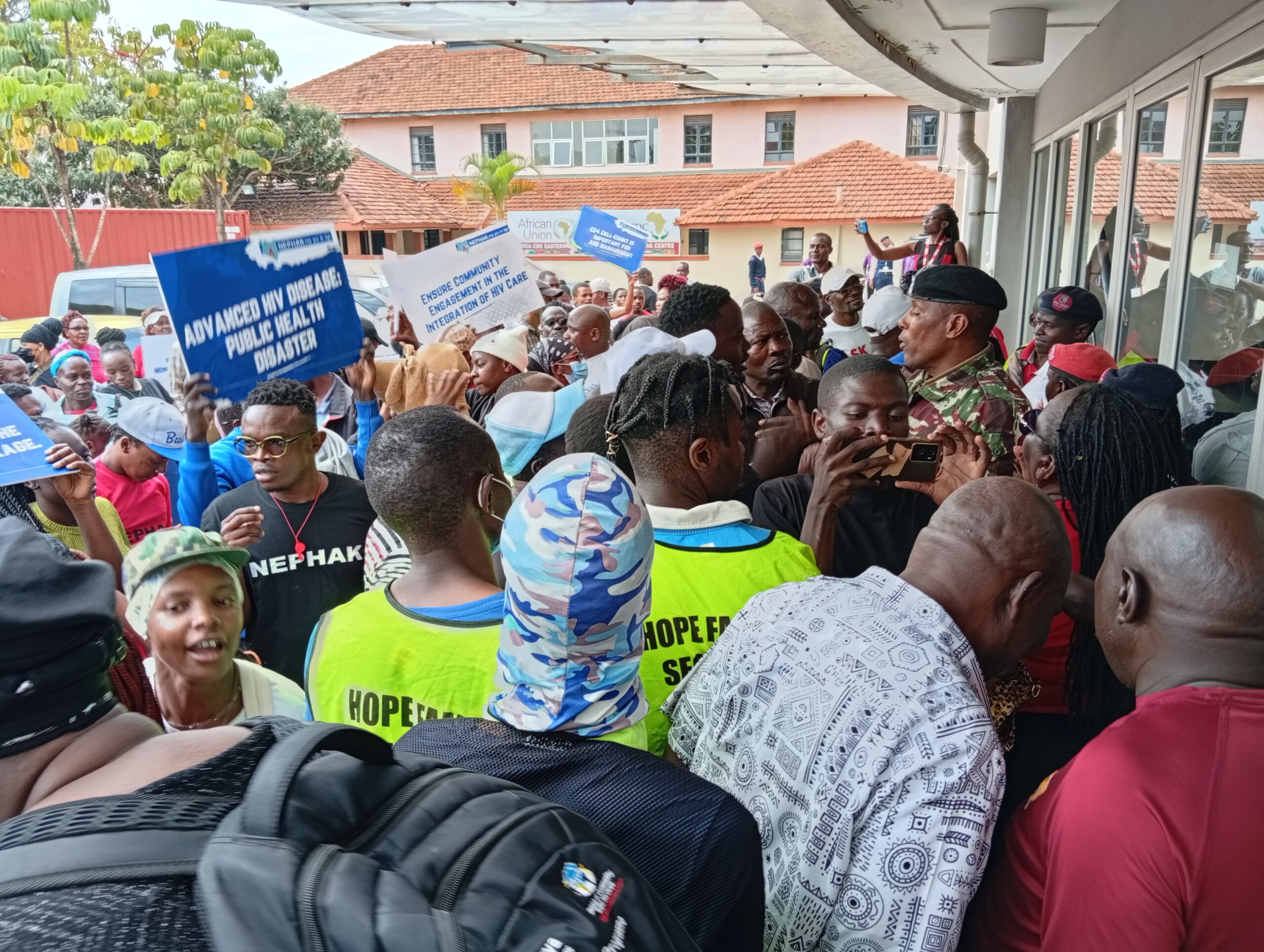 Franklin Wanyama, founder of Hope Family and a national PLHIV advocate, says the collapse of community-led services has left a vacuum that no formal system can fill.
“Our support structure was built on trust and lived experience,” he explains. “Peer educators, mentor mothers, and counselors understood the unique challenges of PLHIVs. Without them, adherence is falling, stigma is rising, and psychosocial support has vanished.”
The economic toll is equally severe. Many community health promoters (CHPs) have gone unpaid for months. In Nairobi, some CHPs have not received their allowances for over three months, leaving them unable to support PLHIVs or themselves.
Franklin warns that the longer this funding gap persists, the more lives will be lost—not just to HIV, but to poverty and despair.
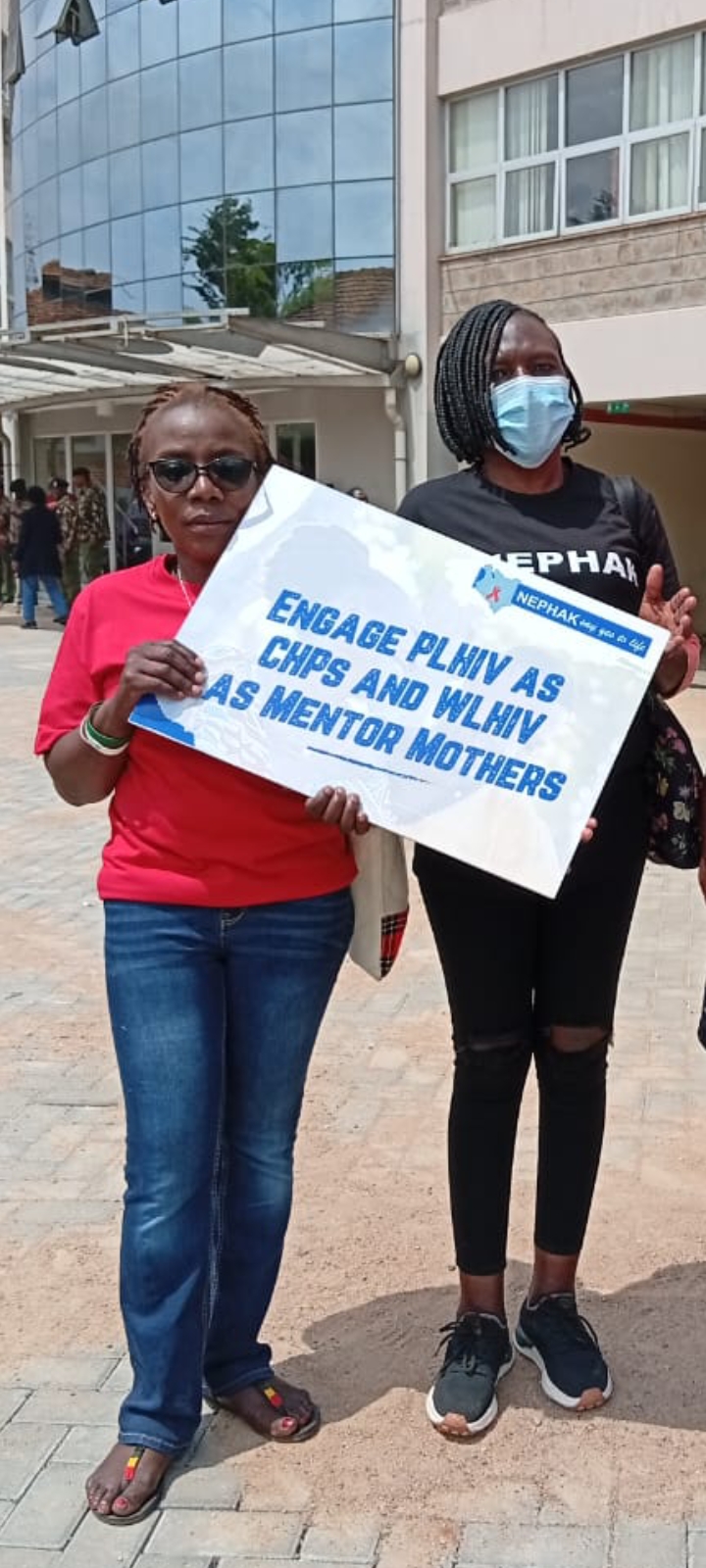
In response to the crisis, the National Empowerment Network of People Living with HIV/AIDS in Kenya (NEPHAK) has issued a call to action. Speaking on behalf of community-led networks, Ms. Wairimu urged the National Syndemic Disease Control Council (NSDCC) to convene a National PLHIV Leadership Summit to address HIV financing and community engagement.
She noted that the National AIDS and STI Control Programme (NASCOP) has begun informing PLHIVs about changes in service delivery through SHA benefit packages, but emphasized that more must be done to ensure transparency and inclusion.
“We call upon the Ministry of Health to strengthen coordination between its departments and PLHIV networks,” Ms. Wairimu said. “Implementation must be fair, structured, and accountable. Work with PLHIVs through their networks—not based on preference, but on meaningful engagement.”
Joseph is hoping for better times to come should the government decide to boost the peer educator program.
“We are vital partners with the government in the HIV management program. If the funds are made available, we can help prevent many PLHIVs from defaulting on treatment and making unwise lifestyle choices that will disrupt their efforts to reduce their viral load to undetectable levels,” he says.
Joseph’s wings may have been clipped for now, but his story—and those of thousands like him—must fuel a national reckoning. When peer educators are silenced, PLHIVs lose more than support. They lose lifelines.