|
Getting your Trinity Audio player ready...
|
By Gabs Mia
DRC: In a swift response to a new Ebola outbreak in the remote Kasaï region, health authorities in the Democratic Republic of Congo (DRC) have launched a critical vaccination drive, administering doses to more than 2,000 people. The World Health Organization (WHO) confirmed the campaign, which began on September 15th, is focused on the town of Bulape and the surrounding communities, where the virus has already reached 14 localities.
The situation is urgent. As of September 22nd, officials have recorded 48 confirmed cases and 27 deaths, with only three patients declared recovered so far. The outbreak is currently confined to the Kasaï province—a region located about 1,000 kilometres southeast of the capital, Kinshasa—with no cases yet reported in other parts of the vast country.
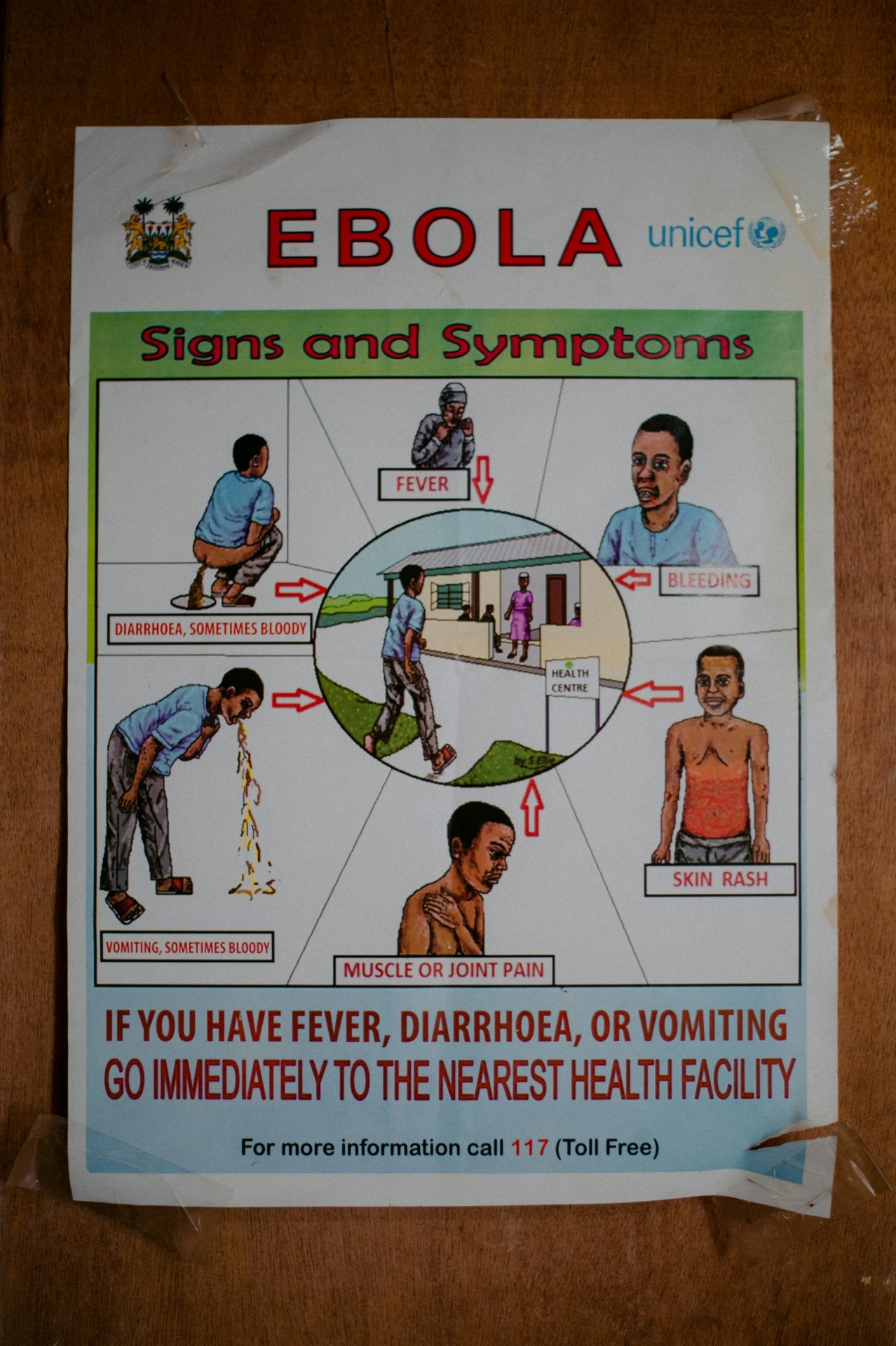 The international community is mobilizing. UNICEF announced that over 20,000 doses of the effective Ervebo vaccine have arrived in the region. Health teams are now in a race against the clock, prioritizing frontline workers and high-risk individuals. A major focus is on maintaining the sophisticated “cold-chain” transport to ensure the temperature-sensitive vaccines remain potent in the challenging terrain.
But the fight against Ebola extends far beyond vaccinations. A multi-pronged response is underway, with UNICEF supporting direct patient care, improving hygiene in schools and hospitals, and conducting community outreach to share life-saving information. Specialized teams are also on the ground, providing crucial psychosocial support and child protection services for those traumatized by the outbreak.
Vulnerability in the Crosshairs
The crisis hits a population already living on the edge. “The families of Kasaï are already extremely vulnerable, with poor access to healthcare, clean water, and medicines,” said John Agbor, UNICEF’s representative in the DRC. He emphasized the comprehensive nature of the needed aid, stating, “Every dose delivered is one step closer to safety. But children also need medical care if they fall sick, support to cope with trauma, safe places to learn and play, and guidance for families on how to stay safe.”
This outbreak marks the sixteenth time the DRC has confronted Ebola since the virus was first identified in 1976. While lessons from past battles, including a devastating 2014-2016 West Africa epidemic, have led to significant advances in treatment and containment, this episode serves as a stark reminder: the threat of zoonotic diseases remains, demanding constant global vigilance and sustained investment in resilient public health systems worldwide.