|
Getting your Trinity Audio player ready...
|
By Mary Mwendwa
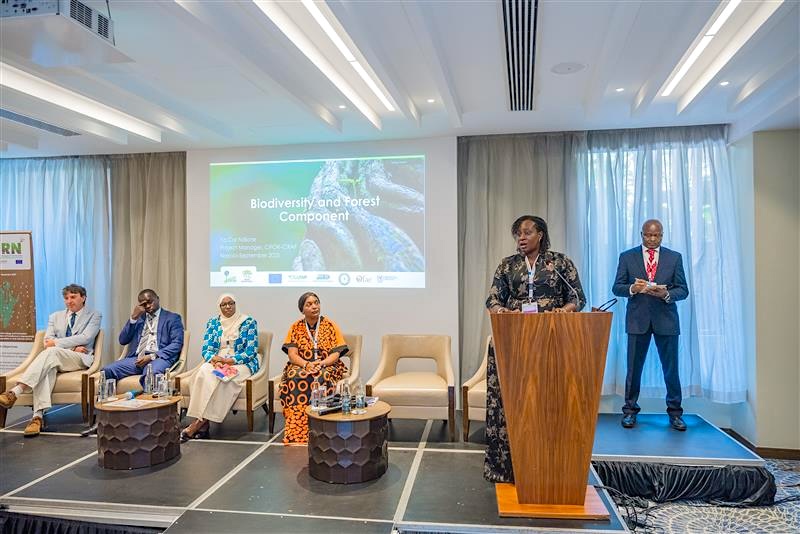
Nairobi, Kenya: Nairobi is buzzing this week as a powerful coalition of African and European policymakers, researchers, and business leaders converges for a critical mission: to forge a new path for Africa’s environmental future. The annual Africa Regional Centres of Excellence (ArcX) forum, fueled by the EU-Africa partnership, is igniting urgent conversations on how science, technology, and innovation are not just tools, but the very bedrock for the continent’s green transition and sustainable development.
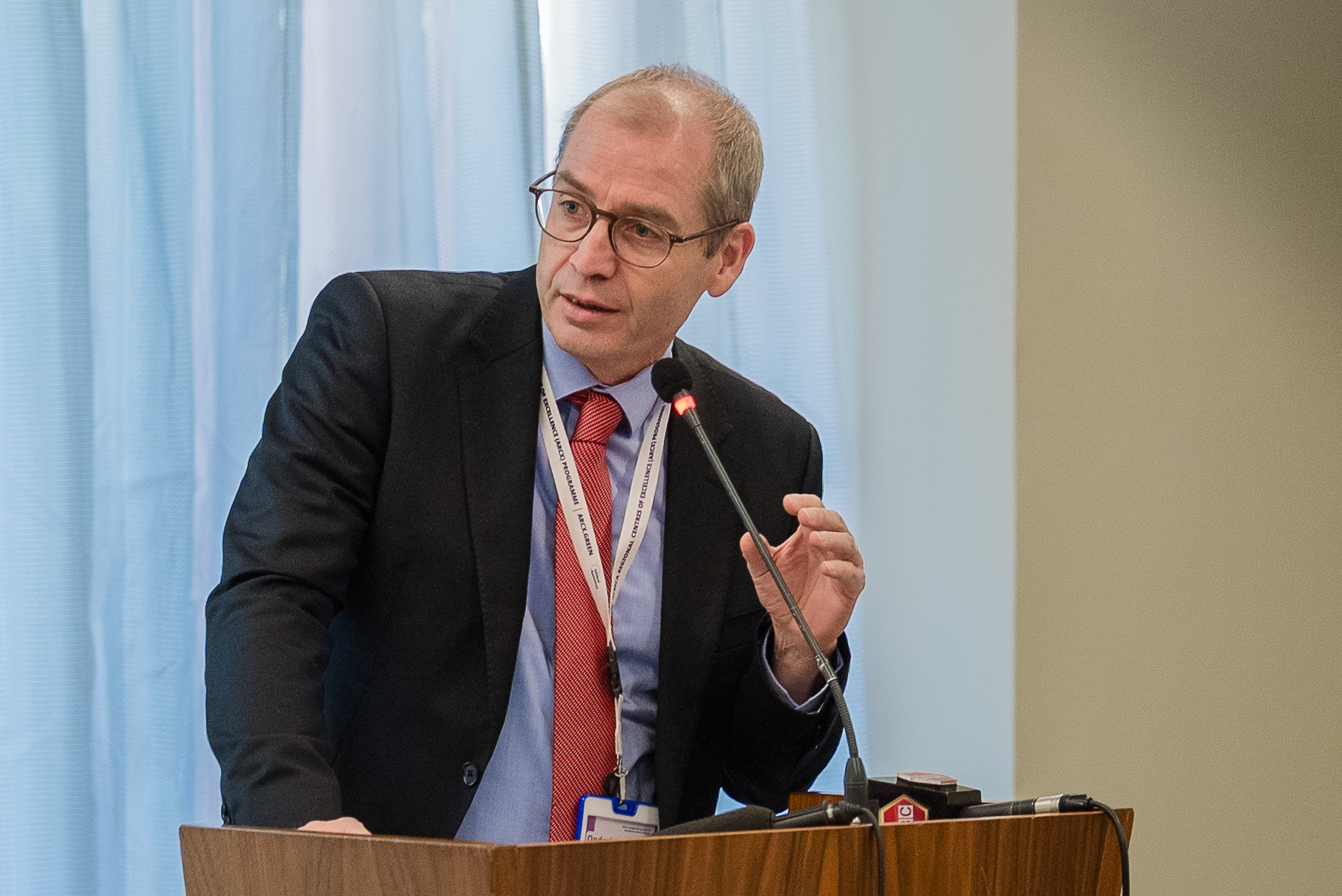
The message resonating through the conference halls is clear and unified: Africa’s breathtaking forests, vital water bodies, and rich biodiversity are under severe threat, and the time for isolated efforts is over. “We believe that through science, technology and innovation, we can address the most pressing challenges of our time,” said Mr. Ondrej Simek, the Deputy Head of the European Union Delegation in Kenya. “We can build stronger connections, foster deeper collaboration, and create lasting impact.”
The stakes could not be higher. Dr. Robert Nasi, Director of Science at CIFOR-ICRAF, laid out the harsh reality: “Africa is losing its forests at an alarming rate.” He detailed a domino effect of devastation—rising unemployment, relentless desertification, the silent disappearance of countless species, and a direct blow to the tourism economies that millions depend on. These natural resources are the continent’s lifeblood, providing food, clean water, energy, and a shield against climate change, yet they are buckling under the pressures of deforestation, pollution, and unsustainable expansion.
But within this crisis lies an immense opportunity. Dr. Mahaman Bachir Saley, Science & Technology Specialist at the African Union Commission, declared that Africa’s vast potential must now be activated. “Science and technology are no longer luxuries; they are essential,” he stated, pointing to the urgent need to tackle climate change, biodiversity loss, and food security.
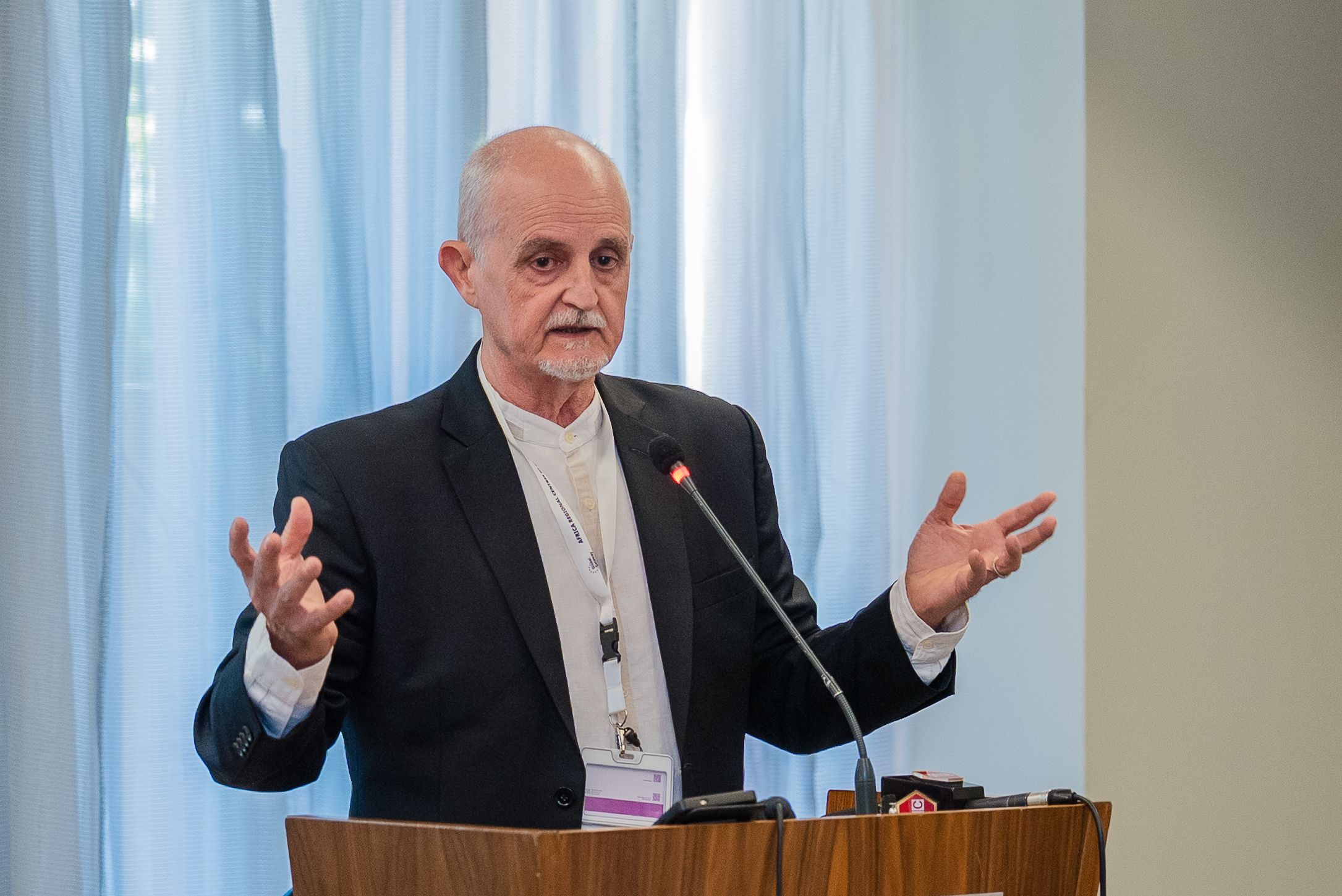
Experts illuminated the deep interconnections of Africa’s ecosystems, where forests govern water cycles, wildlife sustains agriculture, and the collapse of one thread risks unravelling the entire tapestry of life. “Our economies do not depend on a single resource—they rely on all of them working together,” warned Dr. Peter Minang, Africa Director for CIFOR-ICRAF. He connected the dots between vanishing forests and economic instability, citing the prolonged droughts and erratic rainfall that are already disrupting lives and livelihoods across the continent.
The forum championed a transformative solution already taking root: agroecology. This approach, which weaves agricultural practices into the fabric of nature, emerged as a critical pathway to restoring biodiversity, improving soil health, and building resilience against climate shocks. By embracing practices like intercropping and agroforestry, Africa’s farming—its dominant land use—can be transformed into a powerful engine for both ecosystem health and rural prosperity.
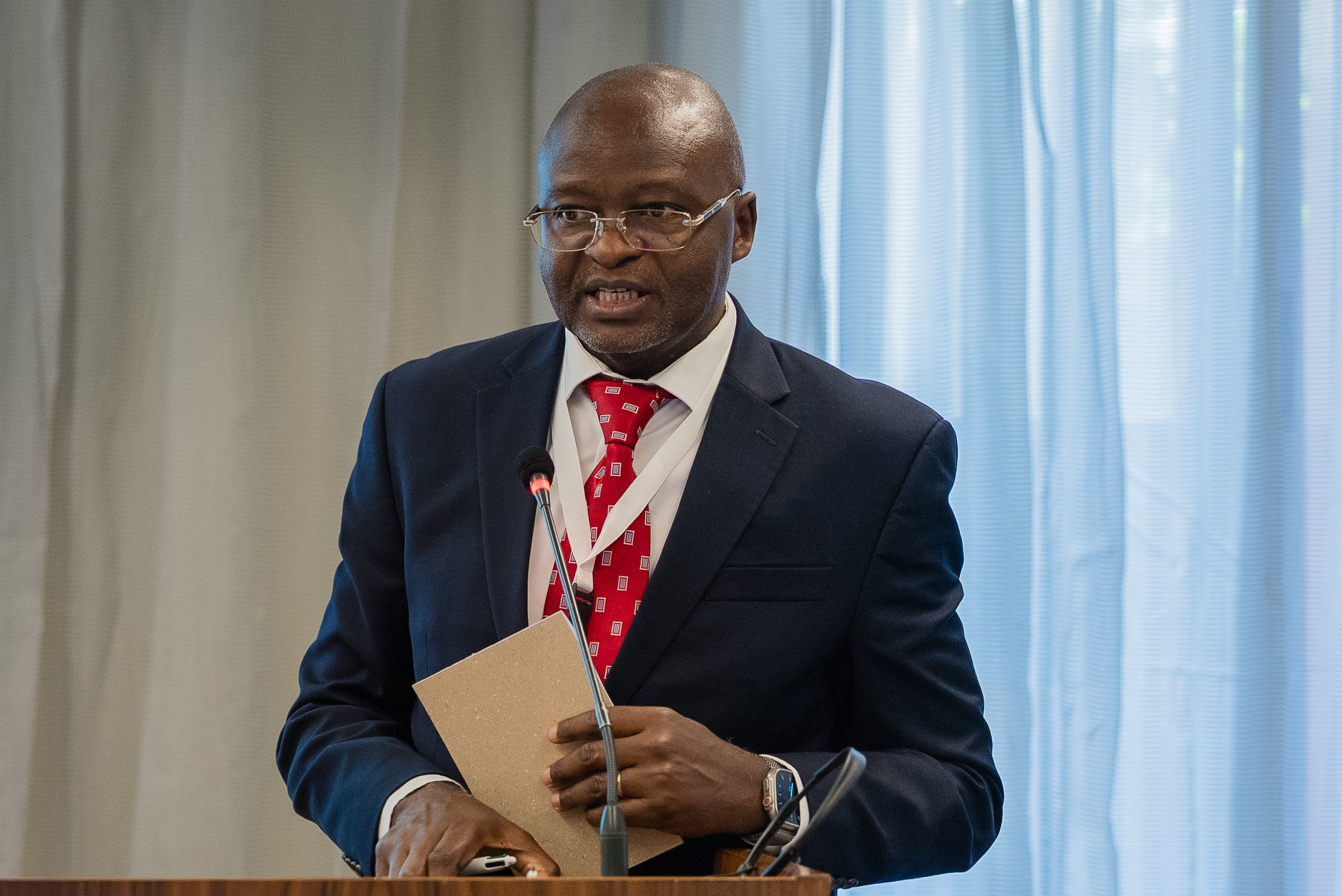
However, this transformation cannot happen in the dark. Delegates unanimously stressed that credible data and effective monitoring are the non-negotiable foundation for any successful policy. While satellites and advanced tools provide an ever-clearer picture of the crisis, Dr. Nasi highlighted a painful irony: “We are getting better and better at monitoring the crisis but remain terribly bad at fixing it.” The call to bridge the gap between knowledge and action was paramount. Dr. Saley insisted on “translating scientific research into political action,” ensuring that critical research reaches policymakers and fuels the decisions that will shape Africa’s future.
This unified call for a coordinated, data-driven, and nature-positive approach marks a pivotal moment. As Africa seeks to balance economic growth with environmental stewardship, the right policies and partnerships can unlock a future of green jobs, nature-based solutions, and sustainable practices that benefit both people and the planet. The gathering in Nairobi is more than a forum; it’s a rallying cry for a continent ready to harness its natural wealth through the power of shared knowledge and collective action.