|
Getting your Trinity Audio player ready...
|
By Timon Otieno
Nairobi, Kenya: Every day, at least four Kenyans take their own lives. Globally, more than 720,000 people die by suicide annually—a crisis that experts say is preventable if societies tackle stigma, mental illness, and access to lethal means.
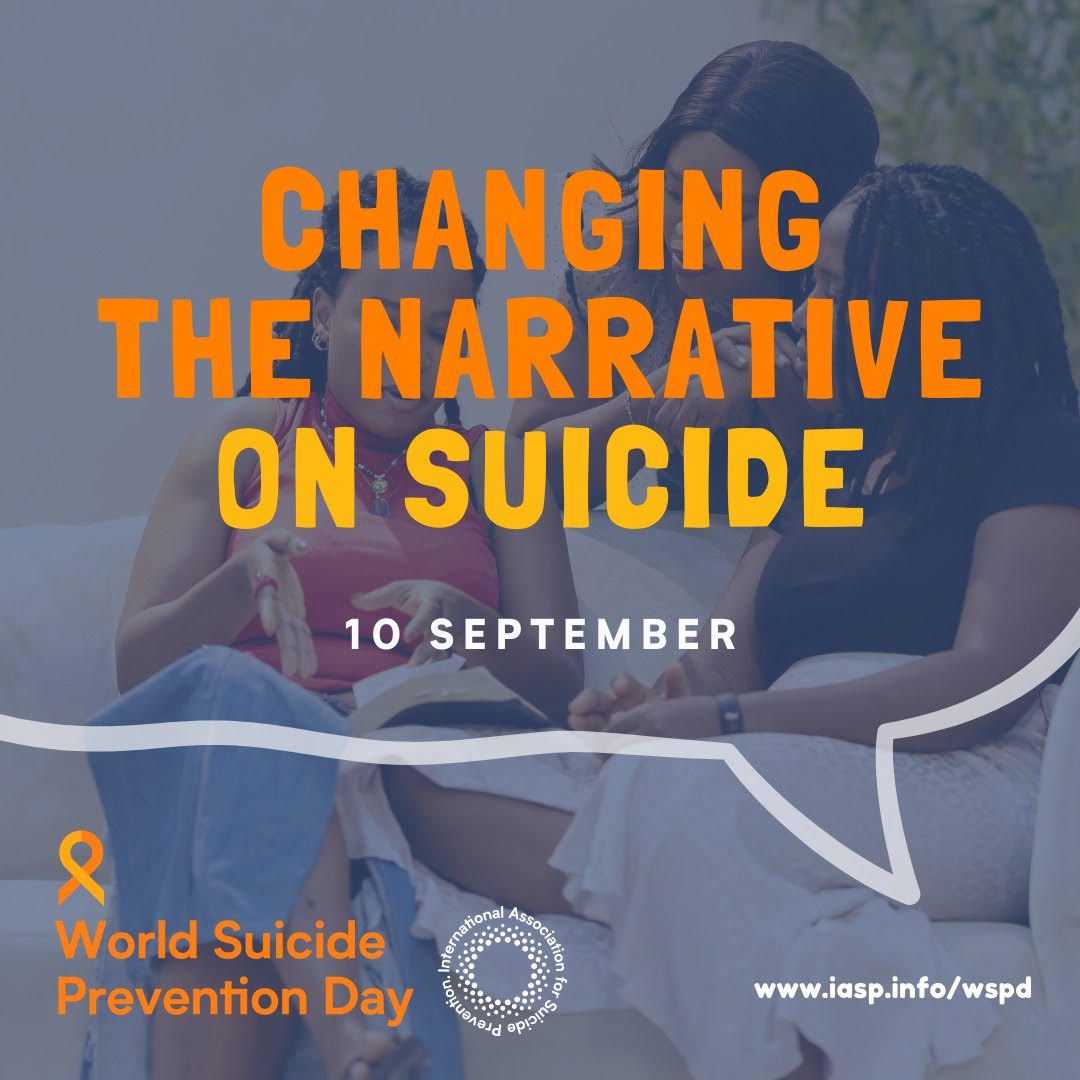
On September 10, 2025, the world marked World Suicide Prevention Day under the theme “Changing the Narrative on Suicide.” It is a day when communities, health workers, and organisations unite to raise awareness and push for solutions aimed at reducing these preventable deaths.
According to the World Health Organization (WHO), mental disorders—especially depressive disorders, bipolar disorder, and psychosis—remain significant risk factors for suicide worldwide. Yet the WHO stresses that suicide is multi-faceted, influenced not just by biology and psychology but also by social, cultural, and environmental factors that unfold over a person’s lifetime.
In Kenya, the Kenya National Bureau of Statistics (KNBS) reports an alarming rise in cases. Research consistently highlights untreated depression, alcohol and substance abuse, economic hardship, family breakdown, and easy access to lethal means such as pesticides as the top drivers.
To address the crisis, the government through the Ministry of Health launched the Suicide Prevention Strategy (2021–2026) in 2022. The policy sets ambitious goals, including achieving a 10% reduction in suicide deaths by 2026 and advocating for the decriminalisation of attempted suicide. A major milestone was partially realised after a High Court ruling in 2025 to repeal Section 226 of the Penal Code. The strategy also focuses on establishing suicide prevention programmes at national and county levels, creating a national suicide helpline, and implementing standard care protocols and better surveillance systems.
Behind the statistics are untold personal struggles. Survivors of suicide attempts in Kenya often speak of isolation, stigma, and a critical lack of access to care. Families, meanwhile, grapple not only with grief but also with societal shame. Advocates argue that changing the narrative means replacing judgment with compassion and ensuring that those in distress find support rather than punishment.
As the world observes this day, health experts stress that suicide is preventable. Open conversations, stronger mental health systems, and community vigilance can save lives. Above all, Kenyans are reminded that seeking help is a sign of strength—and that hope is possible even in the darkest moments.
If you or someone you know is struggling, please reach out for help. You are not alone.
-
Kenya Red Cross: Mental Health Psychosocial Support Line – 1199 (Toll-Free)
-
Niskize: Suicide Prevention Helpline – +254 718 227 440 (Call/SMS/WhatsApp)
-
Your primary care doctor or local health facility can provide support and referrals.