
By Winnie Kamau
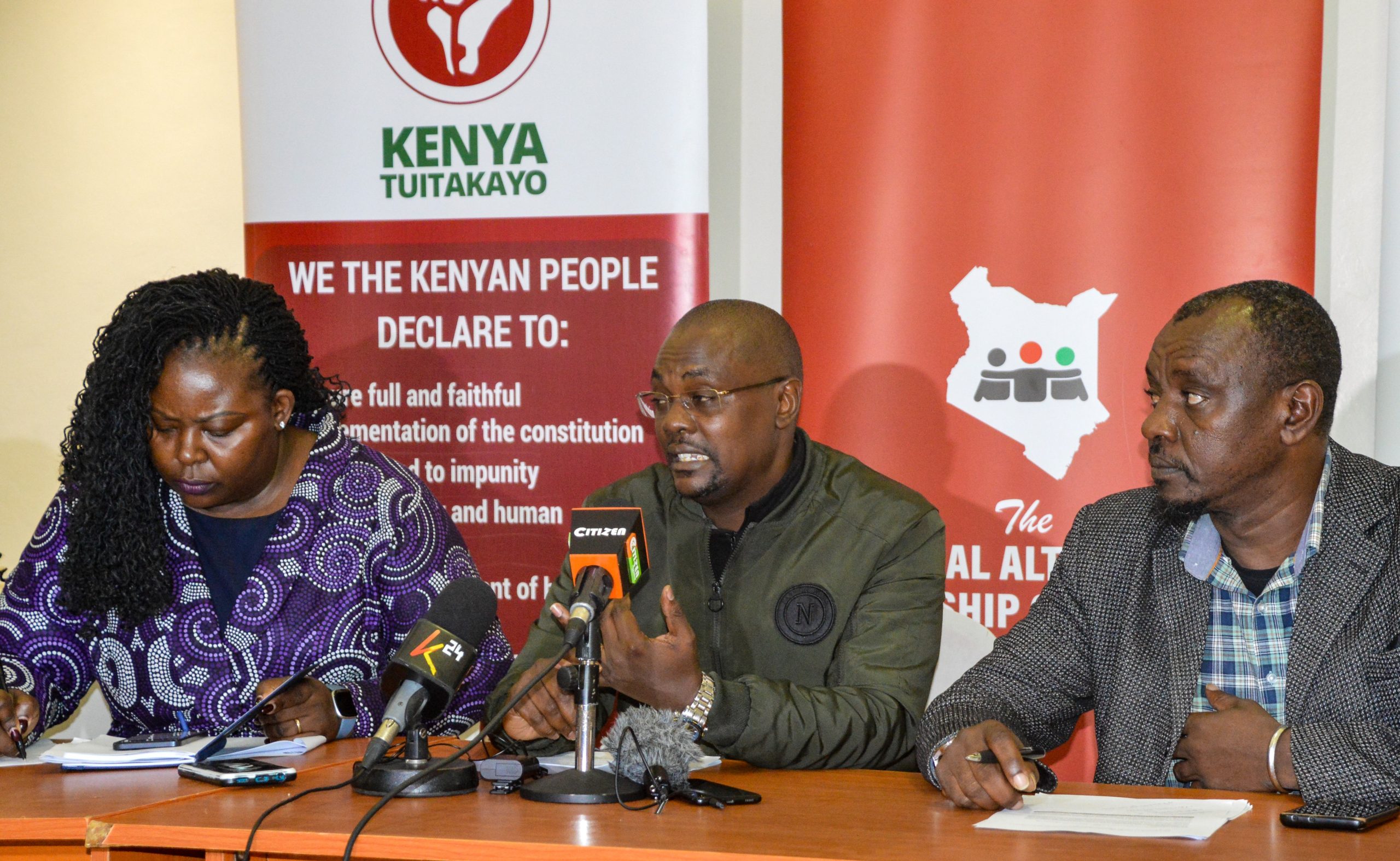
Nairobi, Kenya: The newly enacted Conflict of Interest Act, 2025, is now in effect. In response, the National Integrity Alliance (NIA), a coalition of civil society organizations dedicated to combating corruption, has demanded its immediate and uncompromising enforcement.
The Alliance led by Transparency Initiative (TI) and TISA warned that unless relevant institutions act swiftly, the law could be reduced to “another symbolic gesture” in Kenya’s decades-long struggle against corruption, state capture, and abuse of office.
A Legacy of Entrenched Conflict
The roots of conflict of interest in Kenya extend deep into its post-independence history, notably dating back over five decades. A pivotal moment in this trajectory was the recommendation made by the Ndegwa Commission in 1971.
 This commission, established to review public service terms and conditions, notably advised that civil servants should be allowed to engage in private business ventures while still holding public office.
This seemingly innocuous recommendation had profound and lasting consequences. By permitting public servants to operate private enterprises, the Ndegwa Commission effectively sanctioned a system where individuals could simultaneously pursue personal financial gain and serve the public interest.
This decision inextricably linked the issue of “dual loyalties” to the Kenyan public service. It created a fertile ground for situations where private financial interests could potentially override or influence public duties, leading to a persistent challenge in governance and the fight against corruption within the nation. The legacy of this decision continues to be debated and addressed in ongoing efforts to enhance transparency and accountability in Kenya’s public sector.
This position was later entrenched through Sessional Paper No. 5 of 1974, laying the foundation for widespread impunity, patronage networks, and insider dealings that have eroded public trust for decades.
“The Conflict of Interest Act gives Kenya a rare chance to correct a historic wrong,” the NIA said in a statement. “But its success will depend on bold enforcement, not rhetoric.”
Scandals Fuel Urgency
The call comes amid fresh corruption scandals and damning audit reports, highlighting the urgency of the new law. Among them:
- Kshs. 45 billion NTSA Deal: Alleged ties between a private firm and State House insiders have raised red flags over unlawful preferential treatment.
- SHA Healthcare System: An Auditor General report exposed irregular procurement of a Kshs. 104 billion digital health system, with taxpayers left footing the bill despite the government not owning the system’s intellectual property.
- eCitizen Losses: A March 2025 audit revealed Kshs. 9 billion missing through Kenya’s eCitizen platform, attributed to weak governance and opaque financial flows.
- State House Church Project: Critics have questioned the use of public land for a multi-billion shilling church, presented as a “private initiative” by the President.
- Insurance Rip-off: Rogue officials allegedly colluded with brokers to siphon Social Health Insurance Fund (SHIF) premiums, leaving patients unable to access treatment.
- Parliamentary Extortion: MPs sitting in oversight committees are accused of demanding bribes to manipulate reports.
- CDF Funds: Kshs. 4.1 billion in bursary funds from 125 constituencies could not be accounted for in the 2023/24 fiscal year.
“These scandals reflect systemic abuse of public office for personal gain. They underscore why enforcement of this Act cannot wait,” said NIA.
Demands for Action
The Alliance has identified nine crucial enforcement priorities to combat corruption. These include increasing transparency and accountability through mandatory declarations of interests, public access to beneficial ownership registers linked to procurement, and the publication of all awarded contracts.
NIA also emphasized the digitization of procurement with conflict-of-interest checks, demonstrating political will by avoiding wasteful symbolic projects, and enforcing zero tolerance for bribery and inducements.

Finally, the Alliance calls for strengthening enforcement bodies like the EACC through swift investigations and ensuring its independence.
A Test of Political Will
Civil society leaders argue that the new law must signal a turning point in Kenya’s governance.
They envision a future where public service is synonymous with selflessness and dedication to the common good, rather than an avenue for personal enrichment. This new law, therefore, represents a foundational step towards building a more just and equitable society for all Kenyans.
“This Act is not just another statute; it is a constitutional and moral imperative,” said NIA. “Either it ushers in a new era of accountability, or it becomes another failed promise in Kenya’s anti-corruption journey.”
For ordinary Kenyans, the outcome could determine whether public resources finally serve citizens—or continue to enrich a powerful few.
Civil society leaders in Kenya are vociferously asserting that the recent enactment of the conflict of interest law must unequivocally mark a pivotal turning point in the nation’s governance landscape.
The new law, they argue, provides a much-needed framework to address these systemic issues. Its effective enforcement is paramount to demonstrating a genuine commitment to eradicating corruption and promoting ethical conduct at all levels of government.
Civil society organizations are prepared to play a vigilant role in monitoring the implementation of the law, ensuring that it is applied fairly and without favor. They believe that a robust and independent enforcement mechanism is essential to prevent the law from becoming a mere symbolic gesture.