|
Getting your Trinity Audio player ready...
|
By Liz Anyango
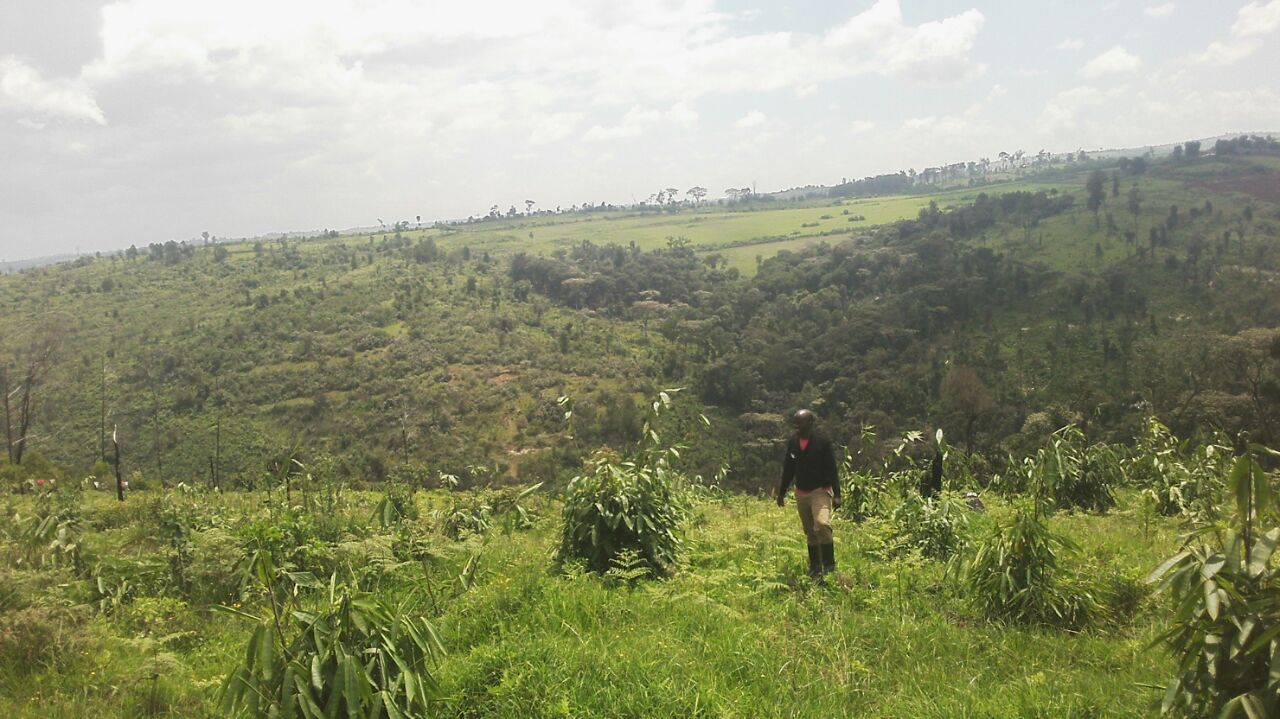
Narok County, Kenya: Imagine a farmer in Narok tending to her shamba. Here, beans intercrop with maize, their leaves shielding the soil from intense sun. The chickens are roaming freely, naturally controlling insect pests. Nearby, a line of native trees acts as a windbreak, while their fallen leaves naturally enrich the soil.
This is agroecology, a new farming technique that seeks to work with nature, not against it. Think of it as a symphony: every crop, animal, and tree playing its part, creating balance and resilience. When they work together, the whole system produces harmony food for families, healthier soils, and protection against climate shocks.
Narok County faces significant and increasing threats from climate change and land degradation. Recent satellite studies indicate that approximately 41% of its agricultural land is currently degraded, with only 4% showing signs of recovery.
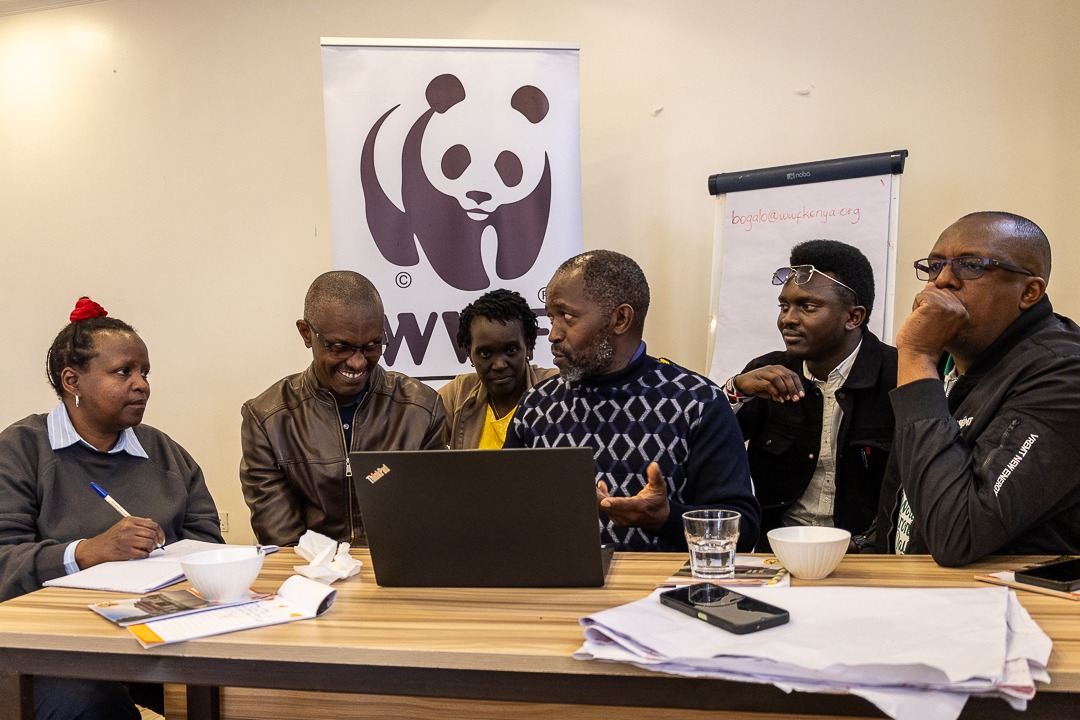
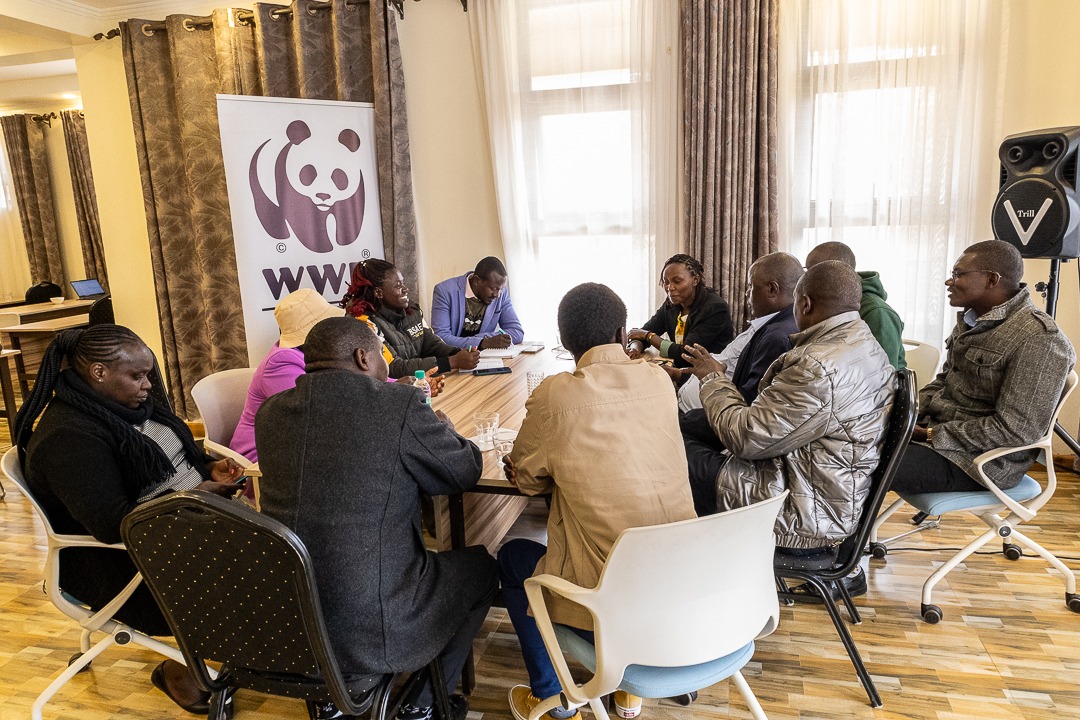
Narok recently hosted a four-day gathering at Zebu Lodge, initially intended as a farming workshop, which evolved into profound discussions on survival, dignity, and community sustenance. This unusual event brought together farmers, academics, indigenous leaders, government officials, and young people, all sharing ideas and struggles.
The gathering, co-hosted by WWF-Kenya and the Narok County Government, was part of Kenya’s National Agroecology Strategy (2024–2033) a bold plan to rethink how food is grown and shared across Kenya.
Kenya’s National Agroecology Strategy, while ambitious on paper, faces a stark and urgent reality in regions like Narok. Here, the abstract concepts of policy transform into a palpable crisis as local farmers witness a relentless decline in their crop yields, season after season.
This dire situation underscores the critical need for immediate and effective implementation of sustainable agricultural practices, as the livelihoods of countless families and the food security of the nation hang in the balance. The gap between strategic intent and on-the-ground impact is a chasm that must be bridged with decisive action and tailored support for those who cultivate the land.
As Joshua Cheruiyot, Deputy Director of Agriculture in Narok, put it: “Agricultural productivity in Narok has sharply declined due to poor land use and unsustainable practices. We need an integrated approach that puts climate resilience and food security at the center.”
For WWF’s Nancy Rapando, the solution lies in agroecology. She described it not just as farming, but as a way of life. “It’s science, it’s practice, and it’s a movement,” she explained. “It means caring for the land, growing food in ways that last, and making sure communities are treated fairly.”
But turning this vision into reality also requires knowledge and learning. That is where schools and universities come in. Dr. Morris Omollo from Maasai Mara University explained that the future depends on blending modern science with indigenous knowledge passed down through generations.
Community projects in Narok are already making a difference. Action Africa Health’s Enkima Project has distributed over 24,000 clean cooking stoves and is building a 40-year carbon credit program.
“We’re not just cutting emissions,” said Githaiga Kamau. “We’re supporting healthier, more sustainable households.”
Stronger policies are also key. Juma Mohammed from the Intersectoral Forum on Agrobiodiversity and Agroecology (ISFAA) emphasized that Narok must create county-specific solutions that still connect to national frameworks. “This creates synergy, prevents overlaps, and strengthens governance,” he explained.
The reality of climate change was also front and center. Anne Oloolumbwa from the National Drought Management Authority (NDMA) reminded participants that 80% of Kenya is arid or semi-arid. She called for better early warning systems and a stronger mix of indigenous wisdom with modern science to help communities prepare, not just react.
The workshop emphasized the need for effective communication, the revitalization of indigenous foods, and streamlined supply chains empowering smallholder farmers are crucial, extending beyond mere farming techniques.
Sidai FM’s Wambaz Ole Man summed it up simply: “Communities need real-time access to information. Without it, they remain reactive rather than proactive.”
In Narok, the National Agroecology Strategy is not just a plan being adopted; it’s a reflection of a transformation already in progress. The county’s food systems are evolving to become ecologically sound, locally owned, and community-driven.
Ultimately, agroecology transcends mere farming. It’s about people, culture, and survival. Like a well-orchestrated symphony, it demonstrates that when nature and community work in unison, the outcome is a harmonious future where both people and the planet flourish.