|
Getting your Trinity Audio player ready...
|
By Mercy Kachenge
Nairobi, Kenya: As the impact of the U.S. funding cuts continues to ripple across Kenya’s health system, communities of people living with HIV are bearing the brunt of the fallout.
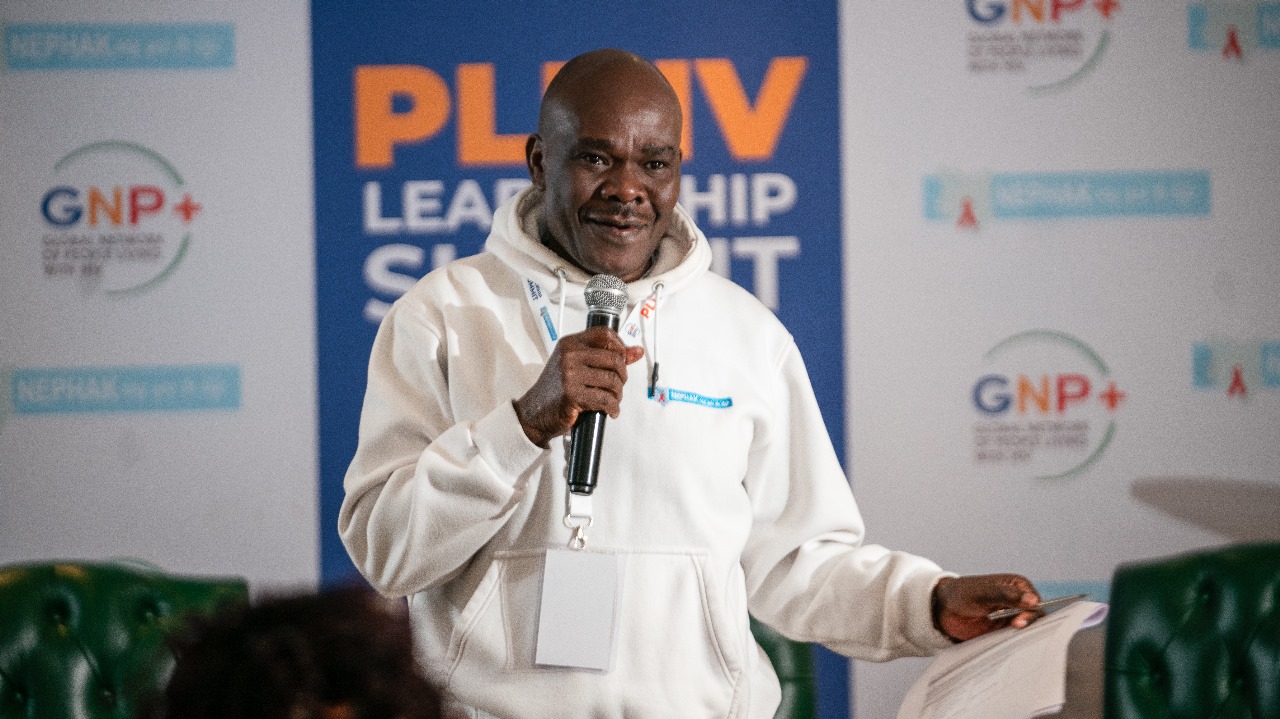
According to Nelson Otwoma, Executive Director of the National Empowerment Network of People Living with HIV and AIDS in Kenya (NEPHAK), fear and uncertainty are growing among those who depend on consistent, life-long treatment.
“People are genuinely worried. There’s no certainty that the treatment they need to stay alive will continue to be available,” Otwoma says.
The funding reductions have already triggered significant layoffs of donor funded healthcare workers. Data from the Council of Governors shows that 9,501 frontline staff were supported under U.S. government grants. Their departure has disrupted access to treatment and support services, with patients now facing longer wait times, reduced care quality, and, in some areas, complete service breakdowns.
To bridge the gap, NEPHAK has mobilized volunteer peer supporters, mentor mothers, and adherence counselors, working with the National AIDS and STI Control Programme (NASCOP) and county governments. The network has also initiated Community ART Groups to collect antiretrovirals on behalf of peers and continues to advocate for multi-month dispensing of ARVsproviding up to six months’ supply at a time.
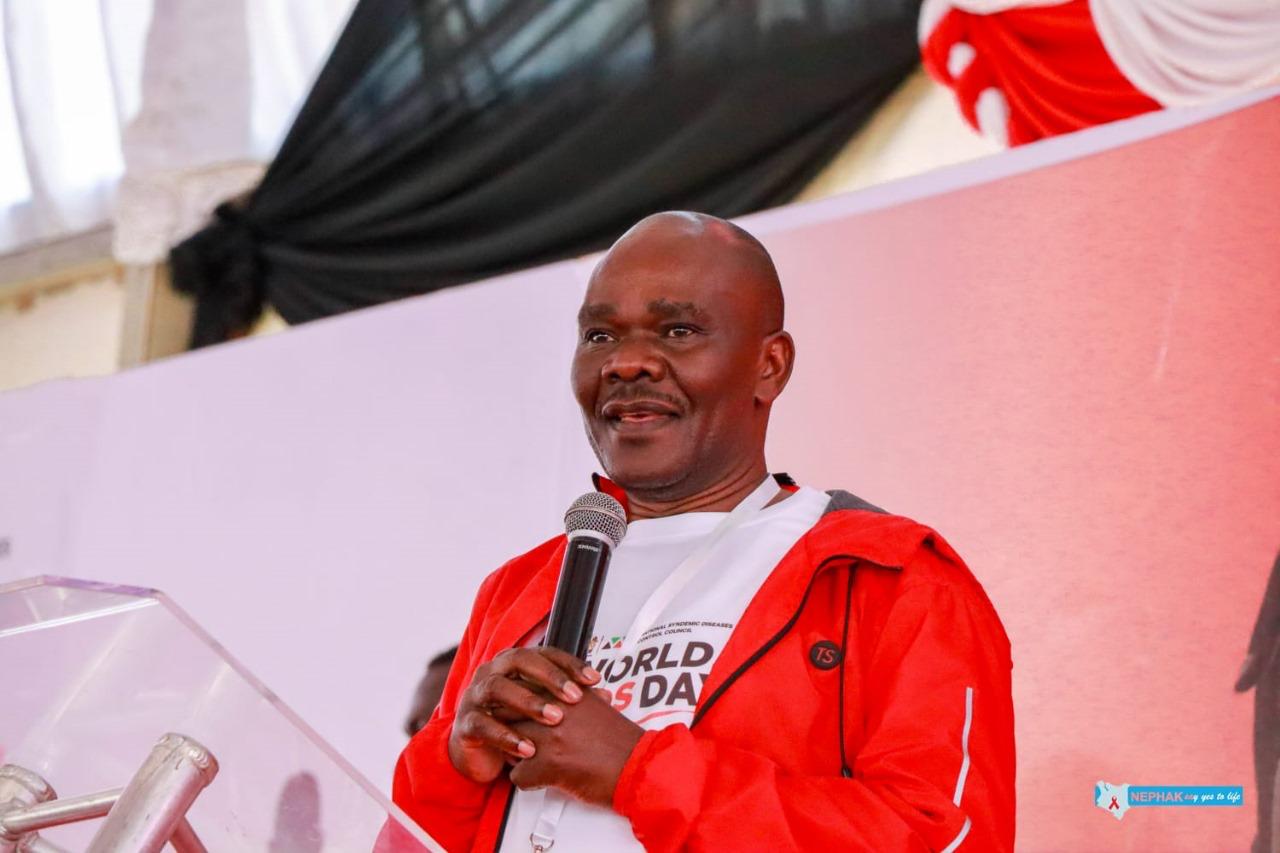
Yet these efforts face limitations amid systemic collapse. Otwoma paints a grim picture of Kenya’s HIV prevention infrastructure, saying it has all but collapsed except for the prevention of mother-to-child transmission.
“HIV testing is now largely limited to antenatal care clinics, where girls and women living with HIV are directed for services. Laboratory systems for critical tests like viral load monitoring and early infant diagnosis are struggling due to shortages of reagents and skilled personnel,’’he says.
“ART delivery is being pushed into general outpatient departments under the Social Health Authority (SHA), but this brings new barriers especially SHA registration and consultation fees,” he adds.
The situation is further complicated by the suspension of the Kenya Health Information System (KHIS) due to funding shortfalls. NEPHAK warns that Kenya’s lack of full ownership of its HIV data systems raises serious accountability and data protection concerns.
UNAIDS has already warned that the collapse of U.S. backed HIV programs could trigger millions of new infections and deaths globally, threatening progress on the Sustainable Development Goals with just five years remaining.
Otwoma acknowledges that while Kenya currently has enough ARV stock, access remains unequal. “Availability is not the same as access. If integration is done right and the government steps up, we can still prevent unnecessary deaths.”
He believes the solution lies in local integration, Differentiated Service Delivery, active community engagement, and a consistent supply chain. Differentiated Service Delivery such as multi-month ARV dispensing and community based distribution can reduce pressure on clinics and improve adherence.
But despite Kenya’s pledge to end AIDS in children by 2027 and eliminate it as a public health threat by 2030, the numbers are discouraging. “Vertical transmission has risen from 7.3 percent in 2023 to 9.2 percent in 2024,” Otwoma reveals. “That makes ending AIDS in children an ambitious dream.”
He adds that success depends on identifying, testing, and treating all HIV positive women and girls of reproductive age and empowering them to manage their health.
Meanwhile, disruptions are already affecting adolescents and young people living with HIV. Many are avoiding care due to stigma, especially as integrated services place them in general outpatient settings where they fear being outed or discriminated against by untrained staff.
NEPHAK continues to engage in high level policy discussions as a member of the Sustainability Technical Working Group, which is helping shape future-proof HIV programs.
“Kenya must take full ownership of its HIV response,” Otwoma insists. “HIV care should be fully integrated into the national health system and funded directly by the National Treasury. Donor support should only supplement this foundation.”
He warns that rising stigma, poorly trained health promoters, and confidentiality breaches in integrated services are putting lives at risk. “Unless urgent action is taken, the vulnerability of people living with HIV will only grow.”
NEPHAK is calling on the Kenyan government, remaining donors, and the global community to urgently invest in healthcare workers and ensure uninterrupted ARV supply. “This is not just about medicine, it’s about dignity, trust, and survival for millions of Kenyans,” said Otwoma.