|
Getting your Trinity Audio player ready...
|
By Sharon Barang’a
Laikipia County, Kenya: For years, the dry seasons in Laikipia County, Kenya, spelled disaster. Droughts would stretch for months, sometimes years, bringing with them hunger, livestock deaths, and escalating conflict over dwindling pastures.
But things are changing.
A new system of planned grazing, introduced by community and private conservancies, has given pastoralist communities a lifeline. The approach is not only saving livestock — the backbone of the region’s economy — but also bringing peace and stability to an area once known for clashes over resources.
“Before, we would walk for tens of kilometers with no assurance of pasture or water,” said Mampasoi Sekute Punwa, a pastoralist from Lenaisho. “Now, we have structure. We have hope. If it were not for this arrangement, I would have lost my cattle to drought – the only property I own.”
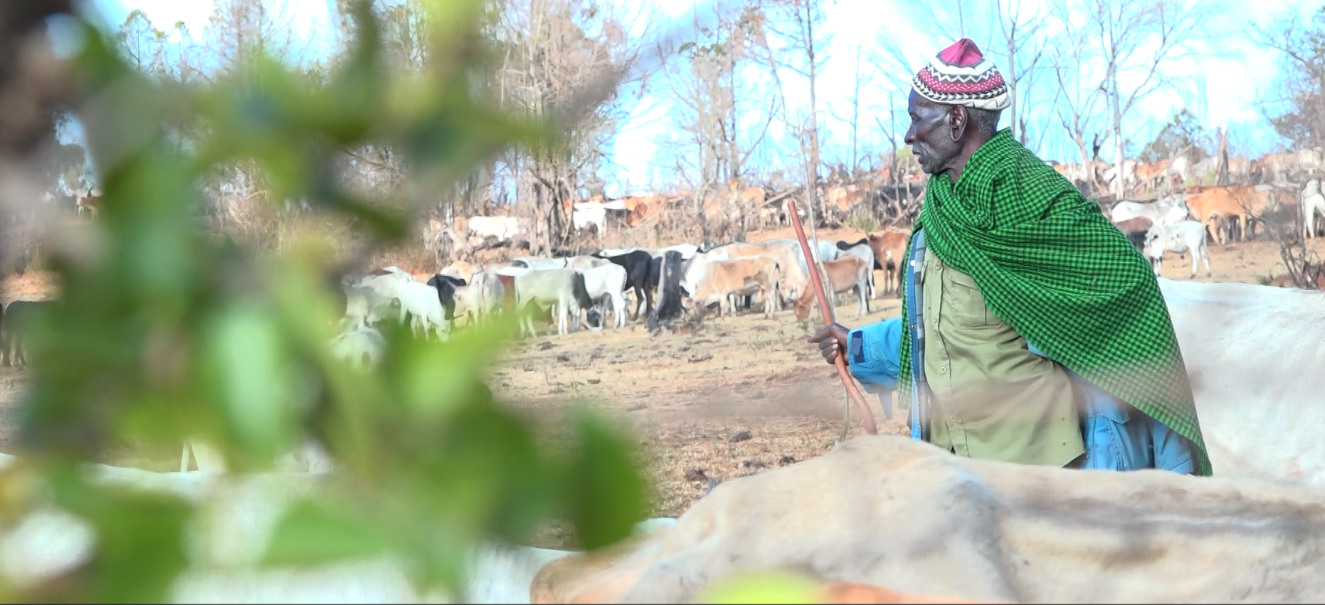
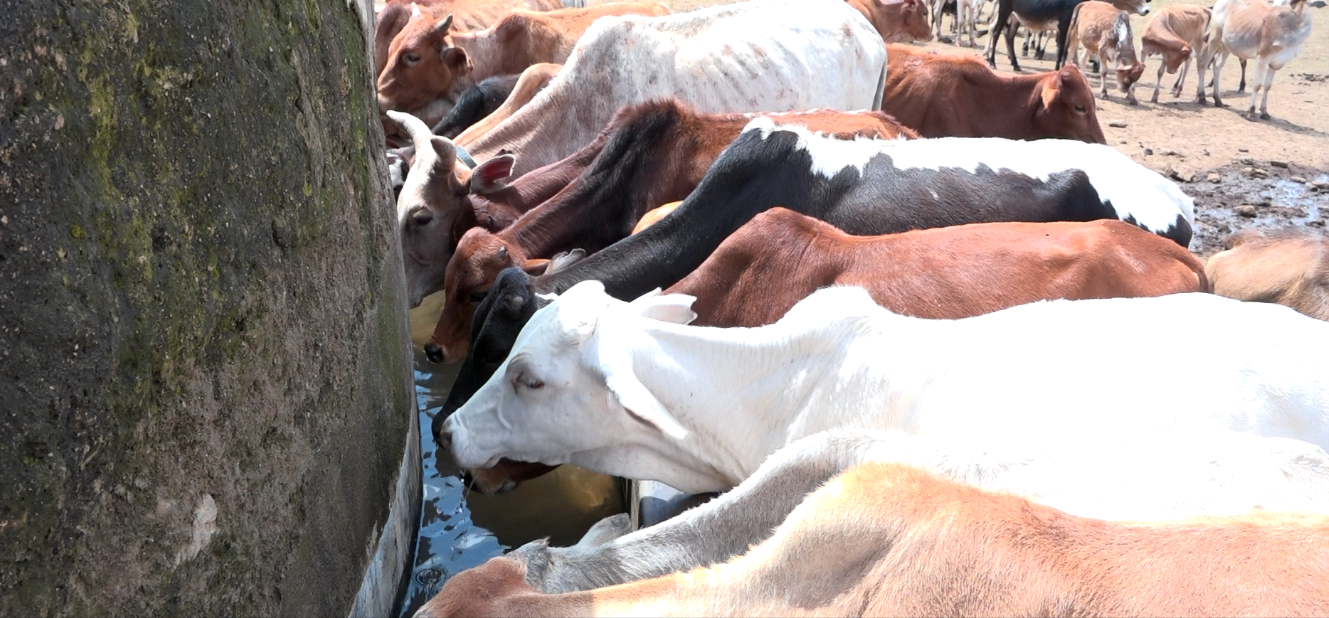
At Lolldaiga Hills Ranch, more than 11,000 heads of cattle graze peacefully — a stark contrast to the past. For the next few months, this land will serve as a temporary home for about 250 pastoralists and their herds, some of whom traveled hundreds of kilometers to get here.
“This is a deadly drought,” said Wilfred Ole Mejooli, one of the herders. “But because of this arrangement, our livestock have a chance.”
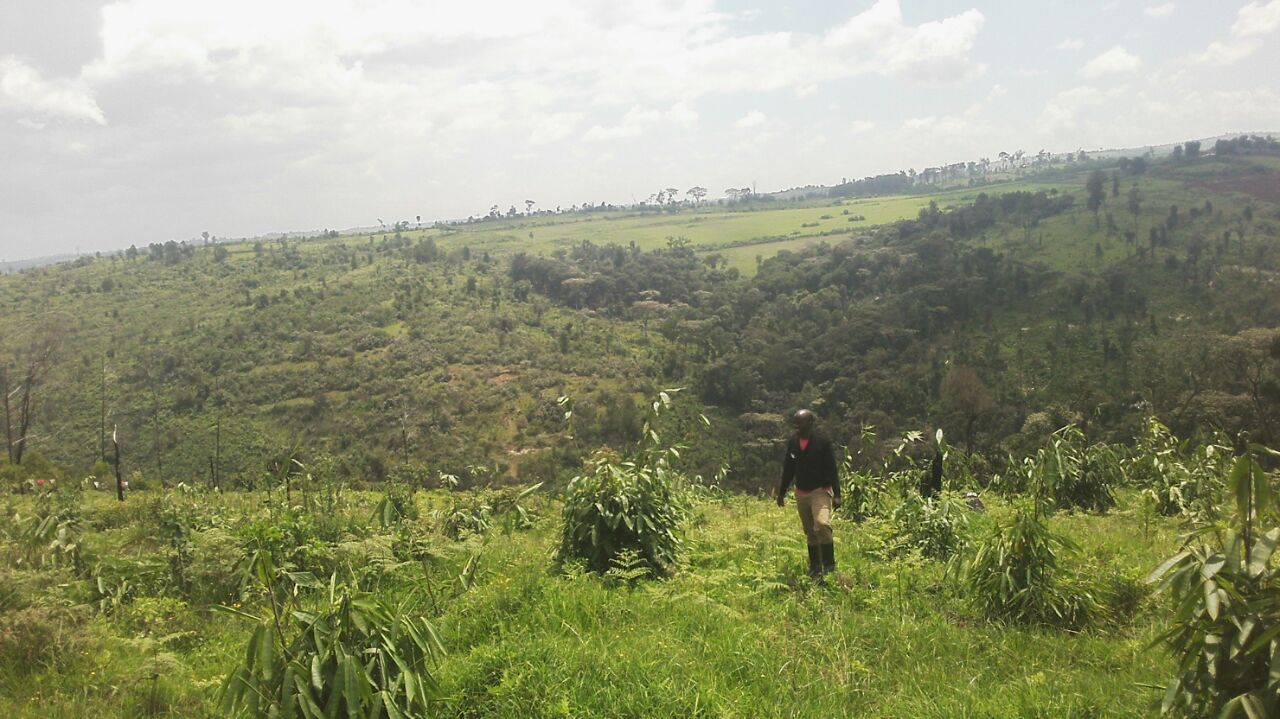
The community has implemented a comprehensive grazing plan, dividing the land into designated blocks with specific grazing days. Over 20,000 hectares have been allocated — allowing careful consideration of livestock numbers, land capacity, and community needs.
“By following this plan, we ensure there is enough pasture to last until the rains come,” Mejooli explains.
Under the agreement, each pastoralist pays a small monthly fee of KSh150 per cow. This contributes to the maintenance of the grazing areas and supports community infrastructure.
“If you graze beyond a particular grid, you will be fined Ksh 50 per cow,” said Mejooli.
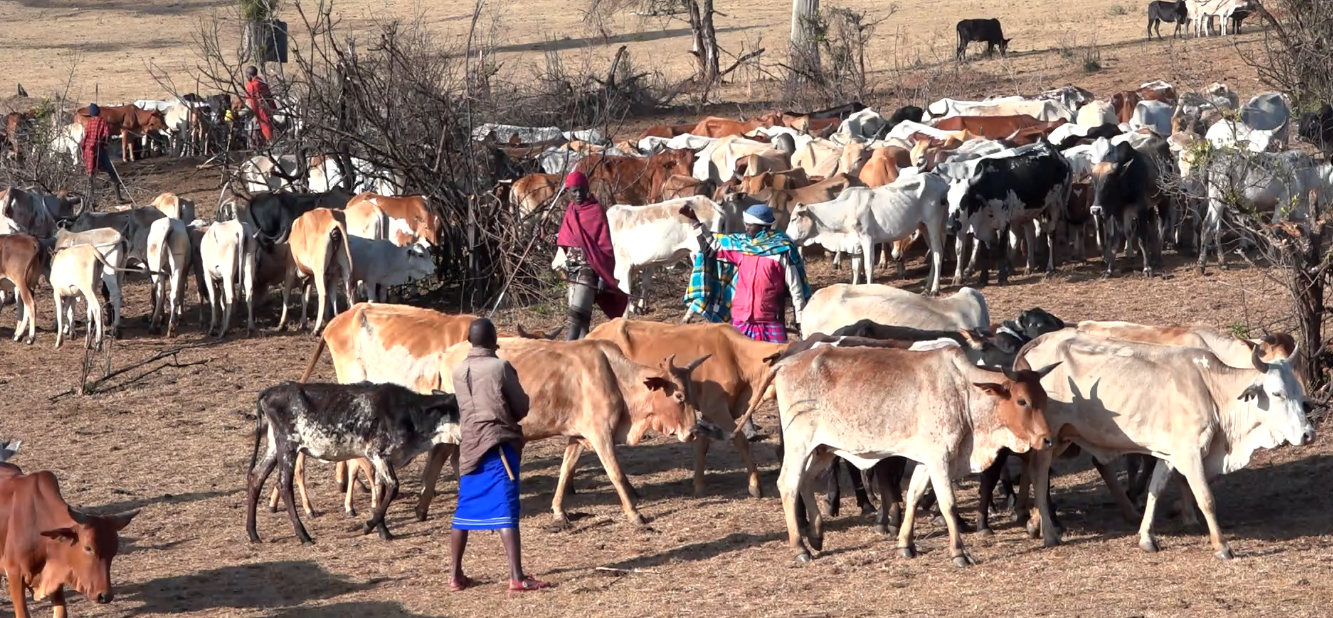
According to Michael Roberts, General Manager at Ole-Naisha, a conservancy in Laikipia, said the program is designed to be fair and sustainable: “Before we had planned grazing, these areas were hotspots for conflict. Now, there’s order. This is not a profit-making enterprise — it simply covers operational costs. We incur a range of expenses, including security, transportation, and clean drinking water for herders and livestock owners, and installing gates to protect animals from predators like hyenas and lions at night.”
The system is overseen by the Laikipia Conservancy Association, LCA, which brings together multiple stakeholders to ensure compliance and resolve disputes. The national and county governments are also supportive of the arrangement. “We manage the land collectively,” said Kip ole Polos, Chairperson of LCA. “We plan well ahead — as early as July — to ensure every animal has a place. This is because we know global warming is real; the rainy seasons are unpredictable nowadays. This is a challenge because it rains when we don’t expect it and it doesn’t rain when we expect it.”
Though largely successful, challenges remain. Neighboring conservancies outside Laikipia County sometimes ignore grazing regulations, putting pressure on the system. “We still experience incursions from herders who don’t respect our agreements,” said Tirimas Parkusan, head of security at Il Ngwesi Conservancy.
Another unexpected beneficiary of planned grazing has been wildlife. “We also feed warthogs and other animals during dry spells,” Kip added. Wildlife deaths due to drought have significantly reduced as a result.
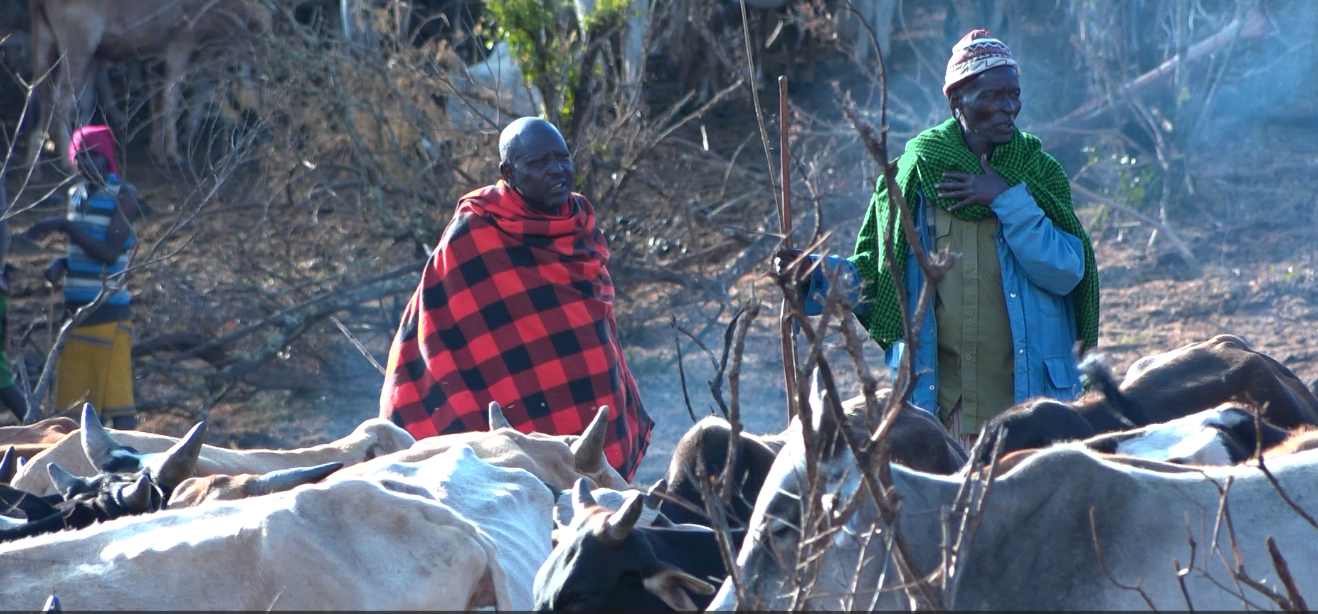
Samuel Tema, Regional Coordinator at Il Ngwesi, emphasizes the broader benefits: “We’re not just saving livestock — we’re rehabilitating the land and supporting biodiversity.”
‘‘Our aim is to avoid what we call crisis grazing to a well-managed grazing plan within the whole of Laikipia county,” Kip said.
As Laikipia adapts to climate change, the grazing management model is emerging as a beacon of hope for other pastoral regions in Kenya and beyond. What was once a place of loss and conflict is now a story of survival, strategy, and resilience.
It’s a model built not just on survival — but on planning, unity, and resilience in the face of a changing climate.
“Gone are the days when we lived in fear of the dry season,” said Mejooli. “Now we have a plan— and it is working. This arrangement has saved the lives of 11,000 cows. At an average value of KSh 20,000 per cow, that’s KSh 220 million — a significant boost to our livestock economy.”