|
Getting your Trinity Audio player ready...
|
By Mercy Kachenge
Nairobi, Kenya: The National Authority for the Campaign Against Alcohol and Drug Abuse (NACADA) has developed the 2025 National Policy on Alcohol, Drugs, and Substance Abuse, aimed at reducing the harmful impact of substance abuse in Kenya.
The policy proposes several key measures, including raising the legal drinking age from 18 to 21 years, as early alcohol initiation is a significant risk factor for addiction and can impede brain development, lead to risk-taking behavior, and negatively impact academic performance.
To control availability and accessibility to alcohol, NACADA suggests banning online alcohol sales, vending machines, and home delivery. The authority also recommends prohibiting outdoor advertising, social media endorsements, and celebrity promotions of alcohol, particularly during children’s programming, school events, and public holidays.
CEO NACADA, Dr. Anthony Omerikwa stated that online sales is the second leading source of alcohol and other substances.
“If they start drinking alcohol early, it impedes brain development ,causes higher risk of addiction, creates risk taking behaviours and impacts those in school their academic endeavours,” said Dr Omerikwa.
The CEO stated that most abused substances are alcohol, tobacco, cannabis,opioids and miraa with the youths being the most affected
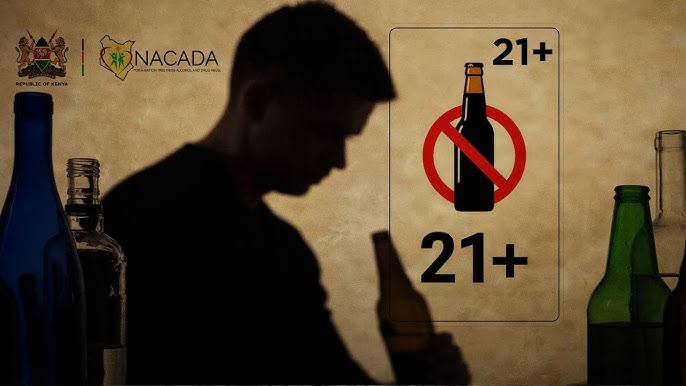 The policy which was approved by Cabinet in June seeks to reduce the harmful impact of substance abuse across the country.Among the kep proposal policy include declaring drug free zones near school and faith centers,introduce life skills and mental health in school curriculum and launch community based prevention programs.
Other policies include banning online sales, vending machines and home delivery, tightening of border control,and cracking down on illicit drugs. Some sections of the policies will require legislation before full implementation.
According to NACADA, it continues to propose a policy on marketing and promotion restrictions during children shows or school events, regulation of sponsorship and product placement, social media endorsements through celebrity endorsement and influencer marketing and public endorsements.
Furthermore, NACADA proposes digitizing licensing and inspection systems for alcohol outlets to ensure accountability. The authority also plans to scale up access to public treatment and rehabilitation services by making them more affordable, supported by a compensation fund financed through levies on alcohol and drug sellers.
NACADA is also seeking partnerships with relevant authorities, such as the Communications Authority of Kenya, Director of Criminal Investigation cyber crime unit and the Kenya Film Classification Board, to monitor and regulate harmful content and develop digital surveillance tools to track online drug markets.
The implementation of these measures will require legislative amendments and public participation across various sectors. According to NACADA, approximately 4.7 million Kenyans aged 15-65 are estimated to use at least one substance, highlighting the need for stricter enforcement of zoning laws.
The authority recommends banning alcohol outlets within 300 meters of learning institutions and residential areas and designating places of worship as substance-free zones.